
Flowers
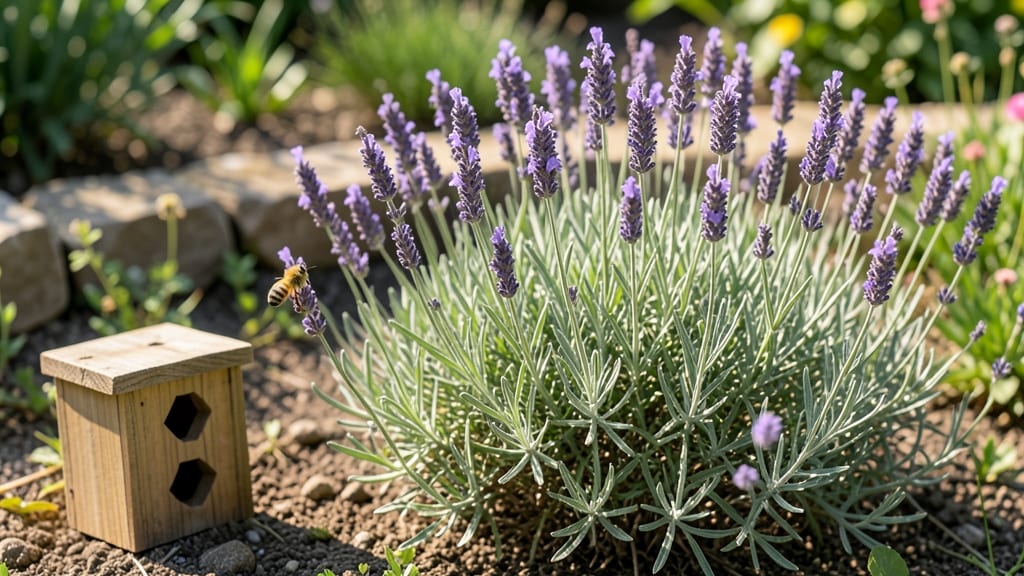
Creating a bee happy flowers garden isn’t just about planting pretty blooms—it’s about crafting a buzzing, living ecosystem where bees thrive year-round. 🌸 I learned this the hard way when my first garden attracted almost no pollinators, despite my best efforts.
The secret lies in choosing the right flowers, arranging them strategically, and understanding what bees truly need to visit, stay, and multiply.
Start with sunflowers, lavender, and coneflowers—these are bee magnets that bloom at different times, ensuring a steady food source from spring to frost. Plant in clusters rather than scattered rows to create visible "landing pads" for bees, and avoid double-flowered varieties (their tight petals trap nectar).
A mix of open-faced blooms like black-eyed Susans and bee balm will make your garden irresistible to pollinators.
By mid-summer, you’ll see bees buzzing from flower to flower with purpose, their wings dusted with pollen. The air hums with activity, and your garden becomes a vital stop for hungry pollinators.
Even in winter, evergreens like rosemary and winter honeysuckle provide shelter, while early spring bloomers like crocus kickstart the season.
This approach works in containers, raised beds, or full yards—adjust flower sizes to your space. The key is diversity and timing: no gaps in bloom cycles, no pesticides, and plenty of water. Ready to transform your garden into a bee paradise?
📚 In This Guide
- What you need
- Instructions
- Tips and common mistakes
- Wrapping up and next steps
What you need
- ● Native pollinator-friendly flowers: 3–5 varieties (e.g., bee balm, coneflowers, lavender, milkweed, or sunflowers). Aim for 10–15 plants per variety for a thriving ecosystem.
- ● Well-draining soil: 5–10 bags of native soil mix or compost (avoid synthetic fertilizers—bees prefer chemical-free blooms!).
- ● Watering can or hose: A 1–2 gallon capacity for gentle, deep watering (1–2 inches per week).
- ● Pruners or shears: Bypass pruners (sharp and clean) for trimming spent blooms.
- ● Mulch: 2–3 cubic feet of organic mulch (e.g., wood chips or straw) to retain moisture and suppress weeds.
- ● Gloves: A pair of gardening gloves to protect your hands from thorns or dirt.
- ● Garden trowel or shovel: For planting and soil prep (a 6–8 inch blade works best).
- ● Sunlight access: A full-sun to partial-sun location (6+ hours of sunlight daily for most pollinator plants).
- ● Water source: A nearby birdbath or shallow dish (bees need water too! Add pebbles for safe landing).
- ● Pollinator hotel: A wooden bee house for solitary bees (bonus for mason or leafcutter bees!).
- ● Pesticide-free zone: Avoid neonicotinoids or synthetic pesticides—opt for neem oil or diatomaceous earth if needed.
- ● Seasonal seed packets: Extra annual flowers (like cosmos or alyssum) for spring/fall color.
- ● Stakes or trellis: For climbing plants like honeysuckle or clematis (if adding vertical interest).
How to create a year-round pollinator garden
Here's the method I rely on to keep bees buzzing through every season.
🌱 Step 1: Plan for Continuous Bloom Cycles
Select a mix of native perennials that bloom in 3-4 month intervals—this ensures nectar is always available. Early spring starters like Virginia bluebells give way to summer favorites such as black-eyed Susans, while fall-blooming goldenrod and winter-hardy heather keep bees fed through cold months. I always include at least 3 different bloom times in my designs to prevent gaps.
Position plants in sunny, sheltered spots—bees avoid windy areas and prefer 6+ hours of direct sun. Group 3-5 plants of each variety together to create visual "landing pads" that bees recognize instantly. Avoid isolated single plants; they're harder for bees to locate and provide less nectar overall.
🌿 Step 2: Layer Plants for Vertical Diversity
Create 3 distinct height layers: ground covers (like creeping thyme), mid-height shrubs (such as butterfly bush), and tall perennials (like coneflowers). This mimics natural ecosystems where bees can forage at multiple levels without wasted energy. I space taller plants 2-3 feet apart to allow airflow and prevent fungal diseases that stress plants and reduce nectar production.
Include climbing vines like honeysuckle or passionflower—these add vertical interest and attract bees that prefer tubular flowers. Train vines along trellises or fences, positioning them 3-4 feet above ground where bees can access them easily. The key is variety: bees visit different flower shapes for different nectar access, so include flat, tubular, and bell-shaped blooms in your selection.
☀️ Step 3: Provide Water and Shelter
Install a shallow water source like a saucer filled with pebbles and water—bees need hydration but can't swim. Keep the water no deeper than 1 inch and add small rocks for safe landing. Place it in partial shade to prevent evaporation and position it within 10 feet of plants so bees don't have to travel far.
Add dense shrubs or evergreens at the garden's edges to create windbreaks and nesting sites. Bees prefer undisturbed, slightly shaded areas for nesting, so avoid pruning these spots heavily. I leave leaf litter and bare soil patches—these are prime nesting grounds for solitary bees, which pollinate just as effectively as honeybees but get overlooked.
✂️ Step 4: Maintain Without Disrupting Pollinators
Deadhead only after flowers fade—never remove blooms while bees are actively foraging. I wait until late afternoon when most bees have returned to their hives, then trim spent blooms to encourage new flower production. This simple habit keeps your garden in continuous bloom without starving pollinators.
Use organic mulch like wood chips or straw to retain moisture and suppress weeds, but keep it 2-3 inches away from plant stems to prevent rot. Water deeply 2-3 times per week during dry spells, aiming for 1 inch of water per week. Bees avoid wilted plants, so consistent moisture keeps your garden thriving and attractive to pollinators.
🪴 Step 5: Expand Seasonally for Round-The-Clock Blooms
Add early spring bulbs like crocus or daffodils to kickstart the season, then transition to summer annuals like zinnias or cosmos for mid-season color. In fall, plant late-blooming asters or sedum to bridge the gap before winter. I always include at least one evergreen like winter honeysuckle to provide year-round interest and shelter.
Rotate plants every 2-3 years to prevent soil depletion and pest buildup. Bees develop preferences for familiar scents, so I gradually introduce new varieties rather than replacing everything at once. This keeps your garden familiar yet exciting for returning pollinators—think of it as a bee-friendly buffet that never closes.
Tips & tricks for creating a thriving pollinator garden
Here's what I've learned after years of watching bees thrive in my own garden—these small details make all the difference.
Native Plant Selection: Prioritize native perennials over non-native varieties—they've co-evolved with local pollinators for millennia. For example, Virginia bluebells and black-eyed Susans are bee magnets because they've developed symbiotic relationships with native bees. I always check with local nurseries or native plant societies to identify the best species for my region. This ensures your garden becomes a true pollinator paradise rather than just another pretty landscape.
Plant Grouping Strategy: The 3-5 plant clusters mentioned in Step 1 work because bees are visual foragers—they learn to recognize specific color patterns. I've noticed that purple coneflowers grouped with yellow black-eyed Susans create a "bee superhighway" that keeps them coming back. Avoid scattered single plants; they're like neon signs in the wrong place—bees see them but won't commit to visiting. Think of it as creating visual beacons that guide pollinators directly to your garden.
Seasonal Transition Planning: When expanding your garden seasonally (Step 5), I recommend creating a simple chart of your plants' bloom times. This helps visualize potential gaps. For instance, if your spring crocus finishes blooming by early May, you'll want to ensure summer zinnias are already established. I've had success with a "bloom calendar" that tracks each plant's peak nectar production—this prevents those frustrating mid-season lulls when bees have to search elsewhere for food.
Water Source Design: The 1-inch deep water source with pebbles in Step 3 is crucial, but here's the secret: add a few small twigs or dried leaves to the edges. Bees use these as "stepping stones" to safely reach the water without drowning. I've watched bees use these natural ramps to drink from sources that would otherwise be too risky. This small addition can double the number of bees visiting your water station while keeping them safe.
Pro Tips for Bee Happy Flowers
- Here's what I've learned after years of watching bees thrive in my own garden—these small details make all the difference.
- Native Plant Selection: Prioritize native perennials over non-native varieties—they've co-evolved with local pollinators for millennia.
- Plant Grouping Strategy: The 3-5 plant clusters mentioned in Step 1 work because bees are visual foragers—they learn to recognize specific color patterns.
Frequently asked questions
Which flowers attract bees year-round?
Bees love bee happy flowers like lavender, coneflowers, and bee balm, which bloom in spring and summer. For winter interest, opt for hellebores or winter jasmine—they provide late-season nectar. Pro tip: Mix perennials with annuals (e.g., cosmos or sunflowers) for continuous color and food sources.
When is the best time to plant bee-friendly flowers?
Spring (after the last frost) is ideal for perennials and shrubs, while annuals can go in late spring or early summer. Troubleshooting: If planting in summer, water deeply and mulch to retain moisture. For fall, choose cold-hardy varieties like asters or goldenrod to give bees a late-season feast.
How do I protect bees from pesticides in my garden?
Avoid systemic pesticides (like neonicotinoids) entirely—they’re deadly to bees. Instead, use organic alternatives like neem oil or insecticidal soap, and apply them after sunset when bees aren’t active. Bonus: Plant bee-friendly flowers away from veggie patches to minimize pesticide drift.
Can I grow bee happy flowers in containers or small spaces?
Try compact varieties like thyme, alyssum, or dwarf lavender in pots or window boxes. Ensure containers have drainage holes and use lightweight potting mix. Space-saving hack: Layer plants with different heights (e.g., tall snapdragons + low creeping thyme) to maximize vertical real estate.
What should I do if bees aren’t visiting my flowers?
Check for pesticides, lack of water, or missing pollen sources. Add a shallow dish of water with pebbles (so bees can drink safely) and ensure flowers have open blooms. Quick fix: Plant bee magnets like borage or marigolds nearby—their strong fragrance draws pollinators.
Wrapping up and next steps
Creating a bee happy flowers garden isn’t just about beauty—it’s a gift to pollinators and your soul! 🌸 With the right mix of year-round blooms, you’ve got a thriving haven for bees, butterflies, and hummingbirds. Start small, experiment with native plants, and watch your garden buzz with life.
Ready to take the next step? Plant one new pollinator-friendly flower this week—your local nursery or seed catalog can help you pick the perfect match for your climate. Every bloom makes a difference, so let’s grow happiness, one flower at a time! 🐝✨