
Companion Plants
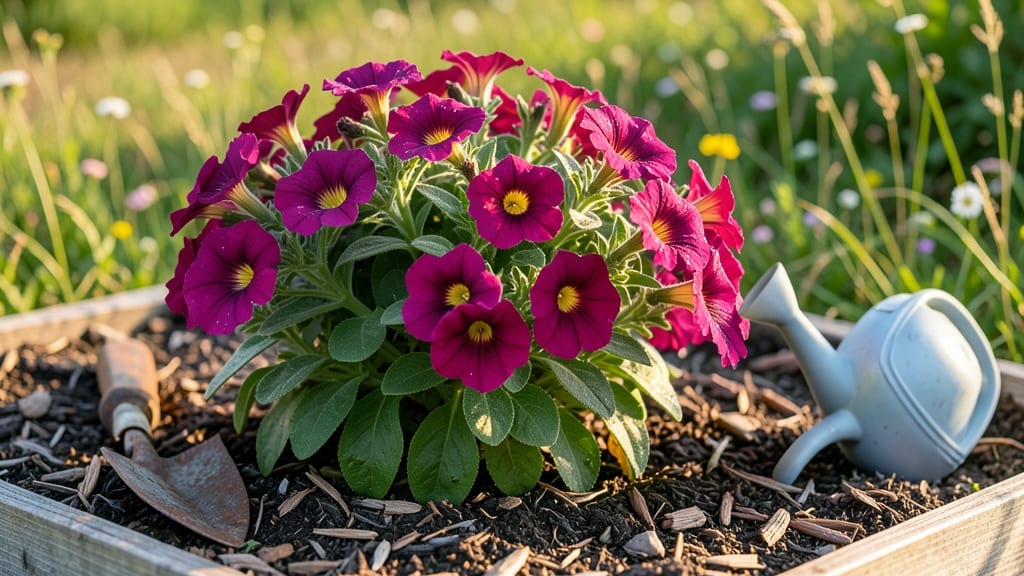
Flowering outdoor pot plants can turn even the tiniest balcony into a fragrant, colorful retreat. 🌿 I learned this the hard way—my first attempt with wilting petunias and sad snapdragons made me swear off containers.
Then I discovered the right combinations: drought-tolerant lavender paired with trailing nasturtiums, or vibrant geraniums mixed with sweet alyssum. The secret isn't fancy pots or rare plants—it's matching water needs, sunlight exposure, and growth habits.
Low-maintenance is the name of the game here. You'll want pots with drainage holes (trust me, soggy roots are a nightmare), a well-draining soil mix, and plants that thrive in your specific light conditions.
Urban gardeners love this setup because it eliminates weeds, reduces water waste, and lets you rearrange your "garden" whenever the mood strikes. Plus, you can swap out seasonal blooms—spring bulbs give way to summer annuals, which transition to fall mums and winter pansies.
What you end up with is a living centerpiece that smells amazing, attracts pollinators, and requires less time than watering an in-ground garden. Imagine stepping outside to find your porch overflowing with the scent of jasmine or the bright pops of color from coleus leaves.
The best part? You can create height variations—tall grasses in the back, medium shrubs in the middle, and trailing plants spilling over the edges—all while keeping it compact enough for a city stoop.
This works for any space—balconies, patios, or even window boxes. The key is starting small: one or two pots first, perfecting your care routine, then expanding. Once you master the basics, you'll be designing entire container gardens that outshine any neighbor's yard. Let's get those pots blooming!
📚 In This Guide
- What you need
- Instructions
- Tips and common mistakes
- Wrapping up and next steps
What you need
- ● Flowering pot plants: Choose 3–5 varieties (e.g., petunias, geraniums, fuchsias, or lavender). Opt for compact, dwarf, or trailing types for small spaces.
- ● Containers: 1–3 hanging baskets (10–12" diameter) for trailing plants.
- ● 1–2 medium pots (10–14" diameter) for upright varieties.
- ○ Self-watering pots (optional) for low-maintenance care.
- ● High-quality potting mix: 5–10 gallons of well-draining, peat-free mix (add perlite or sand for extra aeration).
- ● Slow-release fertilizer: 1–2 cups of balanced granular fertilizer (10-10-10 or 20-20-20).
- ● Tools: Trowel or small shovel
- ● Garden gloves
- ● Watering can with a rose nozzle (for gentle watering)
- ● Pruning shears (for trimming)
- ● Mulch: 1–2 cups of organic mulch (e.g., bark chips) to retain moisture.
- ● Plant supports: Small stakes or coco coir rings for trailing plants.
- ● Decorative elements: Pebbles, moss, or colorful pot saucers for aesthetics.
- ● Liquid fertilizer: 1 bottle of water-soluble fertilizer for mid-season boosts.
- ● Drip irrigation kit: For automated watering (great for busy bees!).
Step-by-step guide to choosing and caring for fragrant outdoor pot plants
Here's how to create a fragrant, thriving container garden that fills your patio with scent and color.
🌱 Step 1: Select the Right Fragrant Varieties for Your Space
Choose plants that match your sunlight conditions and fragrance preferences. For full sun, try lavender, geraniums, or jasmine—these thrive with at least 6 hours of direct sunlight daily. In partial shade, opt for sweet alyssum, sweet woodruff, or evening primrose, which handle 3-6 hours of sun beautifully.
I always pick at least one plant with evening fragrance—like night-scented stock—to ensure your garden has scent even after the sun sets. Check the plant tags for fragrance descriptions, as some labeled "fragrant" varieties may disappoint. For example, true lavender has a strong, sweet scent, while some ornamental lavenders are mostly decorative.
🪴 Step 2: Prepare Containers with Proper Drainage and Soil
Use containers with drainage holes—no exceptions. I've seen too many fragrant plants drown in soggy soil, which rots roots and kills the scent. If your pots lack holes, drill them yourself or use a cache pot with a decorative outer shell. Fill the bottom 2 inches with gravel or perlite to ensure excess water drains away.
Fill the rest with a well-draining potting mix. Avoid garden soil—it compacts and suffocates roots. I mix my own blend of 50% premium potting mix, 30% perlite, and 20% compost for the perfect balance of nutrients and aeration. This keeps roots healthy and encourages strong fragrance production.
☀️ Step 3: Plant and Position for Optimal Sunlight and Airflow
Dig a hole twice as wide as the plant's root ball but only as deep as the container's original soil line. Gently remove the plant from its nursery pot, loosen the roots if they're circling, and place it in the hole. Fill around the roots with soil, pressing lightly to remove air pockets. Water deeply until water runs out the drainage holes—this settles the soil and removes any gaps.
Position your pots where they'll get the right amount of sun for their variety. Most fragrant plants need morning sun to prevent leaf scorch, especially in hot climates. Space pots 6-12 inches apart to allow airflow—this prevents fungal diseases that can weaken plants and dull their scent. A small fan on a low setting nearby helps if your space is particularly humid.
💧 Step 4: Water and Fertilize for Strong Scent Production
Water when the top inch of soil feels dry to the touch. Fragrant plants often have shallow roots, so they dry out faster than you might expect. I water in the morning so the foliage has time to dry before evening, reducing the risk of mildew. Avoid wetting the leaves when possible—water at the base instead. Overwatering is the fastest way to kill a fragrant plant's scent.
Feed with a balanced liquid fertilizer every 2-3 weeks during the growing season. I use a 10-10-10 or 20-20-20 mix diluted to half strength to avoid burning roots. Stop fertilizing in late summer to let plants prepare for winter. Deadheading spent blooms encourages more flowers—and more fragrance. Pinch off faded blossoms with your fingers or snip them with clean scissors just above a set of leaves.
✂️ Step 5: Prune and Maintain for Continuous Blooms
Prune leggy growth or overcrowded stems in early spring to encourage bushier, more fragrant plants. Cut back one-third of the plant's height if it looks straggly or overgrown. This shock might seem harsh, but it triggers new growth that's fuller and more aromatic. Always use clean, sharp pruners to avoid damaging stems.
Watch for pests like aphids or spider mites, which can weaken plants and reduce fragrance. I spray plants with a neem oil solution (1 tablespoon per quart of water) if I spot any pests. This organic treatment is safe and effective. In fall, reduce watering and move pots to a sheltered spot if frost is expected. Most fragrant annuals won't survive winter, but you can overwinter tender perennials like lavender with a little protection.
Tips & tricks for perfect fragrant outdoor pot plants
Here's what nobody tells you about keeping your fragrant container garden thriving all season long.
Sunlight Strategy: The 6 hours of direct sunlight mentioned for full-sun plants is non-negotiable—these varieties need that full exposure to produce their signature fragrance. I've learned the hard way that cutting corners on sunlight leads to weak, scentless blooms. For partial shade plants like sweet alyssum, those 3-6 hours should be the brightest part of your day to maximize fragrance potential. Morning sun is ideal because it prevents afternoon leaf scorch while still giving plants enough energy for strong scent production.
Soil Mix Secret: That 50-30-20 blend of premium potting mix, perlite, and compost isn't just arbitrary—it's the perfect balance for fragrant plants. The perlite prevents compaction while the compost provides essential nutrients that boost fragrance production. I always add a handful of worm castings to my mix for an extra nutrient boost that makes a noticeable difference in scent intensity. This combination also prevents the dreaded "soggy bottom" that kills fragrance by suffocating roots.
Evening Fragrance Hack: If you want that magical evening scent from night-scented stock or jasmine, position these pots where you'll notice them most at dusk. I place mine near seating areas or along pathways where the fragrance naturally draws you in. The key is to plant them slightly closer to where you'll be enjoying them—typically within 3-4 feet of your outdoor living space. This ensures you get the full sensory experience without having to search for the scent.
Watering Wisdom: The "top inch dry" rule works, but I've found that checking soil moisture with your finger actually works better than a moisture meter for container plants. Fragrant plants often have shallow root systems that dry out quickly, so I test moisture in multiple spots—especially near the edges of the pot where water might pool. Morning watering is crucial because it gives foliage time to dry completely before evening, which dramatically reduces the risk of mildew that can dull fragrance. I've seen too many beautiful fragrant plants ruined by this simple oversight.
Pro Tips for Flowering Outdoor Pot Plants
- Here's what nobody tells you about keeping your fragrant container garden thriving all season long.
- Sunlight Strategy: The 6 hours of direct sunlight mentioned for full-sun plants is non-negotiable—these varieties need that full exposure to produce their signature fragrance.
- Soil Mix Secret: That 50-30-20 blend of premium potting mix, perlite, and compost isn't just arbitrary—it's the perfect balance for fragrant plants.
Frequently asked questions
Got questions about blooming potted plants for your outdoor space?
Here are answers to the most common ones—because even experts need a little guidance now and then!
What’s the easiest flowering outdoor pot plant for beginners?
Start with petunias or geraniums—they’re hardy, low-maintenance, and burst with color. Marigolds are another great pick: they repel pests and thrive in partial sun. Just ensure well-draining soil and regular watering (but no soggy roots!).
When is the best time to plant flowering pot plants outdoors?
For most plants, after the last frost (spring) is ideal—typically mid-April to early June, depending on your zone. Cool-season bloomers like pansies can go in early spring or fall. Pro tip: harden off potted plants for 7–10 days before moving them outside to avoid shock!
How often should I water flowering pot plants?
Water when the top inch of soil feels dry—usually every 2–3 days in hot weather, but adjust for rain or shade. Morning watering prevents fungal issues, and drip irrigation keeps roots consistently moist. Overwatering is a bigger killer than underwatering, so check drainage holes regularly!
Can I keep flowering pot plants alive year-round?
Many thrive year-round in mild climates (zones 8–10), like bougainvillea or hibiscus. In colder areas, move pots to a sheltered spot or use insulating wraps. Winterizing with mulch and reducing watering helps dormant plants survive. Succulents and lavender are tough winter survivors too!
Why aren’t my flowering pot plants blooming?
Lack of blooms often means too much shade, over-fertilizing with nitrogen (promotes leaves, not flowers), or stress from inconsistent watering. Try deadheading spent blooms, pruning leggy growth, and using a balanced bloom-boosting fertilizer (like 10-10-10). Sun-loving plants need 6+ hours of light daily!
What are some fragrant flowering pot plants?
For a sensory feast, try jasmine, lavender, or sweet alyssum—their scents attract pollinators too! Honeysuckle and roses (in dwarf varieties) are heavier fragrancers but need more space. Plant near seating areas or windows to maximize enjoyment.
Wrapping up and next steps
Transforming your small outdoor space into a fragrant, blooming paradise is easier—and more rewarding—than you think! 🌸 With the right flowering outdoor pot plants, you can create a lush canopy that fills the air with intoxicating scents and bursts of color, no matter how limited your area.
From sun-loving geraniums to shade-tolerant fuchsias, these beauties prove that big impact doesn’t require big space.
Ready to take the next step? Start small—pick one or two plants that suit your space and care level, then expand your collection as you gain confidence.
Before you know it, your balcony, patio, or windowsill will be a thriving, fragrant oasis that brings joy every day. Happy planting! 🌿✨