
Shrubs
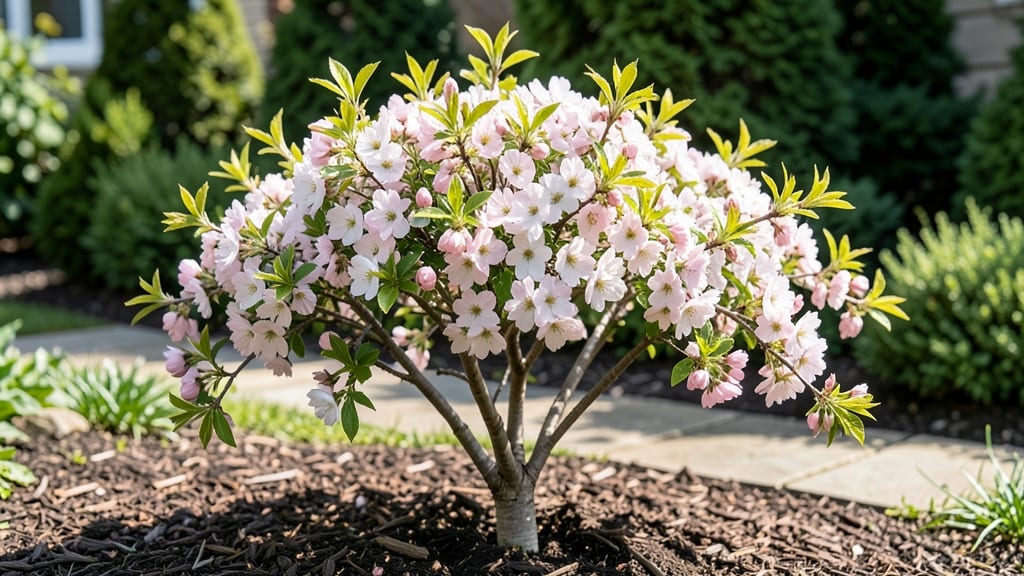
This dwarf flowering almond bursts into a pink cloud of spring blooms in a 5-gallon pot.
That’s your dwarf flowering almond—compact, fragrant, and impossible to ignore once it wakes up. 🌸 I still remember the first time mine burst into bloom in late winter, filling my patio with a sweet almond scent that made neighbors stop and sniff the air.
This isn’t just a shrub; it’s a seasonal showstopper that thrives where bigger trees fail.
The secret to happy dwarf almonds is treating them like finicky divas—not because they’re high-maintenance, but because they need just the right conditions to shine. Well-draining soil (think 60% potting mix, 40% perlite or sand), 6+ hours of sunlight daily, and a container with drainage holes are non-negotiable.
Skip the heavy clay soil, and you’ll avoid root rot faster than you can say “soggy roots.”
By summer, you’ll have glossy green leaves and clusters of pink or white flowers that attract bees like a magnet. The best part? This shrub stays under 4 feet tall—perfect for small yards, balconies, or even as a bonsai-like centerpiece in a large pot.
Prune lightly after flowering to keep it tidy, and watch it reward you with years of effortless beauty.
Pair it with lavender for contrast, or tuck it near a path where you’ll brush past its branches and catch that intoxicating fragrance. Whether you’re a container gardener or just love low-maintenance shrubs, this little tree steals the show—without stealing your space.
📚 In This Guide
- What you need
- Instructions
- Tips and common mistakes
- Wrapping up and next steps
What you need
- ● Dwarf flowering almond plant (e.g., Prunus glandulosa or Prunus tenella): 1-3 bare-root or potted plants (3–6 ft tall at maturity, perfect for containers!)
- ● Choose a dwarf cultivar like ‘Pink Perfection’ or ‘Snow Fence’ for compact growth.
- ● Well-draining potting mix (10–20 lbs): Mix 50% cactus/succulent soil + 30% perlite + 20% compost for containers.
- ● For in-ground planting, amend native soil with organic matter (e.g., leaf mold or peat moss).
- ○ Container (optional but recommended for small spaces): 1–2 15–20 gallon pots (with drainage holes) or a raised bed (minimum 12" depth).
- ● Fabric grow bags (18" diameter) work great for root aeration.
- ● Slow-release fertilizer (5–10 lbs): Look for a balanced 10-10-10 or low-nitrogen (5-10-10) formula to avoid leggy growth.
- ● Mulch (2–3 cubic feet): Wood chips or gravel (1–2" layer) to retain moisture and deter weeds.
- ● Garden tools: Trowel or small shovel
- ● Pruners (sterilized, for shaping)
- ● Gloves (to protect from thorns!)
- ● Watering can or hose with gentle nozzle (dwarf almonds hate soggy roots!)
- ● Sunlight spot: Full sun (6+ hours/day) for vibrant blooms (partial shade tolerates 4–6 hours).
- ○ Optional but helpful: Container saucers (to catch runoff and prevent root rot).
- ● Stakes or cages (for young plants in windy areas).
- ● pH test kit (ideal soil pH: 6.0–7.0).
Step-by-Step instructions for cultivating dwarf flowering almond trees
Here's how I've kept these delicate beauties thriving in tight spaces for years.
🌱 Step 1: Choose the Right Container and Soil Mix
Select a container at least 12 inches deep with drainage holes—dwarf flowering almonds need room for roots but won't tolerate soggy feet. I use a mix of 50% well-draining potting soil and 50% perlite or coarse sand to prevent root rot. The soil should feel like a damp sponge when squeezed—if water drips out, it's too wet.
Here's the thing—these trees hate compacted soil. Before planting, I loosen the mix with my fingers until it's airy enough that a pencil can slide through easily. This prevents the delicate roots from circling in dense soil, which stunts growth. Place a 2-inch layer of gravel at the bottom for extra drainage if your container lacks depth.
☀️ Step 2: Position for Full Sun and Shelter
Dwarf flowering almonds demand 6-8 hours of direct sunlight daily, but they also need protection from harsh winds and afternoon heat. I place mine in a spot that gets morning sun and afternoon shade if temperatures exceed 90°F. A south-facing window or patio works well, but watch for leaves curling—this signals too much heat.
If you're growing in containers, move them to a shaded area during peak afternoon sun. These trees bloom best when they experience consistent light without stress. I've seen them drop buds when suddenly exposed to cold drafts or intense heat waves, so gradual acclimation matters. A small fan on low helps prevent bud drop during dry spells too.
💧 Step 3: Water Deeply but Sparingly
Water when the top 2 inches of soil feel dry—this usually means once a week in spring/fall, but less in winter. The key is thorough watering: soak until water runs out the drainage holes, then let excess drain completely. Overwatering is the #1 killer of these trees, so I always check moisture before watering again.
Here's what I do: Stick my finger in the soil. If it feels dry up to my first knuckle, it's time to water. If it's still damp, wait another day. These trees store water in their trunks, so they can handle brief dry spells better than soggy conditions. Mulch with 1 inch of organic mulch around the base (but not touching the trunk) to retain moisture and regulate soil temperature.
✂️ Step 4: Prune for Shape and Airflow
Prune immediately after flowering to maintain a compact shape. Remove any dead, crossing, or inward-growing branches first—this prevents disease and improves airflow. I cut just above a leaf node at a 45-degree angle to encourage new growth. Never prune more than 25% of the canopy at once, or you'll stress the tree.
Watch for "water sprouts"—those thin, vertical shoots that pop up along the trunk. These steal energy from flowering. Snip them off at the base as soon as you spot them. The best time to prune is late winter or early spring, just as new growth begins. You'll see fresh green buds forming within 2-3 weeks of proper pruning—this is your sign everything's working.
🌿 Step 5: Fertilize Lightly for Blooms
Feed with a balanced 10-10-10 fertilizer diluted to half-strength in early spring, just as buds form. I use about 1 tablespoon per gallon of water and apply it to the soil, not the leaves. Over-fertilizing causes leaf burn and fewer blooms, so less is more with these trees. Stop fertilizing after mid-summer to encourage dormancy.
Here's the trick: These trees bloom on old wood, so they need nutrients the previous year to set next year's buds. I've found that a single spring feeding is enough—any extra can lead to lush foliage but fewer flowers. If you notice yellowing leaves, it might be time for a chelated iron supplement, but this is rare if you're using quality potting mix.
Tips & tricks for perfect dwarf flowering almond care
These simple strategies will help your compact almond trees thrive in tight spaces without the guesswork.
Soil Preparation Secret: When mixing your 50% potting soil and 50% perlite, add a handful of worm castings to the mix. This boosts microbial activity and gives your tree a gentle nutrient kick without overdoing it. I've noticed trees in this enriched mix develop stronger roots and more vibrant blooms. The castings also help maintain that perfect "damp sponge" consistency longer between waterings.
Lighting Strategy: The 6-8 hours of direct sunlight requirement can be tricky in small spaces. If your window doesn't get enough light, consider supplementing with a full-spectrum LED grow light for 4-6 hours daily during winter months. Position it 12-18 inches above the tree and adjust height as it grows. I've used this setup successfully to keep my indoor trees blooming year-round without moving them.
Watering Technique: For the finger test mentioned in Step 3, I recommend using your index finger—it's long enough to check that full 2-inch depth without disturbing the soil too much. If you're unsure about your watering schedule, try this: Weigh your container before watering, then after. Aim to add about 10-15% of the container's weight in water each time (for a 5-gallon container, that's roughly 1-1.5 quarts). This method gives you a more precise watering target than just checking soil moisture.
Pruning Timing: The 2-3 week window after pruning when you should see new buds is actually a great time to monitor your tree's health. If you don't see any new growth within 4 weeks, your tree might be stressed—check for signs of overwatering, underwatering, or nutrient deficiencies. I've found that trees that bloom reliably after pruning are those that got their 10-10-10 fertilizer feeding the previous spring, as mentioned in Step 5.
Pro Tips for Dwarf Flowering Almond
- These simple strategies will help your compact almond trees thrive in tight spaces without the guesswork.
- Soil Preparation Secret: When mixing your 50% potting soil and 50% perlite, add a handful of worm castings to the mix.
- Lighting Strategy: The 6-8 hours of direct sunlight requirement can be tricky in small spaces.
Frequently asked questions
Got questions about growing your dwarf flowering almond? You’re not alone!
Here are answers to the most common concerns—from pruning to pests and everything in between.
How fast does a dwarf flowering almond grow?
A dwarf flowering almond typically grows 6–12 inches per year, making it perfect for containers or small gardens. With proper care, it can reach 6–10 feet tall over 5–10 years—much slower than standard almond trees! Patience pays off with stunning blooms.
Can dwarf flowering almonds survive winter in cold climates?
These trees thrive in USDA Zones 6–9 but need protection in colder areas. Mulch the base heavily, wrap the trunk with burlap, and place containers in a sheltered spot. Avoid pruning late in the season, as new growth is vulnerable to frost.
When and how should I prune my dwarf flowering almond?
Prune right after flowering (late winter/early spring) to shape the tree and encourage blooms. Remove dead or crossing branches first, then thin out dense areas for airflow. Avoid heavy pruning—these trees bloom on old wood, so keep the structure open but natural.
What pests or diseases commonly affect dwarf flowering almonds?
Watch for aphids, spider mites, or scale insects, which thrive in dry conditions. Treat with neem oil or insecticidal soap early. Fungal issues like powdery mildew may appear in humid climates—improve airflow and avoid overhead watering to prevent outbreaks.
Can I grow a dwarf flowering almond in a pot? If so, what size container?
Use a 15–20 gallon container with drainage holes and well-draining soil. Repot every 2–3 years to refresh the mix. Place in full sun (6+ hours daily) and water deeply when the top inch of soil feels dry. Dwarf varieties adapt beautifully to containers!
Wrapping up and next steps
The dwarf flowering almond is a stunning, low-maintenance addition to small gardens and containers, offering fragrant blooms and compact beauty without the fuss. With the right care—well-draining soil, pruning, and a touch of winter protection—you’ll enjoy its delicate flowers for years to come.
Ready to add this charming shrub to your space? Start by gathering your supplies, then plant with confidence—your garden (and pollinators!) will thank you. 🌸