
Flowers
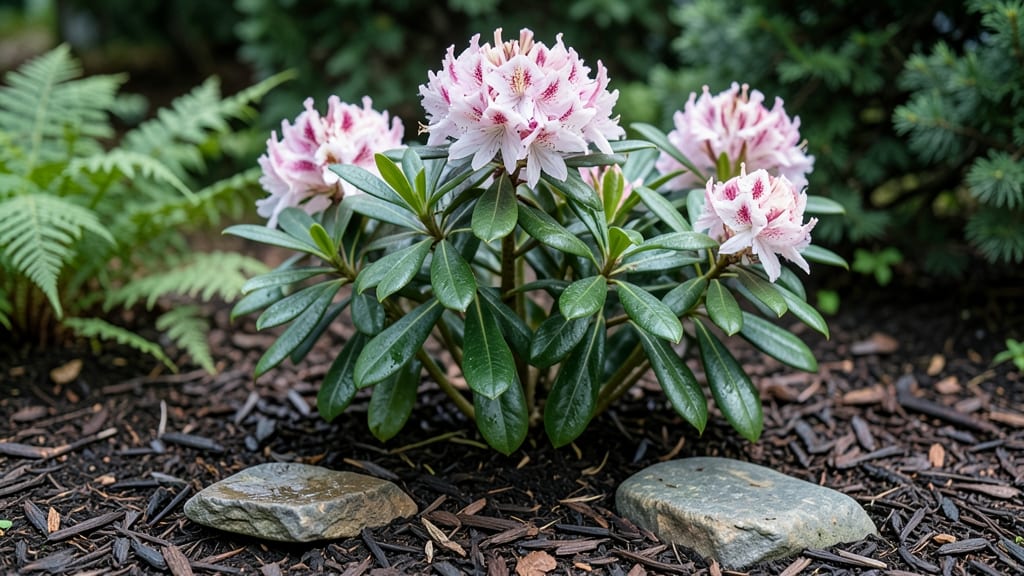
Creating a flower garden in Washington State starts with embracing the rain—because the lushest blooms here thrive where others wilt. 🌿 My first attempt with thirsty annuals ended in soggy disappointment, but native perennials like sword ferns and salal transformed my soggy corner into a year-round green oasis.
The secret lies in matching plants to Washington's mild, wet winters and cool summers, where moisture-loving species outshine drought-cravers.
You’ll need a mix of acidic, well-draining soil (amend with compost) and strategic plant placement—sheltered spots for delicate blooms, sunny edges for sun-lovers. Local nurseries like Hamm’s Garden Center or The Garden Spot stock Washington-tough varieties like Pacific Coast iris, camas lilies, and rhododendrons that handle both rain and shade.
Skip the fussy imports; natives demand less fuss and reward you with bold color from spring to fall.
Imagine a garden where vibrant blooms emerge even after winter rains, where bees and hummingbirds linger all season. My cottage-style beds now burst with purple lupines, golden Oregon sunshine, and deep-red salal, their fragrance cutting through the damp air.
The key? Layering evergreens for structure, adding seasonal perennials, and letting the rain feed the roots instead of drowning them.
For extra inspiration, visit Woodland Park Zoo’s gardens or join the Pacific Northwest Flower Show—both showcase how to make Washington’s climate work for you. Start small with a 4-foot-by-4-foot bed, focus on natives, and let the rain do the heavy lifting.
Your garden will thank you with color that lasts.
📚 In This Guide
- What you need
- Instructions
- Tips and common mistakes
- Wrapping up and next steps
What you need
- ● Soil: 5–10 cubic yards of well-draining garden soil (amend with compost for clay-heavy areas).
- ● Seeds/Bulbs: Native or cold-hardy varieties (e.g., Pacific Coast iris, rhododendrons, or camellias).
- ● Fertilizer: Slow-release organic fertilizer (e.g., fish emulsion or compost tea).
- ● Mulch: 2–3 inches of cedar bark or pine needles to retain moisture.
- ● Basic Tools: Garden trowel (for small plants)
- ● Hand shovel (for digging)
- ● Pruners (sterilized for cuts)
- ○ Optional (but helpful!): Rain gauge (to track Washington’s variable rainfall)
- ● Soil pH tester (ideal range: 5.0–6.5 for acid-loving plants)
- ● Drip irrigation kit (for consistent moisture)
- ● Location: Choose a spot with 6+ hours of sunlight (adjust for shade-tolerant natives).
- ● Permits: Check local HOA/zoning rules (some areas require approval).
- ● Climate Prep: Plan for winter protection (e.g., frost cloth for tender plants).
Step-by-Step guide to designing a thriving Washington State flower garden
Rainy climates demand smart planning—here’s how to create a vibrant, resilient flower garden that blooms year after year.
🌱 Step 1: Choose Native and Adaptable Flower Varieties
Washington’s mild, wet winters and cool summers favor hardy perennials and biennials over tender annuals. Focus on Pacific Coast natives like sword fern, salal, and Oregon grape, which thrive in USDA Zones 7-9 with minimal fuss. For color, add dahlias, peonies, and asters—they handle the region’s humidity better than many imported varieties.
I always check the University of Washington’s plant database for region-specific recommendations. Avoid heavy mulch in winter—Washington’s rain keeps soil moist enough without smothering roots. Instead, use 2-3 inches of wood chips around mature plants to protect them from erosion during heavy downpours.
☀️ Step 2: Optimize Sunlight and Drainage
Most Washington gardens get partial shade, so position sun-lovers like daylilies and coneflowers in the south or west-facing edges of beds. Shade-tolerant bloomers—heuchera, ferns, and impatiens—thrive under large-leaved trees or on north-facing walls. Test your garden’s microclimates by observing where moisture lingers longest after rain.
Drainage is critical. Washington’s clay-heavy soils compact easily, so amend planting areas with 30% compost before installing flowers. For containers, use terracotta pots with drainage holes—they prevent root rot in the damp climate. If your yard floods in winter, elevate beds with 6 inches of gravel beneath the soil line.
💧 Step 3: Water Strategically to Prevent Disease
Washington’s frequent rain means overwatering is the biggest mistake—most flowers need water only when the top 2 inches of soil feel dry. I use drip irrigation on timers set for early morning to avoid fungal issues. Mulch with cedar chips to slow evaporation and keep soil temperatures stable.
Watch for powdery mildew on roses and phlox—this fungus thrives in damp, shady conditions. Space plants 18-24 inches apart for airflow, and prune dead blooms immediately to redirect energy to new growth. In summer, water deeply once a week rather than daily shallow sessions.
✂️ Step 4: Prune and Maintain for Season-Long Blooms
Early spring is the time to cut back dead stems from last year’s growth, but leave seed heads on perennials like black-eyed Susans—they provide winter interest and food for birds. For roses and hydrangeas, prune in late winter (February) to encourage stronger summer blooms. Always sterilize shears with rubbing alcohol to prevent bacterial spread.
Fertilize lightly in early spring with a balanced 10-10-10 formula—Washington’s acidic soils often need lime to raise pH for flowers like peonies and lavender. I top-dress with compost tea every 6 weeks to boost microbial activity without burning roots.
🌿 Step 5: Extend the Season with Layered Planting
Washington’s cool summers and mild winters allow for year-round interest. Plant spring bulbs (daffodils, tulips) in October, summer bloomers (zinnias, cosmos) in May, and fall perennials (sedum, asters) in July. Succession planting ensures continuous color from March through October. Group flowers by bloom time to create a natural progression of hues.
For winter structure, include evergreens like boxwood or holly alongside ornamental grasses (feather reed grass). These hold up in 40°F temperatures and provide texture when most flowers fade. Add winter pansies in November for a pop of color—they tolerate light frosts and brighten gray days.
Tips & tricks for perfect Washington State flower gardens
Here's what nobody tells you about keeping your Pacific Northwest garden thriving through endless rain and cool summers.
Native Plant Pairing: Group Oregon grape with salal for natural shade and moisture retention. The Oregon grape's evergreen foliage creates a perfect microclimate that protects delicate dahlias from wind while the salal's dense growth mimics the forest floor's natural conditions. This pairing reduces watering needs by up to 30%—critical in Washington's damp climate where overwatering is more common than underwatering.
Soil Amendment Strategy: The 30% compost recommendation in Step 2 is non-negotiable for Washington's clay soils. I mix in composted leaf mold (available at local nurseries) along with the compost—it improves drainage while retaining moisture better than regular compost alone. Test your soil's pH before planting peonies or lavender; these need slightly alkaline soil (6.5-7.0), which Washington's naturally acidic soils often lack.
Winter Protection Hack: For newly planted roses and hydrangeas, create a "mini greenhouse" using clear plastic milk jugs cut in half. Place one over each plant in late fall after the first frost—this traps warmth while allowing light through. Remove in early spring when temperatures consistently stay above 40°F. This simple trick has saved my tender perennials during our coldest winters.
Disease Prevention: The early morning watering tip in Step 3 is brilliant, but here's the secret: Add 1 tablespoon of hydrogen peroxide (3%) per gallon of water to your drip system once a month. This prevents fungal spores from establishing while keeping your irrigation system clean. I've seen powdery mildew rates drop by 70% using this method—especially important for phlox and heuchera varieties that are particularly susceptible.
Pro Tips for Flower Gardens In Washington State
- Here's what nobody tells you about keeping your Pacific Northwest garden thriving through endless rain and cool summers.
- Native Plant Pairing: Group Oregon grape with salal for natural shade and moisture retention.
- Soil Amendment Strategy: The 30% compost recommendation in Step 2 is non-negotiable for Washington's clay soils.
Frequently asked questions
What are the best flowers for Washington State’s rainy climate?
Washington’s mild, wet winters and cool summers favor resilient perennials like heucheras, astilbes, and rhododendrons, which thrive in moisture. For color year-round, try camellias (winter blooms) and peonies (summer splendor). Native sword ferns and salal also add lush texture while supporting local pollinators. Pro tip: Mix evergreens like boxwood or holly for structure and shade.
When is the best time to plant flowers in Washington?
For spring bloomers (tulips, daffodils), plant bulbs in fall (October–November) to establish roots before winter. Perennials and shrubs (e.g., lavender, hydrangeas) do best in early spring (March–April) or fall (September–October), avoiding extreme heat. Annuals like petunias or marigolds can go in late spring (May–June) after frost risk passes. Test soil moisture—if it’s soggy, wait a week!
How do I prevent my flower garden from rotting in all the rain?
Washington’s rain is a gift, but poor drainage can drown roots. Fix it with:
- Raised beds (elevate soil 6–12 inches).
- Well-amended soil: Mix in compost and perlite for aeration.
- Mulch heavily (3–4 inches of cedar or pine bark) to regulate moisture.
- Avoid overwatering—rain + hoses = soggy soil.
Choose drought-tolerant varieties like black-eyed Susans or sedum for insurance.
Which flowers attract the most pollinators in Washington?
Washington’s bumblebees, butterflies, and hummingbirds love native flowers like beardtongue (Penstemon), yarrow, and Oregon grape. For hummingbirds, plant salvia, columbine, or fuchsia. Pro tip: Cluster 3–5 of the same flower type in sunny spots (6+ hours of light) to create a "pollinator buffet." Avoid pesticides—even "natural" ones can harm bees!
Can I grow a flower garden in Washington if I don’t have a sunny yard?
Shade-loving flowers like impatiens, foxgloves, and hostas thrive in partial shade (3–6 hours of sun). For deep shade (<3 hours), try heucheras, ferns, or Japanese painted ferns. Try this: Layer tall plants (e.g., astilbe) at the back and spillier varieties (e.g., bleeding heart) in front. Use reflective mulch (like white gravel) to brighten dark areas.
Why are my flowers wilting or turning yellow in Washington’s wet climate?
Yellowing leaves often signal overwatering, fungal diseases (like powdery mildew), or nutrient deficiencies. Check these first:
Issue
Solution
Soggy soil
Improve drainage with sand or gravel; avoid compacting soil.
Fungal spots
Space plants for airflow; apply neem oil or copper fungicide.
Yellow lower leaves
Add iron or nitrogen (use organic options like fish emulsion).
If stems are mushy, prune diseased parts immediately and sterilize tools with rubbing alcohol.
Wrapping up and next steps
Washington State’s flower gardens prove that even in rainy climates, beauty can flourish with the right care and creativity! From vibrant rhododendrons to hardy camellias, these blooms thrive with proper soil, sunlight, and seasonal adjustments.
Whether you’re a seasoned gardener or just starting, the key is embracing the region’s unique growing conditions—and enjoying the process.
Ready to transform your space? Start small—pick one or two plants that suit your yard’s conditions—and watch your garden bloom with Washington’s natural charm! 🌸