
Blooming
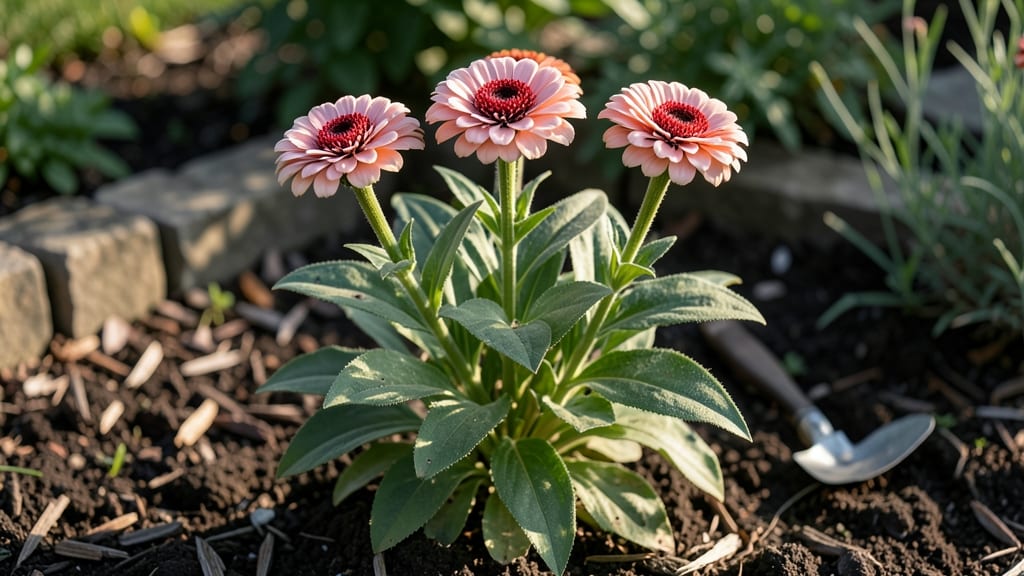
Double flowered zinnias burst into velvety blooms that look like they came straight from a florist’s bouquet—and they’ll fill your garden in just 60 days. 🌸 I’ve grown these showstoppers for years, and the secret to their lush, layered petals isn’t complicated: it’s about sunlight, consistent water, and a little pruning love.
These zinnias aren’t just pretty; they’re tough enough to handle summer heat while still putting on a nonstop floral display.
Their bold, dinner-plate-sized blooms thrive in full sun (at least 6-8 hours daily) and well-draining soil—even poor soil won’t stop them, though amending with compost gives extra vibrancy.
Plant seeds directly after your last frost, spacing them 12-18 inches apart, and watch them rocket to 3-4 feet tall in no time. The key to keeping them blooming? Deadhead spent flowers religiously—this trick forces them to pump out even more double-layered beauty all season long.
You’ll end up with a garden that feels like a living centerpiece, packed with zinnias in every color from fiery red to deep magenta. These flowers attract butterflies like crazy, and their long stems make perfect cut blooms that last 5-7 days in a vase.
Even better? They’re disease-resistant compared to single-flowered varieties, so you’ll spend less time fighting mildew and more time admiring the show.
Perfect for borders, containers, or cutting gardens—just give them space to spread and watch them transform your summer into a nonstop floral parade. Ready to grow zinnias that steal the show? Let’s get planting!
📚 In This Guide
- What you need
- Instructions
- Tips and common mistakes
- Wrapping up and next steps
What you need
- ● Seeds: Double flowered zinnia seeds (e.g., 'Double Hit', 'Crystal', or 'Benary’s Giant') – 1–2 packets (20–50 seeds per packet)
- ● Potting soil: Seed-starting mix or well-draining garden soil (sterilized if reusing) – 1–2 gallons per pot or 1 cubic yard per 100 sq ft in-ground
- ○ Containers (optional for early starts): Biodegradable pots (3–4" diameter) – 6–12 units
- ● OR seed trays with cell inserts (50+ cells)
- ● Fertilizer: Balanced, water-soluble fertilizer (10-10-10 or 5-5-5) – 1 tbsp per gallon of water
- ● Watering can or spray bottle (with fine mist setting for seeds)
- ● Gloves (gardening or nitrile for seed handling)
- ● Trowel or small shovel (for transplanting or in-ground planting)
- ● Pruning shears (for deadheading or shaping plants)
- ○ Stakes or cages (optional, for taller varieties like 'Benary’s Giant') – 1–2 per plant
- ● Mulch (straw or shredded leaves) – 2–3 inches thick (to retain moisture)
- ● Sunlight: Full sun (6+ hours daily) for optimal blooms
- ● Temperature: Warm soil (60°F+) for planting; zinnias thrive in 70–85°F ranges
- ● Spacing: Seedlings: 6–12 inches apart (check seed packet for variety specifics)
- ● Rows: 18–24 inches apart for in-ground planting
- ● Water access: Consistent moisture (avoid soggy soil)
- ● Grow lights (for indoor seed starting)
- ● Compost or worm castings (for nutrient boost)
- ● Slow-release fertilizer granules (mix into soil at planting)
- ● Drip irrigation system (for large gardens)
- ● Color-coded labels (to track varieties)
Step-by-step guide for planting double flowered zinnias
Here’s how to grow these showstopping blooms from seed to full, lush flowers.
🌱 Step 1: Start Seeds Indoors 6-8 Weeks Before Last Frost
Fill small seed trays with sterile seed-starting mix (not garden soil) and moisten it until damp but not soggy. Press the mix down lightly to remove air pockets—this helps roots establish faster. I like to use biodegradable pots because they let me transplant without disturbing delicate roots later.
Sow 2-3 seeds per cell at a depth of ¼ inch, just barely covering them. Zinnia seeds are tiny, so I use a toothpick to tap them into place gently. Mist the surface with water until evenly moist—don’t oversaturate, or the seeds may rot before germinating.
Place the tray in a warm spot (70-75°F) with bright, indirect light. A seedling heat mat speeds up germination, which typically takes 7-14 days. Keep the soil consistently moist but never waterlogged—you’ll know it’s right when the surface feels damp but not wet to the touch.
☀️ Step 2: Harden Off and Transplant Seedlings
Once seedlings have 2-3 true leaves (not just the initial seed leaves), start hardening them off. Move the trays outside for 1-2 hours on the first day, gradually increasing exposure over 7-10 days. This toughens the plants so they don’t get shocked when planted in the garden.
Choose a sunny spot with full sun (6+ hours daily) and well-draining soil. Zinnias hate soggy roots, so if your soil is heavy, mix in 2-3 inches of compost to improve drainage. Space seedlings 12-18 inches apart—they’ll grow bushy, so give them room to avoid crowding.
Transplant on a cloudy day or in the late afternoon to reduce stress. Water deeply right after planting to settle the soil around the roots. You’ll see new growth within 3-5 days—that’s your sign they’ve taken root.
💧 Step 3: Water and Fertilize for Continuous Blooms
Water zinnias at the base of the plant in the morning to prevent fungal diseases. Let the top inch of soil dry out between waterings—overwatering causes yellow leaves and weak stems. I use a drip irrigation system to keep moisture consistent without wetting the foliage.
Feed with a balanced liquid fertilizer (10-10-10) every 2-3 weeks once flowers start budding. Deadhead spent blooms regularly—this encourages more flowers and keeps the plants looking tidy. Pinch back leggy stems to promote bushier growth; you’ll notice new side shoots forming within 10-14 days.
Double-flowered zinnias are especially prone to powdery mildew in humid climates. If you see white spots on leaves, spray with neem oil and improve airflow by thinning crowded stems. A little prevention goes a long way—these flowers reward consistent care with nonstop color.
✂️ Step 4: Harvest and Extend the Season
Cut flowers in the early morning when buds are just opening for the longest vase life. Hold stems under lukewarm water for a few seconds to rehydrate before arranging. Zinnias make stunning cut flowers—expect 7-10 days of freshness indoors.
To prolong blooming, cut back faded stems to just above a set of leaves. This trick tells the plant to focus energy on new growth rather than seed production. In cooler climates, zinnias often rebloom in fall if given enough light and warmth.
Save seeds from your best-performing plants by letting a few flowers go to seed. Collect the dried seed heads in late fall, store them in a paper envelope, and label them. Next year, you’ll have a head start on these bold, cheerful blooms.
Tips & tricks for perfect double flowered zinnias
These simple strategies will help you grow showstopping zinnias that bloom bigger and last longer.
Germination Boost: The 70-75°F temperature range is key for germination, but if your home runs cooler, place the seed tray on top of your fridge (not inside) to maintain warmth. I've found that using a clear plastic dome over the tray creates a mini greenhouse effect, which can cut germination time from 14 days down to just 7 days. Just remember to remove the dome once sprouts appear to prevent mold.
Harden Off Smart: When you're gradually increasing outdoor exposure over 7-10 days, start with a shady spot before moving to full sun. I've seen seedlings get sunburned when moved too quickly—look for leaves that turn pale or develop brown spots. A good test is to touch the leaves; if they feel crispy, they're getting too much sun too soon.
Transplant Timing: That 3-5 day window for new growth after transplanting is your best indicator of success. If you don't see new growth within 5 days, gently tug on the plant—if it comes out easily, it didn't take root. Try watering more deeply next time, as sometimes the roots need extra moisture to establish. The 12-18 inch spacing is crucial too—crowded plants get weak stems and fewer blooms.
Fertilizer Frequency: The 2-3 week feeding schedule works well, but I've noticed zinnias respond better to lighter, more frequent feedings. Instead of using full strength 10-10-10 every 2-3 weeks, I dilute it to half strength and feed every 2 weeks. This prevents salt buildup in the soil that can actually harm the roots over time.
Pro Tips for Double Flowered Zinnias
- These simple strategies will help you grow showstopping zinnias that bloom bigger and last longer.
- Germination Boost: The 70-75°F temperature range is key for germination, but if your home runs cooler, place the seed tray on top of your fridge (not inside) to maintain warmth.
- Harden Off Smart: When you're gradually increasing outdoor exposure over 7-10 days, start with a shady spot before moving to full sun.
Frequently asked questions
Got questions about growing double flowered zinnias? You’re not alone! These showstoppers are easy to love but sometimes tricky to master. Below, we’ve rounded up the most common queries—from planting to pest control—to help you grow a garden bursting with bold, layered blooms.
How do I keep double flowered zinnias blooming all season?
Deadhead spent blooms regularly to encourage more flowers! Snip off faded heads with clean scissors or pinch them off by hand. For extra-long blooms, fertilize lightly with a balanced 10-10-10 formula every 3–4 weeks. Pro tip: Mulch around the base to retain moisture and deter weeds, which can stress your plants.
Why aren’t my double flowered zinnias blooming yet?
Patience is key—these zinnias often take 60–70 days to flower from seed! If they’re still leafy after that, check for these issues:
- Not enough sunlight: Zinnias need 6+ hours of direct sun daily.
- Overcrowding: Thin seedlings to 12–18 inches apart for better airflow.
- Cool temps: They thrive in 70–80°F; cooler weather delays blooms.
What pests or diseases should I watch for with double flowered zinnias?
These zinnias are generally pest-resistant, but keep an eye out for:
- Aphids or spider mites: Spray with water or use neem oil if you spot sticky leaves or tiny webs.
- Powdery mildew: Improve airflow and avoid overhead watering to prevent this white fungal dust.
- Japanese beetles: Handpick them early in the day or use row covers.
Can I grow double flowered zinnias in containers?
Choose a container at least 12 inches deep with drainage holes, and use a well-draining potting mix. Plant 2–3 zinnias per container to avoid overcrowding. Containers dry out faster, so water daily in hot weather and fertilize every 2 weeks. Bonus: Container-grown zinnias often bloom earlier than in-ground plants!
What’s the difference between single and double flowered zinnias?
Double flowered zinnias have extra layers of petals, giving them a lush, almost "pom-pom" look, while single varieties have a classic one-layered bloom with a visible center. Doubles are longer-lasting in bouquets (great for cutting!) but may produce slightly fewer blooms per stem than singles. Choose doubles for drama, singles for prolific flowers!
Do double flowered zinnias attract pollinators?
Yes! While their layered petals can make it harder for bees to access nectar, they still attract butterflies, hummingbirds, and beneficial insects. For extra pollinator power, plant them alongside single-flowered zinnias or other open-blooming flowers like marigolds or cosmos. Fun fact: The extra petals make them a favorite for cut flower arrangements too!
Wrapping up and next steps
Double flowered zinnias are a showstopper for any garden—packed with vibrant colors, easy care, and fast results! Whether you’re a beginner or seasoned gardener, these blooms prove that stunning flowers don’t require complicated steps. 🌸
Ready to transform your outdoor space? Start with seeds or transplants today—your garden will thank you with a cascade of bold, long-lasting blooms in just 60 days! Grab your supplies and dive in—your future floral masterpiece is waiting.