
Flowers
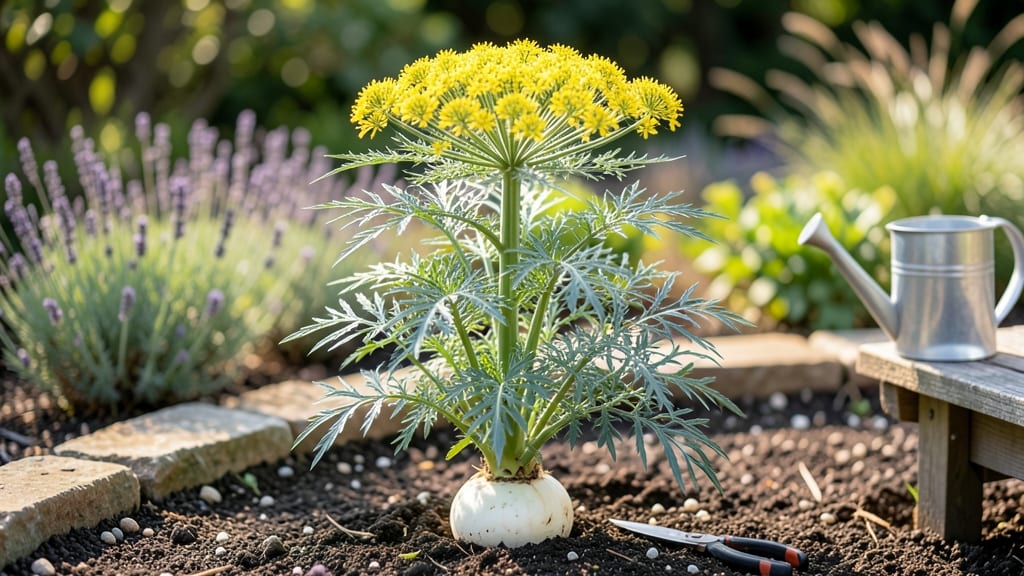
The dog fennel flower (Eupatorium canabinum) turns your garden into a buzzing haven for bees and butterflies—while filling the air with a sweet, spicy scent that lingers long after the blooms fade. 🌿 I’ve grown this hardy native plant for years, and it’s the one that never disappoints: drought-tolerant, deer-resistant, and packed with late-season color when other perennials call it quits.
The secret lies in its adaptability—thrive in full sun or partial shade, and it rewards you with foot-tall plumes of white or pink flowers that hum with activity from summer through frost.
Start with a spot that gets at least 6 hours of sunlight and soil that drains well—dog fennel hates soggy roots but thrives in poor, rocky ground where other plants struggle.
Plant seeds ¼ inch deep in early spring or divide established clumps in fall; they self-seed like crazy, so deadhead if you want to control their spread. Water lightly until established, then let nature take over—this plant drinks deep but rarely needs extra help once rooted.
The real magic happens in late summer when pollinators flock to its nectar-rich blooms, making it a must-have for wildlife gardens.
What sets dog fennel apart is its dual-purpose charm: it’s as beautiful as it is functional. Use it as a back-of-border statement plant, a cut flower for dried arrangements, or a living mulch to suppress weeds.
Just watch out for look-alikes like Joe-Pye weed (similar but taller) or giant ragweed (toxic and weedy)—dog fennel’s fuzzy stems and smooth leaves are dead giveaways. Once you’ve got it growing, you’ll wonder why you didn’t add it sooner.
From pollinator powerhouse to fragrant garden staple, dog fennel proves that low-maintenance plants can be high-impact. Whether you’re designing a native meadow, filling a sunny border, or just craving a plant that works as hard as you do, this one delivers.
Ready to invite more wings into your yard? Let’s get those seeds in the ground.
📚 In This Guide
- What you need
- Instructions
- Tips and common mistakes
- Wrapping up and next steps
What you need
- ● Dog fennel seeds (Eryngium spp.) – Choose a variety like Eryngium yuccifolium (rattlesnake master) or Eryngium planum (sea holly). Buy 1–2 seed packets (50–100 seeds) for a full patch.
- ● Well-draining soil – Amend heavy clay with compost or perlite (1 part per 3 parts soil) to prevent root rot.
- ● Sunlight access – A full-sun spot (6+ hours/day) is ideal, though partial shade works in hot climates.
- ● Watering can or hose – A gentle spray nozzle helps avoid disturbing seedlings.
- ● Garden trowel – For planting seeds or dividing clumps.
- ● Mulch (straw or pine needles) – 1–2 inches to retain moisture and deter weeds.
- ○ Pollinator-friendly companions (optional): Pair with bee balm, lavender, or black-eyed Susans for a buzzing garden!
- ● Pruning shears – To trim spent blooms and encourage regrowth.
How to cultivate dog fennel for pollinator-friendly fragrance
This hardy perennial thrives with minimal fuss and rewards you with intoxicating blooms that hummingbirds and bees adore.
🌱 Step 1: Select and Prepare the Planting Site
Dog fennel (Eryngium spp.) adores full sun for at least 6 hours daily and tolerates poor, rocky soil better than most perennials. Choose a spot where the fragrance can spread—its anise-scented foliage and lavender-blue flowers will perfume the air for months. I always test the soil pH first; dog fennel prefers neutral to slightly alkaline conditions (6.0-7.5). If your soil is acidic, amend with 1 pound of crushed limestone per 100 square feet and mix it into the top 6 inches of soil.
Loosen the soil to a depth of 12 inches with a broadfork or tiller, breaking up any compacted layers. Dog fennel has a deep taproot, so avoid heavy clay without amendment. If your site has poor drainage, raise beds by 4-6 inches to prevent root rot. Here's the thing—dog fennel grows wild in Mediterranean regions, so it thrives in dry, well-drained conditions. Overwatering is the fastest way to kill it.
☀️ Step 2: Plant at the Right Time and Depth
Plant bare-root seedlings or container-grown plants in early spring, 4-6 weeks before your last frost date, or in fall for a head start. The key is getting roots established before summer heat arrives. Dig a hole twice as wide as the root ball but only as deep—planting too deep suffocates the crown. For container-grown plants, remove the root ball and loosen the edges slightly to encourage outward growth.
Space plants 18-24 inches apart in rows 2-3 feet apart to allow for their eventual 2-3 foot spread. Press the soil firmly around the roots to eliminate air pockets, then water deeply to settle everything. You'll see new growth within 7-10 days if conditions are right. If planting in hot, dry climates, mulch with 2 inches of gravel or coarse sand to retain moisture without smothering the plant.
💧 Step 3: Water and Fertilize for Optimal Growth
Dog fennel is drought-tolerant once established, but young plants need consistent moisture for the first 2-3 months. Water deeply once a week, providing 1 inch of water per week. The soil should dry out between waterings—stick your finger 2 inches deep; if it feels dry, it's time to water. Overwatering leads to root rot, and dog fennel won’t forgive soggy soil.
Skip heavy fertilizers—dog fennel grows best in lean soil. In early spring, top-dress with ½ cup of 5-10-5 fertilizer per plant and scratch it into the top 2 inches of soil. This light feeding encourages strong foliage without promoting weak, leggy growth. Real talk: Dog fennel doesn’t need much. Too much nitrogen results in lush leaves but fewer flowers, and that’s the whole point of growing it.
✂️ Step 4: Prune and Maintain for Long-Lasting Blooms
Deadhead spent flower stems in late summer to encourage a second flush of blooms. Cut back one-third of the plant in early fall to tidy it up, but leave some foliage for winter interest. Dog fennel’s silvery-blue seed heads add texture to winter gardens. In early spring, trim back any dead or damaged growth, but avoid heavy pruning—this plant thrives on its natural, slightly wild appearance.
Watch for powdery mildew in humid climates—it’s the only real pest issue. If you spot white, powdery spots on leaves, spray with a 1:1 mixture of water and milk in the morning. The reason this works is that milk contains proteins that disrupt fungal spores. Here’s where it gets fun—dog fennel’s fragrance deters most pests naturally, so you’ll rarely need intervention.
🪴 Step 5: Divide and Propagate for Year-Round Spread
Every 3-4 years, dog fennel forms dense clumps and benefits from division. In early spring or fall, dig up the entire plant and separate the roots with a sharp knife. Replant the divisions immediately, spacing them 18-24 inches apart. This ensures vigorous regrowth and prevents the center from dying out. You’ll have 4-6 new plants from a single mature clump—perfect for sharing with pollinator-loving neighbors.
For even easier propagation, save the seed heads in late summer. Let them dry completely on the plant, then collect and store in a paper bag in a cool, dry place. Scatter seeds in late fall or early spring—they self-sow readily in well-drained soil. Watch for tiny seedlings in 3-4 weeks; they’re tough and grow fast once established.
Tips & tricks for perfect dog fennel cultivation
Confession: I skipped soil testing for years and wondered why my dog fennel never thrived. Here's what nobody tells you—this plant demands precision in its environment to reward you with those stunning pollinator-friendly blooms.
Site Selection: The 6 hours of full sun requirement isn't just about light—it's about heat. Dog fennel grows wild in Mediterranean climates where temperatures fluctuate dramatically between day and night. If your summers are consistently humid, consider planting in a location with afternoon shade to prevent stress. The fragrance will still spread, but the plants will be healthier and more resilient. I've found that planting near south-facing walls or fences creates a microclimate that mimics their natural habitat perfectly.
Planting Depth: When you're digging that hole twice as wide but only as deep as the root ball, here's the thing—dog fennel's crown (where stems meet roots) needs to sit just at soil level. Planting too deep suffocates it, while planting too shallow exposes it to drying winds. I use a simple trick: mark the depth on the root ball with a pencil before planting. This ensures consistent depth every time, which makes all the difference in establishment success.
Watering Wisdom: That 1 inch of water per week guideline is your golden rule, but timing matters just as much. Water in the early morning so foliage has all day to dry before evening. Wet leaves overnight create perfect conditions for powdery mildew, and while dog fennel is generally pest-resistant, you don't want to test its limits. I set a timer on my irrigation system for 15 minutes every Monday morning—consistent timing prevents both underwatering and overwatering.
Division Strategy: The 3-4 year division schedule might seem long, but here's why it works: dog fennel's deep taproot takes time to establish new growth after being disturbed. When you're ready to divide, focus on separating the outer clumps first—they'll establish more easily than the center. I've found that spring divisions (when new growth is just emerging) give you the best success rate, as the plants have the entire growing season to recover.
Pro Tips for Dog Fennel Flower
- Confession: I skipped soil testing for years and wondered why my dog fennel never thrived.
- Site Selection: The 6 hours of full sun requirement isn't just about light—it's about heat.
- Planting Depth: When you're digging that hole twice as wide but only as deep as the root ball, here's the thing—dog fennel's crown (where stems meet roots) needs to sit just at soil level.
Frequently asked questions
Is dog fennel toxic to dogs (or other pets)?
Yes, all parts of dog fennel (Eryngium spp.) are toxic to dogs if ingested in large amounts. While not as dangerous as foxglove or lilies, it can cause mild stomach upset, drooling, or lethargy. Keep pets away from the garden or opt for non-toxic pollinator favorites like bee balm or black-eyed Susans if you’re concerned.
How long does it take for dog fennel flowers to bloom after planting?
Patience pays off! From seed, dog fennel typically takes 60–90 days to bloom, depending on variety and growing conditions. If you’re transplanting seedlings, expect flowers in 4–6 weeks. For fastest results, choose established nursery plants—just ensure they’re hardy to your zone (most thrive in USDA zones 3–9).
Why aren’t bees or butterflies visiting my dog fennel?
Dog fennel’s steely-blue, thistle-like blooms are a magnet for pollinators, but a few factors might deter them:
- Timing: Plant in full sun (6+ hours/day) and ensure blooms appear in late spring to fall.
- Water stress: Drought can wilt flowers—water deeply 1–2x/week.
- Pesticides: Avoid chemicals; opt for neem oil or hand-picking pests.
- Alternatives: Pair with lavender or yarrow to attract more visitors.
Can I grow dog fennel in containers? Yes—but with a twist!
Dog fennel’s deep taproot needs 12+ inches of soil depth and a 5-gallon+ pot. Use well-draining soil (add perlite) and place in full sun. Dwarf varieties like ‘Blue Glow’ are ideal for containers. Just fertilize lightly (balanced 10-10-10) every 4–6 weeks to encourage blooms.
How do I dry or preserve dog fennel flowers for arrangements?
Dog fennel’s durable stems make it perfect for drying! Hang small bunches upside down in a cool, dark, well-ventilated space (like a closet) for 2–3 weeks. Once fully dry, store in an airtight container. For arrangements, trim stems at an angle and change water every 2 days—they’ll last 7–10 days in a vase!
Wrapping up and next steps
Dog fennel flowers aren’t just stunning pollinator magnets—they’re also low-maintenance, fragrant, and versatile additions to any garden. Whether you’re drawn to their year-round appeal, wildlife benefits, or easy-growing nature, these blooms deliver beauty and function without the fuss. 🌿✨
Ready to invite more bees, butterflies, and a touch of rustic charm into your space? Start small—plant a few seeds or a single clump—and watch your garden transform into a thriving haven. Happy gardening! 🌸