
Pests
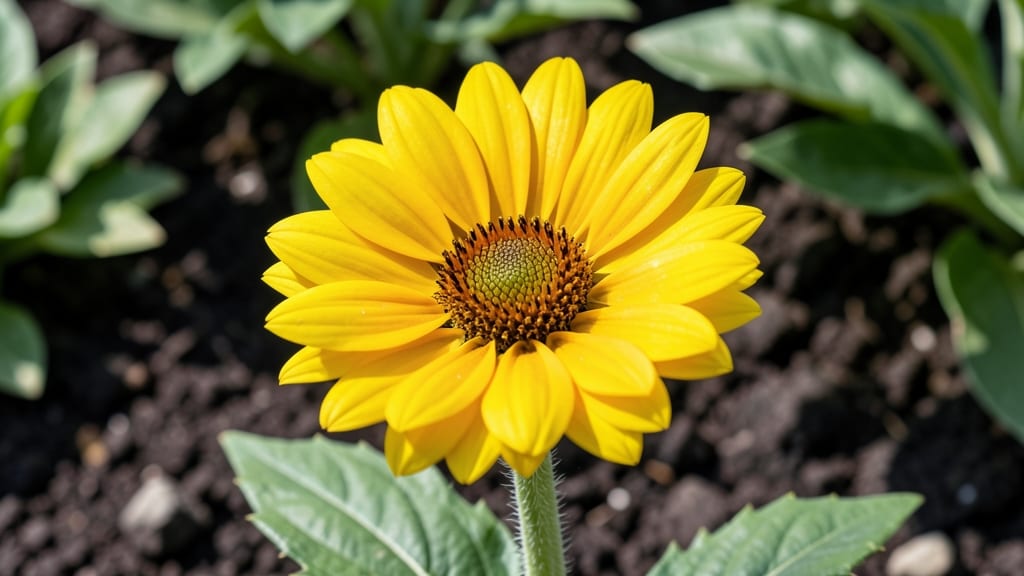
Deer-resistant perennial flowers in full sun don’t just survive—they thrive while keeping hungry browsers at bay. 🌿 I’ve tested these bold blue bloomers in my own yard, where deer used to devour everything in sight, and they’ve become my secret weapon for color without the constant nibbling.
The key is choosing tough plants with strong fragrances or fuzzy foliage that deer dislike. Plants like Russian sage, catmint, and salvia bring vibrant blues and purples while standing up to heat and drought. They’re perfect for sunny borders, wildflower meadows, or even container gardens where deer can’t reach.
By late summer, your garden will burst with deep blues and purples that attract pollinators while keeping deer away. These perennials multiply over time, reducing your workload and increasing their impact year after year.
Works in zones 4-9, making them versatile for most climates. Whether you’re revamping a tired border or adding color to a new landscape, these plants deliver both beauty and peace of mind.
📚 In This Guide
- What you need
- Instructions
- Tips and common mistakes
- Wrapping up and next steps
What you need
- ● Deer-resistant perennial flowers (sun-loving, blue-hued varieties): 10–20 plants of Salvia nemorosa (Purple Sage) – 6–12" tall, drought-tolerant
- ● 5–10 plants of Agastache (Hyssop) – 18–36" tall, fragrant foliage
- ● 5–8 plants of Lavandula (Lavender) – 12–24" tall, aromatic, deer-deterrent
- ● 3–5 plants of Catmint (Nepeta) – 18–36" tall, long-blooming
- ○ Optional: Russian Sage (Perovskia) – 36–48" tall, silvery foliage
- ● Soil amendments: 5 lbs compost or well-rotted manure (per 10 sq ft)
- ○ 1 lb slow-release fertilizer (10-10-10) (optional, for nutrient boost)
- ● Gardening tools: 1 garden trowel (for transplanting)
- ● 1 pruning shears (for shaping)
- ● 1 garden hose with spray nozzle (for watering)
- ● 1 gloves (to protect hands)
- ● Deer deterrents: 1–2 deer repellent sprays (like Liquid Fence or Plant Skydd)
- ● 1 motion-activated sprinkler (for larger gardens)
- ● Mulch: 2–3 bags wood chips or gravel (to retain moisture and deter pests)
- ● Support structures: 1–2 small stakes or cages (for taller perennials like Russian Sage)
Step-by-Step guide for planting deer-resistant perennial flowers in full sun
Here's how to create a vibrant, low-maintenance sun garden that deer won't touch.
🌱 Step 1: Choose the Right Blue-Blooming Perennials
Start with bold blue bloomers like catmint (Nepeta), Russian sage (Perovskia), or salvia (Salvia nemorosa). These tough perennials thrive in full sun and pack strong fragrances that deer dislike. I always pick varieties with silvery foliage—it adds texture and extra deer resistance.
Check plant tags for height and spread to plan spacing. For example, Russian sage grows 3-5 feet tall and spreads 2-3 feet wide, while catmint stays compact at 1-2 feet tall but spreads aggressively. Space accordingly to avoid overcrowding.
☀️ Step 2: Prepare the Sunniest Spot in Your Yard
Deer-resistant perennials demand 6+ hours of direct sun daily. Clear the area of weeds and loosen the soil to 12 inches deep—this helps roots establish quickly. Amend the soil with 2-3 inches of compost to improve drainage, which these sun-lovers crave.
Here's the thing—avoid low spots where water pools. Deer are less likely to browse soggy plants, but your perennials will struggle. Test your site by planting a temporary marker (like a tomato plant) for a week—if it thrives, your spot is perfect.
🪴 Step 3: Plant at the Right Depth and Spacing
Dig holes twice as wide as the root ball but only as deep as the container's base. Gently remove plants from pots and tease apart crowded roots. Place each plant so the top of the root ball sits level with the soil surface—burying too deep suffocates stems.
Space plants according to their mature size. For example, place Russian sage 3 feet apart in rows 4 feet apart for airflow. Water deeply right after planting to settle the soil and eliminate air pockets around roots. You'll see new growth within 2-3 weeks if conditions are right.
💧 Step 4: Water Deeply and Establish a Routine
Water once a week for the first month, soaking the soil to 12 inches deep. These perennials hate moisture stress, so let the top 2 inches of soil dry out between waterings. Overwatering leads to weak stems that deer find irresistible.
After the first month, cut back to watering every 10-14 days unless your area experiences extreme heat. Mulch with 2-3 inches of shredded bark to retain moisture and suppress weeds. Avoid organic mulches like grass clippings—they attract pests that weaken your plants.
✂️ Step 5: Prune Strategically to Encourage Regrowth
Cut back spent blooms in early summer to encourage a second flush of flowers. For Russian sage, trim back one-third of the plant in late winter to shape it and promote bushier growth. Catmint responds well to shearing after flowering—this keeps it compact and prevents it from flopping.
Real talk: Don't skip pruning. Unpruned perennials become leggy and less vigorous, making them more appealing to deer. Time your cuts for early spring or late winter when new growth is just starting—this jumpstarts healthy foliage for the season.
Tips & tricks for perfect deer-resistant sun gardens
Here's what nobody tells you about making your sun garden truly deer-proof while keeping it stunning.
Fragrance is Your Secret Weapon: The strong scents of catmint, Russian sage, and salvia naturally repel deer—but not all varieties work equally. Look for cultivars with the most intense fragrance, like 'Walker's Low' catmint or 'Blue Spire' Russian sage. I've found that planting these in clusters creates a scent barrier that deer instinctively avoid.
Soil Prep Makes All the Difference: In Step 2, that 12-inch soil loosening isn't just about roots—it's about creating an inhospitable environment for deer. Compacted soil can make plants more vulnerable. Add a handful of bone meal (optional) to the compost mix for an extra phosphorus boost that strengthens stems and makes them less appealing to browsers.
Spacing Strategy for Maximum Impact: When planting Russian sage 3 feet apart, think of it as creating a living fence. The 4-foot row spacing isn't just for airflow—it allows you to walk between plants without disturbing them, which is crucial for their resilience. For catmint, which spreads aggressively, consider planting it along borders where its ground-covering habit can create a natural barrier.
Watering Wisdom for Deer Resistance: The once-weekly watering for the first month isn't just about establishing roots—it's about building strong, fibrous stems that deer find unappealing. After that initial period, the 10-14 day watering schedule helps maintain that structural integrity. Pro tip: Water in the morning so foliage dries quickly, reducing the chance of fungal issues that can weaken plants and make them more vulnerable to deer browsing.
Pro Tips for Deer Resistant Perennial Flowers Sun
- Here's what nobody tells you about making your sun garden truly deer-proof while keeping it stunning.
- Fragrance is Your Secret Weapon: The strong scents of catmint, Russian sage, and salvia naturally repel deer—but not all varieties work equally.
- Soil Prep Makes All the Difference: In Step 2, that 12-inch soil loosening isn't just about roots—it's about creating an inhospitable environment for deer.
Frequently asked questions
Got questions about keeping deer away from your sunny perennial garden? Here are some of the most common concerns—and straightforward answers to help you thrive without the nibbles!
What makes a flower "deer-resistant" in the first place?
Deer-resistant plants typically have strong fragrances, fuzzy or prickly foliage, or bitter/milky sap that deer dislike. Bold blue perennials like salvia, catmint, or Russian sage often top the list because their scent and texture act as natural deterrents. That said, no plant is 100% foolproof—especially during harsh winters when food is scarce!
When is the best time to plant deer-resistant perennials in sunny areas?
The ideal window is early spring (after last frost) or early fall—when soil is workable but not scorching. Planting in fall gives roots time to establish before winter, while spring planting ensures blooms the first season. Avoid summer heat stress by watering deeply post-planting and mulching to retain moisture.
What if deer still munch on my "resistant" flowers?
Don’t panic! Try these low-effort fixes:
- Repellents: Spray foliage with soybean oil-based or garlic/rotten egg mixes (reapply after rain).
- Physical barriers: Use chicken wire or deer fencing (8+ feet tall) around prized plants.
- Distractions: Plant a "deer buffet" of clover or ornamental grasses farther from your garden to lure them away.
Pro tip: Move heavily browsed plants to a less accessible spot or pot them up for safety!
Are there any non-toxic alternatives to chemical deer repellents?
Skip the harsh chemicals and try these natural swaps:
- Essential oils: Mix 10 drops peppermint or lavender oil with water in a spray bottle. Reapply every 2–3 weeks.
- Homemade sprays: Blend hot peppers, garlic, and water (strain before use). Deer hate the capsaicin!
- Companion planting: Interplant deer-resistant perennials with alliums or marigolds—their scent confuses browsers.
Bonus: Rotate repellents seasonally to prevent deer from getting used to one scent.
Will deer-resistant flowers still bloom well in full sun?
Yes! Most deer-resistant perennials thrive in full sun (6+ hours daily), including blue salvia, bee balm, and coneflowers. Just ensure they’re planted in well-draining soil and watered deeply during dry spells. Overwatering can stress plants, making them less resilient to deer attacks—so strike that balance!
Wrapping up and next steps
Transforming your sunny garden into a deer-resistant paradise is easier than you think! With bold blue perennials like catmint, salvia, and Russian sage, you’re not just adding beauty—you’re sending a natural "keep out" signal to hungry browsers.
These tough, sun-loving plants thrive while keeping your garden safe, year after year.
Ready to take the next step? Start small—pick one or two perennials to test in a sunny spot, then expand as you see them flourish. Your garden (and the deer!) will thank you. 🌸✨