
Flowers
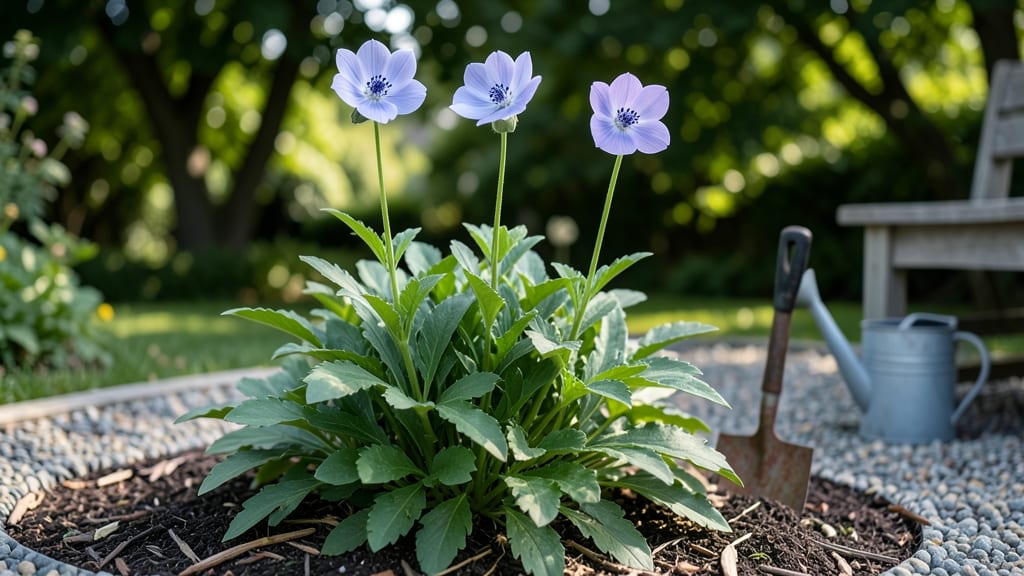
Growing platycodon balloon flowers transforms your garden into a sky-blue dream—those puffy buds that open into delicate, bell-shaped blooms are impossible to resist. 🌿 I remember the first time I saw them in a neighbor’s yard, and I knew they’d be my next obsession.
Their unique seed pods add texture long after the flowers fade, making them a standout perennial.
The secret to their success lies in well-draining soil and consistent moisture, but they’re surprisingly forgiving once established. You’ll need a spot with 4-6 hours of morning sun to prevent afternoon wilting, and a light hand with fertilizer—they thrive on neglect once happy.
Most gardeners plant them in early spring or fall, and within 6-8 weeks, you’ll see those iconic blue-green buds forming.
What makes them special is how they perform: bold, long-lasting blooms from midsummer to fall, followed by those whimsical seed pods that look like tiny lanterns. Even after the flowers fade, the foliage stays tidy and attractive, making them a low-maintenance star.
Prune spent blooms to encourage more flowers, and watch as your garden fills with color that rivals bluebells.
Perfect for borders, cottage gardens, or even containers—they adapt well to different settings. With the right care, you’ll have a perennial that keeps giving year after year, proving that some flowers are worth the wait. Let’s get those roots in the ground!
📚 In This Guide
- What you need
- Instructions
- Tips and common mistakes
- Wrapping up and next steps
What you need
- ● Platycodon seeds or seedlings: Choose from varieties like Platycodon grandiflorus (common balloon flower) or Platycodon grandiflorus 'Mariesii' (for vibrant blues). Pro tip: Seeds may take longer to bloom, so seedlings (1-2 plants) are ideal for quicker results! 🌸
- ● Well-draining potting mix: 1-2 bags (10-12 quarts each) of a light, airy blend (e.g., 60% peat moss, 30% perlite, 10% compost). Avoid heavy clay soil—platycodons hate soggy roots! 💧
- ○ Containers or garden bed: For containers: 5-7 inch pots (1-2 per plant) with drainage holes. Optional: Self-watering pots for low-maintenance care! 🏺
- ● For in-ground planting: A sunny spot (6+ hours of light) with loose, fertile soil. Amend clay soil with 1 part sand per 2 parts garden soil.
- ● Slow-release fertilizer: 1 packet (e.g., 10-10-10 NPK ratio) to mix into the soil or use as a top-dressing every 2-3 months.
- ● Garden trowel or small hand shovel: For transplanting seedlings or digging holes (5-7 inches deep).
- ● Watering can or hose with a gentle spray nozzle: Platycodons prefer consistent moisture but hate waterlogged roots.
- ● Pruning shears: To deadhead spent blooms (encourages more flowers!) and trim leggy stems.
- ○ Gloves (optional): Protect your hands from prickly stems or soil.
- ● Patience: Seeds may take 1-2 years to bloom, while seedlings can flower in the first year.
- ● Cold tolerance: Platycodons thrive in USDA Zones 3-9. If you’re in a warmer zone, grow them as annuals or in containers.
- ● Sunlight commitment: At least 4-6 hours of direct sun daily for vibrant blooms.
Step-by-step instructions for cultivating platycodon balloon flowers
Here's the foolproof method I use to coax those iconic blue blooms from stubborn seeds and transplants.
🌱 Step 1: Choose the Perfect Planting Site
Platycodon thrives in partial shade—think dappled sunlight with 4-6 hours of morning light maximum. A spot under deciduous trees works perfectly, as the canopy filters harsh afternoon rays. Here's the thing—these plants despise soggy roots, so avoid low-lying areas where water pools after rain.
Test your soil's drainage by digging a 6-inch deep hole. If water doesn't drain within 15-20 minutes, amend with 2-3 inches of compost and a handful of perlite to loosen the mix. Platycodon's native habitat is rocky, so well-draining soil mimics those conditions beautifully.
☀️ Step 2: Plant at the Right Time and Depth
For seeds, sow 4-6 weeks before your last frost date in spring. Press them just ¼ inch deep—any deeper and they'll struggle to surface. I like to use a seed-starting mix in small pots first, then transplant seedlings after 6-8 weeks when they show 2-3 true leaves. Transplants can go straight into the garden in early spring or fall.
When planting mature roots, space them 12-18 inches apart in rows 18-24 inches apart. Dig holes twice as wide as the root ball but only as deep as the container. The crown (where roots meet stems) should sit just below soil level—burying it too deep invites rot, while leaving it exposed causes stress.
💧 Step 3: Water and Fertilize for Strong Growth
Water deeply once a week during the first growing season, aiming for 1 inch of water per week. You'll know you've got it right when the top 2 inches of soil feel moist but not saturated. Platycodon's deep roots hate surface moisture, so water at the base rather than overhead.
Feed lightly in spring with a balanced 10-10-10 fertilizer at half-strength. I skip summer feeding—too much nitrogen now encourages leafy growth at the expense of those signature blooms. Instead, top-dress with 1 inch of compost in early fall to build soil fertility naturally.
✂️ Step 4: Deadhead and Prune for Continuous Blooms
Cut back faded flower stalks to the first set of leaves immediately after blooming. This redirects energy to new buds rather than seed production. I do this weekly during the June-August bloom period—you'll see fresh buds forming within 2-3 weeks of pruning.
In late fall, cut back the entire plant to 2-3 inches above ground level. This prevents flopping and encourages a tidy, compact growth habit next season. Mulch heavily with 2-3 inches of shredded leaves to protect roots from winter freeze-thaw cycles.
🌿 Step 5: Overwinter and Prepare for Next Season
Platycodon's dormant period is crucial—don't disturb the plants until late winter when new shoots appear. I mark their locations with small flags so I don't accidentally dig them up during spring cleanup.
In early spring, remove old mulch and add 1 inch of fresh compost around the base. You'll see fresh growth within 3-4 weeks—that's your signal to resume regular watering. Here's where it gets fun: the plant's second year often produces even more dramatic blooms than the first.
Tips & tricks for perfect platycodon balloon flower cultivation
These insider tricks will help you transform stubborn seeds into showstopping blue blooms that rival bluebells.
Soil Test Secret: The 15-20 minute drainage test is your golden rule—this mimics Platycodon's native rocky habitat where water quickly drains away. If your soil fails this test, mix in that 2-3 inches of compost and handful of perlite right into the hole before planting. The goal is to create a sponge-like texture that holds moisture without suffocating roots. I've seen plants struggle in amended garden beds where the topsoil drains fine but the subsoil remains compacted.
Transplant Timing: Those 6-8 weeks until transplanting seedlings might feel like forever, but patience pays off. The 2-3 true leaves stage ensures roots have developed enough to handle garden conditions. Here's what nobody tells you—harden off seedlings gradually by moving them to outdoor shade for 2 hours daily in the week before transplanting. This toughens their cell walls and prevents transplant shock when you finally move them to their permanent home.
Fertilizer Strategy: The half-strength 10-10-10 application in spring is crucial, but timing matters more than you'd think. I apply mine right after the first true leaves appear—not before. This ensures the plant's energy goes into establishing roots rather than leafy growth. And that fall compost top-dressing? Spread it when soil temps drop below 60°F—this prevents nutrient burn during summer's heat.
Pruning Precision: When you're cutting back those faded flower stalks to the first set of leaves, think of it as redirecting energy like a garden traffic cop. The 2-3 week window for new buds to form is your reward for this simple act. Pro tip: Use clean, sharp pruners and make cuts at a 45-degree angle just above a leaf node. This prevents water from pooling on the cut and reduces disease risk.
Pro Tips for Platycodon Balloon Flower
- These insider tricks will help you transform stubborn seeds into showstopping blue blooms that rival bluebells.
- Soil Test Secret: The 15-20 minute drainage test is your golden rule—this mimics Platycodon's native rocky habitat where water quickly drains away.
- Transplant Timing: Those 6-8 weeks until transplanting seedlings might feel like forever, but patience pays off.
Frequently asked questions
Got questions about growing platycodon balloon flowers? You’re not alone! Here are answers to the most common queries—whether you're a beginner or just want to troubleshoot a tricky spot.
How do I encourage my platycodon to bloom more?
Balloon flowers thrive with full sun (6+ hours daily) and well-draining soil. Deadhead spent blooms promptly to redirect energy into new flowers. For extra blooms, fertilize lightly with a balanced 10-10-10 formula in early spring and mid-summer. Overcrowding? Thin plants to 12–18 inches apart for better airflow and growth.
When is the best time to plant platycodon?
Plant bare-root platycodon in early spring (after the last frost) or early fall (6–8 weeks before frost). Container-grown plants can go in anytime, but avoid extreme heat. Pro tip: Soak roots in water for 1–2 hours before planting to reduce transplant shock!
Why aren’t my balloon flowers opening?
Unopened buds often signal stress. Check for:
- Too much shade—move to sunnier spot.
- Overwatering—let soil dry slightly between waterings.
- Nutrient deficiency—add compost or a phosphorus-rich fertilizer (like 5-10-5).
- Cold snaps—they need consistent warmth to open.
Can platycodon grow in containers?
Choose a container at least 12 inches deep with drainage holes. Use a light, airy potting mix (add perlite or sand). Dwarf varieties (like ‘Little Bell’) work best. Fertilize monthly in growing season and water consistently—containers dry out faster. Bonus: Move pots to shade if temps exceed 90°F.
What pests should I watch for with platycodon?
Balloon flowers are generally pest-resistant, but keep an eye out for:
- Slugs/snails—use copper barriers or beer traps.
- Aphids—spray with soapy water or introduce ladybugs.
- Japanese beetles—handpick or use neem oil.
What flowers pair well with platycodon?
Balloon flowers play nicely with:
- Grasses (like Miscanthus) for texture.
- Salvias (purple/blue hues echo their color).
- Coreopsis (golden yellow for contrast).
- Hostas (for shade-loving companions).
Wrapping up and next steps
The platycodon balloon flower is a stunning, low-maintenance gem that brings vibrant blue blooms to any garden—whether you're a seasoned gardener or just starting out! 🌸 With the right care, these cheerful flowers will reward you with months of color and even edible buds for culinary adventures.
Ready to transform your space?
Your next step? Pick a sunny spot, grab your seeds or bulbs, and get planting! Whether you’re adding them to borders, containers, or cutting gardens, these resilient beauties will thrive—and so will your gardening confidence. Happy growing! 🌱