
Pruning
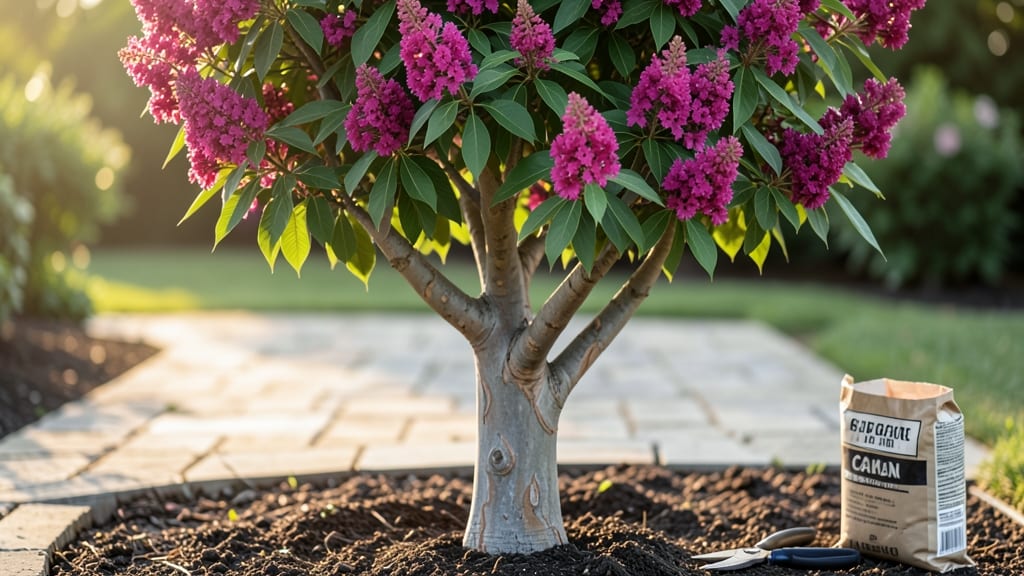
Your crape myrtle flowering tree could be bursting with color for three months instead of two—if you prune it the right way. I’ve spent years watching these trees go from lackluster to showstopping, all thanks to a few simple cuts made at the right time.
The secret isn’t complicated: it’s about removing old wood, shaping for airflow, and encouraging fresh growth where it matters most.
Most gardeners overlook pruning crape myrtles because they fear damaging the blooms, but the opposite is true. This tree thrives when you thin out crowded branches and remove dead wood in late winter or early spring.
You’ll need basic pruning shears, gloves, and about 30 minutes for a mature tree. The payoff? Vibrant blooms that start earlier and last longer, plus stronger stems that resist storm damage.
What you’ll end up with is a tree that looks like it belongs in a botanical garden, not just your backyard. The flowers—those delicate, paper-like clusters—will be denser and more uniform, and the bark will develop that classic crape myrtle texture.
Plus, you’ll skip the heartbreak of seeing next year’s buds hidden under last year’s dead growth. Ready to transform your tree?
This method works for all crape myrtle varieties, from dwarf types to towering specimens, and adapts easily to different climates. Whether you’re in the humid South or a milder zone, the principles stay the same. Let’s get those shears sharp and make next summer the best one yet.
📚 In This Guide
- What you need
- Instructions
- Tips and common mistakes
- Wrapping up and next steps
What you need
- ● Pruning shears: Bypass pruners (for clean cuts on small branches, 5–7 inches long). Anvil pruners (budget-friendly but can crush stems).
- ● Loppers: Bypass loppers (for branches ½–2 inches thick, 8–12 inches long).
- ● Pruning saw: Hand saw with a curved blade (for thick branches 2+ inches in diameter).
- ● Disinfectant: 70% isopropyl alcohol or bleach solution (1 part bleach to 9 parts water) to sterilize tools and prevent disease.
- ● Gloves: Heavy-duty gardening gloves (to protect hands from thorns and sap).
- ● Safety gear: Safety glasses (if working near the face) and closed-toe shoes (for stability).
- ● Trash bags: Heavy-duty contractor bags (for collecting pruned branches).
- ● Extension pole: Adjustable pruning saw or loppers (for hard-to-reach branches).
- ● Tree wound dressing: Pruning sealant (controversial—skip if unsure; crape myrtles heal well without it!).
- ● Marking twine or flags: Bright-colored twine or stakes (to tag branches for future reference).
- ● Step stool or ladder: Sturdy, non-slip stool (for taller trees—never use a chair!).
- ● Notebook or app: Garden journal or pruning app (to track growth and pruning dates).
How to prune a crape myrtle for vibrant blooms and healthy growth
Here's the simple, science-backed approach I use every year to keep my crape myrtles flowering beautifully.
✂️ Step 1: Time Your Pruning for Maximum Impact
Crape myrtles bloom on new wood, so the best time to prune is late winter or early spring, just as buds begin to swell. This gives the tree plenty of time to develop fresh growth and flower buds before summer. Avoid pruning in fall or winter when the tree is dormant—you'll cut off next year's blooms before they form.
Look for the first signs of bud swell, which appear as small, rounded bumps along the branches. When you see these, your tree is ready. If you miss this window, wait until after flowering to do any necessary cleanup pruning, but avoid heavy pruning then—it removes potential next-year blooms.
✂️ Step 2: Remove Dead, Diseased, or Weak Branches First
Start by removing any branches that are dead, diseased, or crossing each other. Use clean, sharp pruning shears to make cuts at a 45-degree angle, about ¼ inch above a leaf bud or lateral branch. This prevents water from pooling and rotting the wound. Dead branches will be brittle and snap easily when you bend them.
For diseased branches, sterilize your shears between cuts with rubbing alcohol to prevent spreading pathogens. You'll know a branch is diseased if it has blackened or oozing spots, unusual discoloration, or fungal growth. Remove these completely down to the trunk or healthy wood—never leave stubs.
✂️ Step 3: Thin the Canopy for Better Airflow and Light
Next, thin out the interior branches to improve airflow and light penetration. Remove about 20-30% of the canopy by selecting branches that are growing inward or rubbing against others. Focus on branches that originate from the lower half of the tree to encourage an open, vase-like shape that's easier to maintain.
Look for branches that are growing straight up from the trunk—they often block light and create dense, shaded areas where pests and diseases thrive. Cut these back to a lateral branch or bud. You'll see the difference immediately as sunlight reaches the center of the tree, which encourages stronger growth and more blooms.
✂️ Step 4: Shape the Tree for Long-Lasting Blooms
Now it's time to shape the tree by pruning back the outer branches to encourage a more compact, bushy form. Cut back the tips of the main branches by about ⅓ to ½ their length to stimulate branching and flowering. Avoid "topping" the tree by cutting back to a single point—this creates weak, leggy growth and fewer blooms.
For a more natural look, make your cuts just above a leaf bud or lateral branch. You'll notice the tree develops a fuller, more balanced shape over time. This also prevents the tree from growing too tall too quickly, making it easier to maintain and enjoy its flowers at eye level.
✂️ Step 5: Clean Up and Monitor for New Growth
After pruning, remove all fallen branches and debris from the area to reduce the risk of disease. Sterilize your tools again with rubbing alcohol to prevent spreading any pathogens. Finally, water the tree deeply to help it recover from the pruning stress and encourage new growth.
Watch for fresh, green shoots emerging from the pruned areas within 2-4 weeks. This is your signal that the tree is responding well. If you see no new growth after 6 weeks, the pruning may have been too severe, and you'll need to adjust your approach next year. Keep an eye on the tree throughout the growing season for any signs of stress or disease.
Tips & tricks for perfect crape myrtle pruning
Here's what I wish I knew when I first pruned my crape myrtles—these simple tricks make all the difference for vibrant blooms.
Timing is Everything: In Step 1, those bud swell signs are your green light to prune. I learned this the hard way after cutting back too early in winter and losing next year's flowers. If you're unsure, do a quick scratch test—scratch the bark gently; if green shows, it's ready. For late bloomers, wait until after the first frost to avoid winter damage.
Cutting Technique Matters: When you're making those 45-degree cuts in Step 2, here's the secret: always cut just above a leaf bud or lateral branch. I used to make random cuts, and the tree would grow back unevenly. Look for the tiny bump where new growth will emerge—this ensures clean, healthy regrowth. For thicker branches, use your pruning saw to avoid tearing the bark.
Canopy Pruning Strategy: In Step 3, removing 20-30% of the canopy might sound aggressive, but trust me—it's what creates that open, airy look. Focus on the lower branches first; this opens up the center for sunlight and prevents that "Christmas tree" shape. I now mark the branches I'll remove with a piece of tape before cutting to visualize the final shape.
Monitoring Growth: After pruning, those 2-4 weeks for new shoots are critical. If you don't see growth by week 6, you might have pruned too aggressively. I keep a small notebook by my pruning tools to track when I pruned and what the weather was like—this helps me adjust next year. A light layer of mulch after pruning helps retain moisture for those new shoots.
Pro Tips for Crape Myrtle Flowering Tree
- Here's what I wish I knew when I first pruned my crape myrtles—these simple tricks make all the difference for vibrant blooms.
- Timing is Everything: In Step 1, those bud swell signs are your green light to prune.
- Cutting Technique Matters: When you're making those 45-degree cuts in Step 2, here's the secret: always cut just above a leaf bud or lateral branch.
Frequently asked questions
Got questions about keeping your crape myrtle flowering tree vibrant and healthy? Here are some of the most common ones—plus expert answers to help you prune like a pro!
When is the best time to prune my crape myrtle?
The ideal time to prune is late winter or early spring (before new growth starts). Avoid pruning in fall or winter, as this can stimulate tender growth that may be damaged by cold. Light shaping can be done after flowering, but avoid heavy cuts then—you’ll miss next year’s blooms!
Can I prune my crape myrtle too much?
Over-pruning—especially cutting into old wood—can reduce flowering and weaken the tree. Stick to removing only dead, diseased, or crossing branches and avoid "topping" (cutting back to stubs). Aim to remove no more than 25-30% of the canopy at once.
Why isn’t my crape myrtle flowering this year?
Lack of blooms often stems from over-pruning (cutting into old wood) or poor nutrition. Ensure you’re pruning correctly and fertilizing with a balanced, slow-release fertilizer in early spring. Also, check for pests or disease—stressed trees bloom less.
Are there alternatives to crape myrtles for long-lasting flowers?
Yes! If you love vibrant blooms, consider Japanese lilac, abelia, or butterfly bush—all thrive in similar conditions. For a tree with bold flowers, royal poinciana or coral tree are stunning (but frost-sensitive). Match your climate and sunlight needs to pick the best fit!
How do I prevent "crape murder" (over-pruning)?
"Crape murder" happens when trees are sheared or topped, leading to weak growth and fewer flowers. Skip the hedge trimmer! Instead, use hand pruners or loppers to remove branches at the branch collar (the swollen area where the branch meets the trunk). Focus on shape and structure, not uniformity.
Still stumped? Drop your crape myrtle care questions in the comments—we’re happy to help!
Wrapping up and next steps
Transforming your crape myrtle into a vibrant, healthy showstopper is easier than you think! With the right pruning techniques—like timing your cuts, removing dead wood, and encouraging airflow—you’ll unlock seasons of stunning blooms and robust growth. 🌸
Ready to give your tree the care it deserves? Grab your tools, mark your calendar, and start pruning today! Your future self—and your neighbors—will thank you for the breathtaking results. 🌿✨