
Shrubs
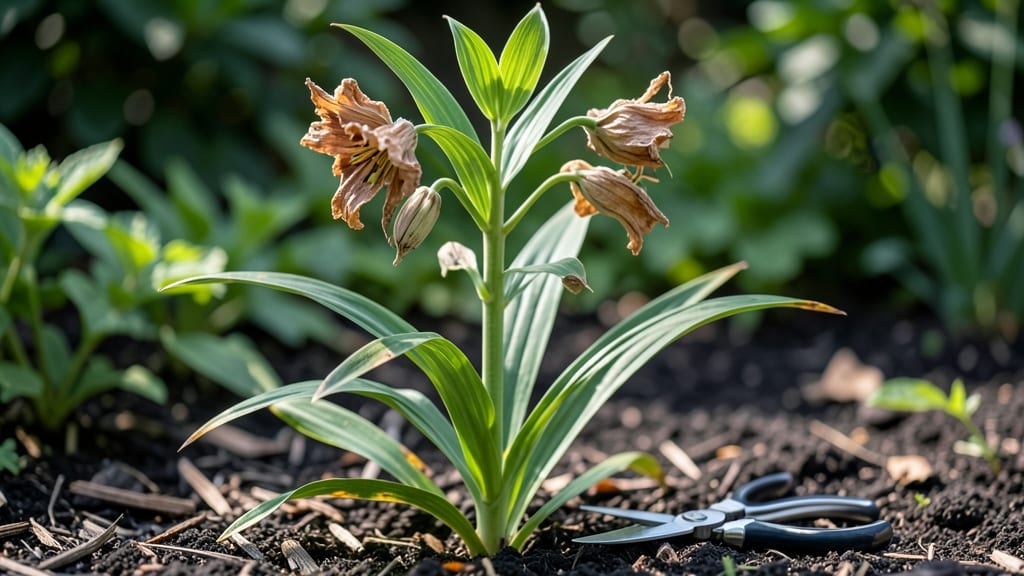
Proper lily care after flowering is the secret to strong stems and next year’s bold blooms—don’t make my mistake of rushing the cleanup. 🌸 I’ve learned the hard way that cutting back too soon or fertilizing at the wrong time can stunt regrowth, but these simple steps ensure your plants store energy for next year’s showstopper flowers.
The key moves start with deadheading spent blooms to redirect energy into the bulb, followed by a light feeding of balanced fertilizer (10-10-10) to support leaf growth. Most gardeners overlook how critical this 6-8 week recovery period is—skipping it means smaller blooms or no flowers at all.
Watering shifts too: keep soil moist but not soggy until foliage yellows naturally, then taper off completely.
By late summer, your lilies will be storing nutrients underground, setting the stage for next spring’s blooms. Asiatic lilies rebloom more reliably than Orientals, but both varieties reward patience with stronger stems and bigger flowers the following season.
The secret? Let those leaves yellow fully—they’re the plant’s solar panels, fueling next year’s show.
Common mistakes like over-fertilizing or cutting back too early can weaken bulbs, but these adjustments make reblooming foolproof. Whether you’re growing in garden beds or containers, the same principles apply—just scale the fertilizer and water accordingly. Ready to keep your lilies coming back bigger and better?
📚 In This Guide
- What you need
- Instructions
- Tips and common mistakes
- Wrapping up and next steps
What you need
- ● Pruning shears – Bypass pruners (sharp, 6-8” blades) for clean cuts.
- ● Gloves – Garden gloves (nitrile-coated for durability) to protect from sap and thorns.
- ● Disinfectant spray – 70% isopropyl alcohol or diluted bleach solution (1:9 ratio) to sterilize tools.
- ● Compost or mulch – Well-aged compost or organic mulch (2-3 inches) for soil enrichment.
- ● Fertilizer – Balanced, slow-release fertilizer (10-10-10 or 5-5-5 NPK ratio) or organic options like bone meal or fish emulsion.
- ● Watering can or hose – With a gentle spray nozzle for hydration.
- ○ Stake or support (optional) – Bamboo stakes or plant ties if lilies are top-heavy.
- ● Epsom salt – 1 tbsp per gallon of water for magnesium boost (great for yellowing leaves).
- ● Plant food with micronutrients – Look for iron or manganese if leaves look pale.
- ● Soil tester kit – To check pH (ideal: 6.1–7.0 for most lilies).
- ● Mulch mat or landscape fabric – To suppress weeds and retain moisture.
Step-by-Step guide to reviving lilies after bloom
Here’s how to keep your lilies thriving—and even reblooming—after their stunning display.
🌿 Step 1: Deadhead Spent Blooms Immediately
Snip off the faded flower stalks down to the first set of healthy leaves using clean, sharp pruners. This prevents the plant from wasting energy on seed production, redirecting it toward root and foliage growth instead. I always make the cut at a 45-degree angle just above a leaf node—this encourages new growth from that point.
If you’re growing hardy lilies like Asiatic or Oriental varieties, you can leave the foliage intact. The leaves will continue photosynthesizing for several weeks, feeding the bulb for next year’s bloom. For tropical lilies, you’ll want to remove the entire flower stalk at the base—these plants store less energy in their bulbs and need a cleaner cut to avoid disease.
✂️ Step 2: Prune Foliage Strategically
Wait until the leaves turn completely yellow and crispy before cutting them back. This is your signal that the bulb has fully recharged its energy reserves for next season. Never remove green foliage prematurely—it’s the plant’s lifeline for storing nutrients.
When the leaves are fully brown, trim them back to within 1-2 inches of the ground. Use sharp pruners to avoid tearing the stems, which can introduce pathogens. I like to leave a tiny bit of stubble because it protects the bulb from sudden temperature shifts and keeps the soil insulated during winter.
💧 Step 3: Adjust Watering for Post-Bloom Recovery
Reduce watering gradually over the next 4-6 weeks as the foliage dies back. Let the top 2 inches of soil dry out between waterings—overwatering now can cause bulb rot. I switch to a drip irrigation system or soaker hose to deliver moisture directly to the roots without wetting the foliage, which minimizes disease risk.
For container-grown lilies, reduce watering even more aggressively. Pots dry out faster, and soggy soil is a recipe for bulb rot. If your lily’s leaves start yellowing prematurely, it’s often a sign of overwatering rather than nutrient depletion. At this stage, less is always more—your goal is to let the bulb rest and rebuild.
☀️ Step 4: Feed and Protect for Next Season
Apply a balanced, slow-release fertilizer (like 10-10-10) in early fall to replenish nutrients the plant used during flowering. I scatter the granules around the base of the plant and water them in lightly. Avoid high-nitrogen fertilizers now—they encourage leafy growth at the expense of bulb development.
Mulch the base with 2-3 inches of organic mulch (like shredded bark) to insulate the bulbs over winter. This protects them from freezing temperatures and keeps the soil moist without suffocating the plant. In colder climates, I add an extra layer of mulch once the ground freezes to prevent heaving, which can damage bulb roots.
Tips & tricks for perfect lily care after flowering
Took me years to figure out these simple tricks—your lilies will thank you next spring.
Precision Cutting in Step 1: When deadheading, make your 45-degree cut just above a leaf node using sterilized pruners. I use rubbing alcohol to wipe them down between cuts—this prevents bacterial transfer between plants. For tropical lilies, remove the entire stalk at the base to avoid disease buildup in the bulb's neck. The cleaner the cut, the healthier the regrowth.
Leaf Color Cues in Step 2: Wait until leaves are completely crispy and brown before cutting them back—this is your plant's way of saying "I'm done photosynthesizing for the year." I test by gently tugging a leaf; if it snaps easily, it's ready. Leaving green foliage too long can actually weaken the bulb by forcing it to keep feeding leaves when it should be storing energy.
Watering Strategy in Step 3: The 4-6 week water reduction period is critical—think of it as a controlled drought. I switch to a moisture meter to check soil dryness at the 2-inch mark. Overwatering now is the #1 killer of dormant bulbs. For container lilies, I reduce watering by half compared to growing season levels, and always use pots with drainage holes to prevent soggy soil.
Fertilizer Timing in Step 4: Early fall is the sweet spot for feeding because it gives roots time to absorb nutrients before winter dormancy. I mix my 10-10-10 fertilizer with compost (50/50 ratio) for better nutrient availability. The key is applying it when soil temps are still above 50°F—below that, roots become dormant and won't uptake nutrients effectively.
Pro Tips for Lily Care After Flowering
- Took me years to figure out these simple tricks—your lilies will thank you next spring.
- Precision Cutting in Step 1: When deadheading, make your 45-degree cut just above a leaf node using sterilized pruners.
- Leaf Color Cues in Step 2: Wait until leaves are completely crispy and brown before cutting them back—this is your plant's way of saying "I'm done photosynthesizing for the year."
Frequently asked questions
Got questions about keeping your lilies thriving after they’ve said their blooming goodbye? You’re not alone!
Here are some of the most common concerns—plus quick, actionable answers to keep your lilies happy and ready for next season’s showstopper blooms.
Should I cut back lilies after they flower?
Yes! Once the blooms fade and the flower stalks turn brown, snip them at the base—but leave the foliage until it yellows naturally. This lets the plant store energy in its bulbs for next year’s growth. Pro tip: Wear gloves! Lily leaves can irritate skin.
When is the best time to trim lilies after flowering?
Trim the seed pods (if they form) and dead flower stalks immediately after blooming to redirect energy. Wait to cut back the entire foliage until it yellows in late fall or early winter—usually after the first frost. This ensures the bulbs get their full growing season.
What if my lilies don’t bloom next year?
No blooms? Don’t panic! Lilies need 6–8 hours of sunlight daily and well-draining soil. If your plant is young (<2 years), it might still be building roots. Feed with a balanced fertilizer in early spring, and ensure it’s not overcrowded. Patience pays off—some varieties bloom every 2–3 years!
Can I divide lilies after they’ve finished flowering?
Divide lilies in early fall or spring when they’re dormant. Gently dig up clumps, separate bulbs with at least 3–5 leaves, and replant them 3–6 inches deep. This rejuvenates the plant and encourages bigger, healthier blooms next season. Just avoid dividing right after flowering—wait until foliage dies back.
Why are my lilies’ leaves turning yellow after flowering?
Yellowing leaves are normal as the plant prepares for dormancy—but if it happens too early or with brown spots, check for:
- Overwatering (soil should be damp, not soggy)
- Fungal issues (like botrytis)—remove affected leaves and improve airflow.
- Nutrient deficiency (add compost or bulb fertilizer in spring).
Wrapping up and next steps
Caring for lilies after they’ve bloomed doesn’t have to be complicated—just a little patience and the right techniques can turn last year’s flowers into next year’s showstoppers! 🌸 By pruning wisely, feeding the soil, and protecting your plants through winter, you’re setting the stage for vibrant reblooms. Now’s the perfect time to put these secrets into action—grab your shears, check your garden, and give your lilies the love they deserve!
Start with just one plant this season to build your confidence, then expand as you master the art. Soon, your garden will be bursting with color—and that’s a rebloom worth celebrating!