
Watering
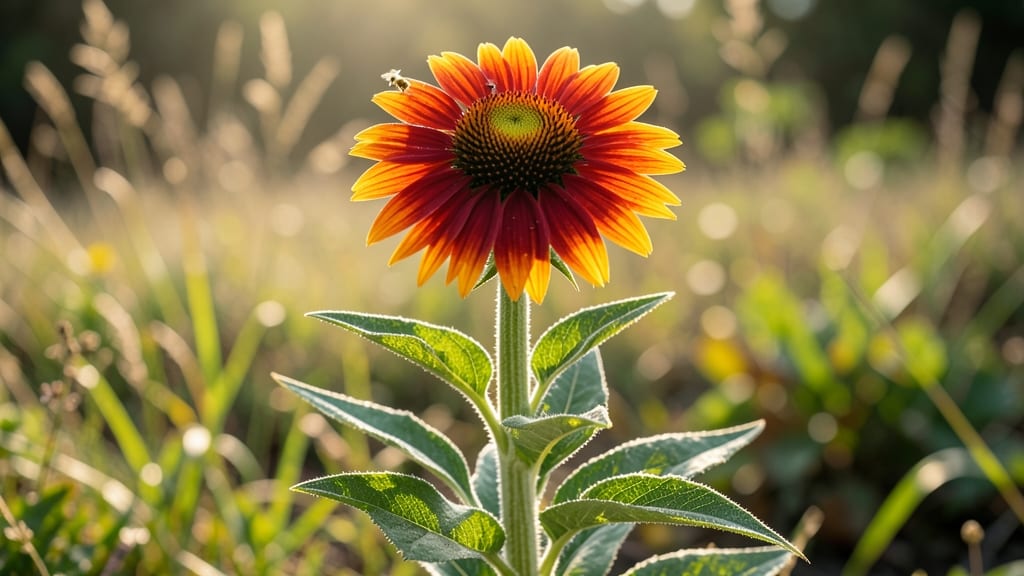
Growing Cheyenne Spirit coneflowers means waking up to blue-purple blooms that last from summer through fall frost—my garden’s most reliable pollinator magnet. This cold-hardy perennial thrives where others struggle, and once established, it’s nearly impossible to kill.
The secret lies in mimicking its native prairie conditions: well-draining soil, full sun, and minimal fuss once rooted.
Start with well-amended garden soil or a mix of native soil and compost—this plant hates soggy roots. Plant in spring or early fall when temperatures are mild, spacing them 2-3 feet apart to give their strong stems room to sway in the breeze.
Water deeply once a week after planting, then let nature take over—Cheyenne Spirit tolerates drought once established, but consistent moisture in the first year ensures robust roots.
By midsummer, you’ll see 3-4 inch blooms that attract bees, butterflies, and hummingbirds like nothing else. Deadhead spent flowers to encourage more blooms, and leave the seed heads over winter for birds.
The foliage stays neat and upright without pruning, making it a low-maintenance superstar for borders, meadows, or pollinator gardens.
Perfect for zones 3-9, this coneflower thrives where summers are hot and winters are cold—no babying required. The only real mistake? Planting it too deep or in shade, which dulls those signature colors. With the right spot, it’ll reward you for years with vibrant blooms and zero drama.
📚 In This Guide
- What you need
- Instructions
- Tips and common mistakes
- Wrapping up and next steps
What you need
- ● Coneflower Cheyenne Spirit plants: 3–5 nursery-grown perennials (6-inch pots) or seeds (if starting from scratch).
- ● Well-draining potting mix: 1–2 bags (10–15 quarts each) for containers or garden soil amended with compost (if planting in-ground).
- ● Organic fertilizer: 1 bag of balanced 10-10-10 or slow-release granular fertilizer (e.g., Osmocote).
- ● Mulch: 2–3 cubic feet of wood chips or straw to retain moisture and suppress weeds.
- ● Garden trowel or shovel (for transplanting).
- ● Watering can or hose with a gentle spray nozzle (avoid over-saturating roots).
- ○ Gloves (optional but recommended for handling soil and plants).
- ● Pruners (for deadheading spent blooms or shaping plants).
- ● A sunny spot with 6+ hours of direct sunlight daily (partial shade tolerates but reduces blooms).
- ● Well-draining soil (Coneflowers hate soggy roots!). Test soil pH (ideal: 6.0–7.0).
- ● Patience! Cheyenne Spirit thrives in USDA Zones 3–9 and may take 1–2 years to reach full bloom potential.
- ● Companion plants: Pair with black-eyed Susans, salvia, or ornamental grasses for a pollinator-friendly display.
- ● Epsom salt (1 tbsp/month during growing season) for a magnesium boost.
- ● Drip irrigation system (for low-maintenance watering).
Step-by-step guide for planting and cultivating Cheyenne Spirit coneflower
This hardy perennial thrives with minimal fuss once you nail these key steps.
🌱 Step 1: Select the Perfect Planting Site
Cheyenne Spirit coneflowers demand full sun—at least 6-8 hours daily—to deliver their signature vibrant blue-purple blooms. I always choose a spot with morning sun and afternoon shade in hot climates, as the flowers can scorch in intense afternoon heat. The soil should drain well; these plants despise soggy roots.
Test drainage by digging a 6-inch deep hole and filling it with water. If it drains within 30 minutes, the site is ideal. Amend heavy clay soil with 2-3 inches of compost to improve structure. I avoid low-lying areas where cold air pools, as Cheyenne Spirit handles cold well but not prolonged frost.
🪴 Step 2: Prepare Soil and Plant at the Right Depth
Loosen the soil to a depth of 12 inches with a garden fork, breaking up any compacted layers. Mix in 1-2 cups of bone meal per planting hole to provide phosphorus for strong root development. The hole should be twice as wide as the root ball but only as deep as the container’s base—planting too deep suffocates the crown.
Gently remove the plant from its container and tease apart any circling roots. Position it so the top of the root ball sits level with the surrounding soil—never buried. Backfill with native soil, pressing lightly to eliminate air pockets. Water deeply to settle the soil and encourage root contact.
☀️ Step 3: Water and Mulch for Establishment
After planting, water deeply once a week for the first 4-6 weeks, ensuring moisture reaches 6 inches down. Cheyenne Spirit’s deep taproot means it thrives on deep watering rather than frequent shallow drinks. I use a soaker hose to avoid wetting the foliage, which reduces disease risk.
Apply 2-3 inches of mulch (like shredded bark or straw) around the base, keeping it 2 inches away from the stem to prevent rot. Mulch conserves moisture, regulates soil temperature, and suppresses weeds—critical in the first growing season. Replenish mulch annually as it breaks down.
✂️ Step 4: Prune and Maintain for Continuous Blooms
Deadhead spent blooms by snipping stems at the first set of healthy leaves below the flower head. This encourages a second flush of blooms in late summer. I avoid cutting into old wood, as Cheyenne Spirit’s sturdy stems support winter interest. Leave 1/3 of the plant’s height intact to maintain structure.
Divide clumps every 3-4 years in early spring or fall when the plant is dormant. Dig up the entire plant, separate the root ball into sections with 3-5 stems each, and replant immediately. This rejuvenates the plant and prevents overcrowding, which reduces flower production.
⏰ Step 5: Overwinter for Next Year’s Display
Cheyenne Spirit’s cold hardiness makes it low-maintenance in winter. In Zone 3-4, a 3-4 inch layer of mulch protects the crown from freeze-thaw cycles. I avoid heavy mulch in milder zones, as it can trap moisture and cause rot. Leave seed heads on the plant over winter—they provide food for birds and add texture to the landscape.
In early spring, remove old mulch and check for signs of pests or disease. If you notice yellowing leaves or blackened stems, prune affected areas immediately. Fertilize lightly with 5-10-10 in early spring to support new growth, but avoid heavy feeding—Cheyenne Spirit prefers lean soil.
Tips & tricks for perfect Cheyenne Spirit coneflower cultivation
These hard-won insights will help you coax the most stunning blooms from your Cheyenne Spirit coneflowers with minimal effort.
Site Selection Insight: The 6-8 hours of full sun requirement isn't just about sunlight—it's about timing. I've found that morning sun paired with afternoon shade in hotter climates prevents the petals from bleaching. Test your site's drainage thoroughly: if water sits longer than 30 minutes in that 6-inch test hole, amend with more compost or consider raised beds. The difference in plant vigor between well-drained and soggy soil is dramatic.
Planting Precision: When mixing in 1-2 cups of bone meal per hole, I recommend doing this at planting time only—not later. The phosphorus boost at this stage promotes strong root development, but adding it later can lead to leggy growth without the corresponding root strength. Also, that 12-inch soil loosening isn't just about roots—it's about breaking through any compacted layers that could restrict water flow to those deep taproots.
Watering Wisdom: The first 4-6 weeks are critical for establishing that deep taproot system. I've seen gardeners overwater during this period, thinking more is better. Instead, focus on deep watering that reaches 6 inches down—this encourages roots to grow downward where they'll find moisture naturally. A soaker hose is perfect for this because it delivers water at soil level without wetting foliage, which helps prevent powdery mildew.
Pruning Strategy: When deadheading, I always look for the first set of healthy leaves below the flower head—not just any leaves. This ensures we're cutting at a point where new growth can emerge. And that 1/3 height guideline? It's not arbitrary—it maintains the plant's natural structure while still encouraging that second flush of blooms. The stems are sturdy enough to support winter interest without this drastic pruning.
Pro Tips for Coneflower Cheyenne Spirit
- These hard-won insights will help you coax the most stunning blooms from your Cheyenne Spirit coneflowers with minimal effort.
- Site Selection Insight: The 6-8 hours of full sun requirement isn't just about sunlight—it's about timing.
- Planting Precision: When mixing in 1-2 cups of bone meal per hole, I recommend doing this at planting time only—not later.
Frequently asked questions
Got questions about growing and caring for Coneflower Cheyenne Spirit? You’re not alone!
Here are answers to the most common queries—from planting tips to troubleshooting—so you can keep your vibrant blooms thriving all season.
When is the best time to plant Cheyenne Spirit coneflowers?
The ideal time to plant Cheyenne Spirit coneflowers is in early spring (after the last frost) or early fall. This gives roots time to establish before summer heat or winter cold. If planting in late spring/summer, water deeply and mulch to retain moisture—these perennials are drought-tolerant but need help adjusting to new conditions.
How often should I water Cheyenne Spirit coneflowers?
Once established (after 1–2 years), Cheyenne Spirit coneflowers are drought-tolerant and only need watering once a week during dry spells. For new plants, water 1–2 times per week to encourage root growth. Deep watering (1–2 inches per week) is better than frequent shallow watering to prevent shallow roots.
Are Cheyenne Spirit coneflowers deer- or rabbit-resistant?
While not completely deer- or rabbit-proof, Cheyenne Spirit coneflowers are less appealing to these pests than other perennials. To deter them, try planting near deer-resistant herbs (like lavender or rosemary) or using physical barriers (like chicken wire) for young plants. A light garlic or pepper spray can also help.
Should I deadhead Cheyenne Spirit coneflowers, and when?
Yes! Deadheading (removing spent blooms) encourages more flowers and prevents seed production. Snip off wilted flower heads in late summer or early fall, but leave some seed heads for birds and winter interest. Avoid cutting back the foliage until late winter—it protects the crown from freezing.
How cold-hardy is Cheyenne Spirit, and does it need winter protection?
Cheyenne Spirit is USDA Zones 3–9 hardy, meaning it thrives in extreme cold (down to -40°F/-40°C) with no winter protection needed. However, in very wet winters, mulch with 2–3 inches of straw or leaves to prevent crown rot. Cut back dead foliage in early spring once new growth appears.
Wrapping up and next steps
Bringing the Coneflower Cheyenne Spirit into your garden is a rewarding choice—its stunning blue-purple blooms and cold-hardy nature make it a standout perennial. With the right care, especially mindful watering, you’ll enjoy its beauty for years while supporting pollinators like bees and butterflies. 🌸
Ready to level up your garden? Start by planting Cheyenne Spirit in well-draining soil and keep an eye on its water needs, especially during its first year. Once established, it thrives with minimal fuss, making it perfect for both beginners and seasoned gardeners. Grab your gloves and get growing!