
Flowers
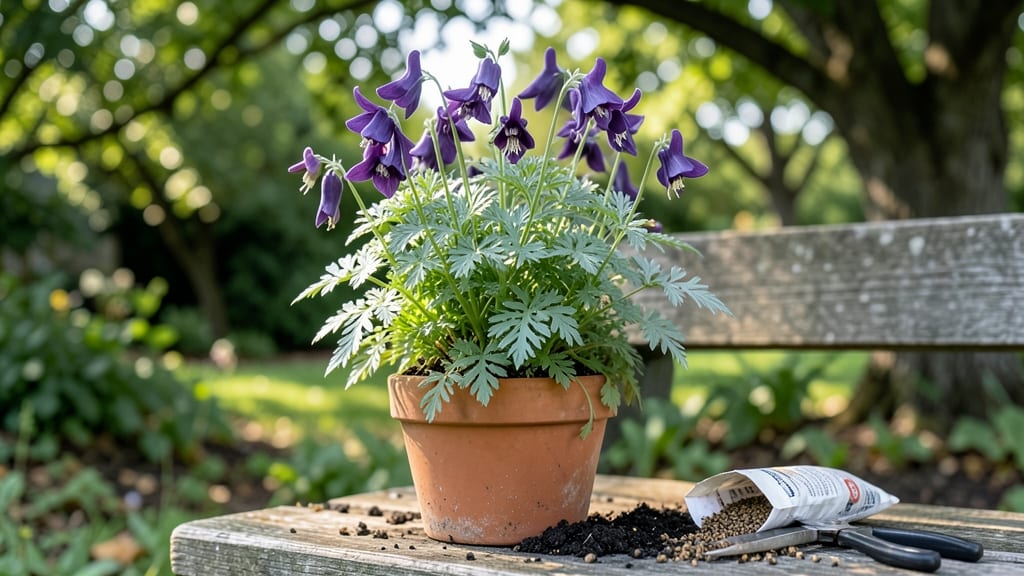
The columbine Aquilegia flower dangles like a fairy’s chandelier, and I’ve learned the hard way these perennials thrive with minimal fuss—but only if you nail three key things: soil, sunlight, and timing. 🌸 The secret isn’t complicated: they love well-draining soil, partial shade, and a little deadheading to keep the flowers coming.
Most gardeners overlook how columbine’s unique seed pods self-sow, creating surprise clusters year after year. My plants now spread effortlessly, and the blooms appear from early spring through fall with the right care.
The best part? They’re deer-resistant, so even wildlife can’t touch them. You’ll get 3-4 weeks of continuous flowers if you prune spent blooms regularly.
What you’ll end up with is a garden corner that feels magical—tall, airy stems dotted with blooms in every shade from cobalt blue to fiery orange. The foliage stays lush even in heat, and the plants multiply without any work on your part. Once established, they’re nearly indestructible.
Whether you’re planting from seed or dividing clumps, this guide covers every step—from cool-season planting to summer deadheading. Even if you’ve struggled with columbines before, these tricks will turn them into your easiest perennial. Let’s get those seeds in the ground!
📚 In This Guide
- What you need
- Instructions
- Tips and common mistakes
- Wrapping up and next steps
What you need
- ● Columbine seeds or nursery-grown plants: Seeds: 1–2 packets (50–100 seeds per packet) for a small garden patch.
- ● Plants: 3–5 healthy nursery starts (6-inch pots) for quicker blooms.
- ● Well-draining potting mix or garden soil: 5–10 gallons (for containers) or amended garden beds (add compost for fertility).
- ○ Containers (optional but helpful): 3–5 hanging baskets or pots (6–12 inches deep) with drainage holes.
- ● Pro tip: 💡 Use terracotta pots—they wick moisture away to prevent root rot!
- ● Slow-release fertilizer (5-10-5 or balanced): 1–2 cups per 5 gallons of soil.
- ○ Mulch (optional but recommended): 1–2 inches of organic mulch (e.g., shredded bark or straw) to retain moisture.
- ● Garden trowel or small shovel for transplanting.
- ● Pruning shears (sterilized with rubbing alcohol).
- ● Watering can or hose with a gentle spray nozzle.
- ● Gloves (to protect from prickly stems).
- ● Measuring tape or ruler (for spacing plants 12–18 inches apart).
- ● Sunlight: Partial shade to full sun (4–6 hours daily).
- ● Watering schedule: Keep soil consistently moist (not soggy) until established.
- ● Hardiness zone: Columbines thrive in zones 3–9 (check your local climate!).
- ● Patience: Seeds may take 6–12 months to bloom; nursery plants reward you faster!
Step-by-step instructions for planting and pruning columbine Aquilegia
Here's how to cultivate vibrant columbine blooms that thrive through multiple seasons.
🌱 Step 1: Choose the Right Location and Prepare the Soil
Columbine thrives in partial shade to full sun, with morning sun and afternoon shade working best in hot climates. I always pick a spot with well-draining soil—columbine hates soggy roots. Amend heavy soil with compost or organic matter to improve aeration and fertility.
Dig a hole twice as wide as the root ball to encourage outward root growth. The key here is to avoid compacting the soil around the roots—gentle handling prevents transplant shock. If your soil is particularly dense, mix in a handful of perlite or coarse sand to help with drainage.
🌿 Step 2: Plant Columbine Seeds or Transplants at the Correct Depth
For seeds, scatter them lightly on the soil surface—columbine seeds need light to germinate, so don't bury them. Press them gently into the top layer of soil. If using transplants, place the root ball in the hole and backfill with soil, leaving the crown slightly above ground level. Columbine's delicate stems need room to grow without being smothered.
Water thoroughly after planting to settle the soil and remove any air pockets. You'll know it's done right when the soil looks evenly moist but not saturated. Mulch lightly with 2-3 inches of organic mulch to retain moisture and suppress weeds—just keep it a few inches away from the stems to prevent rot.
☀️ Step 3: Provide Consistent Watering and Monitor Light Exposure
Keep the soil consistently moist but never waterlogged, especially during the first growing season. Columbine's deep roots need steady moisture, but soggy conditions invite fungal diseases. Water deeply once or twice a week, depending on rainfall, until the top 2 inches of soil feel dry.
Watch for signs of stress—wilting leaves or yellowing foliage often means either too much sun or inconsistent watering. If leaves scorch in the afternoon, provide more shade. Columbine's natural grace comes from its ability to adapt, but it rewards patience with vibrant, long-lasting blooms.
✂️ Step 4: Apply the 3 Pruning Hacks for Year-Round Blooms
First, deadhead spent blooms by snipping the stem just above a set of leaves. This redirects the plant's energy into new growth rather than seed production. I do this every 2-3 weeks during the blooming season to encourage continuous flowering.
Second, cut back leggy stems by one-third in early summer to promote bushier growth. This is where columbine's resilience shines—it bounces back with fresh, compact foliage. Finally, in late fall, trim back any dead or damaged stems to 3-4 inches above the ground, leaving healthy growth intact for next year.
Tips & tricks for perfect columbine Aquilegia flower cultivation
These simple yet powerful strategies will help you coax vibrant, long-lasting blooms from your columbine plants all year round.
Location and Soil Secrets: While columbine thrives in partial shade to full sun, I've found the sweet spot is actually morning sun with afternoon shade in hotter climates—this prevents leaf scorch while still giving enough light for robust blooms. For soil prep, I always mix in a 50/50 blend of compost and perlite when amending heavy soils. This creates the perfect balance of moisture retention and drainage that columbine's delicate roots crave.
Seed Starting Strategy: If you're growing from seeds, here's what nobody tells you—columbine seeds need stratification to germinate properly. Place seeds in the fridge for 2-3 weeks before planting to mimic winter conditions. This breaks their natural dormancy and gives you a much higher germination rate. For transplants, the key is handling the root ball like it's made of glass—gentle, loose soil around the roots prevents transplant shock that can kill new plants.
Watering Wisdom: The 2-inch dry soil test mentioned in Step 3 works perfectly, but I've learned to adjust my watering based on the season. During summer heatwaves, I water every other day rather than waiting for the 2 inches to dry. The secret is checking soil moisture in the morning—if it's dry at the surface, give it a drink. This prevents the stress signals (wilting, yellowing) that often appear when plants are already thirsty.
Pruning Precision: When deadheading every 2-3 weeks during bloom season, I use clean, sharp scissors to make cuts just above a set of leaves. This clean cut prevents disease entry points. For the early summer pruning, I look for stems that have grown more than 6 inches taller than the surrounding foliage—those are the ones to cut back by one-third. The late fall trim is my favorite—it's like giving your plant a fresh start for next year.
Pro Tips for Columbine Aquilegia Flower
- These simple yet powerful strategies will help you coax vibrant, long-lasting blooms from your columbine plants all year round.
- For soil prep, I always mix in a 50/50 blend of compost and perlite when amending heavy soils.
- Seed Starting Strategy: If you're growing from seeds, here's what nobody tells you—columbine seeds need stratification to germinate properly.
Frequently asked questions
When is the best time to plant Columbine aquilegia?
Plant Columbine in early spring or fall for the best results. Spring planting gives roots time to establish before summer heat, while fall planting lets them settle before winter dormancy. Avoid planting in scorching summer months—aquilegia thrives in cooler temperatures!
How long does it take for Columbine aquilegia to bloom?
With proper care, Columbine typically blooms 6–8 weeks after planting in spring. Once established, they may rebloom in late summer or early fall, especially if deadheaded regularly. Patience pays off—these flowers reward consistency with vibrant, long-lasting blooms!
Can Columbine aquilegia grow in containers?
Columbine adapts well to containers, making it perfect for patios or balconies. Use a well-draining potting mix and a pot at least 12 inches deep. Ensure it gets partial shade and keep the soil moist but not soggy. Just avoid overcrowding—space plants 12–18 inches apart for optimal airflow.
Why aren’t my Columbine aquilegia flowers opening?
If your blooms stay closed, check for these issues:
- Too much heat: Columbine prefers cooler temps (50–75°F). Move containers to shade or mulch to keep roots cool.
- Overcrowding: Thin plants if they’re too close together—poor airflow can stress flowers.
- Lack of sunlight: While they tolerate shade, 4–6 hours of morning sun encourages opening.
What are some great Columbine aquilegia varieties for beginners?
Start with these easy-care varieties:
- ‘Nancy’: Classic blue blooms with white centers—disease-resistant and hardy.
- ‘Black Barlow’: Deep purple-black flowers that thrive in partial shade.
- ‘Gold Cluster’: Bright yellow blooms perfect for sunny spots.
Wrapping up and next steps
The Columbine Aquilegia flower is a stunning, low-maintenance gem that rewards gardeners with vibrant blooms and whimsical charm. With the right care—like smart pruning, proper sunlight, and well-draining soil—you’ll enjoy year-round color and even attract pollinators to your garden. 🌸
Ready to transform your space? Start by planting a few Columbines this season and experiment with the pruning hacks shared here. Before you know it, your garden will be a showstopper—one bloom at a time!