
Flowers
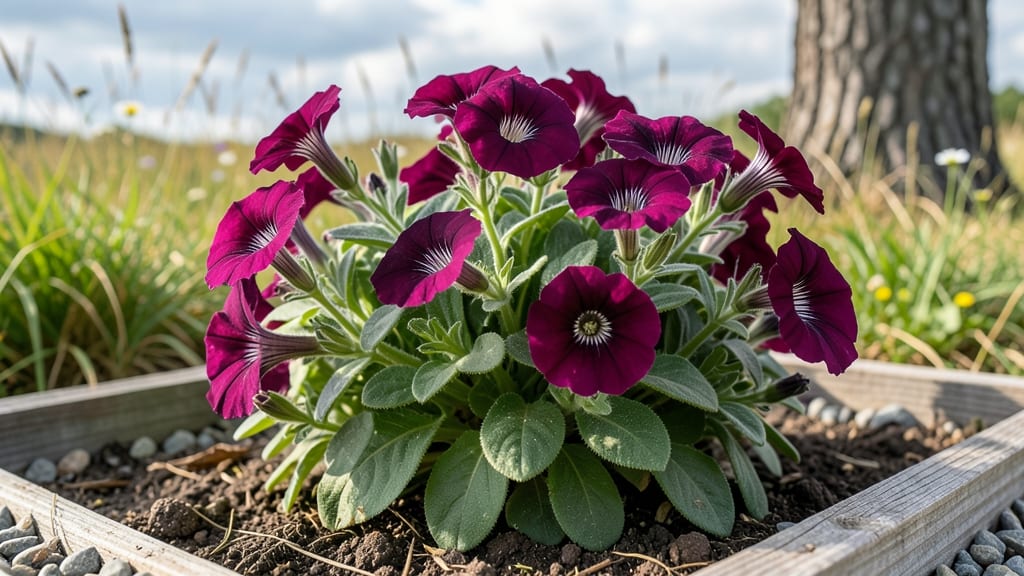
Planting flowers in soil can feel overwhelming at first, but I’ve turned my shady corner into a vibrant canopy with just a few simple steps—no green thumb required. The key isn’t fancy tricks, but getting the soil right: loose, well-draining, and packed with nutrients so roots can spread without fighting.
My marigolds and petunias now burst with color because I stopped overcomplicating things and focused on what the plants actually need.
Start with the right soil mix: sandy soil drains too fast, clay soil holds too much water, but loamy soil—that crumbly, earthy stuff—is the gold standard for most flowers. If your yard isn’t ideal, blend in compost or aged manure to improve texture and fertility.
A trowel, gloves, and a watering can are all you truly need; skip the expensive tools until you’re hooked. Even in small spaces, a 5-gallon container can hold petunias or snapdragons beautifully.
Once planted, flowers reward you with minimal effort—just consistent watering and an occasional deadhead to keep blooms coming. My petunias spill over pots like a waterfall, while marigolds repel pests naturally.
The best part? You’ll see results in just 4-6 weeks, and the more you grow, the easier it gets. No pruning required unless you want to shape things up.
This method works for sun-loving annuals like zinnias or shade-tolerant impatiens alike, so don’t stress about perfection. The secret’s in the soil—and once you nail that, your garden will thrive with almost no work. Let’s get those roots growing!
📚 In This Guide
- What you need
- Instructions
- Tips and common mistakes
- Wrapping up and next steps
What you need
- ● Flowering plants: Choose low-maintenance varieties like Petunias, Geraniums, or Marigolds (3–5 plants per container or 1 per square foot in garden beds). Opt for self-cleaning or self-pruning types for less effort.
- ● High-quality potting mix: 1–2 bags (1–2 cubic feet) of well-draining, organic soil (e.g., Miracle-Gro Potting Mix or FoxFarm Ocean Forest). Avoid garden soil—it compacts and suffocates roots!
- ● Containers or garden bed: For containers: 5–10 gallon pots with drainage holes (1 pot per 1–2 plants). Terracotta or fabric pots work best.
- ● For garden beds: Ensure 6+ inches of loose, fertile soil with amended compost (1–2 inches mixed in).
- ● Slow-release fertilizer: 1–2 tablets or granules (e.g., Osmocote Smart-Release) per plant to feed for 3–4 months.
- ● Watering can or hose: With a gentle spray nozzle to avoid displacing soil.
- ● Gloves (to protect hands from thorns or soil).
- ● Trowel or small shovel (for transplanting or amending soil).
- ○ Mulch (e.g., pine bark or straw): 1–2 inches to retain moisture (optional but highly recommended in hot climates!).
- ● Pruning shears (for minimal deadheading—only if needed!).
- ● Support stakes (for tall flowers like Snapdragons, 1–2 per plant).
- ○ Soil pH tester (optional): Ensure your soil is 6.0–7.0 (most flowers thrive in this range).
How to create a low-maintenance flowering canopy in garden beds
Here's how to establish a lush, self-sustaining floral display that thrives with minimal intervention.
Select the Right Plant Combinations for Natural Canopy Formation
Choose a mix of perennial ground covers (like creeping thyme or ajuga) and mid-height perennials (such as coneflowers or black-eyed Susans) to create vertical layers. I always pair these with tall ornamental grasses (like fountain grass) to add movement and structure. The key is selecting varieties with staggered bloom times—this ensures continuous color from early spring through fall without gaps.
For a 4-foot-wide bed, I recommend planting three tall grasses spaced 18 inches apart along the back, with five mid-height perennials placed 12 inches apart in front. Fill the remaining space with ground cover plants spaced 6-8 inches apart. This density creates an instant canopy effect while allowing each plant enough room to mature without competing aggressively for resources.
Prepare the Soil for Optimal Root Development and Water Retention
Test your soil's drainage first—flowers in heavy clay or sandy soil struggle to establish strong root systems. If your soil is compacted, mix in 2-3 inches of compost and 1 inch of coarse sand per square foot of bed to improve aeration. For sandy soil, amend with 2 inches of peat moss to help retain moisture.
I like to work in 1-2 inches of organic mulch (like shredded bark) after planting to suppress weeds and maintain even moisture. This mulch layer also protects roots from temperature fluctuations, which is especially important during the first growing season when plants are establishing themselves. Water deeply after mulching to settle everything in place.
Plant Strategically for Natural Spreading and Full Canopy Coverage
Dig holes twice as wide as the root ball but only as deep as the container's base—planting too deep suffocates roots. For perennials, I gently loosen the root ball before placing it in the hole to encourage outward growth. Space plants according to their mature width: tall grasses need 18-24 inches, mid-height perennials 12-18 inches, and ground covers 6-8 inches.
Here's the thing—don't rush to fill gaps with filler plants. Let the chosen perennials spread naturally over 2-3 seasons. Most will self-seed or send out runners, creating a dense canopy without your intervention. Water immediately after planting to eliminate air pockets around roots, and apply a balanced slow-release fertilizer (like 10-10-10) to encourage robust early growth.
Implement a Watering Schedule That Encourages Deep Root Growth
Water deeply once a week during the first 6-8 weeks after planting, allowing the soil to dry out 2-3 inches below the surface between waterings. This encourages roots to grow downward rather than staying shallow. You'll know you're watering correctly when the top 1 inch of soil feels dry to the touch but moisture remains 3-4 inches down.
Once established, most flowering perennials are drought-tolerant once their root systems mature. I switch to watering only when the soil feels bone-dry 4 inches down, which typically means every 10-14 days during summer. Mulch helps maintain this moisture balance—just replenish it annually in early spring to maintain its effectiveness.
Minimize Pruning by Choosing Self-Cleaning Varieties and Timing Cuts Correctly
The secret to minimal pruning is selecting self-cleaning perennials that drop spent blooms naturally (like coneflowers or Russian sage) and avoiding varieties that require frequent deadheading (like impatiens). For grasses, I wait until late winter or early spring to cut back—this allows seed heads to provide winter interest and protects beneficial insects that overwinter in them.
When pruning is needed, I use clean, sharp pruners to cut back one-third of the plant's height in early spring, just as new growth begins. For leggy perennials, I trim only the tips of stems to encourage bushier growth rather than removing entire stems. This approach keeps plants full and flowering without the constant upkeep of traditional pruning schedules.
Tips & tricks for perfect flowering canopy gardens
Creating a self-sustaining floral display doesn't have to be complicated—these insights will help you achieve a thriving canopy with minimal effort.
Plant Selection Strategy: Focus on perennials with staggered bloom times to ensure continuous color throughout the seasons. For example, pair early bloomers like crocus with mid-season coneflowers and late-season Russian sage. This layered approach creates a natural progression of color without requiring frequent replacements. The key is selecting varieties that naturally spread or self-seed, eliminating the need for constant replanting.
Soil Preparation Insight: When amending compacted soil, mix the compost and coarse sand thoroughly to create pockets of improved aeration throughout the entire bed. I like to use a garden fork to gently loosen the soil before adding amendments, which helps roots penetrate more easily. For sandy soils, incorporate the peat moss in layers rather than all at once to prevent clumping. This gradual approach mimics natural soil stratification and promotes better water retention.
Pruning Technique: The early spring pruning method works best when you cut just above a set of healthy leaves or buds. This encourages new growth from the base rather than the tips, which creates a fuller, bushier plant over time. For grasses, I wait until early spring to cut back—this preserves winter interest while still allowing new growth to emerge. Using clean, sharp pruners is crucial; dull blades tear stems and invite disease.
Watering Wisdom: The deep watering schedule during the first 6-8 weeks establishes strong root systems that will support your canopy for years. To check soil moisture correctly, use a screwdriver or long nail—if it slides in easily up to 3-4 inches, you're good. For established plants, the bone-dry test at 4 inches depth ensures you're not overwatering, which can lead to root rot in heavy soils. Mulch acts as a natural moisture regulator, so maintain that 1-2 inch layer consistently.
Pro Tips for Flower In Soil
- Creating a self-sustaining floral display doesn't have to be complicated—these insights will help you achieve a thriv...
- Plant Selection Strategy: Focus on perennials with staggered bloom times to ensure continuous color throughout the se...
- Soil Preparation Insight: When amending compacted soil, mix the compost and coarse sand thoroughly to create pockets ...
Frequently asked questions
Got questions about growing lush, thriving flowers straight from the soil? You’re not alone! Here are some of the most common queries—plus quick, actionable answers to keep your garden blooming effortlessly.
How deep should I plant flower seeds or bulbs in the soil?
Most flower seeds should be planted twice as deep as their width (e.g., a ¼-inch seed goes ½-inch deep). Bulbs, like tulips or daffodils, need 6–8 inches of soil coverage for stability. Loosen the soil first to avoid compacting roots—think fluffy, not packed!
What’s the best soil mix for flowers to thrive with minimal effort?
Start with a well-draining blend of 60% topsoil, 30% compost, and 10% perlite or sand. For heavy clay soil, mix in peat moss or coconut coir to improve aeration. Avoid garden centers’ "miracle-grow" mixes—they’re often too heavy. Pro tip: Test your soil’s pH (ideal: 6.0–7.0 for most flowers) with a $10 kit!
How often should I water flowers planted directly in soil?
Water deeply 2–3 times per week (or daily in extreme heat) to encourage root growth, but avoid soggy soil. Morning watering is best—it reduces evaporation and fungal risks. Use a soaker hose or drip irrigation to target roots, not leaves. Let the top inch dry between waterings to prevent overwatering.
Why aren’t my flowers blooming, even with good soil and sunlight?
Common culprits: over-fertilizing (too much nitrogen = leafy, no flowers), poor sunlight (check if they’re getting 6+ hours/day), or stress from transplant shock. Try deadheading (snipping spent blooms) to encourage new growth. If pests like aphids are present, use neem oil instead of harsh chemicals.
Can I grow flowers in soil without pruning? What’s the catch?
Yes! Many low-maintenance flowers like black-eyed Susans, coneflowers, or daylilies thrive with zero pruning if given the right soil and sunlight. The catch? Deadheading (removing faded blooms) still boosts reblooming. For maximal effortlessness, choose perennials over annuals—they return yearly with minimal upkeep.
What’s a quick fix for soil that’s too compacted or hard?
Break up compacted soil with a garden fork or till it lightly (avoid over-tilling!). Mix in compost or aged manure to improve structure, then top with mulch (straw or wood chips) to retain moisture. For clay soil, add gypsum (not lime!) to loosen it over time.
Wrapping up and next steps
Growing a flower in soil isn’t just about patience—it’s about creating a thriving, low-maintenance oasis that blooms effortlessly. Whether you’re nurturing a delicate petunia or a hardy sunflower, the key lies in understanding your soil, choosing the right plants, and trusting the process.
With minimal pruning and a little love, you’ll soon enjoy a lush canopy that brightens any space.
Ready to take the next step? Start small—pick one plant, test your soil, and experiment! Before you know it, your garden will be a vibrant testament to nature’s beauty. Happy growing! 🌱✨