
Flowers
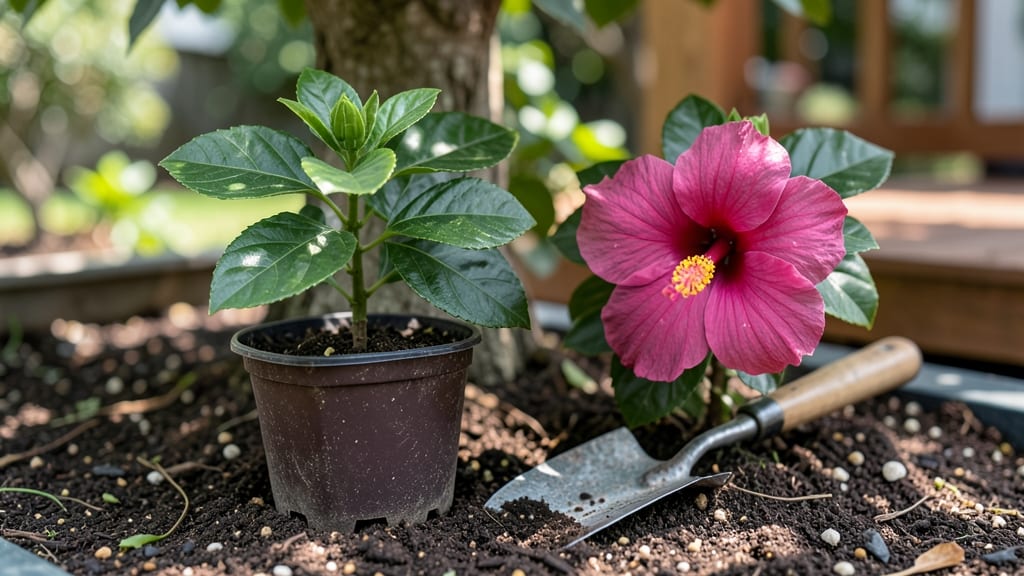
Planting hibiscus flowers starts with the right timing and soil—tropical hibiscus thrive when planted in spring after the last frost, while hardy varieties can handle fall planting in warmer zones.
I learned this the hard way after my first attempt in chilly May left the roots struggling for weeks. The secret isn’t just the calendar, though—it’s the well-draining, slightly acidic mix that mimics their native habitat.
You’ll need a sunny spot with 6+ hours of direct light daily, a hole twice as wide as the root ball, and a handful of compost mixed into the native soil. Hibiscus roots are sensitive, so avoid soggy ground—they’ll wilt faster than you can water them.
My first batch nearly failed until I amended the soil with pearlite for aeration, and now they push through the heat like they own the place.
After planting, mulch with 2-3 inches of organic matter to lock in moisture and keep roots cool. The first blooms arrive in 8-12 weeks, but the real magic happens when you prune strategically—cutting back leggy stems in early summer forces bushier growth and nonstop flowers.
Even my black thumb can’t kill these with the right care.
Hardy hibiscus even survive light frosts, while tropical types need winter protection in zones below 8. The key is adjusting watering as seasons shift—drought-tolerant once established, but they’ll beg for drinks during heatwaves. Start with these basics, and you’ll have hibiscus blooming from spring to frost.
📚 In This Guide
- What you need
- Instructions
- Tips and common mistakes
- Wrapping up and next steps
What you need
- ● Hibiscus plants: Choose between tropical hibiscus (Hibiscus rosa-sinensis) or hardy hibiscus (Hibiscus syriacus). Start with 1-3 healthy plants or seeds.
- ● Well-draining potting soil: 5-10 gallons (for pots) or enrich garden soil with compost (for in-ground planting).
- ● Fertilizer: A balanced 10-10-10 or acidic fertilizer (pH 6.0-6.5) for tropical hibiscus. Use sparingly—about 1 tbsp per gallon of water every 4-6 weeks.
- ● Watering can or hose: With a gentle spray nozzle to avoid damaging delicate leaves.
- ● Gloves: Garden gloves to protect hands from thorns (especially on tropical varieties).
- ● Trowel or shovel: For digging holes (6-8 inches deep) or repotting.
- ● Pruning shears: Sharp, sterilized shears for trimming dead blooms or shaping plants.
- ○ Mulch (optional): Pine bark or straw to retain moisture and regulate soil temperature.
- ○ Support stakes (optional): For tall varieties like Hibiscus syriacus to prevent flopping.
- ● Sunlight: 6-8+ hours of full sun daily (tropical hibiscus) or partial shade in hot climates (hardy hibiscus).
- ● Climate zone: Tropical hibiscus thrives in USDA zones 9-11; hardy hibiscus grows in zones 5-9. Use containers for colder regions!
- ● Drainage: Hibiscus hates soggy roots. Ensure pots have drainage holes or plant in raised beds.
Simple step-by-step guide to planting hibiscus flowers
Here's how to get vibrant blooms all year with minimal effort.
Choose the Right Location for Sun and Drainage
Hibiscus thrives in full sun—at least 6-8 hours daily. I always pick the warmest, sunniest spot in my yard because hibiscus won't bloom well in shade. The soil must drain well, too; soggy roots lead to root rot and lost plants. If your soil feels heavy when squeezed, mix in a few inches of coarse sand or gravel to improve drainage.
Dig a hole twice as wide as the root ball but no deeper. Hibiscus roots spread wide, not deep, so a shallow, broad planting area encourages strong growth. Gently loosen the roots if they're circling the pot—this prevents girdling as the plant matures. I tap the sides of the pot to release the root ball before placing it in the hole.
Plant and Water Deeply for Strong Establishment
Place the hibiscus in the hole so the top of the root ball sits level with the surrounding soil—never bury the stem. Fill the hole with soil, pressing lightly to remove air pockets, but don't compact it. Water deeply right after planting to settle the soil and eliminate gaps. You'll know it's soaked when water runs out the drainage holes if planted in a container.
Mulch around the base with 2-3 inches of organic mulch (like shredded bark) to retain moisture and regulate soil temperature. Keep mulch 2-3 inches away from the stem to prevent rot. Hibiscus loves warmth, so mulching helps maintain those ideal growing conditions, especially in cooler climates. Water again after mulching to help it settle.
Prune for Year-Round Blooms Using 3 Simple Tricks
The key to continuous blooms is strategic pruning. First, prune back leggy stems in early spring to encourage bushier growth. Cut just above a leaf node or bud—this is where new branches will sprout. I always use clean, sharp shears to avoid tearing the stems, which can invite disease.
Next, deadhead spent blooms regularly. Snip off the faded flower just above the next set of leaves. This redirects the plant's energy into producing new buds instead of seed pods. Finally, lightly trim in late summer to shape the plant and remove any crossing branches. This keeps airflow circulating and reduces pests.
Feed and Water for Consistent Blooms
Hibiscus is a heavy feeder, so I fertilize every 4-6 weeks during the growing season with a balanced, water-soluble fertilizer (like 10-10-10). Follow the package instructions for dosage—overfeeding can burn roots. Water deeply 2-3 times per week during hot, dry spells, but let the top 1-2 inches of soil dry out between waterings to prevent root rot.
Watch for wilting leaves in the afternoon—this is your signal to water. Hibiscus also benefits from occasional foliar feeding (spraying diluted fertilizer on the leaves) to boost blooms. In colder climates, reduce watering in winter but keep the soil slightly moist to prevent dormancy stress. A happy hibiscus is one that gets consistent care without neglect.
Tips & tricks for perfect hibiscus planting
Here's what I wish I knew when I first planted hibiscus—these simple tricks make all the difference for vibrant, long-lasting blooms.
Sunlight Strategy: Those 6-8 hours of daily sun are non-negotiable, but I've found the best spot is where morning sun warms the plant early and afternoon sun dries dew quickly. If your yard has afternoon shade, consider a raised bed—hibiscus in containers can handle slightly less sun than in-ground plants. I always test locations for a week before planting by observing how much sun each spot gets.
Root Ball Release: The moment I learned to tap the sides of the pot before planting changed everything. This simple action prevents root circling, which can strangle your hibiscus as it grows. I gently wrap the pot in a towel first to protect the roots, then tap firmly until the root ball loosens. This one step makes the difference between a struggling plant and one that thrives from day one.
Pruning Precision: When pruning back leggy stems in early spring, look for the first set of leaves below the leggy growth—this is your cutting point. I always make cuts at a 45-degree angle just above a leaf node to encourage new growth from that exact spot. Using clean shears is crucial; I dip mine in rubbing alcohol between cuts to prevent disease transmission between stems.
Fertilizer Timing: The 4-6 week feeding schedule works perfectly, but I've found hibiscus responds even better to a split application. Instead of one dose every 4-6 weeks, I apply half the recommended amount every 2-3 weeks. This keeps nutrients available consistently without risking root burn. I also mix in a handful of compost at planting time for that initial nutrient boost.
Pro Tips for Planting Hibiscus Flowers
- Here's what I wish I knew when I first planted hibiscus—these simple tricks make all the difference for vibrant, long-lasting blooms.
- Sunlight Strategy: Those 6-8 hours of daily sun are non-negotiable, but I've found the best spot is where morning sun warms the plant early and afternoon sun dries dew quickly.
- Root Ball Release: The moment I learned to tap the sides of the pot before planting changed everything.
Frequently asked questions
When is the best time to plant hibiscus flowers?
For tropical hibiscus, plant in spring or early summer after the last frost when soil is warm (60°F+). Hardy hibiscus can tolerate cooler temps—plant in late spring for best results. Avoid planting in fall; they need time to establish roots before winter.
Can hibiscus survive winter? How do I protect them?
Most hibiscus are tender perennials and won’t survive freezing temps. For tropical hibiscus, dig up potted plants or mulch heavily and wrap them in burlap. Hardy hibiscus (like Hibiscus moscheutos) can handle light frost—just add a thick layer of mulch (4–6 inches) around the base.
How often should I water hibiscus plants?
Hibiscus loves consistent moisture—water deeply 2–3 times per week (daily in extreme heat). Let the top 1–2 inches of soil dry out between waterings to prevent root rot. Mulching helps retain moisture and keeps roots cool.
Why aren’t my hibiscus flowers blooming? Troubleshooting tips.
Lack of blooms often stems from over-fertilizing with nitrogen (promotes leaves, not flowers) or poor sunlight. Try this:
Hibiscus grows well in containers 12–18 inches wide/deep with drainage holes. Use a lightweight potting mix (add perlite for aeration). Repot every 2–3 years and fertilize regularly. Pro tip: Move pots indoors (near a sunny window) if temps drop below 50°F. If hibiscus seems high-maintenance, try these easy-care bloomers:
Can I grow hibiscus in containers? What’s the best pot size?
What are some low-maintenance hibiscus alternatives?
Wrapping up and next steps
Planting hibiscus flowers is a rewarding journey that brings vibrant color and life to your garden year-round! With the right soil, sunlight, and a few simple pruning tricks, you’ll enjoy lush blooms that last. Remember, patience and care are key—your hibiscus will thrive with love and attention.
Ready to take the next step? Start by selecting your favorite variety and get planting! Whether you’re a beginner or a seasoned gardener, your hibiscus will thank you with stunning, long-lasting flowers. Happy gardening! 🌸