
Planting
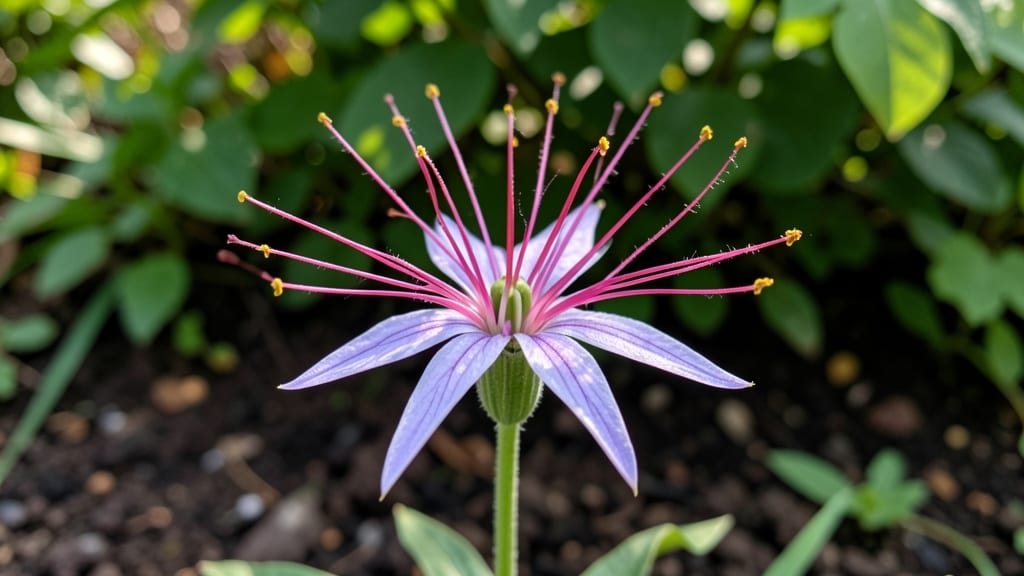
The cleome spider flower plant is your container garden’s secret weapon—this drought-proof beauty turns any pot into a whimsical showstopper with its spider-like blooms and towering stems. I grew mine last summer, and neighbors kept asking what magic I’d used to make flowers look like alien sculptures.
The secret? It’s shockingly easy once you know the basics—just sunlight, well-draining soil, and a little patience for those bold, architectural blooms to form.
This plant thrives in 5-gallon containers or larger, where its roots can stretch without competing with weeds. Give it full sun (6+ hours daily) and soil that drains fast—too much moisture is the only thing that’ll slow it down.
Water when the top inch feels dry, and watch those spidery flowers unfurl like clockwork. Deadhead spent blooms to encourage more growth, and you’ll have flowers from midsummer until frost. It’s the kind of plant that makes gardening feel like instant art—no fuss, just impact.
By late summer, your cleome will be a 6-foot-tall vertical masterpiece, its seed pods adding textural contrast as they dry. The blooms attract hummingbirds and butterflies, turning your container into a mini ecosystem.
Best of all? It’s beginner-proof—forget the finicky care routines. Just plant it, water it occasionally, and step back to admire the drama. Ready to add some unexpected height and whimsy to your space?
Works in any container, from rustic terracotta to sleek modern pots, and pairs beautifully with trailing plants like sweet potato vine. Just avoid heavy soils—cleome hates soggy feet.
Once you’ve grown one, you’ll want to try the pink, white, or purple varieties next. Let’s get those seeds in the ground!
📚 In This Guide
- What you need
- Instructions
- Tips and common mistakes
- Wrapping up and next steps
What you need
- ● Cleome Spider Flower Seeds – 5–10 seeds (or 1–2 young plants from a nursery). Pro tip: 💡 Choose heirloom varieties like 'Violet Queen' or 'Senator' for extra flair!
- ● Well-draining potting mix – 1–2 gallons per container (look for a blend labeled for annuals or succulents).
- ● Containers – 12–18" wide pots with drainage holes (or a large raised bed if planting outdoors). Size matters! 🌡️ Spider Flowers love room to stretch.
- ● Slow-release fertilizer – 1–2 tbsp per container (or liquid fertilizer for foliar feeding). Opt for a balanced 10-10-10 or 5-10-5 formula.
- ● Gravel or perlite – ½ cup per container (to boost drainage).
- ● Watering can or hose with a gentle spray nozzle – Keep it consistent but not soggy!
- ● Garden trowel or small shovel – For planting and mixing soil.
- ○ Gloves (optional) – Protects hands from prickly stems (yes, they’re gently spiky!).
- ● Plant labels – Mark varieties if mixing colors (e.g., pink, white, or purple blooms!).
- ○ Stakes or trellis (optional) – 1–2 per plant if you want to guide their towering growth (up to 5–6 feet!).
- ○ Mulch (optional) – 1 inch of shredded bark or straw to retain moisture.
Step-by-step instructions for growing cleome spider flower in containers
Here's how to coax those dramatic, spider-like blooms into your patio pots with minimal fuss.
Select and Prepare the Right Container
Choose a container at least 12 inches deep with drainage holes—cleome's taproot system demands space. I prefer terracotta pots because they wick moisture away naturally, preventing the root rot that can plague spider flowers in soggy soil. For 4 plants, you'll need 4 individual containers or a single 18-inch-wide planter with 6 inches between each plant to prevent competition.
Fill the bottom 2 inches with gravel or coarse sand for drainage. This layer prevents water from pooling against the roots, which cleome hates. Press it down lightly but firmly—you want air pockets gone but not compacted soil. The gravel also helps prevent the 1 gallon of potting mix from washing out through drainage holes when you water.
Plant and Water for Immediate Support
Dig a hole twice as wide as the root ball but only as deep as the plant's current soil line. Cleome's roots are sensitive—burying too deep stresses the plant and can cause it to lean. Gently tease the roots apart if they're circling the pot, then place the plant so the top of the root ball sits just below the container's rim. This ensures the plant stays upright as it grows.
Fill the hole with potting mix, pressing lightly around the base to eliminate air pockets. Water deeply until it runs freely from the drainage holes—this settles the soil and encourages roots to spread downward. You'll know you've done it right when the surface looks slightly damp but not glistening. Avoid overhead watering for the first week; it can dislodge the young plant.
☀️ Step 3: Position for Full Sun and Consistent Care
Spider flowers thrive in full sun, so place your containers in a spot that gets at least 6-8 hours of direct sunlight daily. A south- or west-facing patio works best, but if you're in a hot climate, provide afternoon shade to prevent leaf scorch. Cleome's dramatic blooms are a reward for patience—don't expect flowers until 60-70 days after planting, but the 4-foot-tall spikes will make it worth the wait.
Water deeply every 2-3 days once established, allowing the top 2 inches of soil to dry out between waterings. Overwatering is the #1 killer of cleome—yellowing leaves or wilting despite damp soil means you're overdoing it. Mulch with 1 inch of organic mulch (like shredded bark) to retain moisture and keep roots cool. Fertilize lightly with a balanced, water-soluble fertilizer every 4-6 weeks during the growing season, but skip it once buds form to encourage blooming.
✂️ Step 4: Prune and Support for Maximum Impact
Pinch back the top set of leaves when the plant reaches 12 inches tall to encourage bushier growth. This step is critical—without it, cleome grows leggy and top-heavy, snapping under its own weight. Use clean pruners to make cuts just above a leaf node, and never remove more than 1/3 of the plant at once. You'll see new side shoots emerge within 2 weeks, and those will produce more blooms.
As the plant grows, install bamboo stakes or a small trellis to support the heavy flower spikes. Cleome's unique blooms grow on long, wiry stems that can flop dramatically in wind or rain. Tie the main stems loosely to the support with soft plant ties, adjusting as the plant grows. This keeps the flowers upright and visible—no one wants to admire cleome blooms hidden in the foliage.
Tips & tricks for perfect cleome spider flower growth
These insider strategies will help you transform your patio into a stunning cleome display with minimal effort.
Container Selection Wisdom: While terracotta pots are ideal, don't overlook fiberglass or plastic containers if terracotta isn't available. The key is ensuring proper drainage—drill additional holes if needed. I've successfully grown cleome in repurposed window boxes with excellent results. Remember, the 12-inch depth requirement is non-negotiable for accommodating cleome's taproot system, which can grow surprisingly deep when given space.
Drainage Layer Technique: The 2-inch gravel layer in Step 1 serves two critical purposes beyond drainage. First, it creates an air gap that prevents soil-borne diseases from reaching the roots. Second, it acts as a thermal buffer, protecting roots from temperature fluctuations that can stress cleome plants. For extra insurance, I recommend using lava rock instead of gravel—its porous nature improves aeration even further.
Watering Precision: When watering deeply in Step 2, aim for the soil to remain moist but not saturated. A simple test is to stick your finger about 2 inches into the soil after watering—it should feel damp but not dripping wet. Overwatering is particularly dangerous with cleome because its deep roots can't easily outrun waterlogged conditions. If you notice yellowing leaves despite consistent watering, this is your first sign of overwatering.
Sunlight Optimization: The 6-8 hours of direct sunlight requirement is flexible in cooler climates. In zones 5-7, cleome can tolerate partial shade during peak summer heat, especially if you provide afternoon shade as mentioned. I've found that positioning containers against south-facing walls extends the effective sunlight exposure by reflecting additional light onto the plants. This is particularly helpful for urban gardeners with limited space.
Pro Tips for Cleome Spider Flower Plant
- These insider strategies will help you transform your patio into a stunning cleome display with minimal effort.
- Container Selection Wisdom: While terracotta pots are ideal, don't overlook fiberglass or plastic containers if terracotta isn't available.
- Drainage Layer Technique: The 2-inch gravel layer in Step 1 serves two critical purposes beyond drainage.
Frequently asked questions
Got questions about growing cleome spider flower? You’re not alone! Here are some of the most common queries—and their answers—to help you nurture these striking plants with confidence.
How fast does cleome spider flower grow?
These plants are fast growers! With the right conditions, cleome can shoot up 3–5 feet in a single season. In containers, expect steady growth if you provide full sun, well-draining soil, and consistent watering. Prune regularly to encourage bushier, fuller blooms—just avoid cutting back too late in the season.
When is the best time to plant cleome spider flower?
Cleome thrives in warm weather, so plant after the last frost when soil temps hit 55°F+. For containers, start seeds indoors 6–8 weeks before your last frost date or sow directly outdoors once nighttime temps stay above 50°F. They’re sensitive to cold, so avoid early planting!
How often should I water cleome spider flower?
Water when the top inch of soil feels dry—about 1–2 times per week in hot climates, less in cooler or humid areas. Overwatering is the #1 killer! Ensure containers have drainage holes to prevent root rot. Once established, cleome is drought-tolerant, so let the soil dry slightly between waterings.
What pests commonly attack cleome spider flower, and how do I treat them?
Spider mites, aphids, and whiteflies may visit, but cleome is naturally pest-resistant! If you spot trouble, blast pests off with a hose or use neem oil (mix 1 tbsp per quart of water). Avoid chemical sprays—cleome’s delicate blooms can be damaged. Healthy plants with good airflow deter most pests.
Can I grow cleome spider flower indoors?
Not ideal! Cleome needs full sun (6+ hours daily) and struggles indoors due to low light. If you’re set on growing it inside, place it near a south-facing window and supplement with a grow light. However, containers limit root growth—outdoor pots (with proper drainage) will yield far better results.
Wrapping up and next steps
The Cleome Spider Flower is a stunning, low-maintenance plant that brings bold drama to containers with its towering spikes and delicate blooms. Whether you’re a beginner or a seasoned gardener, its resilience and striking appearance make it a must-have for adding vertical interest to your space.
Ready to transform your garden? Grab your supplies, follow the steps, and watch your container garden come to life with this eye-catching beauty! 🌸✨
- Next step: Start with well-draining soil and a sunny spot—your Cleome will thrive in no time!