
Flowers
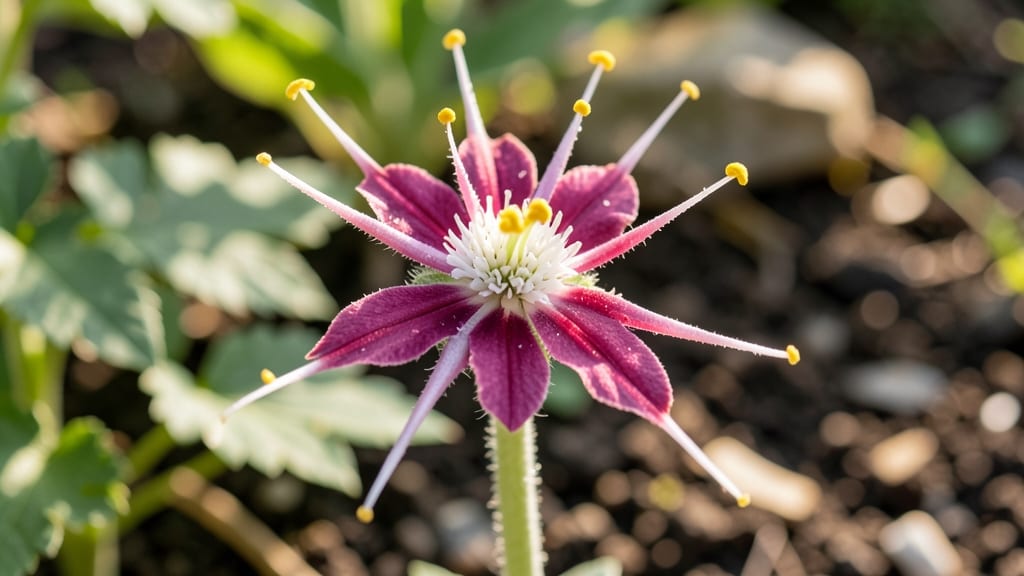
Those dramatic blue spikes of cleome spider flower are exactly what my container garden needed last summer—bold, pollinator-magnet blooms that outshine anything in my flowerbeds. 🌿 The secret to growing them isn’t complicated: they thrive in poor soil, need minimal fuss, and reward you with vertical drama that hummingbirds can’t resist.
My first batch grew 4 feet tall in just 8 weeks, proving they’re the perfect container plant for small spaces or balconies.
Start with well-draining potting mix—cleome hates soggy roots—and place them where they’ll get at least 6 hours of sun daily. Water when the top inch feels dry, but don’t drown them; these plants are drought-tolerant once established.
The key to preventing leggy growth? Pinch back the tips when seedlings are 6 inches tall—this triggers bushier stems and more blooms. I learned this the hard way after my first batch stretched like overcooked spaghetti.
By midsummer, you’ll have vibrant blue-purple flowers that last from July until frost, plus a steady parade of bees and butterflies. The foliage alone adds texture, but the real show comes when the seed pods form—those spidery silhouettes are pure garden art.
Even better? They self-seed like crazy, so you’ll get free plants next year. Just be ready to move them before they take over your yard.
If your cleome starts looking sad—yellow leaves or flopping stems—it’s usually thirst or too much shade. A quick move to sunnier spot and a deep watering works wonders. And if aphids show up?
A strong spray of water usually sends them packing. With the right care, these plants are nearly foolproof—just give them space, sun, and a little patience.
📚 In This Guide
- What you need
- Instructions
- Tips and common mistakes
- Wrapping up and next steps
What you need
- ● Cleome seeds: 5–10 seeds (or 1–2 seed packets for multiple plants). Choose heirloom or non-GMO for best results.
- ● Well-draining potting mix: 1–2 gallons (for containers) or a blend of garden soil + perlite/vermiculite (for in-ground planting). Pro tip: Cleome hates soggy roots—avoid heavy clay soil!
- ○ Containers (optional but recommended): 5–10 inch diameter pots (1 per plant) with drainage holes.
- ● DIY hack: Use recycled buckets, fabric grow bags, or even old boots for a rustic look!
- ● Slow-release fertilizer: 1–2 tbsp of balanced 10-10-10 or organic compost per plant (mix into soil at planting).
- ● Basic gardening tools: Trowel or small shovel (for transplanting).
- ● Pruning shears (for deadheading or shaping).
- ● Spray bottle or watering can: With a fine mist setting (cleome seeds need gentle moisture!).
- ● Plant labels: To track varieties (e.g., ‘Pink Queen’ or ‘Violet Queen’).
- ○ Optional but fun: Eggshells or crushed oyster shell (for calcium-rich soil).
- ● Decorative pebbles or mulch (to enhance container aesthetics).
- ● Sunlight: A spot with 6+ hours of direct sun daily (containers may need rotation for even exposure).
- ● Temperature: Plant after the last frost when soil is at least 60°F (15°C).
- ● Patience: Cleome grows fast but takes 8–12 weeks from seed to bloom!
Step-by-step instructions for growing cleome spider flower in containers
Here's how I grow these striking blue spikes—tough, fast-growing, and perfect for small spaces.
🪴 Step 1: Choose the Right Container and Soil Mix
Cleome thrives in well-draining soil and needs room to grow. Use a container at least 12 inches deep and 12 inches wide for each plant—these flowers develop deep taproots and sprawling foliage. I like terracotta pots because they breathe and prevent root rot, but any sturdy container with drainage holes works.
Fill the container with a mix of 50% potting soil and 50% perlite or coarse sand. This ensures excellent drainage, which cleome absolutely demands—soggy roots will kill it fast. Tap the pot gently after filling to settle the mix, but don't pack it down too firmly. The soil should feel light and airy, like a fluffy cloud.
☀️ Step 2: Plant Seeds at the Right Depth and Time
Cleome seeds are large and easy to handle—no need for delicate sowing. Plant them ½ inch deep in the soil, spacing them 12-18 inches apart if growing multiple plants in one container. I like to plant 2-3 seeds per pot to ensure at least one strong starter, but thin to the healthiest seedling once they sprout.
Wait until after your last frost date to plant outdoors, or start seeds indoors 8-10 weeks before the last frost if you want an earlier bloom. Cleome loves warmth—it won’t germinate well in cool soil. Keep the soil consistently moist but not soggy until germination, which usually takes 7-14 days depending on your climate.
💧 Step 3: Provide Full Sun and Consistent Watering
Place your cleome container in a spot that gets full sun (6+ hours daily). These plants are sun-worshippers and will reward you with the boldest blue spikes when they get plenty of light. If you notice the stems stretching tall and thin, it’s a sign they’re reaching for more sun—move the pot closer to a sunny window or outdoors.
Water deeply when the top 1-2 inches of soil feel dry to the touch. Cleome is drought-tolerant once established, but young plants need consistent moisture. I water mine in the morning so the foliage has time to dry before evening, which helps prevent fungal issues. Overwatering is the #1 killer of cleome—always let excess water drain away completely.
✂️ Step 4: Prune for Bushier Growth and Deadhead Regularly
Pinch back the tips of young cleome plants when they’re about 6 inches tall to encourage bushier growth. This simple step prevents leggy stems and gives you more blooms. Just snip off the top set of leaves with clean scissors—no need for fancy pruning skills.
Once flowers start appearing, deadhead spent blooms regularly to keep the plant producing new spikes. I like to do this in the early morning when the flowers are still closed—it’s easier to spot what needs removing. Cleome self-seeds aggressively, so if you don’t want a jungle of volunteers next year, remove the seed pods before they burst open.
🌿 Step 5: Fertilize Lightly and Watch for Pests
Cleome isn’t a heavy feeder, but a light application of balanced fertilizer (10-10-10) every 4-6 weeks will give it a nice boost. I mix a small amount into the top inch of soil rather than using liquid fertilizer—this prevents burning the roots. Stop fertilizing after mid-summer to encourage the plant to focus on seed production if you want to collect seeds.
Keep an eye out for aphids, which occasionally attack cleome. If you see sticky residue on the leaves or tiny green bugs clustered together, spray them off with a strong stream of water or use insecticidal soap. Cleome is generally pest-resistant, but these occasional visitors can be dealt with easily if caught early.
Tips & tricks for growing cleome spider flowers
Real talk: Cleome might seem high-maintenance, but these little tricks will have you growing dramatic blue spikes in no time.
Container Selection: The 12-inch minimum depth is non-negotiable for those deep taproots. I've tried shallower pots and watched in horror as the plants struggle—root-bound cleome wilts faster than a wilting flower itself. If you're growing multiple plants together, space them 12-18 inches apart right from planting to avoid future crowding headaches.
Soil Mix Secret: That 50-50 potting soil to perlite/sand ratio isn't just arbitrary—it's about creating air pockets that prevent soggy roots. I learned this the hard way after losing two plants to root rot. Pro tip: Add a handful of coarse sand to the bottom of your pot before adding the soil mix for even better drainage.
Germination Timing: Those 7-14 days can feel like forever, but patience pays off. Place your seed-starting containers on a heat mat set to 70-75°F to speed up germination. If you're starting indoors, use a grow light for 12-14 hours daily—regular household lighting won't cut it for these sun-loving babies.
Pruning Visual Cue: When your cleome reaches that 6-inch mark for pinching, look for the first set of true leaves (not the tiny seed leaves). Snip just above this point—it's where new growth will sprout from. I use clean scissors and wipe them with rubbing alcohol between plants to prevent disease spread.
Pro Tips for Cleome Spider Flower
- Real talk: Cleome might seem high-maintenance, but these little tricks will have you growing dramatic blue spikes in no time.
- Container Selection: The 12-inch minimum depth is non-negotiable for those deep taproots.
- Soil Mix Secret: That 50-50 potting soil to perlite/sand ratio isn't just arbitrary—it's about creating air pockets that prevent soggy roots.
Frequently asked questions
Got questions about growing Cleome spider flower? You’re not alone! Here are some of the most common queries—plus quick, actionable answers to help your plants thrive.
How fast does cleome spider flower grow?
These fast growers can shoot up 3–6 feet tall in just 60–90 days from seed! Start seeds indoors 4–6 weeks before your last frost for a head start. With warm soil and full sun, expect dramatic vertical growth—perfect for filling gaps in containers or borders quickly.
When is the best time to plant cleome spider flower seeds?
Direct-sow seeds after the last frost when soil temps hit at least 60°F (15°C). They germinate best in warm conditions—avoid planting too early, or seeds may rot. For containers, use biodegradable pots to minimize transplant shock. Bonus: Deadhead spent blooms to encourage nonstop summer-to-fall flowers!
How often should I water cleome spider flower?
Water deeply but infrequently—about 1–2 times per week once established (adjust for heatwaves). Overwatering causes root rot, while drought stress makes leaves wilt. Mulch around the base to retain moisture. Pro tip: Let the top inch of soil dry out between waterings for best results.
What pests or diseases should I watch for?
Spider flowers are generally pest-resistant, but keep an eye out for:
They’re container superstars—just ensure pots are at least 12 inches deep with drainage holes. Use well-draining soil and fertilize lightly every 4–6 weeks. For extra height, pair with trailing plants like lobelia or sweet potato vine. Bonus: Containers let you move them to follow the sun! If blooms stay budded, check these fixes:
Deadhead blooms regularly to prevent fungal issues.
Can cleome spider flower grow in containers?
Why aren’t my cleome flowers opening?
If the issue persists, your plant may need a pruning trim to reduce stress.
Wrapping up and next steps
Growing cleome spider flower is a rewarding experience that brings bold, architectural beauty to your garden or containers with minimal effort! 🌸 Whether you’re a beginner or a seasoned gardener, these striking blue spikes are perfect for adding drama and texture to any space.
With the right sunlight, soil, and occasional care, you’ll enjoy their vibrant blooms all summer long.
Ready to transform your space? Start by grabbing your seeds or young plants, and give these easy-care beauties a try—your garden (and pollinators!) will thank you. Happy planting! 🌱