
Planting
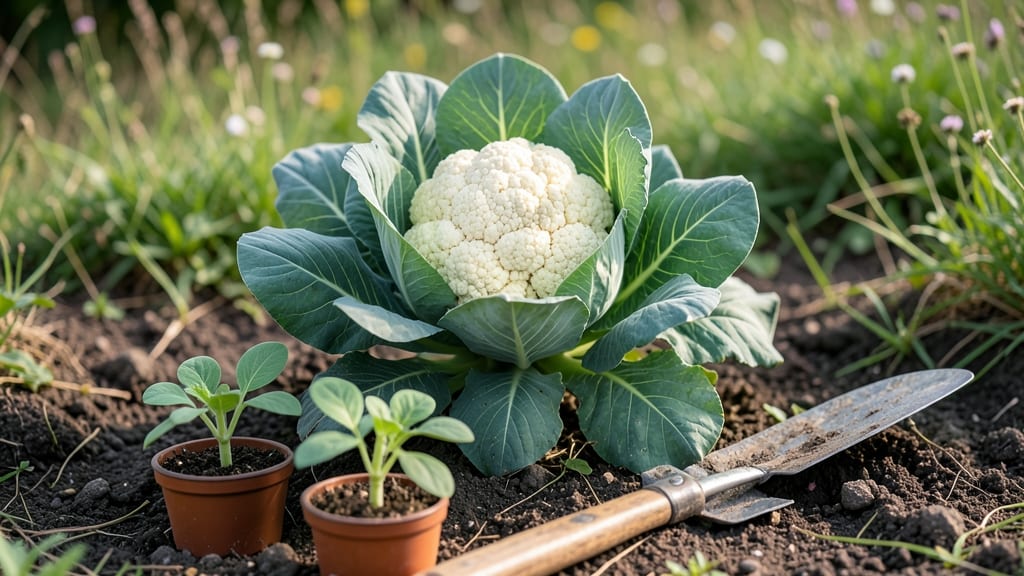
Here are some essential cauliflower planting tips—start with soil warmth (not heat) to coax stubborn seeds into sprouting reliably. 🌱 I’ve battled slow germination for years, but once I cracked the code on soil temperature (and timing), my cauliflower beds transformed from hit-or-miss. to foolproof.
The secret? A balance of cool-season patience and just enough warmth to kickstart growth.
Most gardeners overlook this: cauliflower seeds need soil between 60-70°F to germinate, but they’ll rot if it’s too hot. Start indoors 8-10 weeks before your last frost, using a seedling heat mat if your home runs cool.
Direct-sow after soil warms but before summer’s heat sets in—typically March-April in Zone 5, earlier in warmer climates. Spacing matters too: plant seeds 1/2 inch deep, 18 inches apart, and thin to 24 inches when seedlings hit 2 inches tall.
📚 In This Guide
- What you need
- Instructions
- Tips and common mistakes
- Wrapping up and next steps
What you need
- ● Cauliflower seeds: Choose heirloom or hybrid varieties (e.g., ‘Snowball Y Improved,’ ‘Purple of Sicily’). Start with 2–3 seeds per plant (thin to 1 per spot after germination).
- ● Seed-starting mix: 10–15 lbs of sterile, seedling-specific soil (or blend 50% peat moss, 30% perlite, 20% vermiculite).
- ● Containers: 3–4 inch diameter pots (biodegradable or plastic) for seedlings, or a seed tray with cell inserts.
- ● Grow lights or sunny windowsill: 12–16 hours/day of bright, indirect light (LED grow lights work great).
- ● Transplant pots: 4–6 inch pots or biodegradable peat pots for hardening off seedlings.
- ● Fertilizer: Balanced, water-soluble fertilizer (e.g., 10-10-10 or 5-5-5) diluted to half-strength for seedlings.
- ● Soil thermometer: To monitor soil warmth (60–70°F for germination).
- ● Garden soil: 1–2 cubic yards of well-draining, loamy soil (amend with 2–3 inches of compost per sq. ft.).
- ● Mulch: 2–3 inches of straw or wood chips to retain moisture and warmth.
- ● Watering can or hose with gentle nozzle: For consistent moisture (avoid overhead spraying).
- ● Seedling heat mat: Keeps soil consistently warm (70–75°F) for faster germination.
- ● Row covers or cloches: Protects young plants from frost or pests.
- ● Organic fertilizer (e.g., fish emulsion or compost tea): Boosts nutrient uptake during growth.
- ● Plant markers: Label varieties to avoid mix-ups!
- ● Pruning shears: For harvesting side shoots or trimming yellow leaves.
How to plant cauliflower for rapid germination success
Here's how I guarantee quick starts by leveraging soil warmth and precise timing.
🌱 Step 1: Test and Warm Your Soil First
Cauliflower seeds need soil at 70-80°F to germinate reliably. Use a soil thermometer to check—if it's cooler than 65°F, seeds may rot before sprouting. I cover my garden bed with black plastic mulch 2-3 weeks before planting to raise temperatures naturally. For containers, place them in a sunny window or use a seedling heat mat set to 75°F.
Warm soil speeds germination from 7-14 days to just 3-7 days. The key is patience here—rushing by planting too early just wastes seeds. I always wait until the soil feels warm to the touch (like a cozy bath, not cold). For northern climates, start seeds indoors 6-8 weeks before last frost, then transplant when soil warms.
💧 Step 2: Sow Seeds at the Right Depth and Spacing
Plant seeds ½ inch deep—any deeper and they'll struggle to reach the surface. I use a small dibble or my finger to make holes, then place 2-3 seeds per spot (they germinate unevenly). Space seeds 18-24 inches apart in rows 24-30 inches apart—crowding leads to disease and weak heads. For containers, plant 1 seed per 12-inch pot.
After sowing, water gently with a spray bottle until the soil surface looks uniformly moist but not soggy. Overwatering now causes seeds to wash away or suffocate. I like to mist until water beads form on the soil surface—this signals perfect moisture without drowning seeds. Keep soil consistently moist until germination, but never waterlogged.
☀️ Step 3: Provide Consistent Moisture and Light
Cauliflower seedlings need full sun (6+ hours daily) but must stay evenly moist. I cover newly planted beds with a light row cover or plastic dome to retain warmth and humidity until sprouts appear. For containers, place them in the sunniest spot available—even a south-facing window works if you supplement with a grow light for 14-16 hours daily.
Leggy seedlings mean insufficient light. If stems stretch toward the sun, move the plant closer or add a grow light within 4 inches of the tops. Once first true leaves appear (not the initial cotyledons), remove any cover immediately—trapped humidity invites damping-off disease. Water at soil level to avoid wetting leaves, which can cause rot.
⏰ Step 4: Thin Seedlings for Strong Heads
When seedlings reach 2 inches tall, thin to the strongest plant per spot. Use scissors to snip weak stems at soil level—pulling risks disturbing roots of remaining plants. I always thin on a cloudy day to reduce transplant shock. Leave 18-24 inches between plants to allow heads to develop fully.
Thinning might seem cruel, but it's essential for large, tight curds. Weak competition means your cauliflower will put energy into head formation instead of leafy growth. After thinning, water deeply to help roots establish. You'll see the difference in just 2-3 weeks—plants will have thicker stems and deeper green leaves.
Tips & tricks for perfect cauliflower germination
Fast germination starts with these soil-warmth secrets that cut waiting time in half.
Soil Temperature Precision: Use a soil thermometer to confirm your bed reaches 70-80°F—this is non-negotiable for reliable sprouting. If your thermometer shows 65°F or cooler, seeds will either rot or take weeks to emerge. I've wasted seeds planting too early when soil was just 60°F—don't make that mistake. For containers, a seedling heat mat set to 75°F creates the perfect environment without needing a greenhouse.
Timing Secret for Northern Climates: The 6-8 week indoor starting window before last frost is your golden opportunity. Mark your calendar by counting backward from your average frost date—this gives seedlings enough time to develop strong roots before transplanting. I always set reminders for both the starting date and the transplant date to avoid rushing either step. Pro tip: Use a seedling heat mat during this time to maintain 70°F soil temperatures indoors.
Watering Technique: That spray bottle isn't just for show—it's how you achieve "uniformly moist but not soggy" soil. Aim for water beads on the surface after misting; this tells you moisture is perfect without drowning seeds. I've seen seeds wash away when people pour water directly on them, so take your time here. After germination, switch to watering at soil level to prevent damping-off disease from wetting leaves.
Light Management: Those 14-16 hours of daily light aren't optional—they're what prevents leggy seedlings. If your seedlings start stretching toward the light, you're too far away. Move them within 4 inches of a grow light immediately. I've had to start over with seedlings that became 3 inches tall and still pale because they weren't getting enough light. Once you see first true leaves (not the initial cotyledons), remove any cover to prevent humidity buildup that causes damping-off.
Pro Tips for Cauliflower Planting Tips
- Fast germination starts with these soil-warmth secrets that cut waiting time in half.
- Soil Temperature Precision: Use a soil thermometer to confirm your bed reaches 70-80°F—this is non-negotiable for reliable sprouting.
- Timing Secret for Northern Climates: The 6-8 week indoor starting window before last frost is your golden opportunity.
Frequently asked questions
Got questions about growing your own cauliflower crowns?
Here are answers to the most common ones—from timing to troubleshooting—so you can plant with confidence!
How warm should the soil be for cauliflower seeds to germinate?
Cauliflower seeds need soil temperatures between 50–60°F (10–15°C) to sprout. If your soil is cooler, use a heat mat or start seeds indoors 6–8 weeks before the last frost. Cold soil can delay germination for weeks—or worse, kill seeds entirely!
When is the best time to plant cauliflower?
For spring crops, sow seeds 2–4 weeks before your last frost date (or start indoors earlier). Fall planting works too—sow seeds 8–10 weeks before your first frost in warm climates. Pro tip: Avoid planting in summer heat; cauliflower bolts (goes to seed) when stressed!
Can I grow cauliflower in containers or small spaces?
Choose compact varieties like ‘Purple of Sicily’ or ‘Snowball Y Improved’. Use a 5–7 gallon pot with well-draining soil, place it in full sun, and keep soil consistently moist. Just ensure your container has drainage holes to prevent rot!
Why aren’t my cauliflower seedlings sprouting?
Check these fixes:
- Soil too cold? Warm it with black plastic mulch or a seedling heat mat.
- Not enough moisture? Keep soil damp (not soggy) until sprouts appear.
- Seeds too deep? Cauliflower seeds need light to germinate—plant them only ½ inch deep.
How do I prevent cauliflower from bolting (going to seed) early?
Bolting happens when cauliflower feels heat or drought stress. To prevent it:
- Plant in cool weather (spring/fall) and avoid summer heat.
- Water deeply 1–2 inches per week (keep soil evenly moist).
- Use shade cloth (30–50%) if temps rise above 75°F (24°C).
Wrapping up and next steps
Ready to grow your own cauliflower crown? 🌱 With the right soil warmth, spacing, and care, you’re well on your way to a bountiful harvest! Remember: patience and consistency are key—whether you’re starting seeds indoors or transplanting seedlings, warm soil and steady moisture will set you up for success.
Now that you’ve mastered the cauliflower planting tips, why not take the next step? Try experimenting with different varieties or even companion planting to boost your garden’s productivity. Happy growing—your future meals (and bragging rights!) will thank you. 🥬✨