
Flowers
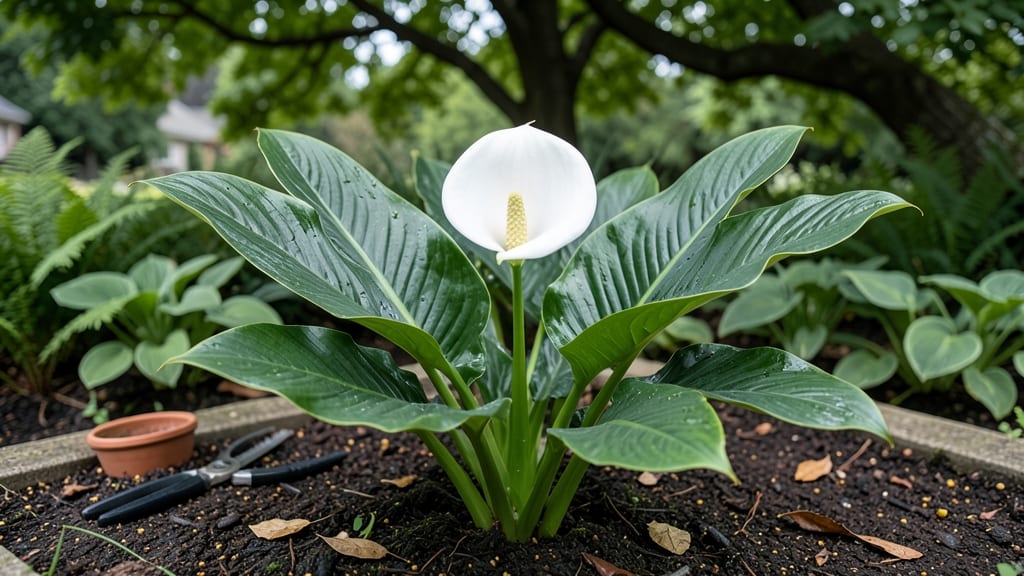
The stunning cala lily flowers bring year-round color to your home—no winter break needed. 🌿 I’ve learned these graceful plants flourish with ease, as long as you master the essentials: fertile soil, bright indirect light, and a few smart pruning moves.
The secret isn’t complicated—it’s about consistency and understanding their quirks.
You’ll need well-draining potting mix, a spot with bright but filtered light, and regular watering that keeps the soil moist but never soggy. Most people overthink it, but cala lilies are forgiving once you get the balance right.
Even in low-light apartments, they’ll reward you with those signature white (or pink!) blooms.
With just four simple pruning rules, you’ll keep them flowering nonstop. Snip spent blooms at the base, trim yellow leaves early, and adjust watering as seasons shift. The payoff? A plant that looks polished year-round with almost no effort.
Works indoors or out—just adapt for your space. Let’s get those blooms going strong!
📚 In This Guide
- What you need
- Instructions
- Tips and common mistakes
- Wrapping up and next steps
What you need
- ● Cala Lily bulbs (Zantedeschia spp.): 3–5 bulbs per plant (choose varieties like Zantedeschia aethiopica for white blooms or Zantedeschia elliottiana for vibrant colors).
- ● Well-draining potting mix: 1–2 bags (5–10 gallons) of high-quality, peat-based or coconut coir mix (add perlite or sand for aeration).
- ● Containers or garden bed: Containers: 12–16" pots with drainage holes (1–2 plants per container).
- ● Garden beds: Partial shade, moist but not waterlogged soil (pH 6.0–7.0).
- ● Fertilizer: Balanced liquid fertilizer (10-10-10) or slow-release granular fertilizer.
- ○ Optional: Organic options like composted manure or worm castings.
- ● Pruning tools: Sharp bypass pruners or clean scissors (sterilized with rubbing alcohol).
- ● Garden gloves (to protect from sap, which can irritate skin).
- ● Watering can or hose with gentle spray (avoid overhead watering to prevent fungal issues).
- ○ Mulch (optional): 2–3 inches of shredded bark or straw to retain moisture.
- ● Grow lights (for indoor setups or low-light conditions).
- ● Soil moisture meter (to monitor watering needs).
- ● Floral preservative (if cutting blooms for arrangements).
- ● Support stakes (for tall varieties like Zantedeschia rehmannii).
How to prune calla lilies for continuous blooms
Here's the straightforward method I've used to keep my calla lilies flowering nonstop—no fancy tools or complicated steps.
🌿 Step 1: Identify and Remove Spent Blooms
After each flower fades, you'll notice the petal-like spathe turning brown and crispy. This is your cue to prune. Use clean, sharp pruners to cut the stem back to the base of the plant—about 1 inch above the soil line. Never leave any dead flower stalks attached; they drain energy from new growth.
I always prune on a dry morning so the cuts heal faster. The goal is to redirect the plant's energy toward producing new rhizomes and flower stalks. Within 2-3 weeks, you'll see fresh shoots pushing through the soil—those are your next blooms waiting to happen.
✂️ Step 2: Thin Overcrowded Foliage
Calla lilies multiply quickly, and too many leaves compete for sunlight and nutrients. Every 4-6 weeks, inspect your plant for leaves that are yellowing at the base or growing too close together. Remove these with your fingers or pruners, cutting at the soil level.
Here's the thing—don't go overboard. You want to maintain a healthy canopy, but not so sparse that the plant can't photosynthesize efficiently. Aim to leave 3-4 healthy leaves per rhizome. This simple thinning keeps air circulating and prevents fungal issues that can rot the rhizomes.
🌱 Step 3: Prune Leggy Growth in Late Summer
If your calla lilies start sending up tall, bare stems with few leaves by late summer, it's time for a hard prune. Cut all the stems back to within 2 inches of the ground. This might look drastic, but it's actually a reset button for the plant.
This step is crucial for winter hardiness. The plant will redirect its energy underground, strengthening the rhizomes for next season. Water deeply after pruning to help the plant recover. You'll see new growth emerging in 3-4 weeks—don't panic if it looks sparse at first.
⏰ Step 4: Winter Dormancy Prep
When temperatures drop below 50°F consistently, your calla lilies will naturally slow down. This is when you should stop all pruning. Instead, focus on reducing water and letting the foliage die back naturally.
Once the leaves have completely browned and died, you can cut them back to the ground. This makes it easier to move the plant indoors if needed, or to cover it with mulch for winter protection. The rhizomes will remain dormant until spring, when you'll see new shoots emerging—proof that your pruning paid off.
Tips & tricks for perfect calla lily pruning
Let me share the little details that'll keep your calla lilies blooming like clockwork all year.
Pruning Timing: The 2-3 week window after removing spent blooms is crucial—this is when the plant shifts energy from flowers to new growth. Mark your calendar right after pruning so you don't miss the next blooming cycle. I keep a small garden journal to track when each bloom appears and when I prune, which helps me anticipate the next round of flowers.
Tool Prep: Always sterilize your pruners between cuts to prevent spreading disease. I dip mine in rubbing alcohol after each use, especially when working with multiple plants. Sharp tools make cleaner cuts that heal faster, which is particularly important for calla lilies since their stems are relatively delicate.
Seasonal Adjustments: In Step 3, when you're doing that late summer hard prune, don't be afraid to go bold—this is your chance to reset the plant. I've seen dramatic turnarounds after this step, with plants that looked nearly dead producing vibrant new growth within weeks. The key is the deep watering afterward to help the plant recover from the shock.
Winter Protection: When temperatures consistently drop below 50°F, focus on protecting the rhizomes rather than the foliage. I've found that covering the base with a thick layer of mulch (about 3-4 inches) provides excellent insulation. This simple step can mean the difference between a plant that survives winter and one that doesn't make it through.
Pro Tips for Cala Lily Flowers
- Let me share the little details that'll keep your calla lilies blooming like clockwork all year.
- Pruning Timing: The 2-3 week window after removing spent blooms is crucial—this is when the plant shifts energy from flowers to new growth.
- Tool Prep: Always sterilize your pruners between cuts to prevent spreading disease.
Frequently asked questions
Got questions about growing and caring for Calla lily flowers? You’re not alone!
Here are answers to the most common queries to help you keep your plants thriving and blooming year-round.
How often should I water my Calla lilies?
Keep the soil consistently moist but not soggy—water when the top 1-2 inches feel dry. Calla lilies love humidity! In hot climates, water daily; in cooler weather, every 2-3 days. Avoid letting them dry out completely, as this can stress the plant and reduce blooms.
When is the best time to prune Calla lilies?
Prune after blooming (late summer/early fall) to encourage new growth. Cut back dead or yellowing foliage to the base, and trim spent flower stalks. Never prune in winter—they’re dormant! For year-round blooms, follow our 4 simple pruning rules in the guide.
Why aren’t my Calla lilies blooming?
Blooms may skip if the plant lacks light, nutrients, or proper dormancy. Ensure they get bright, indirect light (6+ hours/day) and feed with a balanced fertilizer every 4-6 weeks. Overwatering or root-bound pots can also stunt blooms. Try repotting or adjusting care!
Can I grow Calla lilies indoors?
Use a large pot with drainage and place near a sunny window (east or south-facing). Supplement with grow lights if needed. Keep humidity high (pebble trays help!) and avoid drafts. Just mimic their tropical habitat, and they’ll thrive indoors.
What pests commonly attack Calla lilies?
Watch for aphids, spider mites, or slugs. Wipe leaves with soapy water for soft-bodied pests, and handpick slugs at night. For severe infestations, use neem oil. Prevention tip: Keep plants healthy with proper watering and airflow to deter pests.
Are Calla lilies toxic to pets?
Yes!
All parts of Calla lilies (leaves, roots, flowers) contain calcium oxalate crystals, which are toxic if ingested. Keep them away from cats, dogs, and curious kids. Symptoms of poisoning include drooling, vomiting, or oral irritation. Opt for pet-safe alternatives like African violets if needed.
Wrapping up and next steps
Cala lilies bring elegance and year-round blooms to any garden with just a little care—especially when you master their pruning rules. From bright lighting to strategic trimming, these tips ensure vibrant flowers and healthy growth.
Now that you’re armed with the know-how, why not treat yourself to a lush, blooming corner? Start by picking your favorite variety, gathering supplies, and giving your cala lilies the love they deserve—your green thumb is closer than you think! 🌿✨