
Flowers
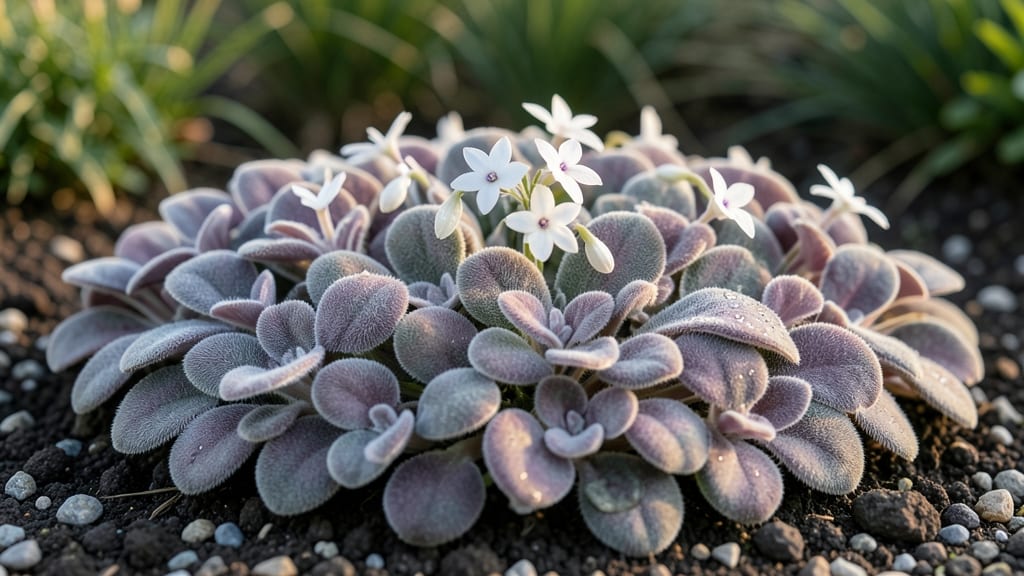
The Purple Moonlight flower (Hesperis matronalis) turns my garden into a dreamy blue haze every spring—no fancy tricks, just seeds and patience. This hardy perennial thrives where others fail, with fragrant blooms that last for weeks and almost no fuss.
I planted mine last fall, and now they self-seed like crazy, spreading joy without extra work. The secret? Cool seasons, well-drained soil, and a spot where they can stretch their legs.
You’ll need a sunny to partially shaded spot with average soil—no need for fancy amendments unless your dirt is heavy clay. Water lightly after planting, then let nature take over; these plants hate soggy roots but love occasional drinks.
Space them 12-18 inches apart to prevent overcrowding, and watch them pop up like clockwork. The first year is all about roots, but by spring two, you’ll have a carpet of violet-blue blooms that hummingbirds adore.
Pruning is the best part—just snip spent blooms to encourage more flowers, and cut back dead foliage in early spring. No shears? No problem; these plants bounce back even if you ignore them.
The real magic happens when they self-seed: purple surprises pop up everywhere, making every corner of the garden feel like a secret garden. Perfect for borders, cottage-style plots, or even container edges where you want color without chaos.
Works in zones 3-8, so whether you’re in a chilly northern climate or a mild southern one, this flower delivers. Pair it with lavender for a fragrant duo or let it mingle with wildflowers for a naturalized look.
Once established, it’s drought-tolerant and pest-resistant—just the kind of plant that makes gardening feel effortless. Ready to grow yours?
📚 In This Guide
- What you need
- Instructions
- Tips and common mistakes
- Wrapping up and next steps
What you need
- ● Purple moonlight flower corms – 2–5 corms (depending on desired cluster size; larger corms yield bigger blooms).
- ● Well-draining potting mix – 1 bag (5–10 gallons) of a blend designed for bulbs or corms (e.g., 50% peat moss, 30% perlite, 20% sand).
- ● Pot or garden bed – Container option: A 6–12-inch-wide pot with drainage holes (terracotta or ceramic works best).
- ● Garden option: A sunny, well-drained spot with loose, rocky soil (or amend clay soil with grit).
- ● Slow-release fertilizer – 1 tbsp of bulb-specific fertilizer (e.g., 10-10-10 or 5-10-10 NPK ratio).
- ● Garden trowel or small shovel – For planting corms 2–3 inches deep.
- ● Watering can or hose with gentle spray – Avoid soggy soil; aim for moist but not waterlogged conditions.
- ● Mulch – 1–2 inches of pine bark or gravel to retain moisture and regulate soil temp.
- ● Plant labels – To track varieties (especially if growing multiple corms).
- ● Grow lights – For indoor growers in low-light areas (LED bulbs, 12+ hours/day).
- ● Pruning shears – For deadheading spent blooms (encourages reblooming!).
Step-by-Step instructions for cultivating purple Moonlight flowers
Here's how to coax those dramatic blue blooms into your space with minimal fuss.
Select the Perfect Planting Location
Purple Moonlight thrives in partial shade to dappled sunlight, making it ideal for woodland gardens, under tall trees, or near north-facing walls. Choose a spot where it receives 3-6 hours of indirect light daily—too much direct sun bleaches the petals, while too little stunts growth. I always test a location first by placing a similar-sized plant there for a week to gauge light conditions.
Well-draining soil is critical—these flowers despise soggy roots. Amend heavy clay with 2-3 inches of organic compost (like the 3 gallons you'll use later) to improve aeration. The ideal soil pH is 6.0-7.0, so test your garden soil before planting. If your soil is too alkaline, add elemental sulfur at planting time to lower the pH gradually.
Plant with Care for Strong Root Establishment
Dig a hole twice as wide as the root ball but only as deep as the container it came in—planting too deep suffocates the crown. Gently loosen the roots if they're circling tightly in the pot, then place the plant in the hole and backfill with the amended soil. Press firmly around the base to eliminate air pockets, but don't compact the soil.
Water immediately after planting with 1 gallon of water to settle the soil and encourage root contact. Mulch the surface with 2-3 inches of shredded bark (using the 2 cubic feet you have) to retain moisture and suppress weeds. Keep the mulch 2 inches away from the stem to prevent rot. Purple Moonlight flowers are sensitive to transplant shock, so avoid fertilizing for the first 4-6 weeks—let the roots establish first.
Maintain Consistent Moisture Without Overwatering
These flowers prefer even moisture but won't tolerate soggy conditions. Water once weekly during the growing season, delivering 1-1.5 gallons per plant each time. Check moisture by sticking your finger 2 inches into the soil—water when it feels dry but not powdery. Overwatering causes yellowing leaves, while underwatering leads to drooping blooms.
In containers, water more frequently—every 3-4 days—since potted plants dry out faster. Always water at the base to avoid wetting the foliage, which can promote fungal diseases. If you notice the leaves curling or wilting slightly by mid-afternoon, it's time to water. Purple Moonlight flowers are drought-tolerant once established, but consistent moisture produces the boldest blooms.
Prune Strategically for Year-Round Blooms
Minimal pruning is the key to their long-lasting beauty. After the first flush of blooms fades, trim back one-third of the oldest stems to encourage new growth. Use clean, sharp pruners to make cuts just above a set of leaves or a bud. Avoid cutting into woody stems—focus on the newer, flexible growth for best results.
Deadhead spent blooms regularly to redirect the plant's energy into producing more flowers rather than setting seed. However, leave a few seed pods if you want to collect seeds for next season. In late winter, prune back any dead or damaged growth, but avoid heavy pruning—these flowers bloom on both old and new wood. A light shaping trim in early spring keeps the plant compact and encourages dense foliage.
Tips & tricks for cultivating purple Moonlight flowers
These subtle yet transformative insights will help you coax the most vibrant blooms from your Purple Moonlight flowers with minimal effort.
Light Testing Strategy: I can't stress enough how critical that initial light test is in Step 1. Place a small plant or even a white paper plate in your chosen location for a full week before planting. If the plate stays cool to the touch and maintains its color, you've got the perfect spot. Direct sunlight will bleach those stunning blue petals within days—trust me, I've learned this the hard way after watching three batches of plants struggle.
Soil Preparation Secret: When amending your soil with the 3 gallons of organic compost in Step 1, mix in a handful of perlite or vermiculite for every 2 gallons. This creates tiny air pockets that prevent compaction while still maintaining moisture retention. The 2-3 inch layer of shredded bark mulch you'll add later works wonders for moisture control, but don't let it touch the stem—this is where most rot problems begin.
Watering Technique: For the weekly watering in Step 3, I recommend using a soaker hose or drip irrigation system that delivers water directly to the soil base. This prevents wetting the foliage while ensuring even moisture distribution. The 2-inch soil moisture check is perfect, but if you're using containers, increase your frequency to every 3-4 days—potted plants dry out dramatically faster than in-ground plantings.
Pruning Precision: When you trim back one-third of the oldest stems in Step 4, focus on stems that are at least pencil-thick and have already bloomed. Make your cuts at a 45-degree angle just above a set of leaves or bud—this encourages new growth while maintaining the plant's natural shape. I always sterilize my pruners with rubbing alcohol between cuts to prevent spreading any potential diseases.
Pro Tips for Purple Moonlight Flower
- These subtle yet transformative insights will help you coax the most vibrant blooms from your Purple Moonlight flowers with minimal effort.
- Light Testing Strategy: I can't stress enough how critical that initial light test is in Step 1.
- Soil Preparation Secret: When amending your soil with the 3 gallons of organic compost in Step 1, mix in a handful of perlite or vermiculite for every 2 gallons.
Frequently asked questions
Got questions about nurturing your purple moonlight flower? You’re not alone! Here are some of the most common queries—plus quick, practical answers to keep your blooms thriving.
How often should I water my purple moonlight flower?
Water moderately—about once a week (or when the top inch of soil feels dry). Overwatering can drown its delicate roots, while underwatering stunts growth. Pro tip: Use well-draining soil and a pot with drainage holes to prevent soggy roots.
Why aren’t my purple moonlight flowers blooming?
Blooms thrive with bright, indirect light (like an east-facing window). If your plant isn’t flowering, check for:
- Low light (move it closer to a window).
- Over-fertilizing (use a balanced fertilizer sparingly in spring/summer).
- Temperature stress (keep it in 60–75°F).
Can purple moonlight flowers survive winter indoors?
These tropical beauties love indoor warmth but need consistent humidity. In dry winter air:
If you’re struggling with care, try these low-maintenance, blue-purple bloomers:
Not at all! These flowers hate heavy pruning—just snip dead blooms to encourage new growth. For leggy stems:
They’ll reward you with year-round color! →
What’s the best alternative if my purple moonlight flower isn’t working?
All three are hardier but still pack a punch!
Do I need to prune my purple moonlight flower often?
Less is more—let it grow naturally for that lush look!
Wrapping up and next steps
The purple moonlight flower isn’t just a stunning addition to your garden—it’s a low-maintenance dream come true! With its bold blue blooms and minimal pruning needs, this beauty thrives year-round with just the right care.
Whether you’re a seasoned gardener or a beginner, its resilience and striking presence make it a must-have for any outdoor space.
Ready to transform your garden? Start by gathering your supplies, then plant with confidence—your purple moonlight flower will reward you with months of vibrant color. 🌸✨ Next step: Pick a sunny spot, prep the soil, and watch the magic unfold!