
Flowers
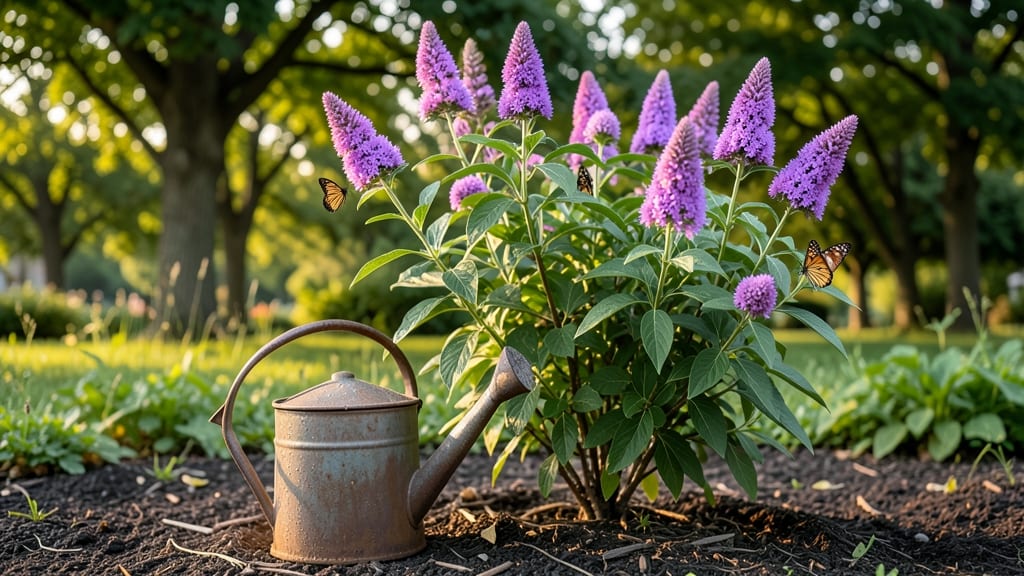
The butterfly love flower transforms any patio into a fluttering paradise with its towering blooms and irresistible allure. 🌸 I planted mine last spring, and within weeks, monarchs, swallowtails, and fritillary butterflies claimed it as their favorite spot.
The secret lies in pairing tall, nectar-rich flowers with trailing vines—creating a vertical buffet that keeps pollinators lingering all season.
You don’t need a sprawling garden to make this magic happen. A single 12-inch container filled with milkweed (for caterpillars), purple coneflowers (for nectar), and trailing lantana (for color) becomes a butterfly magnet.
The key is height variety: place taller flowers in the center, mid-height blooms around them, and cascading plants at the edges. This layered look not only attracts butterflies but also adds dramatic visual impact to small spaces.
By midsummer, your container will buzz with activity—orange and black wings darting between blooms, caterpillars munching on fresh milkweed leaves. The best part? These plants thrive together, requiring minimal fuss once established.
You’ll watch your garden become a living ecosystem, where beauty and ecology intertwine effortlessly. Ready to turn your balcony into a butterfly highway?
Works year-round in warm climates, but in cooler zones, opt for fall-blooming asters or winter pansies to extend the season. The same principles apply—just swap out heat-loving flowers for cold-hardy varieties. Your container will keep the fluttering guests coming, no matter the season.
📚 In This Guide
- What you need
- Instructions
- Tips and common mistakes
- Wrapping up and next steps
What you need
- ● Butterfly Love Flower (Justicia brandegeana) – 3-5 mature plants (or 10-12 young cuttings for propagation). Choose healthy specimens with vibrant foliage and blooming potential.
- ● Vertical Planter or Hanging Basket – A 12-18 inch deep container with drainage holes (e.g., fabric grow bags, macramé hangers, or tiered pots). Ensure it’s lightweight if hanging.
- ● Well-Draining Potting Mix – 1 bag (5-10 quarts) of a lightweight blend (e.g., 50% peat moss, 30% perlite, 20% orchid bark). Avoid heavy garden soil!
- ● Slow-Release Fertilizer – 1 packet (10-12 oz) of balanced fertilizer (10-10-10 or 20-20-20) for tropical plants.
- ○ Moss or Coco Coir Liners – Optional but helpful for moisture retention in hanging setups.
- ● Support Stakes or Trellis – 2-3 lightweight bamboo stakes or a small wire trellis (3-4 inches tall) to guide upward growth.
- ● Watering Can with Rose Spray Nozzle – For gentle, even hydration without disturbing roots.
- ● Decorative Accents – Pebbles, small rocks, or colored gravel (1-2 cups) for drainage and aesthetics.
- ● Moss or Spanish Moss – 1 small handful to add texture and retain moisture.
- ● Slow-Release Granules – Osmocote or similar (1 tbsp) for extended feeding.
- ● Humidity Dome or Clear Plastic Wrap – Temporary cover for the first 2 weeks to help root establishment.
- ● LED Grow Lights – If indoors, 1 small clip-on light (12-15 watts) for 6-8 hours/day.
- ● Access to bright, indirect light (6+ hours/day). Butterfly love flowers thrive in partial shade but need protection from harsh afternoon sun.
- ● A warm environment (65-80°F / 18-27°C). These tropical beauties hate drafts or temps below 55°F (13°C).
- ● Patience! Establishing roots takes 2-4 weeks, and blooms may take 3-6 months to appear.
How to create a stunning Butterfly Love Flower vertical display
Here's how to transform your patio into a fluttering paradise with this bold, cascading beauty.
🌱 Step 1: Select the Perfect Container and Support
Choose a 12-18 inch deep container with drainage holes—terracotta or fiberglass works best for heat retention and weight. I like wide-mouth pots because they make planting and watering easier. The key is height: add a 3-foot tall trellis or obelisk at the center, secured with sturdy stakes or a heavy base.
Butterfly Love Flower (Clitoria ternatea) thrives when climbing, so position the support 3-4 inches from the container edge to give roots room to establish before vines reach upward. If using a tiered planter, place the trellis in the middle tier to create a natural focal point. The vines will twine eagerly once established—no tying required.
☀️ Step 2: Prepare Soil and Plant with Proper Spacing
Fill the container with well-draining potting mix mixed with 20% perlite or orchid bark for aeration. Butterfly Love Flower hates soggy roots, so avoid garden soil. Moisten the mix until it's damp but not dripping, then create a planting hole twice as wide as the root ball.
For four plants, space them 6-8 inches apart around the container's perimeter. Gently tease out any root-bound roots and place each plant so the top of the root ball sits 1 inch below the container rim. This ensures stability as vines grow heavy with blooms. Water lightly after planting to settle the soil.
💧 Step 3: Water and Fertilize for Rapid Establishment
Keep the soil consistently moist for the first 4-6 weeks—check daily and water when the top 1-2 inches feel dry. Butterfly Love Flower loves humidity, so mist leaves occasionally if your climate is dry. Avoid overhead watering once blooms appear to prevent petal damage.
Feed with a balanced liquid fertilizer (10-10-10) diluted to half-strength every 2 weeks during active growth. I switch to a low-nitrogen, high-phosphorus formula (5-10-10) when buds form to encourage more blooms. Stop fertilizing in late summer to prepare for dormancy.
✂️ Step 4: Train Vines and Maintain Blooms
Gently guide vines onto the trellis as they emerge, but never force them—let them twine naturally. Prune leggy growth back to a leaf node to encourage bushier, more productive vines. Deadhead spent blooms regularly to redirect energy into new flowers.
Here's the thing—Butterfly Love Flower blooms best in full sun to partial shade (4-6 hours direct light). If leaves yellow, it's getting too much sun; if blooms fade quickly, it needs more light. Watch for aphids on new growth—spray with neem oil at the first sign to protect delicate flowers.
🪴 Step 5: Overwinter and Prepare for Next Season
When temperatures drop below 50°F at night, move containers to a sheltered spot or indoors near a bright window. Reduce watering but keep soil lightly moist. Prune back one-third of the growth in late winter to stimulate fresh, vigorous new shoots.
This is the moment that matters: In early spring, repot if roots have filled the container. Butterfly Love Flower grows slowly but lives for years—with proper care, your vertical display will become a garden centerpiece that attracts butterflies season after season.
Tips & tricks for perfect Butterfly Love Flower vertical displays
Between us, the secret to making your Butterfly Love Flower display truly spectacular lies in the details—especially when you're working with a plant that thrives on both structure and nurturing. These are the game-changers I wish I'd known when I first tried this.
Container Placement: Position your 12-18 inch deep container in a spot where it receives those crucial 4-6 hours of direct sunlight daily, but with afternoon shade if your climate gets intense. I've learned the hard way that direct midday sun can scorch delicate leaves—especially in tiered planters where the top tiers get extra heat exposure. Rotate the container every few weeks to ensure even growth all around the trellis.
The Soil Secret: That 20% perlite or orchid bark mix isn't just about drainage—it's about creating an airy environment that mimics the plant's natural habitat. I've seen Butterfly Love Flower roots actually rot when planted in regular garden soil, even with drainage holes. Pro tip: Add a handful of worm castings to your potting mix for extra nutrients without risking compaction.
Watering Wisdom: The first 4-6 weeks are critical for root establishment, but don't drown them! I use my finger to check moisture—if the top 1-2 inches feel dry, that's your cue. Here's what nobody tells you: Water at the base rather than overhead once blooms appear. The petals are surprisingly delicate, and water droplets can cause unsightly spots that ruin the dramatic effect.
Lighting Troubleshooting: If your Butterfly Love Flower's leaves start yellowing despite your best efforts, it's likely getting too much sun. Move to a spot with morning sun and afternoon shade—the plant will thank you with vibrant purple blooms. Conversely, if blooms fade quickly or leaves look pale, it needs more light. A simple grow light for 2-3 hours daily can work wonders during cloudy seasons.
Pro Tips for Butterfly Love Flower
- Between us, the secret to making your Butterfly Love Flower display truly spectacular lies in the details—especially when you're working with a plant that thrives on both structure and nurturing.
- Container Placement: Position your 12-18 inch deep container in a spot where it receives those crucial 4-6 hours of direct sunlight daily, but with afternoon shade if your climate gets intense.
- The Soil Secret: That 20% perlite or orchid bark mix isn't just about drainage—it's about creating an airy environment that mimics the plant's natural habitat.
Frequently asked questions
Got questions about growing Butterfly Love Flower (or Lobelia erinus) in containers?
Here are answers to the most common ones—so you can create stunning vertical displays with confidence!
How long does it take for Butterfly Love Flower to bloom after planting?
With proper care, you’ll see Butterfly Love Flower blooms in 6–8 weeks from seed or 4–6 weeks if starting with transplants. For faster results, opt for young plants from nurseries. Keep them in bright, indirect light and water consistently to encourage early flowering!
Can Butterfly Love Flower survive winter in containers?
This tender annual won’t tolerate frost—it thrives in USDA Zones 9–11. If you love its cascading beauty, treat it as an annual or bring containers indoors before temps drop below 40°F (4°C). For year-round growing, overwinter seeds indoors and replant in spring!
Why are my Butterfly Love Flower leaves turning yellow?
Yellow leaves usually signal overwatering or poor drainage. Ensure containers have drainage holes and water only when the top inch of soil feels dry. If leaves are crispy, it’s underwatering. For extra care, use a balanced liquid fertilizer every 2–3 weeks to keep plants lush and vibrant!
What’s a good alternative if Butterfly Love Flower doesn’t thrive in my climate?
If your area is too hot or dry, try these low-maintenance cascading picks:
- Petunia (vibrant blooms, heat-tolerant)
- Bacopa (trailing, drought-resistant)
- Ivy Geranium (shade-friendly, colorful)
- String of Hearts (drought-loving, unique foliage)
How do I keep pests away from my Butterfly Love Flower?
These delicate blooms attract aphids and spider mites, but you can prevent issues with:
- Regularly spraying leaves with water (deters pests)
- Using neem oil or insecticidal soap if pests appear
- Avoiding over-fertilizing (weak plants attract bugs)
Wrapping up and next steps
The Butterfly Love Flower isn’t just a stunning addition to your containers—it’s a symbol of dramatic elegance and resilience. With its striking vertical growth and vibrant hues, it transforms even the smallest space into a breathtaking garden oasis.
Whether you’re a seasoned gardener or just starting, this flower proves that big impact comes in small packages.
Ready to bring this beauty into your life? Start small—grab a container, gather your supplies, and let your green thumb shine! 🌸 And if you’re feeling inspired, why not share your Butterfly Love Flower creations with fellow plant lovers? The world needs more vertical drama!