
Flowers
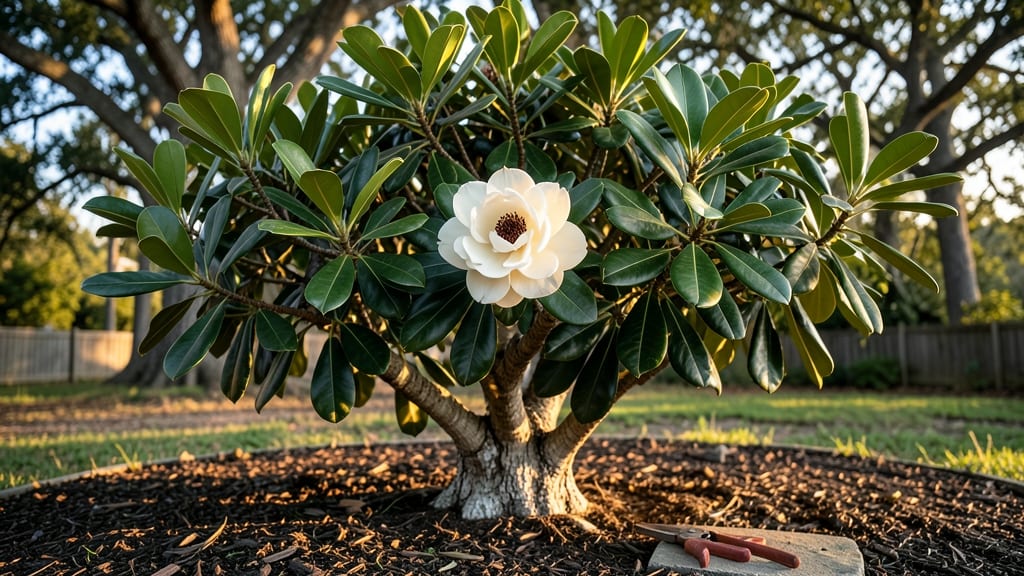
A large magnolia flower isn’t just a plant—it’s a living sculpture that turns any garden into a masterpiece. 🌸 I planted mine near the front walkway, and now it’s the first thing guests notice, its glossy leaves framing blooms the size of dinner plates.
The drama doesn’t end with spring; its bark and seed pods add texture in winter, while summer’s shade keeps the area cool.
These giants thrive as statement plants, but placement matters. Give them 15–20 feet of space to mature, and position them where their scent—like vanilla and citrus—drifts toward seating areas.
Pair with camellias for year-round color or boxwoods for structured contrast. In tropical gardens, they shine alongside bird-of-paradise; in formal spaces, roses or hydrangeas complete the look.
Your garden will feel like a curated gallery, not just a yard. The magnolia’s satiny blooms catch morning light, while its evergreen foliage provides a lush backdrop for seasonal displays. Whether you want romance, drama, or low-maintenance elegance, this tree delivers—with minimal upkeep once established.
Pro tip: Mulch heavily to protect roots, and prune only to shape. The payoff? A focal point that steals the show in every season, with almost no effort after the first few years. Ready to make your garden unforgettable?
📚 In This Guide
- What you need
- Instructions
- Tips and common mistakes
- Wrapping up and next steps
What you need
- ● Large Magnolia Tree: 1-3 mature trees (depending on desired impact) – Magnolia grandiflora (Southern Magnolia) or Magnolia × soulangeana (Saucer Magnolia) for showy blooms.
- ● Size: 10–20 feet tall (or smaller dwarf varieties for containers).
- ● Planting Site: Well-draining, acidic soil (pH 5.0–6.5)—amend with peat moss or compost if needed.
- ● Full sun to partial shade (4–6 hours of sunlight daily).
- ● Space: 15–25 feet apart for mature trees (or 10 feet for smaller varieties).
- ● Tools: Shovel or digging spade
- ● Garden gloves
- ● Pruning shears (for shaping)
- ● Mulch (2–3 inches of pine bark or wood chips)
- ● Slow-release acid-loving plant fertilizer (e.g., azalea/magnolia blend).
- ● Drip irrigation system for consistent moisture.
- ● Container: Large, sturdy pot (15+ gallons) for dwarf magnolias (ensure drainage holes!).
- ● Decorative stakes or trellis for young trees (if needed for support).
- ● Seasonal mulch top-dresser (e.g., pine needles) to retain acidity.
How to plant and care for stunning magnolia trees
Here's the foolproof method I use to establish magnolias that thrive for decades.
🌱 Step 1: Choose the Perfect Planting Location
Magnolias demand full sun to partial shade—at least 6 hours of direct sunlight daily for optimal flowering. I always test the site first by marking where the sun hits at different times of day. Southern exposures work best, but eastern exposures with afternoon shade also perform well.
Dig a hole twice as wide as the root ball but only as deep as the container's base. This encourages roots to spread horizontally rather than settling too deep, which can cause stress. Loosen the sides of the hole with a shovel to prevent compacting the native soil when you backfill.
🪴 Step 2: Prepare Soil and Plant with Care
Magnolias prefer well-draining, slightly acidic soil (pH 5.0-6.5). If your soil is heavy clay or alkaline, amend it with 2-3 inches of organic matter (like the 4 cubic yards of compost you'll need for proper establishment) mixed into the bottom of the hole. Avoid fresh mulch directly against the trunk—keep it 6 inches away to prevent rot.
Remove the tree from its container and gently loosen the roots if they're circling. Place it in the hole so the top of the root ball sits 1-2 inches above ground level. This prevents water from pooling around the trunk during heavy rains. Backfill with native soil, tamping lightly every 6 inches to eliminate air pockets.
💧 Step 3: Water Deeply and Mulch Correctly
Water the newly planted magnolia immediately after planting, giving it 10-15 gallons to settle the soil and eliminate air gaps. Over the next 2-3 weeks, water 2-3 times weekly until the soil is 6-8 inches deep feels consistently moist. Magnolias hate soggy roots but also can't tolerate drought during their first season.
Apply a 3-inch layer of mulch (like the 6 bags of pine straw recommended) over the root zone, extending it outward 2 feet from the trunk. This conserves moisture, regulates soil temperature, and suppresses weeds. But here's the thing—never let mulch touch the trunk. A 6-inch gap prevents fungal diseases that can kill young trees.
☀️ Step 4: Prune for Structure and Health
Wait until spring (after flowering) to prune for the first time. Remove any dead, crossing, or rubbing branches first—these compete for energy and can create entry points for pests. Cut just outside the branch collar (the swollen area where the branch meets the trunk) using clean, sharp pruners to avoid tearing bark.
For shaping, limit yourself to no more than 25% of the tree's foliage in any single pruning session. Magnolias flower on old wood, so avoid heavy pruning in late summer or fall—you'll sacrifice next year's blooms. Thin the canopy from the inside out to improve air circulation and reduce disease risk.
⏰ Step 5: Maintain Through the Seasons
Fertilize lightly in early spring with a balanced, slow-release fertilizer (like the 10 pounds recommended for mature trees). Magnolias aren't heavy feeders—too much nitrogen promotes leafy growth at the expense of flowers. Water deeply once weekly during dry spells, aiming for 1-1.5 inches of water per week. You'll know you're doing it right when the soil feels moist 6 inches down but not soggy.
In winter, protect young trees from salt spray (if near roads) by wrapping the trunk with burlap during heavy snow or ice events. Mature magnolias can handle cold down to -20°F, but their roots are more sensitive. A thick layer of mulch (up to 4 inches) acts like an insulator during freeze-thaw cycles.
Tips & tricks for perfect magnolia planting
Here's what I learned after planting dozens of magnolias—these details make all the difference for long-term success.
The Light Factor: That 6-hour sunlight minimum is non-negotiable for flowering. I've seen magnolias struggle in northern exposures where morning sun gets blocked by buildings. If your site only gets 4-5 hours, consider a southern-facing slope or container planting where you can move the tree for optimal light exposure during winter months.
Root Ball Strategy: When loosening circling roots in Step 2, focus on the outer edges where roots are most compacted. I make 2-3 vertical cuts around the perimeter with a knife to encourage outward growth. This prevents girdling—a common issue where roots strangle the trunk as the tree matures. Use your fingers to gently separate rather than pulling, which can damage delicate feeder roots.
Watering Precision: Those 10-15 gallons immediately after planting should be applied slowly over 20-30 minutes to prevent soil erosion. I use a soaker hose placed at the outer edge of the root zone rather than pouring at the trunk. The goal is to wet the soil to 6-8 inches deep—not just the surface. A moisture meter is worth the investment for verifying proper saturation.
Mulch Mastery: The 3-inch layer of pine straw isn't just for looks—it creates a microclimate that maintains consistent soil temperatures. I always refresh mulch annually in late winter, spreading new material over the old layer rather than removing it completely. This preserves the beneficial fungi network that develops over time. And yes, that 6-inch trunk gap is critical: I've seen powdery mildew outbreaks where mulch touched bark in just two seasons.
Pro Tips for Large Magnolia Flower
- Here's what I learned after planting dozens of magnolias—these details make all the difference for long-term success.
- The Light Factor: That 6-hour sunlight minimum is non-negotiable for flowering.
- Root Ball Strategy: When loosening circling roots in Step 2, focus on the outer edges where roots are most compacted.
Frequently asked questions
Got questions about growing and enjoying large magnolia flowers? You’re not alone—these stunning blooms bring beauty but also unique care needs. Here are answers to the most common queries to help you make the most of your magnolia garden!
How long do large magnolia flowers take to bloom after planting?
Most large magnolia varieties (like Magnolia grandiflora or Magnolia soulangeana) take 3–5 years to produce their first flowers after planting. Patience is key—focus on well-draining soil, consistent watering, and protection from harsh winds during their early years.
Why aren’t my magnolia flowers opening, or are they dropping early?
Early bud drop or failure to open often signals stress. Check for:
- Overwatering (soggy roots = rot)
- Underwatering (drought stress)
- Late frosts (magnolias bloom early!)
- Poor drainage (amend soil with compost)
Can I grow a large magnolia in a container? What size pot do I need?
Yes! Dwarf varieties (like Magnolia ‘Little Gem’) thrive in containers, but standard large magnolias need at least a 20-gallon pot with drainage holes. Use a well-draining potting mix and repot every 2–3 years. Place in partial shade and move indoors if temps drop below 10°F (-12°C).
What’s the best alternative if I want a similar look but lower maintenance?
If magnolias seem high-maintenance, try:
- Crapemyrtle (Lagerstroemia) – Long bloom season, drought-tolerant.
- Japanese Tree Lilac (Sophora japonica) – Fragrant, large flowers, adaptable.
- Crepe Myrtle – Heat-loving, vibrant blooms, and easy pruning.
When is the best time to prune a large magnolia?
Prune immediately after flowering (late spring) to avoid removing next year’s buds. Avoid heavy pruning—magnolias have limited bud formation. Use clean, sharp tools to make cuts just outside the branch collar. Never prune in fall or winter, as this risks frost damage.
Wrapping up and next steps
The large magnolia flower isn’t just a garden stunner—it’s a year-round statement piece that brings elegance, shade, and wildlife appeal to any outdoor space. Whether you’re drawn to its fragrant blooms, lush foliage, or low-maintenance charm, this tree is a must-have for creating drama and tranquility.
Ready to transform your landscape? Start by choosing the perfect variety for your climate, then roll up your sleeves and plant with confidence!
Next steps:
- 🌱 Pick your magnolia—research varieties like 'Ann’ or 'Jane' for bold blooms or 'Little Gem' for compact growth.
- 📅 Plan your planting—spring or fall is ideal for best root establishment.
- ✨ Enjoy the process! Every pruning, mulching, or admiring moment is a step toward your dream garden.