
Flowers
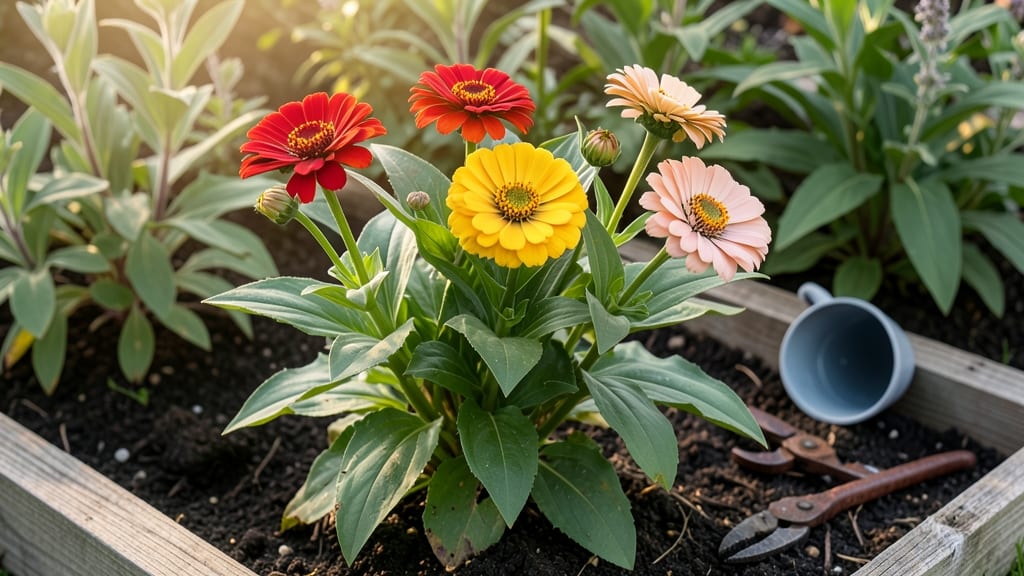
Bright, colorful flowers don’t just brighten your garden—they turn it into a buzzing, humming pollinator paradise that lasts from spring to frost. 🌸 I’ve designed gardens where every season brings a new wave of color, from the first crocuses in March to the last asters in November, all while keeping bees, butterflies, and hummingbirds visiting like old friends.
The secret isn’t just planting pretty flowers—it’s layering them so blooms overlap, creating a nonstop show of color and movement.
Start with a mix of annuals for instant impact (think zinnias, marigolds, and cosmos) and perennials for long-term beauty (like coneflowers, black-eyed Susans, and daylilies). Add native wildflowers for pollinator power, and don’t forget foliage plants like heucheras or ornamental grasses to tie everything together.
A 5-foot border of these layered plants will give you months of color with minimal effort—just deadhead spent blooms and water consistently. The payoff? A garden that feels alive, not just decorated.
You’ll end up with a space that pops with vibrant hues—deep purples, fiery reds, sunny yellows—while supporting local ecosystems. The best part? It’s easier than you think.
Even small spaces can shine with containers filled with trailing nasturtiums or compact salvias, while larger areas can become meadow-style havens with wildflower drifts. The key is contrasting textures and heights—tall snapdragons behind mounding coreopsis, for example—to create depth and drama.
This approach works for any garden style, from formal cottage borders to wild, naturalized plantings. Whether you’re working with a sunny patio or a shady woodland edge, the principles stay the same: layer, repeat, and let nature do the rest.
Ready to transform your yard into a pollinator party? Let’s get planting!
📚 In This Guide
- What you need
- Instructions
- Tips and common mistakes
- Wrapping up and next steps
What you need
- ● Bright, colorful flower seeds or plants: Native wildflowers (e.g., Black-eyed Susan, Coneflower, Milkweed, Bee Balm) – 50+ seeds or 5-10 plants
- ● Annuals (e.g., Marigolds, Zinnias, Sunflowers, Cosmos) – 20-30 seeds or 3-5 plants
- ● Perennials (e.g., Daylilies, Lavender, Salvia, Phlox) – 3-5 plants
- ● Well-draining potting mix or garden soil: 5-10 gallons (amend with compost for nutrient-rich soil)
- ● Containers or garden beds: Containers: 5-10 pots (6"+ diameter) with drainage holes
- ● Garden beds: 1-2 raised beds or in-ground plots (3’x3’ minimum)
- ○ Organic fertilizer (optional but recommended): Balanced 10-10-10 or slow-release granular
- ● Garden tools: Trowel or hand shovel
- ● Pruners (for trimming)
- ○ Gloves (optional but handy!)
- ● Watering supplies: Watering can or hose with adjustable nozzle
- ○ Drip irrigation kit (optional for long-term care)
- ● Sunlight & location: 6+ hours of direct sunlight daily (most pollinator flowers thrive in full sun!)
- ● Water source: Easy access to water for consistent hydration
- ● Pollinator-friendly additives: Rocks or mulch (to retain moisture and deter weeds)
- ● Small water feature (birdbath or shallow dish for butterflies)
- ● Decorative accents: Stakes or trellises (for climbing flowers like Morning Glories)
- ● Painted rocks or signs (to label plants and add charm!)
- ● Seasonal boosters: Late-season bloomers (e.g., Asters, Goldenrod) for extended vibrancy
- ● Native grasses (e.g., Little Bluestem) for texture and wildlife support
How to design a pollinator-friendly flower bed with year-round color
Here's how I create a thriving, buzzing garden that blooms from spring through fall.
🌱 Step 1: Plan for Seasonal Succession and Pollinator Needs
Start by sketching your flower bed layout with 4 distinct zones—each serving a different season. Early spring needs cold-hardy blooms like crocus and bleeding heart, while late fall thrives with asters and goldenrod. I always include 3-5 varieties per season to ensure continuous nectar sources for bees, butterflies, and hummingbirds.
Key to success is layering heights: tall coneflowers and black-eyed Susans at the back, mid-height salvias and bee balm in the middle, and low coreopsis and shasta daisies in front. This creates visual depth while giving pollinators easy access to flowers at different heights.
☀️ Step 2: Select Native Plants for Maximum Impact
Native flowers like purple coneflower and butterfly weed require less water and attract local pollinators more effectively than non-native species. I always check the USDA Plant Hardiness Zone Map to ensure my selections thrive in the local climate—zones 5-9 work well for most perennials.
For extra vibrancy, I mix in annuals like zinnia and marigold for instant color. These self-seed easily, ensuring future blooms without replanting. Plant 3-5 annuals per square foot to fill gaps while perennials establish.
💧 Step 3: Prepare Soil and Plant for Pollinator Success
Amend the soil with 2-3 inches of compost to improve drainage and fertility—pollinators prefer healthy, well-drained plants. I test soil pH (ideal range: 6.0-7.0) and adjust with lime or sulfur if needed. Overly acidic or alkaline soil stresses plants, making them less attractive to pollinators.
Space plants according to their mature size—12-18 inches apart for most perennials, 6-12 inches for annuals. Mulch with 2 inches of organic mulch (like shredded bark) to retain moisture and suppress weeds. Water deeply 2-3 times per week until plants establish roots, then taper to once weekly once blooming begins.
✂️ Step 4: Maintain for Continuous Blooms and Pollinator Health
Deadhead spent blooms weekly to encourage reblooming—this is especially critical for annuals like zinnias and perennials like coneflowers. I use clean, sharp pruners to avoid damaging stems. Leave some seed heads for winter interest and food for birds.
Monitor for pests like aphids or Japanese beetles, which can weaken plants. A strong spray of neem oil (applied in the evening) keeps insects at bay without harming pollinators. Avoid chemical pesticides—they kill bees and butterflies along with pests.
🪴 Step 5: Extend the Season with Strategic Planting
For spring blooms, plant crocus and daffodils in early fall—they naturalize beautifully and emerge early. In late summer, add asters and goldenrod to bridge the gap before fall frost. I also include evergreen shrubs like boxwood or holly for winter structure and berries for birds.
To keep the garden vibrant, I rotate 20-30% of annuals yearly—this prevents soil depletion and keeps the color palette fresh. Group plants with similar water needs together (e.g., drought-tolerant lavender with sedum) to simplify maintenance.
Tips & tricks for perfect pollinator-friendly flower beds
Creating a vibrant, buzzing garden that thrives year-round takes thoughtful planning—and these expert tips will help you avoid common pitfalls while maximizing beauty and pollinator appeal.
Seasonal Layering Strategy: In Step 1, when planning your four seasonal zones, consider adding bulbs like tulips or alliums to the spring section—they provide early nectar and naturalize beautifully. For fall, include Russian sage alongside asters and goldenrod; its silvery foliage adds texture while attracting late-season pollinators. The key is creating visual and functional transitions between seasons so your garden never looks bare.
Native Plant Pairing: Step 2 emphasizes native plants, but here's what nobody tells you—pair natives with complementary annuals that share similar water needs. For example, plant bee balm (which loves moisture) alongside zinnias rather than drought-tolerant lavender. This creates a cohesive microclimate where all plants thrive together. I've seen gardens where mismatched water needs create stressed plants that attract fewer pollinators.
Soil Preparation Secret: When amending soil in Step 3, go beyond compost—mix in 1 cup of bone meal per 10 square feet for phosphorus boost (critical for root development) and 1/2 cup of kelp meal for trace minerals. Test your soil's organic matter content first; aim for 5-10% organic matter for optimal pollinator plant health. The difference between 3% and 8% organic matter can mean the difference between a struggling garden and one that buzzes with activity.
Maintenance Time-Saver: For Step 4's weekly deadheading, I've developed a system that cuts maintenance time in half. Use one pair of pruners for annuals (clean after each plant to prevent disease spread) and another pair for perennials. Keep a small bucket nearby to collect spent blooms—these can be composted or used as mulch. The 10-minute weekly investment prevents the garden from looking overgrown while keeping pollinators well-fed.
Pro Tips for Bright Colorful Flowers
- Creating a vibrant, buzzing garden that thrives year-round takes thoughtful planning—and these expert tips will help you avoid common pitfalls while maximizing beauty and pollinator appeal.
- Seasonal Layering Strategy: In Step 1, when planning your four seasonal zones, consider adding bulbs like tulips or alliums to the spring section—they provide early nectar and naturalize beautifully.
- Native Plant Pairing: Step 2 emphasizes native plants, but here's what nobody tells you—pair natives with complementary annuals that share similar water needs.
Frequently asked questions
Got questions about bright, colorful flowers and their pollinator magic?
You’re in the right place! Here are answers to the most common queries—from care tips to design tricks—to help you create a buzzing, beautiful garden all season long.
What are the best bright flowers to attract pollinators?
Go for native perennials like bee balm, coneflowers, and milkweed—they’re pollinator powerhouses! Annuals like marigolds, zinnias, and sunflowers also pack a punch. Pro tip: Mix colors (purples, blues, yellows) to signal diversity to bees and butterflies!
When is the best time to plant colorful flowers for year-round blooms?
Start in early spring (after last frost) for perennials, or late spring for annuals. For season-long vibrancy, stagger plantings: Add spring bulbs (tulips, daffodils), summer bloomers (black-eyed Susans), and fall favorites (asters, chrysanthemums). Cool-season flowers like pansies thrive in autumn too!
How do I keep my bright flowers blooming all season?
Deadhead spent blooms regularly to encourage reblooming. Water deeply 1–2 times/week (morning is best!), and fertilize with a balanced, slow-release formula in spring. Mulch with 2–3 inches of organic matter to retain moisture and deter weeds.
Can I grow bright flowers in containers or small spaces?
Opt for compact varieties like petunias, geraniums, or dwarf sunflowers. Use well-draining pots (10"+ diameter for perennials) and lightweight soil. Hang window boxes with trailing flowers (e.g., nasturtiums) for vertical color!
Why aren’t bees visiting my colorful flowers?
Check for pesticides (even natural ones can harm pollinators). Ensure flowers have accessible shapes (flat or tubular blooms work best). Plant in sunny spots (6+ hours/day) and add a water source (shallow dish with rocks). If blooms aren’t opening, hand-pollinate gently with a brush!
Wrapping up and next steps
Bright, colorful flowers aren’t just a feast for the eyes—they’re a lifeline for pollinators and a joy to nurture! Whether you’re a seasoned gardener or just starting, these vibrant blooms bring life, color, and purpose to your outdoor space. 🌸
Ready to turn your garden into a buzzing paradise? Start small—pick 2-3 pollinator-friendly flowers and plant them this weekend. Watch as your garden transforms into a thriving haven, one petal at a time! 🐝✨
- Next step: Sketch a simple garden layout or browse seed catalogs for your favorite blooms.
- Pro tip: Invite a friend to join—gardening is always better together!