
Flowers
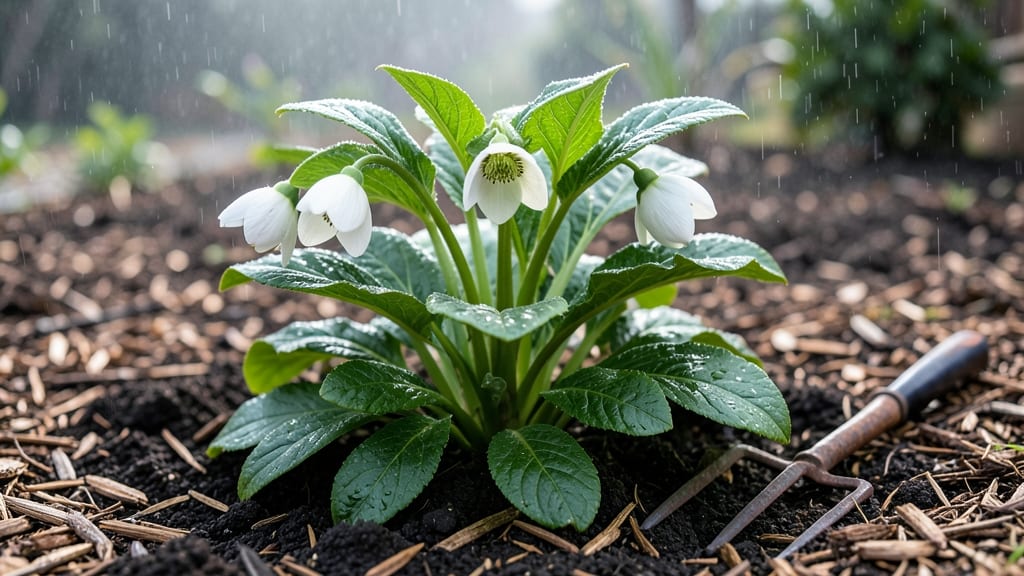
Black hellebore flowers carry a meaning deeper than their striking winter beauty—these dark blooms have long symbolized hope and resilience in the coldest months. 🌱 Known as the "Christmas rose," they’ve appeared in folklore as omens of good fortune, their nodding flowers said to bring luck to those who spot them first after snowfall.
Their velvety petals and evergreen foliage make them a garden design staple, especially in shade gardens where they thrive. Pair them with silver foliage plants like lamb’s ear or soft white blooms like snowdrops to create a serene, almost mystical winter display.
The contrast of their dark blooms against lighter companions adds drama without overwhelming the space.
In history, black hellebores were linked to protection and renewal, often planted near doorways to ward off evil spirits. Today, they serve as a reminder that beauty persists even when the world seems dormant.
Their early spring blooms signal the slow return of light, making them a powerful symbol in any garden.
For a striking winter garden, try grouping them with ferns or hostas to highlight their unique form. The key is to let their dark elegance stand out—no need for flashy neighbors. Their quiet strength will speak for itself once planted.
📚 In This Guide
- What you need
- Instructions
- Tips and common mistakes
- Wrapping up and next steps
What you need
- ● Black hellebore plants (Helleborus niger) – 3-5 mature plants (ensure they’re disease-free and hardy for your climate zone).
- ● Well-draining soil – A mix of 60% garden soil, 30% compost, and 10% perlite or coarse sand (black hellebores hate soggy roots!).
- ● Organic mulch – 2-3 inches of shredded bark or leaf mold to retain moisture and regulate temperature.
- ● Garden gloves – Heavy-duty, breathable (to protect against thorns and soil-borne pathogens).
- ● Trowel or hand shovel – For precise planting without disturbing roots.
- ● Watering can or hose with a gentle spray nozzle – 1-2 gallons per plant for initial watering.
- ○ Fertilizer (optional but recommended) – Balanced 10-10-10 or low-phosphorus fertilizer (e.g., 5-5-5) for established plants.
- ● Fish emulsion or compost tea (for a natural, nutrient boost).
- ● Slow-release fertilizer pellets – Sprinkle around the base in early spring for a season-long nutrient supply.
- ● Epsom salt – 1 tablespoon per gallon of water (monthly spray to boost magnesium and prevent yellowing leaves).
- ● Fungicide (preventative) – Copper-based or neem oil spray (to ward off powdery mildew in humid climates).
- ● Decorative stones or pebbles – For a garden aesthetic that complements their dark, dramatic foliage.
- ● Plant markers – Engraved or painted stones to label varieties (especially useful if you’re experimenting with hybrids!).
How to cultivate and care for black hellebore flowers
These striking winter blooms thrive with minimal fuss once you know their secrets.
🌱 Step 1: Choose the Perfect Planting Location
Black hellebores love dappled shade—think morning sun with afternoon shade protection. Too much direct sun scorches their dark leaves, while deep shade makes them flop. I always plant mine near deciduous trees or on the north side of buildings where they get filtered light year-round.
Here's the thing—they hate soggy roots but need consistent moisture. Amend heavy clay soil with 2-3 inches of compost to improve drainage while keeping moisture. Work the compost into the top 6 inches of soil where the roots will spread. A slight mound in the planting hole helps prevent water pooling around the crown.
☀️ Step 2: Plant at the Right Time and Depth
Fall is ideal—plant 6-8 weeks before your first frost so roots establish before winter. Dig a hole twice as wide as the root ball but only as deep as the top of the root ball. Black hellebores resent being buried too deep, which can cause rot.
Gently remove the plant from its container and loosen any circling roots with your fingers. Place it in the hole so the crown sits just below soil level—never deeper. The reason we don't bury the crown is that hellebores naturally grow in woodland understories where they experience seasonal moisture changes without being smothered.
💧 Step 3: Water Deeply After Planting
Give newly planted hellebores a deep watering immediately after planting, then again in 7-10 days unless rainfall provides 1 inch of moisture. You'll know they're getting enough water when the soil feels damp 2 inches below the surface. Overwatering is the quickest way to kill them—these plants prefer dry feet in summer.
After the first year, they're remarkably drought-tolerant. I water mine only during prolonged dry spells in summer, and they bounce back beautifully. The key is to let the top 2 inches of soil dry out completely between waterings once established.
✂️ Step 4: Deadhead and Divide Every 3-4 Years
Remove spent flower stems by cutting them back to the base in early spring before new growth appears. This prevents seed production and directs energy into stronger foliage. I always use clean, sharp pruners to avoid damaging the crown—hellebores heal slowly from cuts.
Divide clumps in early fall when the plants are dormant. Dig up the entire plant, separate the rhizomes with your hands (no sharp tools!), and replant the healthiest divisions immediately. Each division should have 3-5 growth buds. This keeps your plants vigorous and prevents overcrowding, which leads to smaller blooms.
🌿 Step 5: Protect from Slugs and Deer
Black hellebores are slug magnets—these pests adore their tender new growth. I create a 2-inch tall barrier of coarse sand around each plant in early spring. The gritty texture deters slugs without harming the plants. For deer-prone areas, a light sprinkle of hot pepper flakes around the base works wonders.
Here's what I've learned: If you lose a few leaves to slugs, don't panic. Hellebores are tough. They'll regrow from the base as long as the crown remains intact. The real damage comes from deer browsing—once they taste the leaves, they'll return. A temporary fence or repellent spray during early growth prevents this completely.
Tips & tricks for cultivating black hellebore flowers
Black hellebores might look delicate, but they're actually tougher than you think. Here's what nobody tells you about growing these winter beauties.
Location Secret: That "dappled shade" isn't just poetic language—it's critical. I've learned the hard way that even a few hours of afternoon sun can scorch their leaves. Look for spots where sunlight filters through tree branches or where buildings cast shadows. If your yard has only full sun or deep shade, consider planting hellebores in containers where you can move them seasonally.
Soil Science: The key to happy hellebores is that perfect balance of moisture and drainage. I always test my soil by pressing my finger 2 inches down—if it's soggy, I know I need more compost. For heavy clay soils, mix in 2-3 inches of compost and create a slight mound when planting to prevent water pooling. This mimics their natural woodland habitat where moisture drains away quickly after rain.
Planting Precision: Don't bury the crown! I made this mistake my first year and lost two plants to rot. The crown should sit just below soil level—no deeper. Think of it like planting a tree: the root flare should be visible above the soil line. This allows the plant to handle seasonal moisture changes without sitting in wet soil during winter.
Pest Prevention: The 2-inch sand barrier around each plant is my secret weapon against slugs. I apply it in early spring when slugs become most active. For deer country, I've had great success with a light sprinkle of hot pepper flakes around the base—it's harmless to the plants but deer absolutely hate the taste. Reapply after rain to maintain effectiveness.
Pro Tips for Black Hellebore Flower Meaning
- Black hellebores might look delicate, but they're actually tougher than you think.
- Location Secret: That "dappled shade" isn't just poetic language—it's critical.
- Soil Science: The key to happy hellebores is that perfect balance of moisture and drainage.
Frequently asked questions
about black hellebore flowers—because curiosity deserves answers! Whether you're drawn to their striking beauty or symbolic meaning, here’s what you need to know.What’s the best time to plant black hellebore flowers for winter blooms?
Plant black hellebore in early fall (September-October) or late winter (February-March) for the best results. This gives roots time to establish before winter, ensuring vibrant blooms when most gardens are dormant. Choose a shady spot with well-draining soil—it thrives in cool, moist conditions!
Are black hellebore flowers toxic to pets or children?
Yes! All parts of the plant—leaves, stems, and flowers—contain toxic alkaloids. If ingested, they can cause nausea, vomiting, or skin irritation. Keep them out of reach of pets and kids, and wear gloves when handling. Opt for pet-safe alternatives like heuchera or hostas if safety is a concern.
How can I extend the blooming season of black hellebore?
Black hellebore blooms early, but you can prune spent flowers to encourage a second flush. Deadhead after blooming (but before seed pods form) to redirect energy. Also, mulch well in winter—this protects roots and may prompt earlier spring blooms. Avoid over-fertilizing, as rich soil can reduce flowering.
What are some great alternatives to black hellebore for winter interest?
If black hellebore isn’t your style, try these winter-hardy, shade-loving plants:
- Christmas rose (Helleborus niger) – Classic white blooms in deep shade.
- Winter aconite (Eranthis hyemalis) – Bright yellow flowers in late winter.
- Dwarf conifers (e.g., Picea pungens ‘Glauca Globosa’) – Evergreen structure.
- Coral bells (Heuchera) – Stunning foliage in purple, silver, or lime.
Why are my black hellebore leaves turning yellow or spotted?
Yellowing or spotted leaves usually signal fungal issues (like leaf spot) or overwatering. Improve airflow by spacing plants 12–18 inches apart and avoid wet foliage. For fungal problems, remove affected leaves and apply neem oil or copper fungicide. Ensure soil drains well—hellebores hate soggy roots!
Wrapping up and next steps
The black hellebore flower stands as a powerful symbol of hope, resilience, and mystery—a beacon of light in the darkest winter months. Its deep meaning, from ancient folklore to modern gardening, reminds us that beauty and strength often emerge when we least expect them.
Whether you’re drawn to its lore or its striking presence, let this flower inspire you to embrace challenges with grace.
Ready to invite its magic into your life? 🌱 Start by planting one in your garden or gifting it to someone who needs a reminder of their inner strength. Even a small bloom can spark a season of renewal!