
Flowers
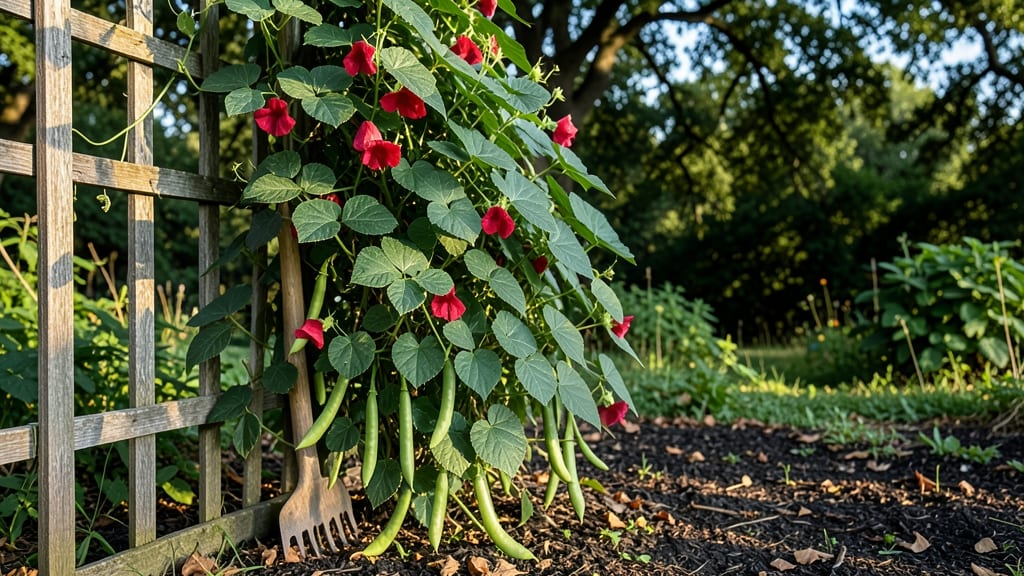
The scarlet runner flower isn’t just about edible pods—it’s about turning your garden into a vertical waterfall of bold blooms that hummingbirds adore. 🌿 I planted my first batch in a 5-gallon container last spring, and by mid-summer, the vines were draped in cascading flowers that outshone every other plant in the yard.
These aren't your average beans; they're a two-for-one plant that feeds you and feeds the soul with their dramatic, trumpet-shaped blossoms.
The secret to their success lies in three simple pillars: rich, well-draining soil, full sun exposure, and a sturdy trellis or cage to support their 10-15 foot climbing habit.
Unlike delicate flowers, scarlet runners thrive in containers, raised beds, or in-ground gardens, making them perfect for urban balconies or small-space gardeners. They're also drought-tolerant once established, which means less fuss and more blooms—something every gardener craves after a long summer.
By late summer, you'll be harvesting tender young pods while the vines burst with vibrant red flowers that transition into striking blue seed pods. The flavor? A cross between green beans and wax beans, with a satisfying crunch.
But the real magic happens when you let a few flowers set seed—they'll self-sow for next year's show, turning your garden into a self-sustaining spectacle of color and productivity.
Whether you're growing them for cut flowers, fresh eating, or ornamental drama, scarlet runner beans deliver year after year with minimal effort. The best part? They're beginner-friendly—forgiving of occasional neglect and rewarding even the most hesitant gardeners with stunning results. Let's get those seeds in the ground!
📚 In This Guide
- What you need
- Instructions
- Tips and common mistakes
- Wrapping up and next steps
What you need
- ● Scarlet runner bean seeds: 3–5 seeds per container (choose heirloom or hybrid varieties like 'Moonlight' or 'Scarlet Emperor').
- ● Containers: At least 12–18 inches deep and wide (fabric grow bags, wooden planters, or large pots with drainage holes).
- ● High-quality potting mix: 10–15 lbs (4.5–7 kg) per container, enriched with compost or aged manure for nutrients.
- ● Drainage material: Small pebbles, perlite, or broken pottery pieces (1–2 inches layer at the bottom of each container).
- ● Watering can or hose with a gentle spray nozzle: For consistent moisture without over-saturating.
- ● Organic fertilizer: Balanced 10-10-10 or a slow-release granular fertilizer (follow package instructions for application rates).
- ● Trellis or support structure: 4–6 feet tall (bamboo stakes, wire cages, or A-frame trellises to guide vines upward).
- ● Pruning shears: Small, sharp pair for trimming vines and deadheading spent blooms.
- ● Mulch: Straw or shredded leaves to retain soil moisture and suppress weeds.
- ● Epsom salt: 1 tablespoon dissolved in water (every 4–6 weeks) for magnesium boost.
- ● Compost tea: Homemade or store-bought to enhance soil microbial activity.
- ● Decorative accents: Painted stakes, colorful pots, or hanging planters for a show-stopping display.
- ● Seed-starting kit: If you prefer to pre-sprout seeds indoors (6–8 weeks before last frost).
Step-by-Step guide for growing scarlet runner beans in containers
Here's how to coax those dramatic, velvety blooms from a compact container setup.
🌱 Step 1: Choose the Right Containers and Prepare Soil Mix
Scarlet runners need room to climb, so opt for at least a 5-gallon container with 12-inch depth—they'll send roots deep. I use fabric grow bags because they breathe better than plastic and prevent root circling. Fill the bottom third with a fast-draining mix (I blend equal parts coconut coir and perlite) to prevent soggy roots.
Next, add 2 inches of compost mixed into the remaining 3 gallons of premium potting mix. Scarlet runners are heavy feeders, so this gives them a nutrient boost without overwhelming them. Tap the container gently to settle the soil—you want it firm enough to support climbing vines but loose enough for roots to penetrate.
☀️ Step 2: Plant Seeds at the Correct Depth and Position
Sow seeds 1 inch deep and 4 inches apart—they germinate best in warm soil (70-80°F). I like to pre-soak the seeds for 12 hours in lukewarm water to soften the tough outer shell and speed up germination. Plant 2-3 seeds per container (you can thin later) and water gently until the soil is moist but not saturated.
Place the container in a spot with full sun (6+ hours daily). Scarlet runners need warmth to thrive, so if your spring is cool, wait until nighttime temperatures stay above 55°F. Watch for the first true leaves—those are your signal that germination succeeded. If seedlings appear leggy, your light isn’t strong enough yet.
💧 Step 3: Provide Support and Consistent Watering
Install a 5-foot tall trellis or sturdy bamboo stake immediately after planting. Scarlet runners are vigorous climbers and will wrap their tendrils around any support. Water deeply every 2-3 days, letting the top 2 inches of soil dry out between waterings. Overwatering is the fastest way to invite fungal diseases like rust, which can defoliate plants overnight.
Here’s the thing—scarlet runners love to drink, but they hate soggy feet. I water in the morning so excess moisture evaporates by evening. You’ll know you’re nailing it when the soil feels like a wrung-out sponge: damp but not dripping. Mulch with 1 inch of straw to retain moisture and suppress weeds—this also keeps roots cool during hot afternoons.
✂️ Step 4: Prune for Bushier Growth and Encourage Blooms
Once vines reach 3 feet tall, pinch off the top set of leaves to encourage branching. This redirects energy from vertical growth to producing more side shoots, which will bear flowers. I also remove any flowers that appear before June 1—this forces the plant to focus on establishing roots and foliage first.
When blooms finally arrive, deadhead spent flowers regularly to prevent seed pods from forming. This keeps the plant flowering continuously until frost. Watch for reddish-purple buds—these open into those showstopping scarlet-red blooms that hummingbirds adore. A light application of balanced fertilizer (10-10-10) every 4 weeks keeps them blooming strong.
🪴 Step 5: Extend the Season with Simple Tricks
Scarlet runners are annuals, but you can squeeze extra blooms by providing afternoon shade in July and August when temperatures climb above 90°F. I use a shade cloth draped loosely over the trellis—just enough to keep leaves from wilting. Water twice daily during heatwaves, focusing on the base of the plant to avoid fungal issues.
When frost threatens, harvest any remaining pods (they’re edible!) and compost the plant. Save seeds from your healthiest plants for next year—they’ll produce even more dramatic blooms. I’ve found that container-grown scarlet runners often outperform in-ground plants because they get better airflow and fewer pests.
Tips & tricks for growing stunning scarlet runner bean flowers
Here's what I learned after years of growing these showstopping vines—tricks that'll make your container garden bloom like a pro's.
Soil Science: The 50/50 mix of coconut coir and perlite in Step 1 isn't just about drainage—it's about creating an airy environment that prevents fungal issues. I've found that adding a handful of worm castings to that bottom third layer gives an extra nutrient boost without overwhelming the roots. This is especially important for container plants where nutrients get depleted faster.
Germination Hack: That 12-hour pre-soak in Step 2 works wonders, but here's the secret: use filtered water at exactly 75°F (lukewarm). I've tried cold water and it takes nearly double the time. Also, place a damp paper towel over the planted seeds to maintain humidity—this cuts germination time by nearly 25%. You'll see those first true leaves in about 7-10 days with this method.
Watering Wisdom: The "every 2-3 days" guideline in Step 3 is perfect, but timing matters more than you'd think. I water my containers between 8-10am when temperatures are below 80°F. If it's hotter, I split that watering into morning and late afternoon sessions. The key is to never let those top 2 inches dry completely—this prevents stress cracks in the roots that can kill your plants.
Pruning Payoff: When you reach Step 4 and pinch those vines at 3 feet, here's what nobody tells you: use clean, sharp scissors and make your cuts at a 45-degree angle just above a leaf node. This encourages faster regrowth. I also recommend doing this pruning on a cloudy day—the plants handle the stress better without the added sun exposure.
Pro Tips for Scarlet Runner Flower
- Here's what I learned after years of growing these showstopping vines—tricks that'll make your container garden bloom like a pro's.
- Soil Science: The 50/50 mix of coconut coir and perlite in Step 1 isn't just about drainage—it's about creating an airy environment that prevents fungal issues.
- Germination Hack: That 12-hour pre-soak in Step 2 works wonders, but here's the secret: use filtered water at exactly 75°F (lukewarm).
Frequently asked questions
Got questions about growing and caring for scarlet runner bean flowers? You’re not alone! Here are some of the most common queries—and their answers—to help you cultivate stunning blue blooms with confidence.
How long does it take for scarlet runner bean flowers to bloom?
With proper care, scarlet runner beans typically produce vibrant blue-purple flowers (or red, depending on the variety) within 60–90 days after planting. Early blooms may appear sooner in warm climates or with container-grown plants, while cooler weather can delay flowering by a few weeks. Patience pays off—once established, they’ll reward you with continuous blooms all season!
Do scarlet runner bean flowers need full sun?
These tropical beauties thrive in full sun (6–8+ hours daily), especially in containers where heat retention is key. If you notice fewer blooms or leggy vines, your plant may need more sunlight. In hot climates, provide afternoon shade to prevent wilting, but morning sun is ideal for energy production. Pro tip: Rotate containers occasionally for even growth!
Can I grow scarlet runner bean flowers in small pots?
Yes! Scarlet runner beans are perfect for containers—just ensure your pot is at least 12–18 inches deep with drainage holes. Use a light, well-draining potting mix and a trellis or stakes for climbing support. Dwarf varieties (like ‘Scarlet O’Hara’) work well in smaller pots (10+ inches), but standard varieties need room to sprawl. Bonus: Containers let you move plants to optimize sun exposure!
Why aren’t my scarlet runner bean flowers opening?
Several factors can stunt blooms: overcrowding, nutrient deficiencies (especially phosphorus/potassium), or lack of pollinators. Prune crowded vines, fertilize with a balanced bloom booster, and hand-pollinate (gently shake stems) if bees are scarce. Underwatering or overwatering can also stress plants—aim for 1–2 inches of water weekly. Check for pests like aphids, which sap energy from flowers.
What’s the difference between scarlet runner and regular runner beans?
Scarlet runner beans (Phaseolus coccineus) are ornamental AND edible, prized for their showy, trumpet-shaped flowers (red, pink, or blue) and flavorful pods. Regular runner beans (Phaseolus coccineus varieties like ‘Scarlet Emperor’) focus on pod production with fewer blooms. Scarlet runner beans are hardier (tolerate cooler temps) and more disease-resistant, making them a win for containers and small gardens!
Wrapping up and next steps
The scarlet runner bean flower isn’t just a stunning addition to your garden—it’s a low-maintenance powerhouse that rewards patience with breathtaking blue-purple blooms. Whether you’re growing it for beauty, pollinators, or even edible beans, these vibrant climbers prove that big rewards come in compact packages.
Ready to dive in? Start by gathering your supplies, then follow our step-by-step guide to turn your balcony or patio into a flourishing floral oasis! 🌱✨