
Flowers
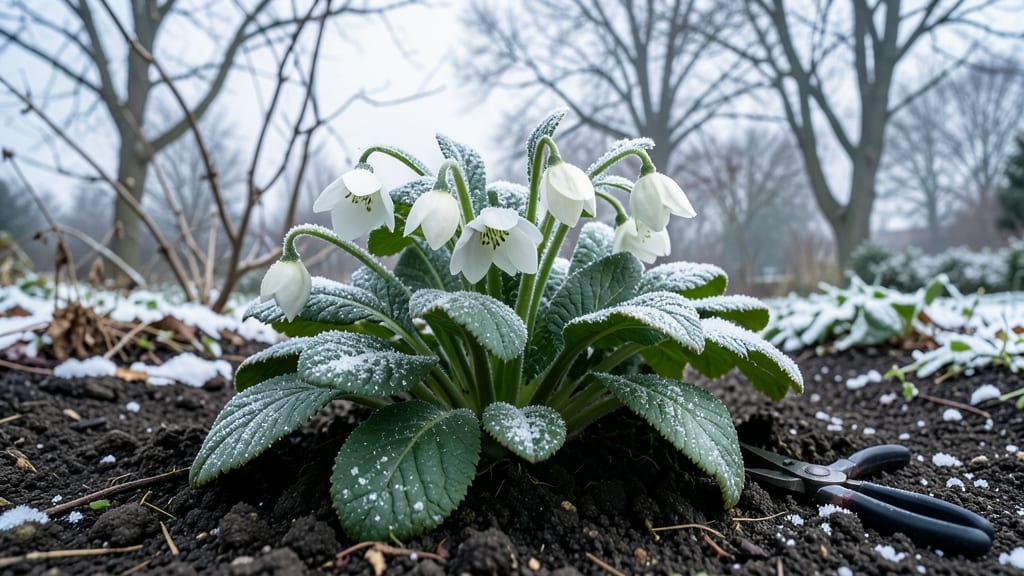
Winter doesn’t have to mean bare branches—some flowers thrive in snow and frost, pushing through the cold to bring color when everything else sleeps. 🌱 I’ve grown snowdrops, hellebores, and winter jasmine in my Zone 5 garden for years, and they’ve never failed to deliver delicate blooms even after fresh snowfall.
The secret lies in choosing the right varieties and giving them the proper care before the ground freezes.
These hardy flowers need minimal fuss once planted: well-draining soil, a spot with winter sun, and a thick layer of mulch to protect roots.
Snowdrops and hellebores, for example, bloom in late winter when most gardens are still dormant, while winter jasmine adds bright yellow cheer as soon as the coldest months ease. Plant them in fall for the best results—they’ll establish roots before winter hits.
What you’ll end up with is a garden that feels alive even in January. Imagine snowdrops nodding under a dusting of fresh snow, their white bells standing out against the white landscape, or hellebores’ deep green leaves and nodding flowers providing structure when everything else is bare.
These plants are the unsung heroes of winter gardening, rewarding patience with beauty when it’s needed most.
Whether you’re designing a full winter border or just adding a few pots to your porch, these flowers adapt easily to containers or garden beds. The key is starting with the right varieties and giving them the protection they need before the first frost. Let’s get those blooms going!
📚 In This Guide
- What you need
- Instructions
- Tips and common mistakes
- Wrapping up and next steps
What you need
- ● Hardy winter flowers: Hellebores (2-3 plants)
- ● Snowdrops (5-10 bulbs)
- ● Winter jasmine (1-2 vines)
- ● Pansies (6-8 plants)
- ● Cyclamen (3-4 tubers)
- ● Potting soil: 1 bag (10-15 lbs) of well-draining, peat-based mix (or add perlite for aeration)
- ● Containers: 1-2 ceramic or terracotta pots (8-12” diameter)
- ● OR a raised garden bed (if planting outdoors)
- ● Tools: Trowel (for planting)
- ● Pruning shears (for trimming dead foliage)
- ● Spray bottle (for misting)
- ● Mulch: Straw or shredded leaves (1-2 inches) to insulate roots
- ● Slow-release fertilizer (for potted plants)
- ● Decorative pebbles or moss (for a wintery aesthetic)
- ● Mini greenhouse or cold frame (to extend bloom time)
- ● Watering can with a fine rose (for gentle hydration)
Step-by-step guide for growing cold-hardy winter flowers
These hardy blooms bring color to your garden even when snowflakes start to fall.
🌱 Step 1: Select Frost-Resistant Flower Varieties
Choose plants known for winter hardiness like snowdrops (Galanthus), hellebores, winter aconite, or pansies. These varieties thrive in 20-30°F temperatures and often bloom before spring arrives. I always pick plants labeled "cold-hardy" or "winter-blooming" to ensure success.
Check the USDA hardiness zone on the plant tag—aim for varieties rated for your zone or lower. For example, snowdrops (Zone 3) outperform many spring bulbs in harsh winters. If you're unsure, ask your local nursery for cold-climate recommendations.
🪴 Step 2: Prepare the Planting Site for Winter Conditions
Select a spot with partial shade—morning sun and afternoon shade protect delicate blooms from harsh afternoon winds. Amend the soil with 2-3 inches of compost to improve drainage, which prevents root rot in cold, wet soil. I like to work compost into the top 6 inches of soil before planting.
Mulch heavily with 4-6 inches of straw or shredded leaves after planting to insulate roots. This layer traps heat from the earth and shields plants from temperature swings. Wait until ground freezes before adding mulch—early mulching can smother young plants.
☀️ Step 3: Plant in Late Summer or Early Fall
Timing is critical—plant 6-8 weeks before your first frost date so roots establish before winter. Dig holes twice as wide as the root ball but only as deep as the container. This encourages root spread without burying the crown too deeply.
Space plants 12-18 inches apart for good airflow, which reduces fungal diseases common in damp winter conditions. Water deeply after planting to settle the soil around roots. You'll know it's right when moisture reaches 6 inches deep—check with a trowel.
💧 Step 4: Water and Protect Through Winter
Water deeply every 2-3 weeks during fall if rainfall is scarce—dry soil freezes more easily. Reduce watering as temperatures drop below 40°F to prevent soil from becoming waterlogged. I always use a soaker hose to deliver moisture directly to roots without wetting foliage.
Add a cloche or frost blanket during extreme cold snaps (below 15°F) to protect tender blooms. Remove these covers on sunny days above freezing to prevent overheating. Watch for signs of stress like wilting or brown spots—these indicate the plant needs temporary shelter.
✂️ Step 5: Prune and Maintain for Next Year's Blooms
After flowering, cut back dead stems to 2 inches above the ground to redirect energy to next year's growth. I always clean up debris immediately—this prevents pests and diseases from overwintering in your garden. Leave foliage on perennials like hellebores until spring, as it insulates the crown.
Fertilize lightly in early spring with a balanced 10-10-10 formula to encourage new growth. Avoid heavy feeding in fall—it stimulates tender new growth that won't survive winter. Your goal is to strengthen roots, not foliage, before the cold sets in.
Tips & tricks for perfect frost-kissed winter blooms
Your winter garden can be a stunning sight—here’s how to give these hardy beauties the best possible start.
Variety Selection: When choosing plants like snowdrops or hellebores, look for those labeled "Zone 3 or lower" for maximum cold resilience. These varieties have thicker stems and deeper roots that naturally withstand freezing temperatures better than their spring counterparts. I’ve found that snowdrops with broader leaves tend to handle snow cover particularly well.
Soil Prep Secret: The 2-3 inches of compost we work into the top 6 inches of soil isn’t just about nutrients—it’s about creating a sponge-like texture that holds moisture while allowing excess water to drain. For clay-heavy soils, mix in some coarse sand to prevent that dreaded waterlogging that can freeze roots solid. This is especially important in Step 2 when preparing your site.
Mulching Mastery: That 4-6 inches of straw or leaves isn’t just decoration—it’s insulation. The key is adding it after the ground freezes to avoid smothering new roots. I’ve learned the hard way that mulching too early can create a damp, suffocating environment that actually damages tender plants. For extra protection during extreme cold snaps (below 15°F), I double the mulch layer around particularly delicate varieties.
Planting Timing: The 6-8 week window before your first frost is crucial for root establishment. If you’re in a warmer climate where frost comes late, you might need to plant slightly earlier. I always check my local frost date calendar and add 2 extra weeks as a buffer—better safe than sorry when it comes to root development.
Pro Tips for Snow Winter Flower
- Your winter garden can be a stunning sight—here’s how to give these hardy beauties the best possible start.
- Variety Selection: When choosing plants like snowdrops or hellebores, look for those labeled "Zone 3 or lower" for maximum cold resilience.
- Soil Prep Secret: The 2-3 inches of compost we work into the top 6 inches of soil isn’t just about nutrients—it’s about creating a sponge-like texture that holds moisture while allowing excess water to drain.
Frequently asked questions
Got questions about growing snow winter flowers that defy the cold? You’re not alone! Below are answers to the most common queries—from timing to troubleshooting—so you can cultivate frost-kissed blooms with confidence.
Can snow winter flowers survive heavy snowfall or freezing rain?
Yes! Hardy varieties like Hellebores (Lenten roses) and Winter Aconite thrive under snow—it actually protects their roots. However, avoid delicate blooms (e.g., Snowdrops) from prolonged ice buildup. Gently brush off snow to prevent stem damage.
When is the best time to plant snow winter flowers?
Plant in early fall (4–6 weeks before frost) or late winter (just as snow melts). This gives roots time to establish before extreme cold. For container-grown plants, wait until soil temps drop to 40°F (4°C) to avoid shock.
What’s the easiest snow winter flower for beginners?
Start with Snowdrops (Galanthus)—they’re nearly foolproof! They naturalize quickly, spread over time, and bloom before spring bulbs. Just ensure well-draining soil and partial shade. Pro tip: Plant in clusters for a dramatic drift effect!
How do I protect flowers from late-season frost?
Use frost cloth or burlap wraps for tender blooms like Winter Jasmine. Avoid plastic—it traps moisture and causes rot. For ground covers (e.g., Creeping Phlox), mulch with 3–4 inches of straw after the first hard freeze.
Can I grow snow winter flowers in containers?
Opt for compact varieties like Dwarf Iris or Miniature Cyclamen. Use well-draining pots with holes, and bury them halfway in the ground in winter to insulate roots. Move containers to a shady, sheltered spot during icy storms.
Why are my snow winter flowers wilting despite cold weather?
Check for overwatering (cold soil = poor drainage) or fungal issues (gray mold on leaves). Improve airflow by spacing plants 12–18 inches apart. If roots are mushy, repot with sterile, gritty soil and reduce watering.
Wrapping up and next steps
There you have it—your frost-kissed flower recipe for a winter wonderland that blooms even in the coldest months! 🌸❄️ With the right mix of hardy plants, protective techniques, and a dash of creativity, you can turn snow into a canvas for vibrant, thriving flowers.
Whether you’re a seasoned gardener or just starting, these tips will help you embrace the chill and grow beauty year-round.
Ready to take the next step? Start small—pick one frost-resistant flower to experiment with this season, and share your progress with fellow winter gardeners! 🌱 Who knows? You might just inspire others to bloom against the odds.