
Flowers
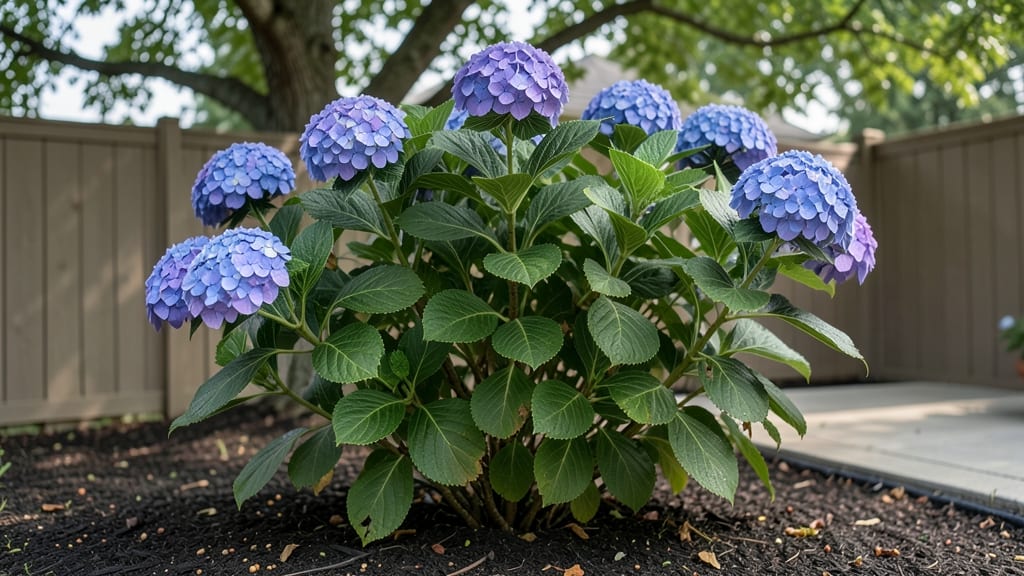
Growing a bigleaf hydrangea flower that steals the show starts with knowing its secrets—like how it thrives in partial shade where others wilt. I learned the hard way that full sun turns those lush blooms into sad, crispy messes.
The key is mimicking its natural woodland habitat: moist, well-draining soil and dappled light that keeps leaves velvety and flowers vibrant.
Your hydrangea will reward you with bold color changes—pinks turning blue, whites staying crisp—when you feed it the right mix: a balanced fertilizer in spring and a touch of aluminum sulfate for that signature blue.
Water consistently but avoid soggy roots; these plants drink but hate standing water. With the right care, you’ll get blooms from midsummer through fall, plus stunning foliage that lasts through winter.
Pruning might sound scary, but it’s simple: cut back last year’s stems in late winter and shape new growth in early summer. This keeps your plant compact and flowering like crazy. The best part?
These hydrangeas grow 6-10 feet tall, making them perfect for borders, privacy screens, or as a dramatic focal point in your garden. Once established, they’re tougher than they look—drought-tolerant once roots are deep.
For beginners, start with a container if your soil is heavy clay or your yard gets too much sun. Bigleaf hydrangeas are forgiving if you adjust their care, and they’ll forgive your mistakes better than most plants.
The payoff? A garden centerpiece that changes with the seasons and keeps neighbors asking, “What’s your secret?”
📚 In This Guide
- What you need
- Instructions
- Tips and common mistakes
- Wrapping up and next steps
What you need
- ● Bigleaf hydrangea plant: 1-3 nursery-grown plants (e.g., Hydrangea macrophylla varieties like 'Nikko Blue' or 'Endless Summer')
- ● OR seeds (rare; propagation is easier via cuttings or divisions)
- ● Soil: 5-10 gallons of well-draining, acidic soil (pH 5.5–6.2). Mix in: 2 parts peat moss or compost
- ● 1 part perlite or coarse sand
- ● 1 part garden soil
- ● Fertilizer: 1 lb. slow-release acid-loving plant fertilizer (e.g., 10-10-10 or 8-3-9 with micronutrients)
- ○ Optional: Aluminum sulfate (1 tbsp. per gallon of water) for blue blooms
- ● Planting tools: 1 garden trowel or spade
- ● 1 pair of pruning shears (sterilized)
- ● 1 watering can or hose with a gentle nozzle
- ● Mulch: 3–4 inches of organic mulch (e.g., pine bark or shredded leaves)
- ● pH test kit (to monitor soil acidity)
- ● Epsom salt (1 tbsp. per gallon of water for magnesium boosts)
- ● Stakes or cages (for support if planting in windy areas)
- ● Slow-release hydrangea-specific granules (for convenience)
- ● Gloves (to protect hands from thorns or soil)
Step-by-Step instructions for planting and caring for bigleaf hydrangeas
Here’s how to establish bold, vibrant hydrangeas that thrive season after season.
🌱 Step 1: Choose the Perfect Planting Spot
Bigleaf hydrangeas love morning sun and afternoon shade, especially in warmer climates. Pick a location with at least 4-6 hours of sunlight daily but protect them from harsh afternoon rays to prevent leaf scorch. I always check the spot in early morning—if the ground stays damp for long stretches, avoid it. Hydrangeas hate soggy roots, which can lead to rot.
Test the soil by digging a 6-inch hole—if it feels compacted or clay-heavy, amend it with 2-3 inches of compost mixed into the native soil. The goal is well-draining yet moisture-retentive soil. Hydrangeas are heavy feeders, so rich soil sets them up for lush blooms. If your soil is sandy, add a bit of peat moss to help retain moisture.
🪴 Step 2: Plant with Proper Spacing and Support
Dig a hole twice as wide as the root ball but no deeper—hydrangeas hate being buried too deeply, which can suffocate the roots. Gently loosen the roots if they’re circling tightly in the container. Place the plant in the hole so the top of the root ball sits 1 inch above ground level. This prevents water from pooling around the stem.
Space plants 4-6 feet apart to allow airflow and prevent fungal diseases. I always add a stake or support cage at planting time, even if the plant isn’t tall yet. Hydrangeas grow heavy with blooms, and waiting until later to stake them often leads to snapped stems. Fill the hole with soil, pressing lightly to remove air pockets, and water deeply to settle everything.
💧 Step 3: Water and Mulch for Strong Establishment
Water the newly planted hydrangea deeply right after planting, then again every 2-3 days until the soil is 3-4 inches deep and feels moist. Avoid shallow watering—hydrangeas need consistent moisture, especially in their first year. I use a soaker hose to deliver water slowly at the base, which reduces evaporation and keeps leaves dry, preventing powdery mildew.
Spread 2-3 inches of mulch around the base, keeping it 2 inches away from the stem to prevent rot. I prefer shredded bark or pine needles because they break down slowly and improve soil structure over time. Mulch helps regulate soil temperature and retains moisture, which is critical during hot summers. Replenish mulch as it decomposes to maintain the 2-inch barrier from the stem.
☀️ Step 4: Feed and Prune for Vibrant Blooms
Hydrangeas thrive with regular feeding—apply a balanced, slow-release fertilizer (like 10-10-10) in early spring and again in mid-summer. I also add 1 cup of compost around the base in spring to boost organic matter. Avoid high-nitrogen fertilizers, which promote leafy growth at the expense of flowers. Hydrangeas need a steady supply of phosphorus and potassium for abundant blooms.
Prune in late winter or early spring before new growth appears. Cut back old wood (last year’s stems) by one-third to encourage fresh, vigorous growth. Remove any dead, damaged, or crossing branches. I never prune in fall—hydrangeas set next year’s buds in late summer and early fall, and cutting too late can reduce next year’s flowers. Wear gloves; hydrangea leaves can be prickly!
⏰ Step 5: Adjust Care for Seasonal Changes
In summer, hydrangeas need consistent watering—let the top 2 inches of soil dry out between waterings, but never let the roots dry completely. If your hydrangea’s leaves start curling or turning brown at the edges, it’s a sign of underwatering. I often check soil moisture by sticking my finger in—if it feels dry past 1 inch, it’s time to water.
In fall, reduce watering gradually as temperatures drop. Hydrangeas go semi-dormant in winter, so stop fertilizing by late summer to allow them to harden off. If you live in a Zone 5 or colder, wrap the base with burlap or frost cloth to protect tender roots from freezing. I’ve found that hydrangeas in colder climates bounce back beautifully with this simple protection.
Tips & tricks for perfect bigleaf hydrangea flower care
These simple strategies will help you avoid common pitfalls and keep your bigleaf hydrangeas thriving all season long.
Sunlight Strategy: When selecting your planting spot in Step 1, pay special attention to the afternoon sun. Bigleaf hydrangeas need that morning sunlight for energy, but harsh afternoon rays can scorch tender leaves. I've found that planting near a north-facing wall or under deciduous trees that provide shade in summer works beautifully. If you notice leaves turning crispy or brown during hot afternoons, it's a clear sign you need more shade protection.
Root Ball Preparation: In Step 2, don't overlook the importance of loosening those roots before planting. I've seen many gardeners skip this step, thinking the roots are fine as they are. But circling roots from container plants can strangle themselves as they grow. Gently tease apart any roots that are tightly wrapped around the root ball—this gives them room to spread out and access nutrients. Also, make sure to position the plant so the root ball sits just 1 inch above ground level; any deeper and you risk suffocating the stem.
Watering Wisdom: The consistent moisture requirement in Step 3 is crucial, especially during the plant's first year. I recommend setting up a simple watering schedule: deeply water every 2-3 days, but always check that moisture reaches at least 3-4 inches deep. One trick I've learned is to use a rain gauge or tuna can buried near the plant to track exactly how much water you're providing. This helps prevent both underwatering and overwatering, which can both lead to poor health. For established plants, let the top 2 inches dry out between waterings as mentioned in Step 5.
Pruning Precision: When it comes to pruning in Step 4, timing is everything. I've made the mistake of pruning too late in the season and noticed fewer blooms the following year. Always prune in late winter or early spring before new growth appears. Cut back old wood by one-third to encourage fresh growth, but never cut into last year's flower buds. These buds form in late summer and fall, so any pruning after that can reduce next year's blooms. And remember—hydrangea leaves can be quite prickly, so wear gloves to protect your hands.
Pro Tips for Bigleaf Hydrangea Flower
- These simple strategies will help you avoid common pitfalls and keep your bigleaf hydrangeas thriving all season long.
- Sunlight Strategy: When selecting your planting spot in Step 1, pay special attention to the afternoon sun.
- Root Ball Preparation: In Step 2, don't overlook the importance of loosening those roots before planting.
Frequently asked questions
Got questions about keeping your bigleaf hydrangea thriving? You’re not alone! Here are answers to the most common concerns—from pruning puzzles to color dilemmas—so you can enjoy that lush, show-stopping foliage all season long.
When is the best time to prune bigleaf hydrangeas?
Prune after flowering (late summer to early fall) to avoid cutting off next year’s blooms. For blue flowers, prune lightly to shape; for pink flowers, you can trim more aggressively since they bloom on new wood. Never prune in winter—it removes potential flower buds!
Why are my bigleaf hydrangea leaves turning brown?
Brown leaves often signal overwatering or underwatering. Check soil moisture—it should feel damp but not soggy. Yellowing leaves? Too much water. Crispy edges? Too little. Also, watch for powdery mildew (white fungal spots) or aphids—spray with neem oil if needed.
How do I change my hydrangea flowers from pink to blue (or vice versa)?
Bigleaf hydrangeas are pH-sensitive! For blue flowers, amend soil with aluminum sulfate (lower pH). For pink, add lime (raise pH). Test soil pH with a kit for precise adjustments. Pro tip: It takes 2–3 months to see color changes!
Are bigleaf hydrangeas cold-hardy? What about heat?
Yes! They thrive in USDA Zones 5–9 and tolerate winter down to -15°F. In heat, they love morning sun + afternoon shade—wilting or scorched leaves mean too much direct sun. Mulch heavily in winter to protect roots.
Can I grow bigleaf hydrangeas in containers? What’s the best soil mix?
Use a well-draining potting mix with peat moss or perlite to prevent root rot. Add compost for nutrients. Containers dry out faster—water daily in summer and ensure pots have drainage holes. Dwarf varieties like ‘Little Lime’ are perfect for pots!
What pests should I watch for, and how do I treat them?
Common culprits: aphids (sticky leaves), slugs (chewed edges), and spider mites (yellow speckles). Blast off aphids with water, use beer traps for slugs, and spray mites with soapy water. Neem oil is a multi-purpose fix!
Wrapping up and next steps
Growing bigleaf hydrangeas is a rewarding journey that brings vibrant color and lush texture to your garden year-round. With the right soil, sunlight, and care, these bold beauties thrive and reward you with stunning blooms—whether you're a beginner or a seasoned gardener. 🌸
Ready to transform your outdoor space? Start by planting your hydrangea in early spring or pruning strategically to encourage fuller growth. Then, watch as your garden becomes a showstopper with layers of color and charm!