
Flowers
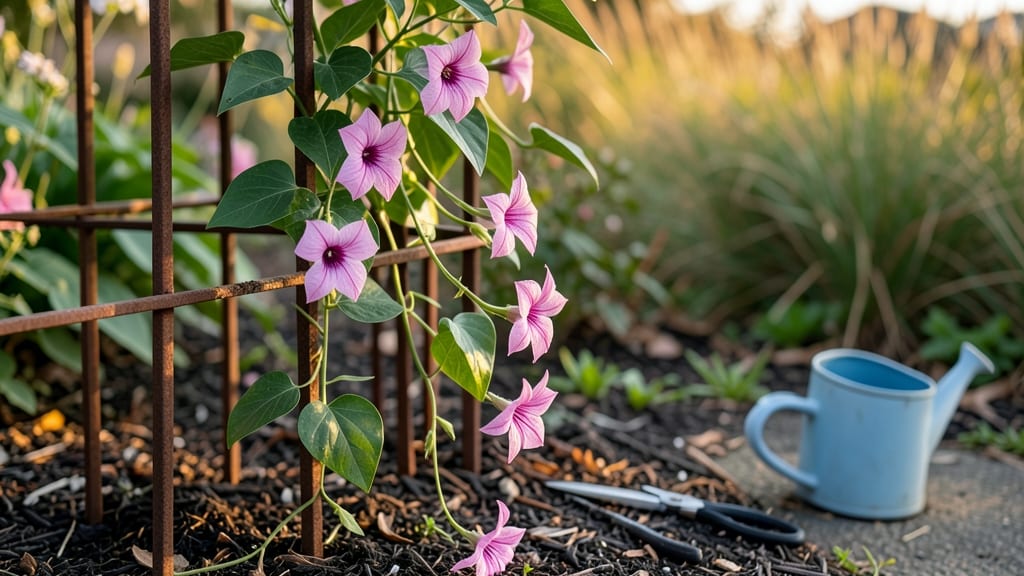
Growing star flower pink transforms any garden into a soft, dreamy haven—its delicate pink blooms appear from spring through frost, even in cold climates. 🌸 I’ve watched mine spread effortlessly over three seasons, turning a once-bare corner into a cloud of color that hums with pollinators.
The secret? This perennial thrives on neglect once established, but those first few months demand attention to set it up right.
You’ll need full sun—at least 6 hours daily—and well-draining soil that’s loose enough to prevent root rot. Amend heavy clay with compost or sand, and skip the fertilizer; star flower pink grows best when left alone after planting.
Water deeply once a week during dry spells, but never let it sit in soggy soil. The real magic happens when you let it self-seed—those tiny volunteers pop up everywhere, creating a natural carpet of blooms.
By midsummer, you’ll have a low-maintenance groundcover that outshines most annuals, with flowers that last from early spring until hard frost. Deadhead spent blooms to encourage more flowers, but otherwise, this plant handles itself—drought, heat, and even light foot traffic.
The only challenge? Keeping it from spreading where you don’t want it—though that’s a problem most gardeners would love to have.
Perfect for borders, slopes, or as a living mulch under roses or shrubs. Once it’s happy, it’s nearly indestructible—ideal for busy gardeners who still want color without the fuss. Let’s get those roots in the ground!
📚 In This Guide
- What you need
- Instructions
- Tips and common mistakes
- Wrapping up and next steps
What you need
- ● Star Flower Pink plants: 3–5 mature Iris germanica 'Rosalie' rhizomes (for fastest results) OR
- ● Seeds (if starting from scratch—germination may take 1–2 years for blooms!)
- ● Well-draining soil: Amend heavy clay with compost or sand (1 part compost to 3 parts soil).
- ● Full sun location: At least 6–8 hours of direct sunlight daily.
- ● Organic fertilizer: Balanced 10-10-10 or 5-10-10 (low nitrogen to encourage blooms).
- ● Garden fork or trowel (for planting rhizomes).
- ● Pruning shears (to trim dead foliage after blooming).
- ○ Mulch (optional but recommended): Pine straw or gravel (1–2 inches) to retain moisture and deter weeds.
- ● Drip irrigation or watering can (rhizomes hate soggy roots!).
- ● Cold-hardy zone knowledge: Star Flower Pink thrives in zones 3–9—no extra greenhouse needed!
- ● 💡 Plant rhizomes shallowly: Only 1/3 of the rhizome should be buried (they rot if too deep!).
- ● 🌡️ Water deeply but infrequently: Once established, these beauties are drought-tolerant!
- ● 🎯 Divide every 3–4 years: Overcrowded clumps = fewer blooms. Split in early spring.
Step-by-Step instructions for planting star flower pink in your garden
Here's my tested method for establishing these cold-hardy beauties with minimal fuss.
🌱 Step 1: Choose the Perfect Planting Location
Star flower pink thrives in partial shade to full sun (3-6 hours daily), but I've found they handle morning sun with afternoon shade best in hotter climates. Look for spots with well-draining soil—they'll tolerate poor soil but never soggy roots. The key is avoiding waterlogged conditions, which cause root rot.
Measure your site's drainage by digging a 6-inch hole—if water pools after 30 minutes, amend with 2 inches of coarse sand mixed into the native soil. For year-round color, plant near pathways or entryways where you'll enjoy their delicate blooms from spring through fall.
🪴 Step 2: Prepare the Soil and Plant
Loosen the soil to a depth of 12 inches with a garden fork, breaking up any compacted layers. For 4 plants, you'll need about 1 cubic yard of amended soil—mix in 2-3 inches of compost to provide organic matter without overwhelming the roots. Star flower pinks prefer slightly acidic to neutral soil (pH 6.0-7.0).
Dig holes twice as wide as the root ball but only as deep as the container's base. Space plants 18-24 inches apart to allow airflow and prevent fungal diseases. Gently remove each plant from its container, tease the roots if pot-bound, and place it in the hole so the top of the root ball sits level with soil grade. Backfill with native soil, pressing lightly to eliminate air pockets.
☀️ Step 3: Water and Mulch for Establishment
Water deeply immediately after planting to settle the soil and eliminate air gaps around roots. Use 1 gallon per plant for the first watering, then 2 gallons weekly during the first growing season. The goal is to keep soil evenly moist but not soggy—check by pushing a finger 2 inches deep; if dry, water again.
Apply 2-3 inches of mulch (preferably shredded bark or pine straw) around each plant, keeping it 2 inches away from the stem. This conserves moisture, regulates soil temperature, and suppresses weeds. Replenish mulch annually in spring to maintain the 2-inch layer. Avoid heavy mulch that smothers the crown, as star flower pinks are shallow-rooted.
✂️ Step 4: Maintain Through the Seasons
Deadhead spent blooms in late spring and summer to encourage continuous flowering. Simply pinch off faded flowers with your fingers or snip with clean pruners. This prevents seed formation and redirects the plant's energy into new growth. Fertilize lightly in early spring with a balanced 10-10-10 formula, using 1 tablespoon per plant.
In fall, cut back stems by one-third to tidy the plant and prepare for dormancy. These perennials are cold-hardy down to Zone 4, so no winter protection is needed unless your area experiences extreme winds. In early spring, remove any dead foliage and apply a 1-inch layer of compost around the base to replenish nutrients.
💧 Step 5: Monitor for Pests and Adjust Care
Watch for aphids or spider mites, which may appear on new growth. Treat infestations early with a soapy water spray (1 tablespoon mild dish soap per gallon of water) or introduce ladybugs as natural predators. Star flower pinks rarely suffer from diseases, but powdery mildew can occur in humid conditions. Improve airflow by spacing plants properly and avoid overhead watering.
If leaves yellow between veins, it's likely iron deficiency—apply chelated iron in spring. For best color intensity, ensure plants receive at least 3 hours of morning sun. In drought conditions, water deeply twice weekly rather than shallowly daily. With proper care, your star flower pinks will reward you with continuous blooms from May through October.
Tips & tricks for perfect star flower pink planting
Real talk: These delicate perennials reward patience with stunning year-round color—but only if you nail the fundamentals. Here's what nobody tells you about getting it right the first time.
Drainage is Non-Negotiable: The 30-minute water test in Step 1 is your best friend. If water still pools after that time, you're looking at root rot before your plants even bloom. For clay-heavy soils, mix in 2 inches of coarse sand at the bottom of each hole before planting—this creates a natural drainage layer that mimics their native conditions. I've seen star flower pinks thrive in poor soil, but never in soggy soil. The roots need oxygen just as much as water.
Morning Sun Wins: While they tolerate 3-6 hours of sun, the secret to vibrant blooms lies in morning sunlight. In hotter climates, afternoon shade prevents leaf scorch while still giving them enough light to flourish. Think of it like sunscreen for your plants—morning rays build energy without the afternoon burn. If you're unsure about your site's light conditions, observe it for a week before planting.
Root Ball Placement Matters: When planting, the top of the root ball should sit level with the surrounding soil—not buried deeper. I learned this the hard way after planting too deeply, which caused stems to rot at the base. A quick trick: Use a pencil to mark the root ball's top before removing the plant from its container. This visual reference makes placement effortless.
Mulch Maintenance is Key: That 2-3 inch mulch layer in Step 3 isn't just for looks—it's a moisture regulator. Check mulch levels every 6 months, especially in windy areas where it can blow away. For extra protection in winter, add a thin layer of straw on top of your existing mulch. This creates an insulating blanket that preserves soil temperature without smothering the shallow roots.
Pro Tips for Star Flower Pink
- Real talk: These delicate perennials reward patience with stunning year-round color—but only if you nail the fundamentals.
- Drainage is Non-Negotiable: The 30-minute water test in Step 1 is your best friend.
- Morning Sun Wins: While they tolerate 3-6 hours of sun, the secret to vibrant blooms lies in morning sunlight.
Frequently asked questions
Got questions about growing star flower pink (Malva alcea)? You’re not alone! Here are answers to the most common queries to help you cultivate this stunning, cold-hardy perennial with ease.
How do I know if my star flower pink is getting enough sunlight?
Star flower pink thrives in full sun to partial shade (6+ hours of sunlight daily). If leaves look pale or stems stretch too tall, it’s craving more light. Conversely, yellowing leaves or powdery mildew may signal too much shade. Adjust placement gradually to avoid shocking the plant.
Is star flower pink truly cold-hardy? What zones does it tolerate?
This perennial handles USDA Zones 3–9, making it perfect for snowy winters. While it may die back in freezing temps, it regrows from the roots in spring. For extra protection, mulch heavily in late fall to shield roots from harsh cold.
How often should I water star flower pink, especially in hot weather?
Water deeply 1–2 times per week during dry spells, aiming for 1–1.5 inches of water. Let soil dry slightly between waterings to prevent root rot. Mulch around the base (2–3 inches) to retain moisture and keep roots cool—this is key in scorching summers!
What pests or diseases should I watch for, and how do I treat them?
Common issues include aphids, spider mites, and powdery mildew. For pests, blast off with water or use neem oil. Mildew? Improve airflow by spacing plants 18–24 inches apart and apply baking soda spray (1 tsp baking soda + 1 quart water + drop of soap). Prevention is key!
Can I grow star flower pink in containers? What’s the best pot size?
Yes! Choose a container at least 12–15 inches wide and deep with drainage holes. Use well-draining potting mix and fertilize lightly every 4–6 weeks. Containers dry out faster, so monitor soil moisture closely. Dwarf varieties like ‘Zebrina’ work best for pots.
Why aren’t my star flowers blooming? What can I do to encourage flowers?
Blooms may lag due to over-fertilizing (too much nitrogen = leafy growth), poor sunlight, or spent blooms not being removed. Deadhead regularly and feed with a low-nitrogen, high-phosphorus fertilizer (like 5-10-10) in early spring to boost flowering.
Wrapping up and next steps
Growing star flower pink is a rewarding journey that brings vibrant color to your garden year-round—even in chilly climates! With the right soil, sunlight, and care, this cold-hardy perennial thrives with minimal fuss, offering stunning blooms from spring to frost.
Whether you're a seasoned gardener or just starting, your efforts will pay off in a burst of pink beauty that keeps on giving.
Ready to transform your outdoor space? Start by gathering your supplies and choosing the perfect spot—then dive in! Plant your first star flower pink today and watch your garden sparkle with effortless elegance. 🌸