
Propagation
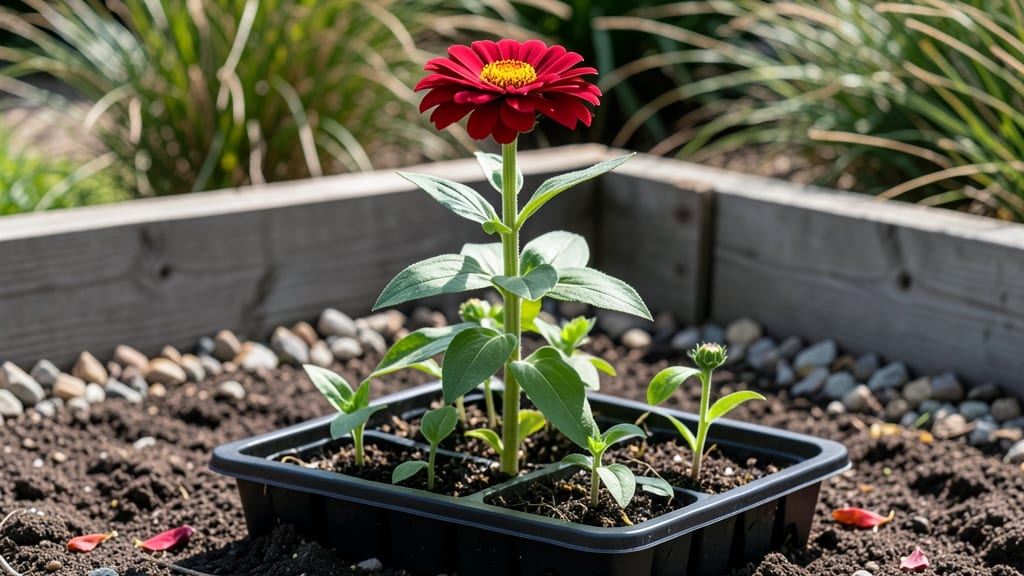
Growing zinnias from seed to flower is like watching a fireworks display in your garden—60 days of vibrant color starts with the right timing and a few simple tricks.
I’ve turned my back patio into a zinnia explosion by mastering the balance between patience and precision, and you can too with just a handful of supplies and consistent care.
The secret isn’t complicated: zinnias thrive in full sun and well-draining soil, but they’ll forgive minor mistakes if you keep them evenly moist.
Start seeds indoors 4-6 weeks before your last frost, or sow directly outside after the soil warms to 60°F, and you’ll see those first green sprouts in 5-10 days. The real magic happens when you pinch back leggy seedlings—this forces bushier growth and more blooms later.
By day 60, you’ll have bold, dinner-plate-sized blooms in every color imaginable, drawing bees and butterflies to your garden. The key is deadheading spent flowers to keep the show going all summer, and I’ll show you exactly how to do it without damaging the stems.
Even my black thumb can’t kill these plants once they get going.
Whether you’re growing zinnias in pots, raised beds, or straight in the ground, this method works for any sunny spot. Let’s turn those tiny seeds into a nonstop floral spectacle that’ll make your neighbors jealous—and I’ll walk you through every step to get there.
📚 In This Guide
- What you need
- Instructions
- Tips and common mistakes
- Wrapping up and next steps
What you need
- ● Zinnia seeds: Choose heirloom or hybrid varieties (e.g., 'Benary’s Giant', 'Profusion'). Buy 1–2 packets (50–100 seeds per packet) for a full patch.
- ● Seed-starting mix: 1–2 gallons of sterile, well-draining potting soil (avoid garden soil—it’s too dense!).
- ● Containers: 4–6 small seed trays (with drainage holes) or
- ● 1–2 4-inch biodegradable pots (for direct sowing).
- ● Watering can or spray bottle: A gentle misting tool prevents seed washout.
- ● Grow lights or sunny windowsill: A 12–16 hour light source speeds up germination.
- ○ Heat mat (optional): Keeps soil 70–75°F for faster sprouting (especially in cool climates).
- ● Fertilizer: A balanced 10-10-10 or fish emulsion (diluted) boosts growth after sprouting.
- ● Twine or stakes: Supports taller varieties (e.g., 'Double Click') as they mature.
- ● Garden gloves: Protects hands from prickly stems (if handling mature plants).
- ● Sunlight: Full sun (6+ hours daily)—zinnias thrive in warmth!
- ● Temperature: Ideal soil temp: 70–85°F for germination. Wait until after last frost for outdoor planting.
- ● Patience: Zinnias sprout in 5–14 days and bloom in 60–70 days—worth the wait!
How to grow zinnias from seed to show-stopping blooms
Here's how I turn tiny seeds into vibrant, long-lasting cut flowers every season.
🌱 Step 1: Start Seeds Indoors or Direct-Sow After Frost
Zinnia seeds germinate best in warm soil, so I wait until after the last frost date in my zone to plant them directly outdoors. If you're in a cooler climate, start seeds indoors 4-6 weeks before the last frost using the seed-starting mix and biodegradable pots. Fill each pot with 1/4 inch of moistened mix, then place 2-3 seeds per pot at a depth of 1/4 inch. Press them gently into the soil so they make good contact.
Cover the pots with a clear plastic dome or wrap them in plastic wrap to retain moisture and warmth. Place them in a warm spot (70-75°F)—a sunny windowsill or under a grow light works well. Keep the soil consistently moist but never soggy. You'll see tiny green sprouts emerge in 5-10 days. Once they do, remove the dome immediately to prevent fungal issues like damping-off.
If you're direct-sowing, wait until the soil temperature reaches at least 60°F—zinnias won’t germinate well in cold soil. Scatter seeds 1/4 inch deep and 6 inches apart in rows spaced 18 inches apart. Lightly cover them with soil and water gently. Thin seedlings to 12 inches apart once they reach 2 inches tall to give them room to grow.
☀️ Step 2: Provide Full Sun and Consistent Watering
Zinnias thrive in full sun—at least 6-8 hours daily. Place them in a spot where they’ll get morning sun and afternoon shade if your summers are scorching. If you notice the leaves wilting or the stems stretching toward the light, your zinnias need more sun. Move them to a sunnier location or supplement with a grow light for 14-16 hours a day if growing indoors.
Water deeply once a week, aiming for 1 inch of water per week. Let the top 1-2 inches of soil dry out between waterings—zinnias hate soggy roots. Water at the base of the plant in the morning to prevent fungal diseases. If you see the leaves turning yellow or the stems becoming mushy, you're overwatering. Adjust your watering schedule to let the soil dry out more between sessions.
Here’s the thing—zinnias are drought-tolerant once established, but they need consistent moisture to develop strong stems and vibrant blooms. If you miss a watering, don’t panic. They’ll bounce back, but the flowers might not be as sturdy or long-lasting.
✂️ Step 3: Deadhead and Fertilize for Continuous Blooms
Deadheading is the secret to keeping zinnias blooming all season. Once a flower fades, pinch or snip it off just above the next set of leaves or buds. This encourages the plant to produce more flowers instead of going to seed. I do this every 2-3 days during peak bloom time—it’s a quick task that pays off with nonstop color.
Feed your zinnias with balanced fertilizer every 4-6 weeks to keep them thriving. Mix 1 tablespoon of fertilizer into 1 gallon of water and apply it at the base of the plant. Avoid over-fertilizing, as this can lead to lush foliage but fewer flowers. If you notice the leaves growing more than the blooms, cut back on the fertilizer and focus on deadheading instead.
Pinch back the tips of young zinnias when they’re about 6 inches tall. This encourages bushier growth and more flowers. Use clean, sharp scissors or your fingers to snip just above a set of leaves. You’ll see a burst of new growth in 1-2 weeks, and your plant will fill out beautifully.
🌿 Step 4: Harvest and Enjoy Your Bold Blooms
Zinnias make stunning cut flowers—cut stems when the buds are just starting to open for the longest vase life. Use sharp pruning shears to snip the stems at a 45-degree angle just above a leaf node. Remove the lower leaves so they don’t sit in water, which can cause bacteria to grow.
Change the water in your vase every 2-3 days and trim the stems again at a fresh angle. With proper care, your zinnias will last 7-10 days in a vase. If you’re growing zinnias for bouquets, harvest in the early morning when the stems are fully hydrated and the flowers are at their freshest.
Don’t let your zinnias go to seed too early in the season. If you see seed heads forming before you’re ready, snip them off to encourage more blooms. Save seeds from the last flowers of the season to plant next year—zinnias self-seed easily, so you’ll likely have volunteers popping up in the spring.
Tips & tricks for growing zinnias from seed to flower
These simple strategies will help you grow zinnias that burst with color and thrive all season long.
Germination Boost: In Step 1, when starting seeds indoors, I like to soak them in warm water for 2-3 hours before planting. This helps break dormancy and speeds up germination—you'll often see sprouts in just 5 days instead of the usual 5-10 days. Just be sure to plant them at the exact 1/4-inch depth mentioned to avoid burying them too deep.
Sunlight Strategy: For Step 2, if your zinnias start stretching toward the light (a condition called "legginess"), move them immediately to a sunnier spot or supplement with a grow light for the full 14-16 hours per day. The 6-8 hours of sunlight requirement is non-negotiable—zinnias need this to develop their signature bold colors. I've found that morning sun paired with afternoon shade works best in hot climates.
Watering Wisdom: The once-weekly watering guideline in Step 2 works perfectly in most climates, but I adjust based on soil type. Sandy soil dries out faster, so I water every 5 days instead. The key is always letting that top 1-2 inches dry out between waterings—this prevents the mushy stems that signal overwatering. A moisture meter is worth the investment if you're unsure.
Deadheading Timing: In Step 3, when deadheading every 2-3 days, I use a pair of clean scissors to make quick work of it. The secret is to cut just above a set of leaves or buds—not at the base. This encourages new growth from that node, not the stem. I've seen plants double their bloom production by following this exact method consistently.
Pro Tips for Zinnia From Seed To Flower
- These simple strategies will help you grow zinnias that burst with color and thrive all season long.
- Germination Boost: In Step 1, when starting seeds indoors, I like to soak them in warm water for 2-3 hours before planting.
- Sunlight Strategy: For Step 2, if your zinnias start stretching toward the light (a condition called "legginess"), move them immediately to a sunnier spot or supplement with a grow light for the full 14-16 hours per day.
Frequently asked questions
Got questions about growing zinnias from seed?
You’re not alone! Here are answers to the most common queries to help you cultivate those vibrant blooms with confidence.
How long does it take for zinnia seeds to sprout?
Zinnia seeds typically sprout in 7–14 days after planting, depending on temperature and moisture. Keep the soil consistently moist (but not soggy) and place the tray in a warm spot—70–75°F (21–24°C) is ideal. If you’re impatient, try a heat mat to speed up germination!
Can I plant zinnia seeds directly in the garden, or should I start indoors?
Both work, but timing matters! For earlier blooms, start seeds indoors 4–6 weeks before your last frost date. If you prefer direct sowing, wait until soil temps hit 55°F (13°C) (usually after frost risk passes). Zinnias thrive in warmth, so don’t rush—patience pays off with bigger, bolder flowers!
Why aren’t my zinnia seedlings growing? Troubleshooting tips?
Sluggish growth? Check these fixes:
Leggy seedlings? They need more light—move them to a sunny windowsill or use grow lights 12–14 hours/day.
Yellow leaves? Overwatering! Let the top inch of soil dry out between waterings.
No sprouts after 2 weeks? Seeds may need light to germinate—try pressing them gently into the soil (no burial needed).
Pests (like aphids)? Spray with soapy water or introduce ladybugs for natural control.
How do I keep zinnias blooming all season?
Deadheading (snipping spent blooms) is key! Remove faded flowers daily to encourage new buds. Also:
- Fertilize lightly with balanced 10-10-10 every 3–4 weeks.
- Water at the base (not leaves) to prevent mildew.
- Pinch back young plants to encourage bushier growth.
Are there any low-maintenance zinnia varieties for beginners?
Try these hardy, easy-care picks:
Variety
Height
Color
Why It’s Great
Benary’s Giant
2–4 ft
Red, pink, white
Disease-resistant and huge blooms—perfect for cutting.
Crystal Series
1–2 ft
Multi-color mixes
Compact, heat-tolerant, and great for containers.
Profusion Series
1–2 ft
Yellow, orange, pink
Self-cleaning (no deadheading needed!) and drought-resistant.
Wrapping up and next steps
Growing zinnias from seed to flower is a rewarding journey that brings vibrant color to your garden in just 60 days! With the right soil, sunlight, and care, you’ll enjoy bold blooms that attract pollinators and lift your spirits.
Whether you’re a beginner or a seasoned gardener, these foolproof tips make it easy to succeed.
Now that you’re equipped with the knowledge, take the next step—grab your seeds, prep your space, and watch your garden transform! 🌸 Share your progress or blooms with fellow gardeners for extra motivation. Happy planting!