
Flowers
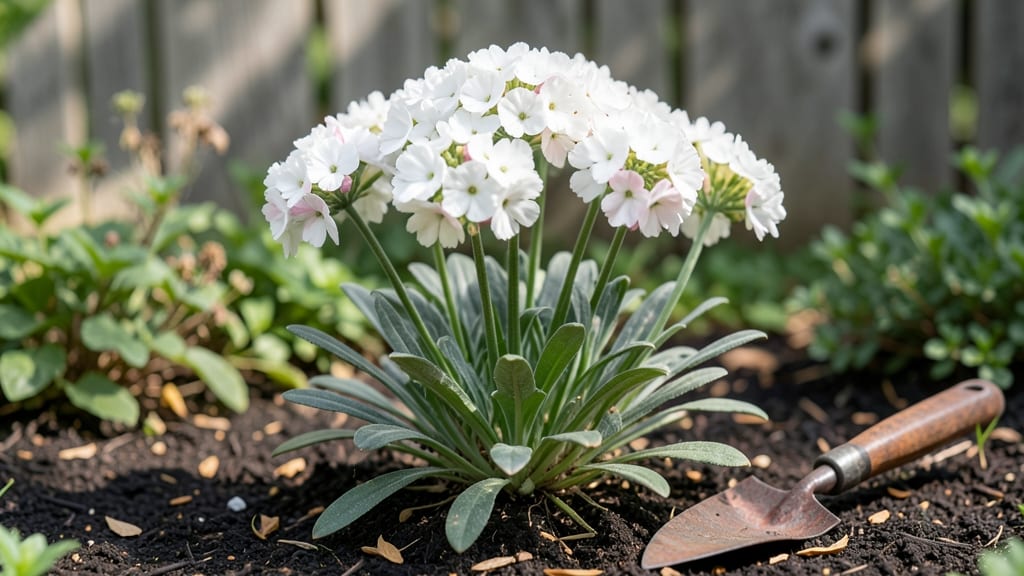
Growing white sweet william flowers means you’ll have fragrant, cheerful blooms from spring through fall with almost no fuss—just a few key tricks. ✨ I’ve grown these delicate clusters for years, and they reward even the most forgetful gardeners with their resilience and long-lasting flowers.
The secret isn’t complicated: they thrive in well-draining soil, bask in full sun, and bounce back after light pruning, making them perfect for cottage gardens or container displays.
You’ll need a sunny spot with at least 6 hours of light daily, loose soil that drains well (amend heavy clay with compost), and a spot where they won’t get crowded by aggressive neighbors.
Sweet williams love cool weather and actually prefer it over summer heat, so they’ll keep blooming longer if you plant them in early spring or late summer. Water them consistently but avoid soggy roots—they hate wet feet more than anything.
Once established, these flowers practically take care of themselves. After the first flush of blooms fades, a quick trim back by a third encourages a second wave of flowers, and you’ll have fresh white clusters popping up all season.
They even self-seed happily, so you might find volunteers popping up next year—just thin them out to avoid overcrowding. The fragrance alone makes them worth growing, but their ability to bounce back from neglect is what really wins hearts.
Pair them with lavender, thyme, or catmint for a fragrant, low-maintenance border that thrives on attention. They’re also great for cutting—white sweet william blooms hold their shape in vases for nearly a week, making them a gardener’s secret weapon for long-lasting bouquets.
Ready to add some effortless charm to your garden?
📚 In This Guide
- What you need
- Instructions
- Tips and common mistakes
- Wrapping up and next steps
What you need
- ● White Sweet William Seeds or Plants: 10–20 seeds (for direct sowing) or 3–5 young plants (for transplanting).
- ● Choose Dianthus barbatus varieties like ‘White Beauty’ or ‘White Swan’ for pure white blooms.
- ● Well-Draining Soil: 1–2 bags of potting mix (for containers) or garden soil amended with compost (for in-ground planting).
- ○ Optional: Perlite or sand (1 part per 4 parts soil) to improve drainage.
- ● Sunlight Spot: Full sun (6+ hours/day) for best blooms, or partial shade (4–6 hours) in hot climates.
- ● Planting Tools: Trowel or small shovel.
- ○ Gloves (optional but handy for soil cleanup!).
- ● Watering can or hose with a gentle spray nozzle.
- ○ Container Setup (Optional): 1–2 containers (6–8 inches deep) with drainage holes.
- ● Rocks or pebbles (for container drainage layer).
- ● Pruning Supplies (Minimalist-Friendly!):strong> Small pruning shears (for deadheading—just 1–2 snips per week!).
- ○ Optional: Slow-release fertilizer (like 10-10-10, 1 tbsp per plant every 2 months).
How to grow sweet William flowers for continuous blooms
Here's how I keep these cheerful blooms thriving with almost no fuss.
🪴 Step 1: Choose the Perfect Planting Location
Sweet William thrives in partial shade to full sun, but I've found morning sun with afternoon shade produces the most abundant blooms. Pick a spot that gets at least 4-6 hours of sunlight daily, but avoid harsh afternoon rays in hot climates—leaves can scorch. The soil should drain well but retain moisture, so amending with 1-2 inches of compost before planting makes a noticeable difference.
Here's the thing—these plants love consistency. If your yard has heavy clay soil, mix in organic matter to improve drainage. I always test the soil pH first (sweet William prefers 6.0-7.0) because alkaline soil makes the foliage yellow and stunts flowering. A simple soil test kit solves this before you even plant.
🌱 Step 2: Plant at the Right Time and Depth
For spring planting, aim for 4-6 weeks before your last frost date—this gives roots time to establish before summer heat. Dig holes twice as wide as the root ball but only as deep as the container they came in. Press the soil firmly around the roots to eliminate air pockets, then water deeply to settle everything in place.
I like to plant in clusters of 3-5 plants for a fuller look, spacing them 12-18 inches apart. The key is not to bury the crown too deep—1 inch below soil level is perfect. If planted too shallow, stems may flop; too deep, and they rot. Water immediately after planting to help the soil adhere to roots.
☀️ Step 3: Water and Fertilize for Nonstop Blooms
Sweet William needs consistent moisture, especially during flowering. Water once a week in cool weather, but 2-3 times weekly during hot spells—always water at the base to avoid wetting leaves, which prevents fungal diseases. You'll know it's time when the top 1-2 inches of soil feel dry to the touch.
Feed with a balanced 10-10-10 fertilizer every 4-6 weeks during the growing season. I switch to a low-phosphorus formula (like 5-5-5) after blooms appear to encourage more flowers instead of just foliage. Stop fertilizing 6-8 weeks before your first frost to let plants harden off for winter.
✂️ Step 4: Prune Strategically for Year-Round Color
The secret to continuous blooms is deadheading spent flowers as soon as they fade. Use clean, sharp pruners to snip just above the next set of leaves—this encourages new buds to form. I prune every 2-3 weeks during peak bloom season, and the plants reward me with nonstop color until frost.
For winter prep, cut back one-third of the plant in late fall, removing any dead or diseased stems. This keeps the plant tidy and reduces winter damage. In early spring, trim back any leggy growth to 6-8 inches tall—this forces fresh, bushy growth. Don't skip this step; I've seen neglected plants flop over by summer.
⏰ Step 5: Overwinter for Next Year's Blooms
Sweet William is perennial in zones 3-8, but a little winter care ensures bigger blooms next year. After your first frost, mulch heavily (3-4 inches) with straw or shredded leaves to insulate roots. This protects against temperature swings and keeps soil moisture steady.
In late winter, before new growth appears, remove old mulch and add fresh compost. I also check for any winter damage—if stems look mushy, trim them back immediately. Once 3-4 inch shoots appear in spring, resume regular watering and fertilizing. With this care, my plants bloom earlier and more abundantly every year.
Tips & tricks for perfect sweet William blooms
Real talk: These cheerful flowers reward minimal effort with maximum beauty—here's how to make them thrive even easier.
Location Intelligence: The 4-6 hours of sunlight mentioned in Step 1 should ideally include morning sun (6am-10am) when temperatures are cooler. I've found that placing plants near a north-facing wall in hot climates creates that perfect morning sun/afternoon shade combo. For containers, rotate them weekly so all sides get equal light exposure—this prevents lopsided growth.
Planting Precision: When digging holes twice as wide as the root ball in Step 2, loosen the soil at the bottom with a fork first. This creates better root contact with the soil, helping plants establish faster. I also add a handful of compost to each planting hole—this gives roots an instant nutrient boost without overwhelming them.
Watering Wisdom: The "top 1-2 inches dry" test in Step 3 works, but here's what nobody tells you—use your finger to check soil moisture in the morning before watering. Early morning soil is cooler and gives you the most accurate reading. For container plants, water until you see moisture running from the drainage holes—this ensures thorough hydration.
Winter Prep: That 3-4 inch mulch layer in Step 5 is non-negotiable, but here's my secret: I always add a 1-inch layer of coarse sand beneath the mulch. This improves drainage while still insulating roots—critical for preventing winter rot in heavy clay soils. In mild climates, you can reduce mulch to 2 inches and still get great protection.
Pro Tips for White Sweet William Flower
- Real talk: These cheerful flowers reward minimal effort with maximum beauty—here's how to make them thrive even easier.
- Location Intelligence: The 4-6 hours of sunlight mentioned in Step 1 should ideally include morning sun (6am-10am) when temperatures are cooler.
- Planting Precision: When digging holes twice as wide as the root ball in Step 2, loosen the soil at the bottom with a fork first.
Frequently asked questions
about growing and caring for white sweet william flowers—because every gardener deserves a little clarity!What’s the best time to plant white sweet william flowers?
Plant them in early spring or fall for optimal root establishment. Avoid extreme heat or frost—ideal soil temps are 50–65°F (10–18°C). If starting from seeds, sow indoors 6–8 weeks before the last frost for a head start.
How often should I water white sweet william flowers?
Keep soil consistently moist but not soggy—about 1 inch (2.5 cm) of water per week. Young plants need more frequent watering (every 2–3 days), while established ones thrive with weekly deep watering. Mulch helps retain moisture and reduce evaporation.
Do white sweet william flowers need much pruning?
Minimal pruning is key! Deadhead spent blooms to encourage more flowers, and trim leggy stems in early spring to shape the plant. Avoid heavy pruning—these beauties bloom prolifically with light touch-ups.
Can I grow white sweet william flowers in containers?
Use a 5–7 gallon pot with well-draining soil and ensure it gets 6+ hours of sunlight daily. Containers dry out faster, so monitor moisture closely. Dwarf varieties like ‘White King’ are perfect for small spaces.
What pests should I watch for with white sweet william flowers?
Keep an eye out for aphids, spider mites, and slugs. Use neem oil or insecticidal soap for soft-bodied pests, and set out beer traps or copper barriers for slugs. Regularly inspect leaves and stems to catch issues early.
Wrapping up and next steps
The white sweet william is a true gem for gardeners—offering year-round beauty with minimal fuss! Its delicate blooms and low-maintenance care make it a perfect choice for adding charm to any space.
Whether you’re a seasoned gardener or just starting, this flower proves that stunning results don’t require endless effort.
Ready to transform your garden? Start by planting a few white sweet william stems today—your future blooms will thank you! 🌸 For extra inspiration, explore companion plants or creative arrangements to make the most of their elegance.