
Planting
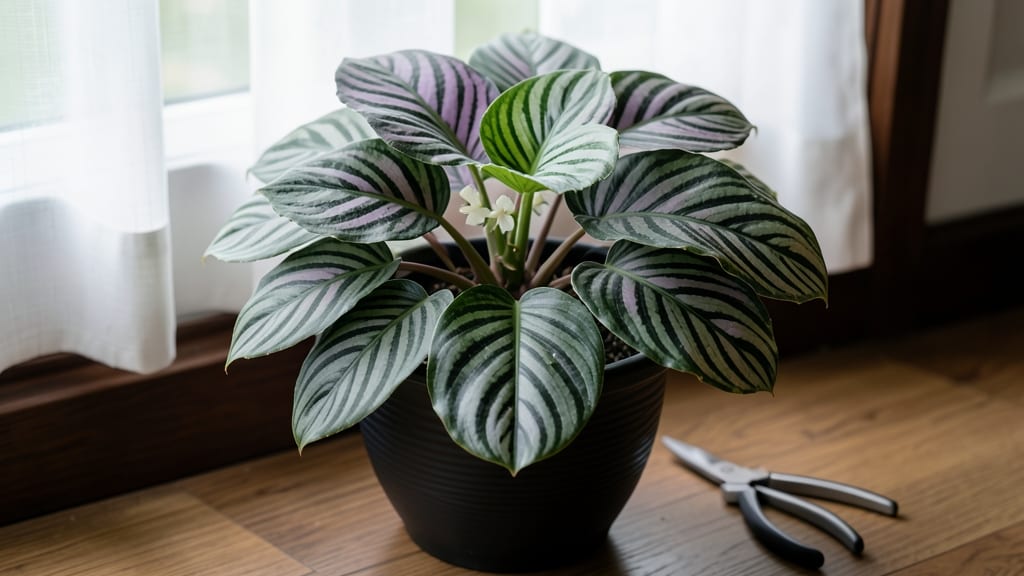
The zebra plant flower is the showstopper of any indoor jungle—those bold, velvety blooms with striped throats that look like they’re straight out of a tropical dream. 🌿 I’ve grown mine for years, and honestly, the first time I saw it flower in winter, I thought I’d hit the plant lottery.
The secret isn’t just luck; it’s about mimicking its natural rainforest home indoors.
This plant isn’t fussy, but it does need bright, indirect light—think east-facing windows or a few feet back from a south window. Too much direct sun scorches those stunning leaves, while too little light means no flowers.
The soil should stay lightly moist but never soggy, and a peaty mix with good drainage keeps roots happy. Humidity is key too; a quick misting or a pebble tray with water works wonders if your home feels dry.
When it’s thriving, you’ll get those bright red-orange blooms with yellow stripes every few months, often in winter when most houseplants take a break. The foliage alone is striking—deep green with purple-veined stripes that look like zebra stripes—but the flowers?
Absolute magic. Just don’t let it get too cold; below 55°F and it’ll sulk.
Most problems come from overwatering or low light, but with the right setup, this plant rewards you with years of drama. Start with a 6-inch pot, and you’ll be pinching back leggy stems in no time. Let’s get yours blooming!
📚 In This Guide
- What you need
- Instructions
- Tips and common mistakes
- Wrapping up and next steps
What you need
- ● Zebra plant (Aphelandra squarrosa): 1 mature plant or 1-2 healthy cuttings (6+ inches long) from a nursery or trusted grower.
- ● Well-draining potting mix: 1 bag (1-2 cubic feet) of high-quality, peat-based or coco coir mix with perlite or orchid bark (aim for a chunky, airy texture).
- ● Pot with drainage holes: 1 container (10-12 inches in diameter) with drainage holes—terracotta or ceramic works best.
- ● Watering can or spray bottle: 1 with a fine rose nozzle for gentle hydration.
- ● Fertilizer: 1 balanced liquid fertilizer (10-10-10 or 20-20-20) or slow-release granules for tropical plants.
- ○ Humidity tray or pebble tray: 1 to maintain 50-70% humidity (optional but highly recommended).
- ● Grow lights or sunny windowsill: Access to bright, indirect light (6+ hours daily). A full-spectrum LED grow light is ideal for low-light spaces.
- ● Pruning shears: For trimming leggy stems or dead leaves.
- ● Moss or sphagnum moss: To top-dress soil and retain moisture.
- ● Plant food spikes: For gradual nutrient release.
- ● Support stakes: If your zebra plant grows tall (though it’s typically bushy).
- ● Soil moisture meter: To avoid over- or under-watering.
Step-by-Step instructions for growing a thriving zebra plant
Here's how to coax vibrant stripes and lush growth from this striking houseplant.
🌱 Step 1: Choose the Right Spot for Bright, Indirect Light
The zebra plant (Aphelandra squarrosa) craves bright, indirect light—think east-facing windows or 6-10 feet from a south window. Direct sun will scorch those stunning striped leaves, while dim light makes them lose their bold patterns and grow leggy. I place mine near a sheer curtain where it gets morning sun and afternoon shade.
Watch for these clues: If leaves darken or develop crispy edges, it's getting too much sun. If growth slows and stems stretch, it needs more light. Rotate the pot quarter-turn weekly so the plant grows evenly toward the light source.
💧 Step 2: Water When Soil Feels Dry to the Touch
Zebra plants hate soggy roots but also despise dryness. Stick your finger 1-2 inches into the soil—when it feels dry at that depth, it's time to water. I use room-temperature water and pour until it drains freely from the bottom. Empty the saucer after 15 minutes to prevent root rot.
Here's the thing—overwatering is the #1 killer of zebra plants. Yellowing leaves usually mean too much water, while crispy edges signal thirst. The plant stores water in its stems, so it's better to underwater slightly than drown it.
☀️ Step 3: Boost Humidity for Lush, Striped Leaves
These tropical beauties thrive in 50-60% humidity—far higher than most homes provide. I place my zebra plant on a pebble tray filled with water and pebbles (never letting roots touch water) or use a small humidifier nearby. Mist the leaves 2-3 times weekly, but avoid wetting the foliage too much—it can cause fungal issues.
You'll notice the leaves stay vibrant and crisp when humidity is right. If edges brown or leaves droop slightly in dry air, that's your plant's way of saying "I need more moisture in the air!" Grouping it with other houseplants creates a microclimate that helps.
✂️ Step 4: Prune to Encourage Bushier Growth
Pinch back the growing tips when stems reach 4-6 inches tall to encourage branching. I use clean, sharp scissors to snip just above a leaf node. This prevents the plant from growing too leggy and creates a fuller, more compact shape. Remove any yellow or damaged leaves immediately—they drain energy from the plant.
Don't skip this step! A well-pruned zebra plant will produce more of those striking striped leaves and may even flower with proper care. The best time to prune is spring or early summer when the plant is actively growing.
🪴 Step 5: Feed Monthly During Growing Season
Use a balanced liquid fertilizer (10-10-10 or 20-20-20) diluted to half-strength every 4-6 weeks during spring and summer. I fertilize right after watering to prevent root burn. In fall and winter, let the plant rest—no food needed during its dormant period.
Over-fertilizing causes salt buildup in soil, which shows as white crust on the surface. If you see this, flush the soil by watering thoroughly 3 times until water runs clear from the drainage holes. The plant will reward you with glossier leaves and more vibrant stripes when fed properly.
Tips & tricks for perfect zebra plant flower care
These simple strategies will help you keep your zebra plant's bold stripes vibrant and its growth thriving all year.
Light Placement: For that perfect bright, indirect light in Step 1, I recommend using a sheer curtain to diffuse harsh afternoon sun. If your zebra plant starts developing crispy edges, it's getting too much direct sunlight—rotate the pot 90 degrees to even out exposure. In winter, supplement with a grow light for 6-8 hours daily if natural light is limited. The key is mimicking its tropical understory habitat where light filters through leaves.
Watering Wisdom: The 1-2 inch soil test in Step 2 is foolproof, but here's what I've learned: Use your finger to check soil moisture in the morning when the soil is naturally cooler. If you're unsure, wait another day—zebra plants store water in their stems and can handle brief dry spells better than soggy conditions. I've seen many plants recover from underwatering but rarely from overwatering.
Humidity Hacks: When aiming for that 50-60% humidity in Step 3, group your zebra plant with other tropical plants like ferns or calatheas. The collective transpiration creates a mini rainforest environment. For extra help, place the pot on a tray filled with pebbles and water—just make sure the pot sits above the water line to avoid root rot. I notice the leaves stay crisp and vibrant when humidity stays consistent.
Pruning Pro Tip: For Step 4, I always prune just above a leaf node when stems hit 4-6 inches—this is where new growth will sprout. Use clean scissors and make a sharp cut at a 45-degree angle to prevent tearing. Save your pruned stems! Place them in water to propagate new plants. The best time to prune is indeed spring or early summer, but don't hesitate to do light trims anytime you see leggy growth.
Pro Tips for Zebra Plant Flower
- These simple strategies will help you keep your zebra plant's bold stripes vibrant and its growth thriving all year.
- Light Placement: For that perfect bright, indirect light in Step 1, I recommend using a sheer curtain to diffuse harsh afternoon sun.
- Watering Wisdom: The 1-2 inch soil test in Step 2 is foolproof, but here's what I've learned: Use your finger to check soil moisture in the morning when the soil is naturally cooler.
Frequently asked questions
Got questions about your zebra plant’s stunning striped foliage or its occasional blooms? We’ve got answers!
Whether you’re curious about care, flowering, or troubleshooting, here’s what you need to know.
Does the zebra plant (Aphelandra squarrosa) actually flower?
The zebra plant is prized for its striking foliage, but with proper care, it can produce vibrant orange, red, or yellow flowers in late summer to fall. These blooms appear on tall spikes above the leaves—though they’re short-lived, they’re a rewarding surprise! For best results, ensure bright, indirect light and keep humidity moderate.
How long does it take for a zebra plant to flower?
Patience is key! Zebra plants typically take 1–2 years to mature enough for flowering, especially if grown from cuttings. Factors like light, soil quality, and consistent watering speed up the process. If your plant isn’t blooming after 2 years, check for low light or overwatering, which can delay flowering.
Why isn’t my zebra plant flowering?
Common culprits include:
- Insufficient light: Move it to a bright, indirect spot (e.g., near an east or west window).
- Overcrowded roots: Repot every 2–3 years to refresh the soil.
- Low humidity: Mist leaves or use a pebble tray to mimic tropical conditions.
- Nutrient deficiency: Feed with a balanced liquid fertilizer (diluted) every 4–6 weeks in spring/summer.
Can I propagate my zebra plant to encourage more flowers?
Stem cuttings are the easiest method:
- Snip a 4–6 inch stem just below a leaf node.
- Remove lower leaves, leaving 2–3 at the top.
- Dip in rooting hormone (optional) and plant in moist perlite or sand.
- Keep humid and warm (70–75°F) until roots form (4–6 weeks).
Are there zebra plant varieties with more frequent flowers?
While all zebra plants (Aphelandra squarrosa) have similar care needs, some cultivars like ‘Zebra Plant ‘Rufa’’ or ‘Aphelandra ‘Sky Rocket’’ may produce slightly larger or more frequent blooms. For guaranteed flowering, choose mature plants (12+ inches tall) over seedlings. Pair with bright light and occasional pruning to encourage new growth—and flowers!
Wrapping up and next steps
The zebra plant flower is a stunning, low-maintenance addition to any indoor space, bringing bold stripes and year-round charm with minimal effort. Whether you’re drawn to its striking foliage or its resilience, this plant proves that beauty thrives even in less-than-ideal conditions. 🌿✨
Ready to welcome this Aphelandra squarrosa into your home? Start by gathering your supplies, then follow the simple steps to nurture it—your plant (and your space) will thank you! For extra care tips, check out our plant care guide to keep those zebra stripes popping year after year.