
Shrubs
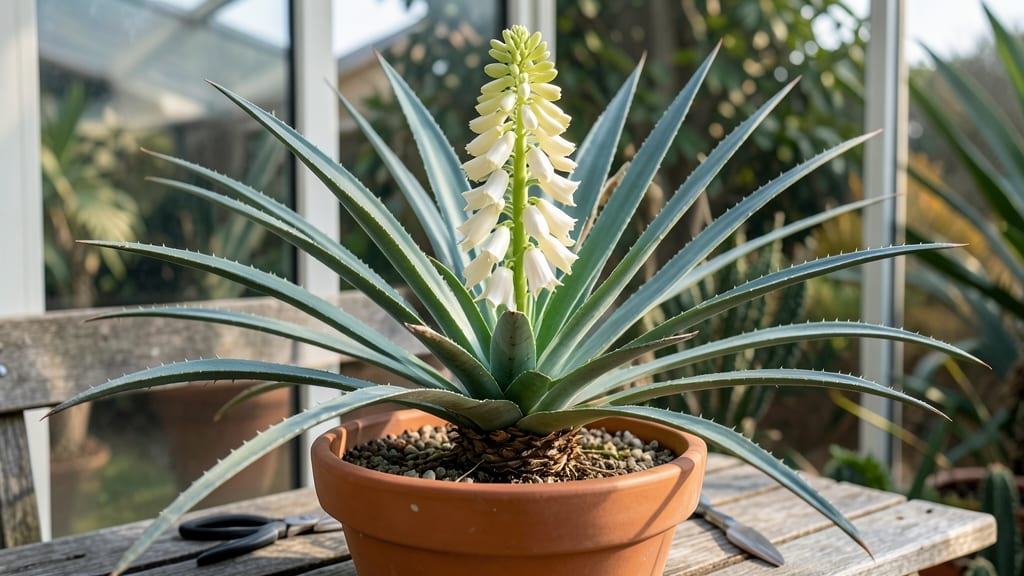
Yucca gloriosa flowering is the moment your garden transforms from ordinary to jaw-dropping—those striking blue-green spikes rising like nature’s own skyscrapers. I’ve watched mine go from stubborn stalks to dramatic blooms, and the secret isn’t complicated: it’s about patience, sunlight, and knowing when to not water.
Most gardeners drown these tough plants, but Yucca gloriosa thrives on neglect—just like the wild ones in its native Southeast. The key is matching its desert roots to your care routine.
Your plant needs full sun (at least 6 hours daily) and well-draining soil that mimics rocky slopes. Overwatering is the #1 killer—stick your finger in the soil first. If it’s damp, wait. If it’s bone-dry, give it a deep drink.
I’ve seen blooms appear after just one season of proper care, even on neglected plants. The real magic happens in late winter or early spring when the plant senses longer daylight and warms up. That’s when you’ll spot the first fat buds forming at the tips of the leaves.
When flowering arrives, you’ll know it’s a good year if the spikes are tall, sturdy, and packed with buds. Each bloom lasts a week or two, but the whole plant stays showy for months. The best part? These blooms attract hummingbirds, turning your yard into a living postcard.
Just don’t cut the spent spikes—leave them for seed pods or new growth. With the right balance, your Yucca gloriosa will flower reliably for decades, proving that bold plants reward bold gardeners.
Works in zones 5-10, from coastal gardens to inland deserts. The only rule? Never let it sit in soggy soil. That’s all it takes to unlock those stunning blue spikes year after year.
📚 In This Guide
- What you need
- Instructions
- Tips and common mistakes
- Wrapping up and next steps
What you need
- ● Yucca gloriosa plant: A healthy, mature specimen (3+ years old for best flowering potential). Choose a nursery-grown plant or propagate from offsets.
- ● Well-draining soil: 50% native soil (or potting mix)
- ● 30% coarse sand or perlite
- ● 20% compost or aged manure (for nutrients)
- ● Sunlight access: Full sun (6+ hours/day) or bright indirect light.
- ● Water: Drought-tolerant once established—avoid soggy roots!
- ● Garden trowel or shovel (for planting/transplanting).
- ● Gloves (yucca leaves can be sharp!).
- ● Pruners or shears (sterilized, for trimming dead blooms or offsets).
- ○ Mulch (optional): 2–3 inches of gravel or pine straw to retain moisture and deter weeds.
- ○ Slow-release fertilizer (optional): Balanced 10-10-10 or low-nitrogen formula (spring/fall application).
- ○ Support stake (optional): For heavy blooms (e.g., bamboo stakes or wire mesh).
How to encourage yucca gloriosa to bloom with striking blue flowers
Yucca gloriosa rewards patience with stunning blue-green flower spikes—here’s how to coax yours into flowering.
Provide the Right Growing Conditions for Yucca Gloriosa
Yucca gloriosa thrives in full sun (at least 6-8 hours daily) and well-draining soil. If your plant isn’t flowering, check its location first—shade or soggy soil can stall blooms entirely. I’ve found that even partial afternoon shade in hot climates works, but morning sun is best for consistent flowering.
Use a sandy, gritty mix (like cactus soil) to prevent root rot, which is the #1 reason yuccas refuse to bloom. Amend heavy soil with perlite or coarse sand—this mimics their native rocky terrain. If your soil feels compact when squeezed, it’s too dense. Yuccas hate wet feet, so ensure pots have drainage holes and saucers underneath.
Feed and Water Strategically for Flowering
Yucca gloriosa flowers best when slightly stressed—so don’t overwater. Water deeply once every 2-3 weeks in spring/summer, letting the top 3-4 inches of soil dry out completely between waterings. Overwatering triggers leaf rot and stops blooms in their tracks. In winter, cut back to once a month or less—these plants are drought-tolerant.
Feed with a balanced, low-nitrogen fertilizer (like 10-10-10) in early spring when new growth appears. Too much nitrogen makes yuccas put energy into leaves instead of flowers. I dilute it to half-strength to avoid burning roots. Stop fertilizing by mid-summer—this mimics their natural dormancy period and signals the plant to focus on flowering.
Mimic Winter Chill for Flowering Cues
Yucca gloriosa needs a cool winter rest to trigger blooms. If you live in a mild climate, move pots to an unheated garage or sheltered porch where temps drop to 40-50°F at night for 4-6 weeks. This chill period mimics their native conditions and kickstarts flower buds.
Don’t water during this time—let the soil dry out completely. If your yucca drops leaves in winter, don’t panic. It’s normal for older leaves to yellow as the plant conserves energy. Once buds form (usually in late winter), resume normal watering and move back to full sun. The buds will swell and open into those dramatic blue-green spikes within 4-6 weeks.
Prune and Support for Long-Term Flowering
After flowering, cut back the spent stalk 2-3 inches below the base with clean, sharp pruners. This keeps the plant tidy and encourages next year’s blooms. Avoid heavy pruning unless you’re shaping—yuccas bloom on mature plants, and aggressive cuts can delay flowering for a season.
If your yucca grows tall but leans, stake it with 3-4 bamboo stakes tied loosely to the stem. This prevents wind damage and keeps the plant upright for better light exposure. Mulch with 1-2 inches of gravel or coarse bark to retain moisture and regulate soil temperature—yuccas hate soggy roots but appreciate consistent warmth.
Tips & tricks for encouraging yucca gloriosa blooms
Yucca gloriosa might look tough, but these small details make all the difference between a leafy bush and a showstopping blue-flowered beauty.
Sunlight Strategy: While the instructions mention 6-8 hours of sun, I've found that morning sun is particularly critical. Place your yucca where it gets direct morning sunlight—this helps prevent leaf scorch while still providing the energy needed for flowering. If your climate has intense afternoon sun, a bit of afternoon shade can actually help the plant focus its energy on blooming rather than protecting itself from heat stress.
Soil Test Secret: Before planting, squeeze a handful of your soil mix—it should crumble easily between your fingers. If it holds together like wet sand, add more perlite or coarse sand (about 20-30% of the mix). I've seen yuccas refuse to bloom because their roots were suffocating in dense soil. The right gritty texture mimics their natural rocky habitat and prevents that dreaded root rot that stops blooms in their tracks.
Fertilizer Timing: The early spring feeding is crucial, but here's what nobody tells you: if your yucca shows new growth before late winter, hold off on fertilizing until that growth appears. I've had plants that started sprouting in December—feeding them too early just makes them grow leaves instead of flower buds. Think of it as teaching your plant when spring really begins in your climate.
Chill Period Hacks: If you can't move your yucca outside for the 4-6 week chill period, try placing it near an unheated garage door or in a cool basement corner where temps naturally drop. Even a cold windowsill can work if you monitor it closely. The key is consistency—those 40-50°F nights need to happen reliably for at least 3 weeks to trigger the flowering hormones. I've used a simple thermometer to track temps and adjust placement as needed.
Pro Tips for Yucca Gloriosa Flowering
- Yucca gloriosa might look tough, but these small details make all the difference between a leafy bush and a showstopping blue-flowered beauty.
- Sunlight Strategy: While the instructions mention 6-8 hours of sun, I've found that morning sun is particularly critical.
- Soil Test Secret: Before planting, squeeze a handful of your soil mix—it should crumble easily between your fingers.
Frequently asked questions
Got questions about coaxing those stunning yucca gloriosa blooms? You’re not alone! Here are answers to the most common queries—from timing tricks to troubleshooting tips—so you can enjoy those bold blue spikes without the guesswork.
When does yucca gloriosa typically flower?
Yucca gloriosa usually blooms in late spring to early summer (May–June), though timing varies by climate. In warmer zones (USDA 7–11), it may flower earlier. If your plant isn’t blooming, check for adequate sunlight (6+ hours daily) and proper watering—underwatering or overwatering can delay flowers. Patience pays off: mature plants (3–5 years old) are most reliable!
Why isn’t my yucca gloriosa flowering?
Common culprits include:
- Age: Young plants (under 3 years) focus on growth, not blooms. Give it time!
- Light: Insufficient sunlight (e.g., shade from trees) starves the plant. Move it to full sun.
- Stress: Overwatering or poor drainage can shock roots. Let soil dry between waterings.
- Nutrients: A balanced fertilizer (low nitrogen) in early spring may help.
Pro tip: A slight drought stress in late winter can trigger blooming—just don’t overdo it!
How do I encourage more yucca gloriosa flowers?
Boost blooms with these yucca gloriosa hacks:
- Temperature shock: In late winter, move potted plants outdoors during the day (if temps are mild) to simulate seasonal change.
- Prune spent blooms: Cut back flower stalks after they fade to redirect energy to next year’s growth.
- Divide mature clumps: Overcrowded plants may skip flowering. Split clumps every 3–4 years.
Bonus: Yucca gloriosa thrives in well-draining soil—amend heavy clay with sand or gravel for happier roots!
Can I grow yucca gloriosa indoors?
Possible, but challenging! Yucca gloriosa needs bright light (a south-facing window or grow lights) and high humidity (mist leaves or use a pebble tray). Expect slower growth and fewer flowers indoors. If you try it, keep soil dry and avoid drafts. For guaranteed blooms, outdoor planting in zones 7–11 is ideal.
What do I do with yucca gloriosa flowers after they fade?
Deadhead spent blooms by cutting the flower stalk 1–2 inches above the base with clean pruners. This prevents seed production (which drains energy) and keeps the plant tidy. Avoid cutting into the rosette! The plant may produce new stalks later in the season—just be patient.
Are there non-flowering yucca alternatives?
If you love yucca foliage but want guaranteed blooms, try:
- Yucca filamentosa ("Adam’s needle"): Hardier, often flowers in early summer.
- Yucca rostrata ("Beaked yucca"): Dramatic spikes, drought-tolerant.
- Hesperaloe parviflora ("Red yucca"): Not a true yucca but blooms reliably in orange-red.
All thrive in similar conditions—just check your zone!
Wrapping up and next steps
Watching Yucca gloriosa bloom with its striking blue-green spikes is a rewarding experience that proves nature’s resilience—even in colder climates! 🌿 With the right care, sunlight, and patience, you can enjoy its bold beauty year after year.
Whether you’re a seasoned gardener or just starting, now’s the perfect time to nurture your plant and encourage those show-stopping flowers.
Ready to take the next step? Monitor your plant’s needs and adjust care as the seasons change. Yucca gloriosa thrives on attention—so why not give it the love it deserves? Happy gardening! 🌸