
Flowers
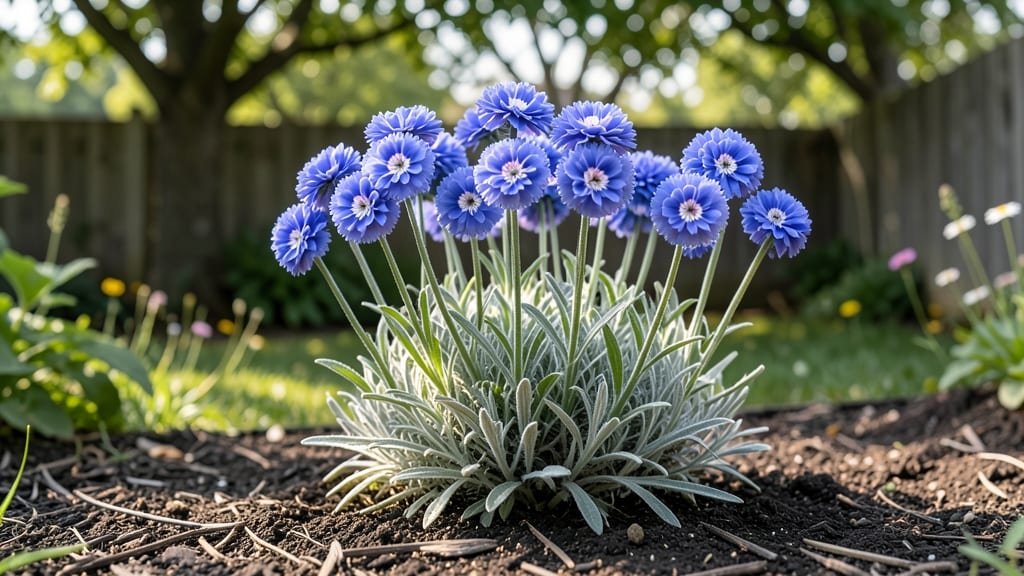
The blue sweet william flowers I first spotted in a neighbor’s cottage garden made me stop and stare—those velvety blue spikes seemed to glow against the green foliage.
There’s something magical about how they transform containers into instant focal points or how they elevate cut bouquets with their airy, layered blooms. The secret lies in their versatility: they thrive in borders, spill over container edges, and pair beautifully with almost any color scheme.
What makes them so special? They’re drought-tolerant once established, bloom prolifically from early summer to fall, and their fern-like foliage adds texture even when not in flower. I’ve used them in everything from rustic wooden planters to sleek modern pots, and they never disappoint.
The key is keeping them in full sun to partial shade and deadheading spent blooms to encourage more flowers—simple steps that yield dramatic results.
Imagine them cascading over a balcony railing, their blue spikes contrasting with white alyssum or purple salvia, or arranged in a vase with ranunculus and snapdragons. The possibilities are endless, whether you’re going for a cottage garden vibe or a modern, structured look.
They’re the unsung hero of seasonal color schemes, bringing cool tones to summer and early fall displays.
For best results, plant them in well-draining soil and space them about 8-12 inches apart—they’ll spread and fill in beautifully over time. Pair them with lavender, catmint, or coreopsis for a low-maintenance, high-impact combination.
Once you try them, you’ll wonder how you ever lived without these bold, cheerful blooms in your garden.
📚 In This Guide
- What you need
- Instructions
- Tips and common mistakes
- Wrapping up and next steps
What you need
- ● Seeds: 1 packet (50–100 seeds) of Dianthus barbatus (blue variety). Look for reputable brands like blank">Baker Creek Heirloom Seeds or blank">Burpee.
- ● Seed Starting Mix: 1 quart of sterile, well-draining potting soil (e.g., blank">Miracle-Gro Seed Starting Potting Mix).
- ● Containers: 1–2 small seed trays (72-cell) or biodegradable peat pots (for transplanting).
- ○ Grow Lights or Sunny Window: A blank">LED grow light (optional but ideal for indoor starts) or a south-facing window.
- ○ Fertilizer: Balanced liquid fertilizer (5-5-5 or 10-10-10) for seedlings. Optional: Slow-release granules (like blank">Osmocote) for transplanting.
- ● Garden Soil: Well-draining, slightly alkaline soil (pH 6.0–7.5). Amend with blank">compost or blank">perlite if soil is heavy.
- ● Planting Site: Full sun (6+ hours/day) or partial shade (morning sun). Pro tip: Avoid windy spots—these delicate stems need support!
- ● Mulch: 1–2 inches of organic mulch (e.g., straw or shredded bark) to retain moisture and suppress weeds.
- ● Watering Can: 1–2 gallon capacity with a blank">rose spray nozzle for gentle watering.
- ● Fresh Blue Sweet William: 1–2 bunches (harvest when ⅔ of blooms are open).
- ● Floral Preservative: 1 bottle (e.g., blank">Floralife) to extend vase life (3–5 days).
- ● Vase or Container: Clean, glass vase (8–12" tall) or a decorative container (e.g., mason jar, ceramic pot).
- ● Scissors or Pruners: Sharp, clean blank">bypass pruners for cutting stems at a 45° angle.
- ○ Optional Add-Ons: Greenery (e.g., Eucalyptus or Salal) for texture.
- ● Ribbon or floral tape for wrapping stems.
- ● Dried flowers (e.g., Statice) for long-lasting arrangements.
- ● ✅ Patience: Seeds take 10–14 days to germinate in warm soil (70°F+).
- ● 💡 Timing: Start seeds indoors 8–10 weeks before your last frost date.
- ● 🌡️ Hardiness: Blue Sweet William thrives in USDA Zones 3–9. Pro tip: Deadhead spent blooms to encourage more flowers!
- ● 🚫 Avoid: Overwatering (leads to rot) or planting in soggy soil.
How to grow striking blue Sweet William flowers for containers and cutting gardens
Here's the foolproof method I use to coax those dramatic blue florets into full bloom.
Choose the Right Variety and Planting Location
Sweet William thrives in full sun—at least 6 hours daily—but tolerates partial shade if you live in a hot climate. I always opt for 'Blue Eyes' or 'Blue Streak' varieties for their intense blue color. These biennials grow best in cool climates, so plant them in early spring or late summer for fall blooms.
Select a spot with well-draining soil—Sweet William hates soggy roots. If your garden soil is heavy, amend it with 2-3 inches of compost before planting. The plants will reward you with bold, velvety spikes that last for weeks in arrangements.
Prepare the Soil and Plant Seeds or Transplants
For direct sowing, scatter seeds ¼ inch deep in rows spaced 12 inches apart. Press them lightly into the soil—they need good soil contact to germinate. If you're transplanting, space seedlings 8-10 inches apart to allow for their bushy growth habit.
Keep the soil consistently moist but not waterlogged during germination, which takes 10-21 days. Once seedlings appear, thin them to 6 inches apart to prevent overcrowding. I always label my rows because Sweet William's foliage can look similar to other plants until it blooms.
Provide Consistent Care for Strong Stems and Blooms
Water at the base of the plants once a week, providing 1 inch of water per week. Avoid wetting the leaves to prevent fungal diseases like powdery mildew. Fertilize lightly with a balanced 10-10-10 formula every 4-6 weeks once the plants are established.
Deadhead spent blooms regularly to encourage more flowers. I pinch back the stems by ⅓ after the first flush of blooms to promote bushier growth. Sweet William responds well to this pruning, giving you a second round of flowers in late summer or early fall.
Harvest for Long-Lasting Cut Bouquets
Cut stems when half the flowers are open for the longest vase life. Use sharp pruners to make clean cuts just above a leaf node. Remove the lower leaves to prevent bacterial growth in water.
Sweet William blooms last 7-10 days in a vase, making them a fantastic cut flower. Change the water every 2-3 days and trim the stems at an angle to keep them fresh. The blue florets hold their color beautifully, adding a striking contrast to any bouquet.
Tips & tricks for perfect blue Sweet William flowers
Here's what nobody tells you about growing these showstopping blue blooms—details that separate garden-center disappointments from jaw-dropping floral displays.
Variety Selection Matters: While 'Blue Eyes' and 'Blue Streak' deliver the most intense blue, don't overlook 'Purple Majesty' for deep violet hues or 'White Queen' for striking contrast. I've found that 'Blue Streak' often produces slightly taller spikes (up to 24 inches) when given proper spacing, making it ideal for cutting gardens. The color intensity actually deepens when grown in cooler climates—plant in partial shade during summer months in hot regions to preserve that signature blue.
Soil Preparation Secret: The 2-3 inches of compost recommendation is non-negotiable, but here's the extra step: mix in a handful of perlite or coarse sand if your native soil is particularly dense. Sweet William's roots need that extra drainage to prevent rot, especially during the critical 10-21 day germination period. I've had entire batches fail when planted in unamended clay soil—don't make my mistake. Test your soil's pH too; Sweet William prefers slightly acidic conditions (6.0-6.5).
Germination Hack: Those 10-21 days can feel like forever, but here's how to speed things up: press a mesh screen over your seeded rows to keep soil consistently moist without waterlogging. The screen also prevents soil crusting that often smothers tiny seedlings. Once sprouts appear, remove the screen immediately to prevent fungal issues. I've seen germination times cut by nearly half using this method, especially in dry climates.
Pruning Technique: When you pinch back stems by ⅓ after the first flush of blooms, focus on removing the top set of leaves along with the spent flowers. This encourages branching lower down, creating that bushy habit you want. The key is timing—do this when about 50% of flowers are open but before they start wilting. I've had plants produce three full flushes of blooms using this technique, with the final harvest often occurring in late fall.
Pro Tips for Blue Sweet William Flowers
- Here's what nobody tells you about growing these showstopping blue blooms—details that separate garden-center disappointments from jaw-dropping floral displays.
- Variety Selection Matters: While 'Blue Eyes' and 'Blue Streak' deliver the most intense blue, don't overlook 'Purple Majesty' for deep violet hues or 'White Queen' for striking contrast.
- Soil Preparation Secret: The 2-3 inches of compost recommendation is non-negotiable, but here's the extra step: mix in a handful of perlite or coarse sand if your native soil is particularly dense.
Frequently asked questions
How do I keep blue sweet william flowers fresh in a vase?
Trim stems at a 45-degree angle and change the water every 2–3 days. Add a splash of bleach (1 tsp per quart) or flower food to extend their lifespan. Place them in a cool spot away from direct sunlight—they’ll last 7–10 days with proper care!
When is the best time to plant blue sweet william for spring blooms?
Plant in early spring (March–April) or late summer (August–September) for next-year blooms. They thrive in well-draining soil and full sun. Pro tip: Deadhead spent blooms to encourage more spikes!
Can I grow blue sweet william from seeds, or should I buy seedlings?
Both work! Seeds take longer (60–90 days to bloom) but are budget-friendly. Seedlings (from nurseries) bloom faster. For bold blue spikes, opt for named varieties like ‘Blue Fountain’ or ‘Blue Mound’ for consistent color.
What flowers pair well with blue sweet william in arrangements?
Try white snapdragons, purple statice, or silver foliage (like dusty miller) for contrast. For a romantic touch, mix with blush roses or eucalyptus. Avoid heavy-headed blooms—they’ll weigh down the delicate spikes!
Why are my blue sweet william leaves turning yellow?
Yellow leaves often signal overwatering or nutrient deficiency. Ensure soil drains well and fertilize lightly with a balanced formula. Check for pests too! Aphids or spider mites can stress the plant. Prune affected leaves to encourage new growth.
Wrapping up and next steps
Blue Sweet William flowers are a vibrant, low-maintenance way to add drama and color to any space—whether you're filling containers, crafting bouquets, or brightening up your garden. Their striking blue spikes, long vase life, and easy care make them a must-have for both beginners and seasoned gardeners.
Ready to bring this bold beauty into your world? Start small with a few pots or dive into a full garden display! 🌸
🌱 Next Steps:
- Pick your favorite blue hue (or mix varieties for a dreamy ombré effect!).
- Grab seeds or plants and check the supplies list for success.
- Share your Sweet William creations—tag us or inspire others with your floral magic! 📸