
Flowers
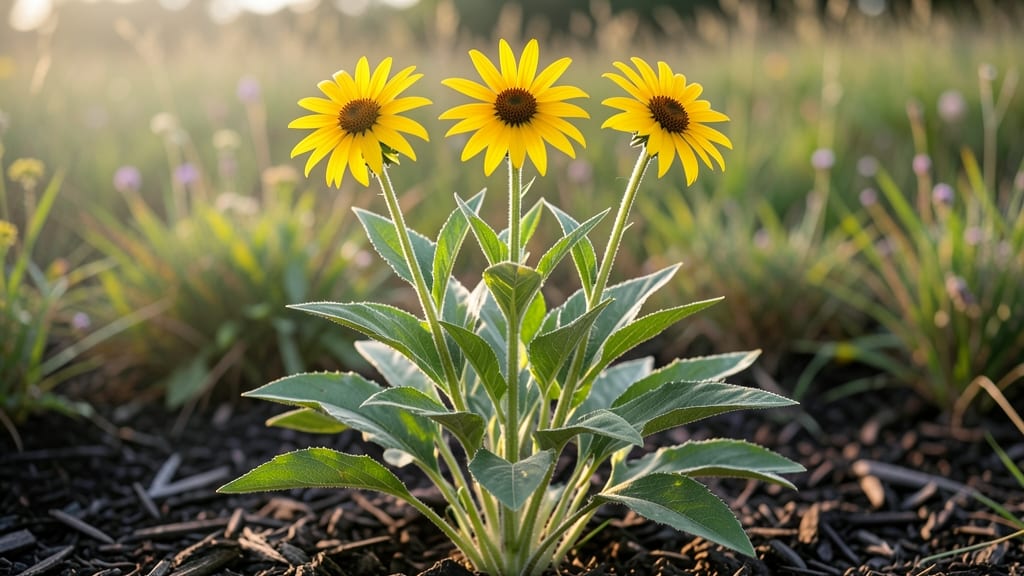
My yellow ombre coneflower has become the star of my late-summer garden, its golden-to-honey hues catching sunlight like a firefly in bloom. 🌻 This isn't just another coneflower—it's a sun-catching magnet for bees, butterflies, and hummingbirds that keeps the garden buzzing long after other perennials fade.
The way its petals shift from bright yellow at the edges to warm amber toward the center creates a soft gradient that feels like sunlight itself.
Plant it where you want maximum drama—along pathways, at the front of borders, or in containers where you can admire it from every angle. Pair it with deep purple salvias or dusty miller for a striking contrast, or let it mingle with black-eyed Susans for a golden meadow effect.
The blooms last from mid-summer through fall, giving you seasonal interest without extra effort.
📚 In This Guide
- What you need
- Instructions
- Tips and common mistakes
- Wrapping up and next steps
What you need
- ● Yellow Ombre Coneflower Seeds or Seedlings: Seeds: 1–2 oz (30–60 seeds) for a small garden patch, or 4–8 oz (120–240 seeds) for larger areas.
- ● Seedlings: 3–5 plants per 10 sq ft for a full, lush look.
- ● Well-Draining Soil: Mix 60% native soil with 40% compost or potting mix for optimal growth.
- ● Sunlight Spot: A location with 6+ hours of full sun daily (partial shade tolerates but reduces bloom intensity).
- ● Watering Can or Hose: With a gentle spray nozzle for delicate seedlings.
- ○ Mulch (Optional but Recommended): 2–3 inches of organic mulch (e.g., shredded bark or straw) to retain moisture and deter weeds.
- ● Garden Trowel or Transplant Spade: For digging holes (6–8 inches deep for seeds, 12–18 inches for seedlings).
- ● Gloves: To protect hands while handling soil or thorny stems.
- ● Pruning Shears: For trimming spent blooms to encourage regrowth.
- ○ Fertilizer (Optional): A balanced, slow-release fertilizer (10-10-10) or compost tea for nutrient boosts.
- ○ Support Stakes (Optional): For tall varieties (e.g., bamboo stakes) if needed in windy areas.
- ● Timing: Seeds: Plant in early spring (after last frost) or late summer for fall blooms.
- ● Seedlings: Transplant in spring or early fall.
- ● Pollinator Prep: Avoid pesticides—ombre coneflowers attract bees, butterflies, and hummingbirds! 🐝🦋
Step-by-Step guide to planting and caring for yellow ombre coneflower
Here's how to grow these vibrant pollinator magnets that thrive with minimal fuss.
🌱 Step 1: Choose the Perfect Planting Spot
Yellow ombre coneflower loves full sun—plant where it gets at least 6 hours of direct sunlight daily. I always pick the sunniest corner of my garden because these beauties reward you with bold color and long bloom times. The key is well-draining soil; if your yard has heavy clay, mix in 2-3 inches of compost to improve drainage before planting.
Dig a hole twice as wide as the root ball but only as deep. Gently remove the plant from its container and loosen any circling roots with your fingers. This helps the roots spread out quickly once planted. Press the surrounding soil firmly to eliminate air pockets, then water deeply to settle everything in place.
💧 Step 2: Water and Mulch for Strong Establishment
After planting, water thoroughly until the soil is 2-3 inches deep damp. You'll know it's right when water runs out the drainage holes if in a container. Coneflowers are drought-tolerant once established, but they need consistent moisture for the first 4-6 weeks to root properly. I water mine every 2-3 days until new growth appears.
Spread 2-3 inches of mulch around the base, keeping it 2 inches away from the stem to prevent rot. I use shredded bark mulch because it breaks down slowly and adds organic matter to the soil. This helps retain moisture and keeps weeds at bay—something I appreciate when summer heat arrives.
☀️ Step 3: Provide Minimal Care for Maximum Blooms
Yellow ombre coneflower is low-maintenance, but a little attention goes a long way. Fertilize lightly in spring with a balanced 10-10-10 formula to encourage strong growth. Too much fertilizer can lead to leafy growth at the expense of flowers, so I always follow the package instructions—usually 1 tablespoon per plant.
Deadhead spent blooms in late summer to encourage more flowers, but leave some seed heads for winter interest and to feed birds. I usually cut back 1/3 of the plant in early spring to promote new growth. This keeps the plant compact and prevents it from becoming leggy.
✂️ Step 4: Divide and Maintain for Long-Term Health
Every 3-4 years, coneflowers benefit from division. I dig up the plant in early spring or fall, separate the clumps into 3-4 inch sections, and replant them. This rejuvenates the plant and prevents overcrowding. Choose a cloudy day for transplanting to reduce stress on the plant.
Watch for powdery mildew in humid climates—it appears as white powder on leaves. If you see it, remove affected leaves and improve air circulation by spacing plants 18-24 inches apart. Yellow ombre coneflower is generally pest-free, but occasionally you might spot Japanese beetles. Handpick them in the morning when they're sluggish, or use neem oil as a last resort.
Tips & tricks for perfect yellow ombre coneflower planting
Took me a while to figure these out, so here's how to avoid the common pitfalls and get the most stunning blooms.
Sunlight Secret: Those 6 hours of direct sunlight are non-negotiable for vibrant yellow blooms. I've learned the hard way that even partial shade can result in pale, less dramatic flowers. If your garden has limited sun, consider planting in a container where you can move it to follow the sun throughout the day. A south-facing window or patio works great for container-grown plants.
Root Ball Preparation: When loosening circling roots in Step 1, don't be shy—get aggressive with your fingers. I've seen plants struggle because the roots weren't properly separated. Think of it like untangling headphones: you want those roots to spread out naturally once planted. This helps establish a strong root system that supports those tall, dramatic blooms you're after.
Mulching Magic: That 2-3 inches of mulch isn't just for looks—it's a game-changer. I've noticed my plants stay healthier and bloom longer when I maintain this mulch layer. The key is keeping it 2 inches away from the stem to prevent rot. For extra protection during hot summers, I sometimes add a thin layer of straw mulch on top of the bark mulch to retain even more moisture.
Division Timing: When it's time to divide every 3-4 years, I always opt for early spring rather than fall. The cooler temperatures and consistent moisture help the plants recover more quickly. If you must divide in fall, do it at least 6 weeks before your first frost date to give the plants time to establish before winter sets in.
Pro Tips for Yellow Ombre Coneflower
- Took me a while to figure these out, so here's how to avoid the common pitfalls and get the most stunning blooms.
- Sunlight Secret: Those 6 hours of direct sunlight are non-negotiable for vibrant yellow blooms.
- Root Ball Preparation: When loosening circling roots in Step 1, don't be shy—get aggressive with your fingers.
Frequently asked questions
Got questions about growing and enjoying yellow ombre coneflowers? You’re not alone! Here are some of the most common queries—plus quick, practical answers to keep your garden buzzing with beauty and pollinators.
How do I choose the best location for yellow ombre coneflowers?
Plant them in full sun (6+ hours of light daily) for the most vibrant blooms. They tolerate partial shade but may produce fewer flowers. Well-draining soil is key—avoid soggy spots to prevent root rot. Pro tip: If your soil is heavy clay, mix in compost or sand to improve drainage!
When is the ideal time to plant yellow ombre coneflowers?
For spring planting, aim for early spring (after the last frost) or fall planting 6–8 weeks before your first frost. Coneflowers are hardy and adaptable, but giving them a head start in cooler weather helps them establish strong roots before summer heat. Bonus: Fall-planted flowers often bloom earlier the next year!
Why aren’t my coneflowers attracting pollinators like bees or butterflies?
Check these quick fixes:
- Bloom time: Ensure they’re in full sun—they need energy to produce nectar.
- Deadheading: Remove spent blooms to encourage new flowers (and more food for pollinators!).
- Pesticides: Avoid chemicals; opt for neem oil or companion planting (like marigolds) to deter pests naturally.
Can I grow yellow ombre coneflowers in containers?
Choose a large container (at least 12–14 inches deep) with drainage holes and well-draining potting mix. Dwarf varieties (like ‘Magnus’) work best in pots. Keep them in full sun and water regularly—containers dry out faster than garden beds. Fun fact: Container-grown coneflowers make stunning patio centerpieces!
What can I plant alongside yellow ombre coneflowers for a pollinator-friendly garden?
Pair them with companion plants that thrive in similar conditions:
- Native grasses (like switchgrass) for texture.
- Black-eyed Susans or purple coneflowers for color contrast.
- Milkweed (to attract monarch butterflies!).
- Salvia or lavender for fragrance and pest control.
Troubleshooting: My coneflowers have brown spots—what’s wrong?
Brown spots are often caused by:
- Fungal issues: Overhead watering or humidity can lead to powdery mildew. Space plants for airflow and water at the base.
- Pests: Aphids or spider mites may stress plants. Spray with water or use insecticidal soap.
- Sunburn: If spots appear suddenly in hot weather, provide afternoon shade temporarily.
Wrapping up and next steps
The yellow ombre coneflower isn’t just a stunner—it’s a pollinator powerhouse that brings joy, color, and life to your garden all season long! 🌻 Whether you’re a seasoned gardener or just starting, this easy-to-grow beauty rewards effort with vibrant blooms and buzzing visitors. Ready to transform your outdoor space?
Your next step? Grab those seeds or seedlings and plant yours today—watch as your garden becomes a haven for butterflies, bees, and sunshine! 🌿