
Flowers
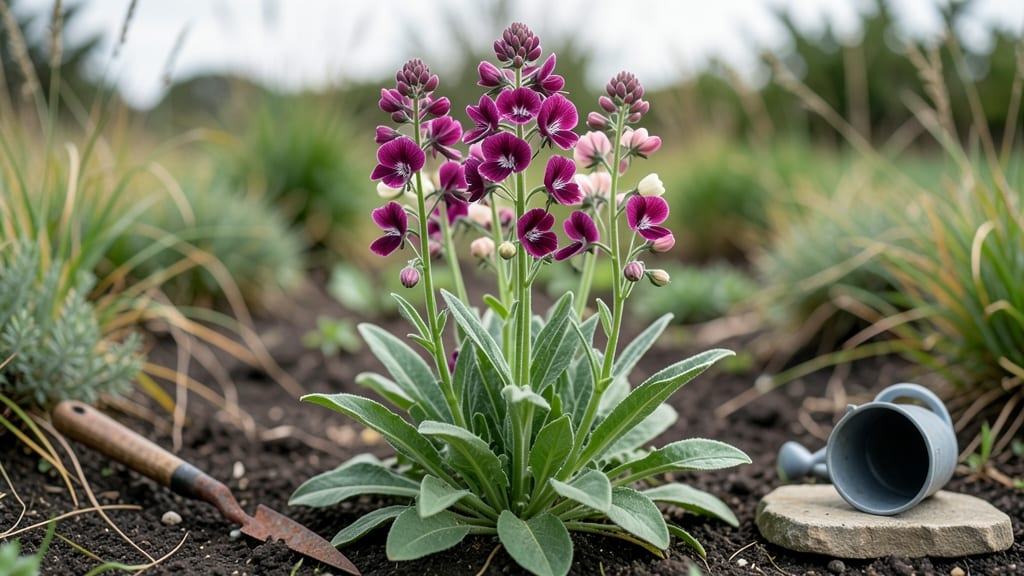
Proper stock flower care is simpler than you think—just a dash of sun, consistent watering, and a little patience can turn your two-week blooms into months of vibrant color. 🌸 The secret isn’t complicated: these hardy plants reward patience with clusters of fragrant blossoms that keep coming back all season long.
Start with well-draining soil and a spot that gets at least 6-8 hours of sunlight daily—they’re not fussy about temperature but hate soggy roots. Water consistently but let the top inch dry out between soakings, and fertilize lightly every 4-6 weeks with a balanced formula.
Pruning spent blooms encourages more flowers, and deadheading keeps the plant looking neat.
You’ll end up with vibrant, continuous blooms from early summer through fall if you stick to this routine. The fragrance alone makes it worth the effort—imagine walking past a bush heavy with tiny, star-shaped flowers that smell like spring. Even beginners can master this with just a few adjustments.
Works beautifully in garden beds, containers, or even as a fragrant hedge. Let’s get those stems strong and those blooms lasting!
📚 In This Guide
- What you need
- Instructions
- Tips and common mistakes
- Wrapping up and next steps
What you need
- ● Stock flower plants: Choose healthy, fresh stems (10–20 per bouquet, depending on size). Opt for Matthiola incana varieties for classic scent and color.
- ● Fresh, clean water: 1–2 gallons (3.8–7.6 liters) per vase, changed every 2–3 days.
- ● Flower food: 1 packet (or DIY: 1 tsp sugar + 1 tsp bleach per quart of water).
- ● Scissors or pruning shears: Sharp, clean pair (sterilize with rubbing alcohol).
- ● Vase or container: Wide-mouthed (3–5 inches) for small arrangements; tall and narrow for single stems.
- ○ Bucket or basin: For trimming stems (optional but handy!).
- ● Newspaper or towel: To protect surfaces from water spills.
- ● Rubbing alcohol (70% isopropyl): For sanitizing tools.
- ○ Decorative filler (optional): Crushed ice, pebbles, or floral preservative crystals.
- ● 💡 Trim stems at an angle: 1–2 inches from the base for better water absorption.
- ● 🌡️ Keep it cool: Store flowers in a fridge (uncut) overnight for extra freshness.
- ● 🎯 Avoid direct sunlight: Place arrangements away from heaters/AC vents.
Step-by-Step instructions for stock flower care
Here’s how I keep my stock flowers blooming lushly for months—no guesswork, just proven techniques.
🌱 Step 1: Choose the Right Location for Light and Airflow
Stock flowers thrive in bright, indirect light—think east-facing windows or 4-6 hours of morning sun. Too much direct afternoon sun scorches delicate petals, while dim corners lead to leggy stems and sparse blooms. I rotate my pots quarter-turn weekly so all sides get even light exposure.
Airflow matters just as much as light. Crowded stems invite fungal diseases like powdery mildew, which turns leaves white and stunts growth. Place plants 3-4 inches apart and avoid cramming them into tight corners. A small oscillating fan on low setting near the plants mimics natural breezes and strengthens stems.
💧 Step 2: Master the Watering Balance
Stock flowers hate soggy roots but despise drought too. Water when the top inch of soil feels dry to the touch—this usually means every 5-7 days in spring/fall, but every 3-4 days in peak summer heat. I test moisture by sticking my finger in the soil; if it’s damp past the first knuckle, wait another day.
Water deeply at the base to encourage strong root growth, but avoid wetting the foliage. Wet leaves trap humidity and promote mildew. Use room-temperature water—cold water shocks roots, while hot water can scald them. A self-watering pot with a reservoir system is my secret weapon for steady moisture without overwatering.
✂️ Step 3: Prune for Continuous Blooms
Deadheading spent blooms is non-negotiable for long-lasting stock flowers. Pinch off faded flowers just above the first set of healthy leaves with clean, sharp scissors. This redirects the plant’s energy from seed production to new buds. I do this every 2-3 days during peak bloom season—it’s a small effort that keeps flowers coming.
For a bushier plant, trim back leggy stems by one-third after the first flush of blooms. Cut just above a leaf node where new growth will emerge. Avoid heavy pruning in late summer, as new growth won’t have time to harden off before cooler weather arrives. Always sterilize your tools with rubbing alcohol between cuts to prevent disease spread.
☀️ Step 4: Feed and Protect for Season-Long Health
Stock flowers are light feeders, but they need balanced fertilizer every 4-6 weeks during the growing season. Use a half-strength liquid fertilizer (like 10-10-10) to avoid burning roots. I mix it with water and apply it after watering to prevent salt buildup in the soil. Stop fertilizing in late summer to encourage dormancy.
Watch for pests like aphids or spider mites, which love the tender new growth. I spray plants with neem oil solution (1 tsp per quart of water) weekly as a preventive. If you see yellowing leaves or sticky residue, act fast—these pests weaken plants quickly. A strong stream of water can knock off aphids, but neem oil is safer for long-term protection.
Tips & tricks for perfect stock flower care
Keeping stock flowers vibrant requires attention to detail—here’s how to elevate your care routine beyond the basics.
Light Exposure Insight: The 4-6 hours of morning sun in Step 1 is ideal because it provides bright light without the intensity of afternoon rays. If your windows face south, use sheer curtains to diffuse the midday sun and prevent leaf scorch. I’ve seen stock flowers wilt dramatically when exposed to harsh afternoon light—this is especially true for darker varieties.
Watering Precision: That top inch moisture test in Step 2 works best when you check at the same time each day. Morning is ideal because it gives roots time to absorb water before evening. I’ve ruined batches by watering in the evening, which leads to fungal issues from trapped moisture overnight. Also, always water at the base—never overhead—to prevent mildew.
Pruning Strategy: When deadheading every 2-3 days during peak bloom (Step 3), focus on removing only the faded flowers—not the entire stem. This encourages more buds to form along the stem. For bushier growth, trim leggy stems by one-third after the first flush, but always cut just above a leaf node. I sterilize my scissors with rubbing alcohol between plants to prevent cross-contamination.
Fertilizer Timing: The 4-6 week feeding schedule in Step 4 works best when you fertilize right after watering. This prevents salt buildup that can damage roots. I always use half-strength fertilizer to avoid overfeeding, which causes yellowing leaves. In late summer, I stop fertilizing entirely to help plants prepare for dormancy.
Pro Tips for Stock Flower Care
- Keeping stock flowers vibrant requires attention to detail—here’s how to elevate your care routine beyond the basics.
- Light Exposure Insight: The 4-6 hours of morning sun in Step 1 is ideal because it provides bright light without the intensity of afternoon rays.
- Watering Precision: That top inch moisture test in Step 2 works best when you check at the same time each day.
Frequently asked questions
Got questions about keeping your stock flowers fresh and flourishing?
Here are some of the most common ones—plus quick, expert-backed answers to help you master stock flower care like a pro!
How often should I water stock flowers, and how much is too much?
Stock flowers thrive with consistent moisture but hate soggy roots. Water them every 2–3 days (or daily in hot weather) with about 1 inch of water per week. Check soil moisture by sticking your finger 1 inch deep—if it’s dry, it’s time to water! Overwatering leads to root rot, so always use pots with drainage holes.
Can I extend the blooming season for stock flowers beyond their natural cycle?
Yes! With a few tricks, you can enjoy stock flowers well beyond their 2–3 week peak. Deadhead spent blooms regularly to encourage new flowers, and fertilize lightly every 2 weeks with a balanced, water-soluble fertilizer. For extra longevity, trim stems at an angle and change the water every 2–3 days. Bonus: Place them in a cool spot (like a garage) overnight to slow wilting!
What’s the best temperature range for stock flowers, and how do I protect them from heat or frost?
Stock flowers love cool to moderate temperatures (50–75°F) but can tolerate brief dips to 30°F. For heatwaves, move pots to shady spots and mulch soil to retain moisture. If frost is forecast, cover plants with frost cloth or bring potted stocks indoors (they’ll rebound once temps rise). Avoid sudden temperature swings—they stress plants and drop buds!
Are there any natural remedies to revive wilted or drooping stock flowers?
Wilting stocks often need a quick pick-me-up! First, check for underwatering or overwatering. Trim stems at a 45° angle and place them in cool water with a drop of bleach (1 tsp per gallon) to refresh them. For droopy foliage, mist leaves lightly and avoid direct sun for 24 hours. If roots are mushy (sign of rot), trim affected areas and repot with fresh, dry soil. Pro tip: A sugar rinse (1 tsp sugar per quart of water) can boost hydration!
Can I grow stock flowers in containers, and what’s the ideal pot size?
Stock flowers thrive in containers—just pick the right setup. Use pots at least 6–8 inches deep and wide (bigger is better for multiple plants). Ensure drainage holes are present, and choose lightweight pots to avoid tipping. For long-term growth, opt for fabric grow bags or terracotta, which wick away excess moisture. Remember: One plant per 6-inch pot gives them room to spread!
Wrapping up and next steps
With the right care, your stock flowers can thrive and brighten your space for weeks—or even months! 🌸 Remember, consistency is key: prune wisely, keep them hydrated, and give them love in the right light.
Whether you're a seasoned gardener or a newbie, these secrets will help you enjoy vibrant blooms all season long.
Now that you’re armed with expert tips, why not share your newfound knowledge? Try growing a few stock plants today—your future blooms will thank you! 🌱