
Flowers
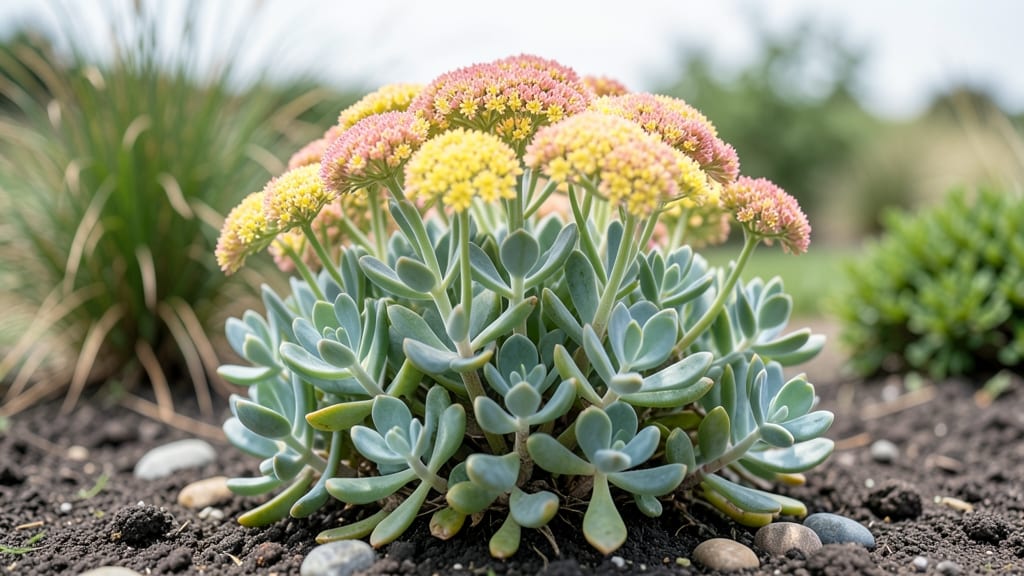
The yellow-flowered sedum blooms transform any garden into a sunlit sanctuary—its golden clusters light up borders, spill over containers, and even brighten shady spots when paired with drought-proof ground covers. ✨ I’ve used this hardy plant to turn dull corners into cheerful displays. right.
The secret lies in its versatility: it thrives where others fail, yet still delivers that wow factor with minimal effort.
Plant it as a bold edge along walkways, tuck it into rock gardens for cascading texture, or mix it with purple salvia for a striking contrast. In fall, its foliage turns coppery-red, extending the season’s charm.
Even in winter, the sturdy stems add structure to otherwise bare landscapes. This isn’t just a filler—it’s the star of the show.
📚 In This Guide
- What you need
- Instructions
- Tips and common mistakes
- Wrapping up and next steps
What you need
- ● Yellow-flowered sedum plants: 3–5 starter plants (6-inch pots) per 10 sq. ft. of space. Choose from varieties like 'Angelina' (golden foliage) or 'Autumn Joy' (bright yellow blooms).
- ● Well-draining soil: Mix 2 parts native soil with 1 part perlite or coarse sand (improves drainage). Test pH (ideal: 6.0–7.0).
- ○ Compost or organic fertilizer: 1–2 cups per planting hole (optional for nutrient boost).
- ○ Mulch (optional): 1–2 inches of gravel or pine bark to retain moisture and suppress weeds.
- ● Garden trowel or shovel (for digging holes).
- ● Watering can or hose with a gentle spray nozzle (avoid overwatering!).
- ● Gloves (to protect hands from prickly stems).
- ● Pruners or shears (for trimming after flowering).
- ● Sunlight access: Full sun (6+ hours/day) for best growth.
- ● Drought-tolerant zone: Sedum thrives in USDA zones 3–10.
- ● Slow-release fertilizer (e.g., Osmocote) for nutrient consistency.
- ● Rocks or decorative stones to enhance the xeric garden aesthetic.
- ● Drip irrigation system (for automated watering in extreme heat).
- ● Companion plants: Pair with lavender, thyme, or Russian sage for a pollinator-friendly mix.
How to plant and maintain drought-resistant yellow sedum ground cover
Here's the straightforward method I use to create a vibrant, low-maintenance yellow sedum carpet that thrives with minimal care.
🌱 Step 1: Choose the Perfect Planting Location
Sedum thrives in full sun—at least 6 hours daily—so pick a spot that gets maximum exposure. I always scout locations in early morning when shadows are longest, as this reveals true sun exposure. Avoid low spots where cold air settles, as sedum's shallow roots can heave in freezing temperatures.
Test the soil by digging a 6-inch hole—if water pools instead of draining within 30 minutes, amend with 1 inch of coarse sand or perlite mixed into the top 6 inches of soil. Sedum's drought tolerance comes from its ability to shed excess water quickly, so improving drainage is half the battle.
🪴 Step 2: Prepare the Soil and Plant Correctly
Spread a 2-inch layer of gravel or small rocks over the planting area to improve drainage and prevent soil compaction. This mimics sedum's natural rocky habitats and encourages strong root development. I like to rake it lightly so the stones don't create a solid barrier—just enough to break up heavy soil.
Plant sedum cuttings or small plants 6-12 inches apart—closer spacing encourages faster ground cover but may require occasional thinning. Dig holes just deep enough to bury the plant's base without covering the crown. Press soil gently around each plant but don't pack it down, as sedum roots need air pockets to thrive.
☀️ Step 3: Water Strategically and Let It Establish
Water deeply once a week for the first month to help roots establish, then taper to every 2-3 weeks once growth appears vigorous. Overwatering is the biggest mistake—sedum's thick leaves store moisture, so too much water causes rot. You'll know it's time to water when leaves look slightly wilted in the afternoon.
After the first year, sedum should need almost no supplemental water. I test this by going 4-6 weeks without watering—if the plants stay green and upright, they're truly drought-proof. If they brown at the edges, that's normal; just water lightly once to revive them.
✂️ Step 4: Prune and Maintain for Year-Round Beauty
Cut back faded flower stalks in late fall to encourage fresh growth in spring. I use clean pruners and make cuts just above a set of healthy leaves to promote bushier plants. Never remove more than 1/3 of the plant at once, as sedum recovers slowly from heavy pruning.
Spread any extra cuttings directly onto bare soil—they'll root easily. This natural propagation keeps your ground cover dense without spending money on new plants. In winter, a light mulch of ¼ inch of straw protects tender new growth from freezing temperatures.
Tips & tricks for perfect yellow flowered sedum ground cover
Real talk: Sedum's beauty lies in its simplicity, but these small tweaks make all the difference between a good ground cover and a showstopper.
Sun Exposure Secret: While sedum thrives in full sun, I've found that the 6 hours daily minimum works best when those hours are spread throughout the day. Early morning sun prevents scorching, while afternoon sun helps maintain vibrant yellow blooms. If your location gets intense midday heat, consider partial afternoon shade—especially in hotter climates where temperatures exceed 90°F.
Drainage Upgrade: The 30-minute drainage test in Step 1 is non-negotiable, but here's what I do next: After amending with 1 inch of coarse sand or perlite, I add a ½-inch layer of horticultural grit on top. This creates an extra barrier against waterlogging while still allowing roots to breathe. For heavy clay soils, I sometimes mix in 20% compost to improve structure without compromising drainage.
Planting Precision: When spacing your sedum 6-12 inches apart, I recommend starting with the wider spacing and thinning later. This gives plants room to establish their root systems before competing for space. Pro tip: Use a string line and stakes to create perfectly straight rows—this makes thinning and maintenance much easier down the road.
Winter Protection Strategy: That ¼-inch straw mulch in winter is crucial, but don't stop there. I also add a lightweight frost blanket during the coldest months (below 20°F) to protect new growth. Remove it during the day to prevent overheating, then replace it at night. This simple layer can mean the difference between winter survival and spring disappointment.
Pro Tips for Yellow Flowered Sedum
- Real talk: Sedum's beauty lies in its simplicity, but these small tweaks make all the difference between a good ground cover and a showstopper.
- Sun Exposure Secret: While sedum thrives in full sun, I've found that the 6 hours daily minimum works best when those hours are spread throughout the day.
- Drainage Upgrade: The 30-minute drainage test in Step 1 is non-negotiable, but here's what I do next: After amending with 1 inch of coarse sand or perlite, I add a ½-inch layer of horticultural grit on top.
Frequently asked questions
Got questions about your yellow flowered sedum? You’re not alone—this tough, cheerful plant sparkles with curiosity! Below, we’ve rounded up the most common queries to help you grow with confidence.
How do I keep yellow flowered sedum thriving in hot, dry climates?
Yellow flowered sedum is a drought-proof superstar, but a little extra care ensures it stays vibrant. Plant in well-draining soil (it hates soggy roots!) and water deeply but infrequently—about once a week in extreme heat. Mulch with gravel or straw to lock in moisture and protect roots. Once established, it’s virtually maintenance-free!
When is the best time to plant yellow flowered sedum?
Spring or early fall are ideal for planting yellow flowered sedum—these seasons give roots time to settle before summer’s intensity or winter’s chill. Avoid planting in peak summer heat, as young plants may struggle. If you’re adding it to a bare spot in summer, water deeply for the first few weeks to help it acclimate.
Why isn’t my sedum flowering as much as I expected?
Less blooming often means your sedum needs a little encouragement. Ensure it gets full sun (6+ hours daily)—partial shade can reduce flowers. Prune back leggy stems after blooming to promote bushier growth. If the soil is nutrient-poor, a light fertilizer in early spring can boost performance. Patience pays off!
Are there pests or diseases I should watch for with yellow flowered sedum?
Yellow flowered sedum is naturally pest-resistant, but aphids or spider mites may occasionally visit stressed plants. Blast them off with a hose or use insecticidal soap if needed. Overwatering can lead to root rot, so always prioritize dry, well-draining soil. Yellowing leaves? Check for powdery mildew—improve airflow and avoid overhead watering to prevent it.
What are some great alternatives if I love yellow flowered sedum but want variety?
If you’re smitten with sedum’s low-maintenance charm, try these drought-tolerant, sun-loving pals:
All are perennial workhorses for sunny, dry gardens!
Wrapping up and next steps
Yellow flowered sedum isn’t just a stunning addition to your garden—it’s a low-maintenance, drought-resistant powerhouse that thrives with minimal fuss. Whether you’re a seasoned gardener or just starting out, this hardy plant offers year-round beauty while demanding little from you.
Ready to transform your landscape with vibrant color and effortless charm?
🌱 Next step: Grab your gloves, pick a sunny spot, and plant a few sedum starts today—your garden (and future self) will thank you!