
Flowers
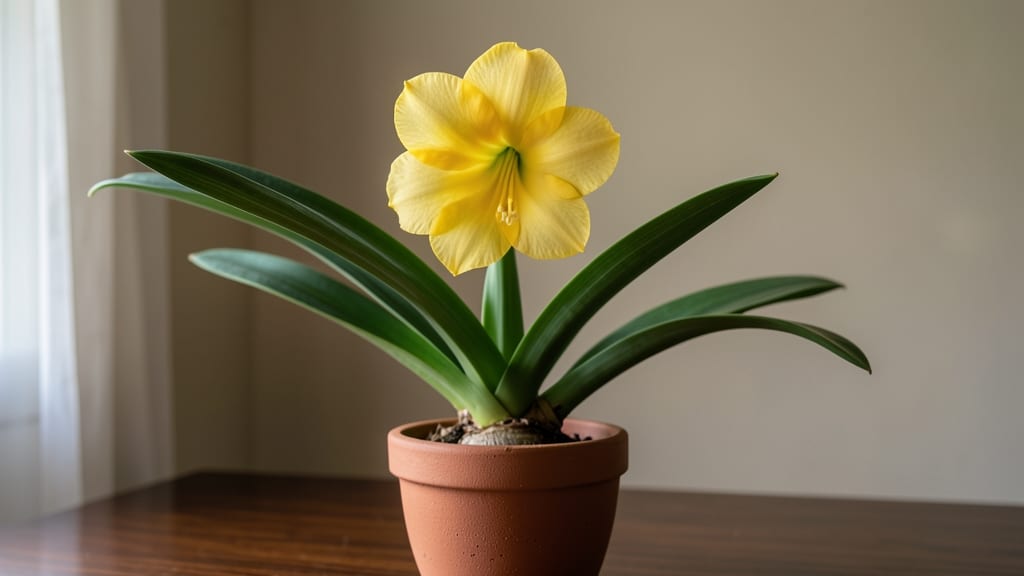
The yellow amaryllis flower bursting from its pot in bold blue-green spikes is a sight that never fails to thrill—especially when it keeps blooming year after year. 🌱 These aren’t your average amaryllis; they’re the showstoppers of container gardens, with vibrant yellow trumpets that demand attention. attention.
The secret to their nonstop performance? A few simple tweaks in light, soil, and care that most gardeners overlook.
You’ll need a sunny spot with bright, indirect light (think east or west-facing window or a sheltered patio), a well-draining potting mix, and a pot just big enough to snugly fit the bulb. I’ve found that keeping them slightly root-bound actually encourages more blooms—so don’t rush to upgrade the container.
The real magic happens when you mimic their natural dormancy cycle: let the foliage die back after flowering, then hold off on watering until new growth appears.
What you’ll end up with is a plant that blooms reliably every year, its sunburst yellow flowers standing out against dark green straps. The fragrance is subtle but intoxicating, and the spikes last for weeks if you deadhead spent blooms.
Best of all? They’re perfect for small spaces, balconies, or even bright indoor corners where other plants struggle.
We’ll cover everything from bulb selection to troubleshooting—like why your amaryllis might be sending up leaves but no flowers. Trust me, once you master this variety, you’ll never want to go back to the standard red or pink amaryllis again. Let’s get those bulbs blooming!
📚 In This Guide
- What you need
- Instructions
- Tips and common mistakes
- Wrapping up and next steps
What you need
- ● 1-2 yellow amaryllis bulbs (ensure they’re firm, dry, and free of soft spots).
- ● Well-draining potting mix (6-8 qt container): Use a blend of 50% peat moss, 30% perlite, and 20% coarse sand (or a pre-mixed cactus/succulent mix).
- ● 6-8" diameter container (with drainage holes). Terracotta or ceramic works best!
- ● Watering can with a narrow spout (to avoid over-saturating the bulb).
- ● Balanced liquid fertilizer (10-10-10) (diluted to half-strength).
- ● Grow lights (LED or fluorescent) for low-light conditions.
- ● Mulch (orchid bark chips) to retain moisture.
- ● Decorative pebbles or moss for a polished look.
- ● Spray bottle for humidity control (if indoors).
Step-by-step instructions for growing stunning yellow amaryllis blooms
Here’s how to coax vibrant yellow spikes from your amaryllis bulbs—no green thumb required.
🌱 Step 1: Select and Prepare the Right Bulb
Choose a healthy yellow amaryllis bulb that’s firm to the touch and free of soft spots or mold. The bulb should feel heavy for its size—this means it’s packed with stored energy for blooming. I always look for bulbs with a diameter of at least 3-4 inches; smaller ones may produce fewer or smaller blooms.
Before planting, give the bulb a quick inspection. Gently remove any dried or papery skins with your fingers—these can trap moisture and cause rot. If you see any dark, mushy areas, toss the bulb; it’s already compromised. Healthy bulbs have tight, papery outer layers that protect the inner growth point.
🪴 Step 2: Plant in a Well-Draining Container
Use a pot that’s only 1-2 inches wider than the bulb itself—amaryllis bulbs need snug quarters to encourage strong growth. I like to use terracotta pots because they wick away excess moisture, but any container with drainage holes will work. Fill the bottom 1 inch with perlite or pumice to improve drainage.
Place the bulb in the pot with about ⅔ of its body above the soil line. This positioning prevents rot while allowing the bulb to absorb moisture where it needs it most. Fill the pot with well-draining potting mix, pressing lightly around the bulb to secure it without compacting the soil. Leave the top of the bulb exposed—this is normal and necessary for healthy growth.
☀️ Step 3: Provide Light and Water for Initial Growth
Set your amaryllis in a spot with bright, indirect light—think east or west-facing windows, or a few feet from a south-facing window. Direct sunlight can scorch the leaves, but too little light will result in weak stems and fewer blooms. You’ll know the light is right when the leaves emerge straight and vibrant green, not stretched or pale.
Water sparingly at first. Only add moisture when the top 1-2 inches of soil feel dry to the touch. Overwatering is the #1 killer of amaryllis bulbs—it causes rot before the plant even has a chance to bloom. I like to use the "knuckle test": Stick your finger into the soil up to your first knuckle. If it feels damp, wait another day.
⏰ Step 4: Encourage Blooming with Strategic Care
Once the leaves reach 6-8 inches tall, it’s time to coax those stunning yellow spikes. Move the pot to a cooler spot (around 60-65°F) for 6-8 weeks50°F, which can damage the bulb.
During this cooling period, reduce watering to once every 3-4 weeks, just enough to keep the soil from drying out completely. You’ll see a dramatic change: the leaves may slow their growth, but soon you’ll spot a tight bud forming at the top of the stem. This is your signal that the blooming process has begun—bring the plant back to its warm, bright spot immediately.
💧 Step 5: Maintain Blooms and Prepare for Next Season
Once the yellow spikes emerge, keep the soil consistently moist but never soggy. Mist the blooms lightly in the morning to prevent dust from dulling their vibrant color. You’ll get the most impact from your amaryllis if you keep it in a spot where the blooms are the focal point—like a sunny windowsill or a well-lit dining table.
After the blooms fade, don’t cut the stems. Let them dry out naturally and wither on their own. This process allows the bulb to redirect its energy back into storage for next year’s blooms. Once the leaves turn yellow and crispy, trim them back to 1-2 inches above the bulb and store the pot in a cool, dark place with minimal watering until late winter.
Tips & tricks for perfect yellow amaryllis blooms
Here's what I've learned after growing these vibrant beauties for years—these little details make all the difference.
Bulb Selection Tip: When choosing your yellow amaryllis bulb, look for one with a diameter of at least 3-4 inches—these have the energy to produce those bold blue spikes. I've found that bulbs with a slightly rough texture (not too smooth) tend to bloom more vigorously. Confession: I skipped this step for years and wondered why my smaller bulbs kept underperforming!
Dormancy Strategy: The 6-8 week cooling period at 60-65°F is absolutely critical for triggering those stunning yellow blooms. I like to use my basement for this step—just make sure it doesn't dip below 50°F, or you risk damaging the bulb. Pro tip: Set a reminder to check the temperature weekly, as some basements can get chilly unexpectedly.
Lighting Secret: Bright, indirect light is your goal—think of it as the perfect reading lamp. I've noticed that east-facing windows give the most consistent results. If you're using a grow light, keep it about 12 inches above the plant and use it for 12-14 hours per day. Too much direct sun will scorch those delicate leaves, while too little will result in weak stems.
Watering Wisdom: The knuckle test is your best friend! Stick your finger into the soil up to your first knuckle—if it feels damp, wait another day. I've learned this the hard way after losing three bulbs to overwatering. During the cooling period, reduce watering to once every 3-4 weeks, just enough to prevent complete drying. This mimics the plant's natural dormancy cycle and helps trigger those beautiful blooms.
Pro Tips for Yellow Amaryllis Flower
- Here's what I've learned after growing these vibrant beauties for years—these little details make all the difference.
- Bulb Selection Tip: When choosing your yellow amaryllis bulb, look for one with a diameter of at least 3-4 inches—these have the energy to produce those bold blue spikes.
- Dormancy Strategy: The 6-8 week cooling period at 60-65°F is absolutely critical for triggering those stunning yellow blooms.
Frequently asked questions
Got questions about growing and caring for your yellow amaryllis flower? You’re not alone! Here are some of the most common queries—plus quick, practical answers to keep your bold blooms thriving.
How do I encourage my yellow amaryllis to rebloom?
Yellow amaryllis often rebloom with the right care! After flowering, let the foliage die back naturally, then stop watering for 6–8 weeks to simulate dormancy. Resume watering in early fall, and place it in bright, indirect light. A balanced fertilizer (like 10-10-10) every 4–6 weeks during active growth can also boost reblooming.
Why isn’t my yellow amaryllis flowering?
No flowers? Your plant might need a dormancy period or better light. Ensure it gets 6+ hours of sunlight daily (south or west-facing windows are ideal). Overwatering or root-bound pots can also stunt blooms. Try repotting in spring if roots are crowded, and avoid fertilizing during dormancy.
How often should I water my yellow amaryllis?
Water when the top 1–2 inches of soil are dry—usually every 1–2 weeks in spring/summer, but reduce drastically in winter (every 3–4 weeks). Yellow amaryllis hate soggy soil, so ensure pots have drainage holes. Yellowing leaves often signal overwatering, while wrinkled bulbs mean it’s thirsty!
Can I grow yellow amaryllis outdoors?
These tropical beauties thrive indoors year-round, but you can move them outdoors in summer (zones 9–11) for fresh air. Choose a shady spot (morning sun max) and protect from wind/rain. Bring them inside before temps drop below 50°F (10°C)—cold snaps can kill the bulb. Containers make relocating easy!
What’s the difference between yellow amaryllis and other varieties?
Yellow amaryllis (Hippeastrum ‘Yellow’) stand out with their vibrant yellow blooms and blue-green foliage, but they share care needs with red/pink varieties. The key difference? Yellow amaryllis often rebloom more reliably in containers and tolerate lower light better. For longer stems, stake them early—unlike some varieties, they don’t flop as easily!
Are yellow amaryllis toxic to pets?
Yes! All parts of the yellow amaryllis (bulb, leaves, flowers) are toxic to cats and dogs if ingested, causing vomiting, drooling, or diarrhea. Keep plants out of reach, and consult a vet if you suspect poisoning. Opt for pet-safe alternatives like spider plants or African violets if you have furry friends.
Wrapping up and next steps
The yellow amaryllis flower is a stunning, low-maintenance addition to any garden or indoor space, offering vibrant blooms year-round with minimal fuss. Whether you're a seasoned gardener or just starting out, these bold beauties bring joy and color effortlessly—perfect for containers, pots, or even as a striking centerpiece. 🌸
Ready to bring their cheerful energy into your home? Start by gathering your supplies, then dive into planting or caring for your yellow amaryllis with confidence. Your next step? Pick a sunny spot and watch those blue spikes transform into a cascade of golden blooms!