
Flowers
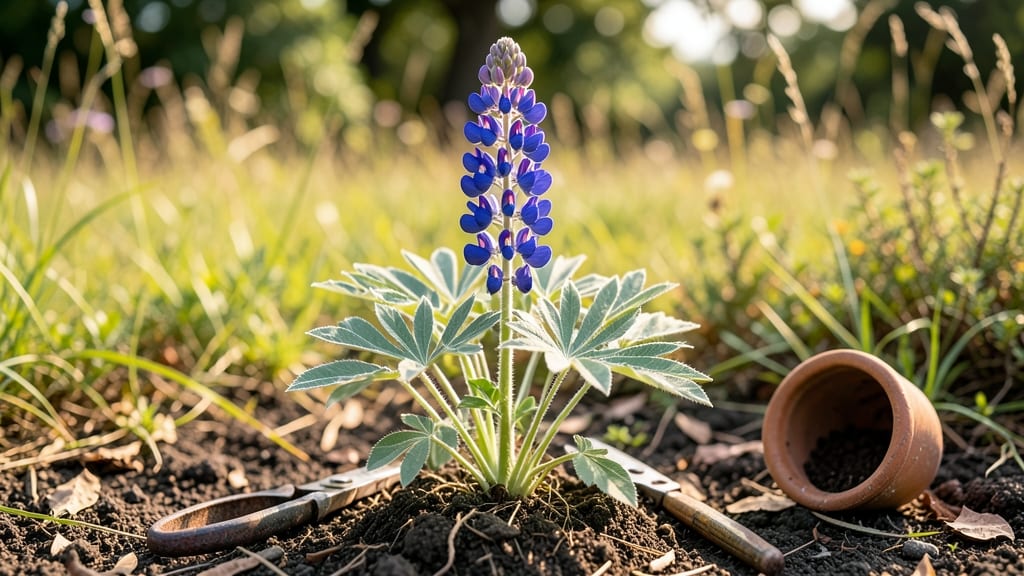
A wildflower flower bed transforms your yard into a buzzing, blooming sanctuary that hums with life. 🌼 The key isn't just throwing seeds—it's choosing the right mix for your climate, sunlight, and soil, then letting nature do the rest.
I've designed beds that stay vibrant from spring through frost, with minimal weeding and maximum impact.
Start with 3 simple steps: clear the area, loosen the soil, and scatter seeds in late summer or early fall. Native wildflowers like black-eyed Susans, coneflowers, and milkweed thrive with almost no care, while adding perennials like sedum or Russian sage ensures year-round interest.
The soil prep takes less than an hour, and the payoff is a garden that feeds pollinators while requiring far less water than traditional beds.
By late spring, you'll see a carpet of color that shifts with the seasons—bright yellows in May, deep purples in July, and golden hues in fall. Butterflies, bees, and hummingbirds will make it their home, and you'll spend less time fussing over deadheading.
The best part? Every year, the bed becomes more lush and self-sustaining.
Works in full sun or partial shade, from city balconies to country fields. Whether you're new to gardening or a seasoned pro, this approach delivers beauty with less effort. Let's get those seeds in the ground!
📚 In This Guide
- What you need
- Instructions
- Tips and common mistakes
- Wrapping up and next steps
What you need
- ● Wildflower seeds: Choose a pollinator-friendly mix (e.g., native wildflowers like coneflowers, black-eyed Susans, or milkweed). Aim for 1–2 lbs per 100 sq. ft. for full coverage.
- ● Well-draining soil: Test your soil’s pH (ideal range: 6.0–7.5 for most wildflowers). Amend with compost or sand if needed.
- ○ Mulch (optional but recommended): Use 2–3 inches of straw or wood chips to retain moisture and suppress weeds.
- ● Water source: A hose with a gentle spray nozzle or a drip irrigation system for consistent moisture.
- ● Garden tools: Shovel or spade
- ● Rake (for smoothing soil)
- ● Garden gloves (to protect your hands!)
- ● Erosion control fabric: Useful for sloped areas to prevent soil washout.
- ● Fertilizer (low-nitrogen): A balanced 10-10-10 or organic option like compost tea.
- ● Pollinator-friendly perennials: Add long-blooming plants like lavender, bee balm, or goldenrod for extra color.
- ● Birdhouses or bat boxes: Encourage eco-friendly pest control and more pollinators!
How to design a wildflower meadow that thrives all year
Here’s how to create a low-maintenance wildflower haven that blooms season after season.
🌱 Step 1: Choose the Perfect Location
Wildflowers need full sun—at least 6 hours daily—to thrive. I always scout my yard first, looking for areas with minimal foot traffic (like the edge of a lawn or behind shrubs). Avoid spots where water pools after rain, as soggy soil invites rot.
Test your spot by observing it for a week. If weeds struggle there, your wildflowers will too. Mark the area with stakes or spray paint to visualize the space before digging. A 4-foot by 4-foot bed is perfect for a small pollinator patch, while larger areas can stretch to 8 feet or more for a full meadow effect.
🪴 Step 2: Clear and Loosen the Soil
Remove existing grass or weeds by hand or with a broadfork—this aerates without disturbing deep roots. I like to work in 2-foot sections, pulling up weeds and breaking up compacted soil. Avoid tilling, which can bring buried weed seeds to the surface.
Wildflowers grow best in loose, well-draining soil. If your soil feels heavy or clumps when wet, mix in 2-3 inches of compost to improve texture. Rake the area smooth afterward—this creates a clean seedbed for planting.
✂️ Step 3: Select and Plant Native Wildflower Seeds
Pick a mix of native wildflowers for year-round color—think black-eyed Susans, coneflowers, and milkweed for summer, plus winter aconite or hellebores for early spring. I always buy pre-mixed pollinator blends from trusted suppliers to ensure diversity.
Scatter seeds lightly—they don’t need deep planting. A handheld spreader works best for even coverage. Press seeds into the soil with a light rake or your hands, then water gently to settle them. Avoid burying seeds deeper than ¼ inch, or they may not germinate.
💧 Step 4: Water and Maintain for the First Season
Keep the soil consistently moist (but not soggy) for the first 4-6 weeks—this is critical for seed germination. Water early in the morning to reduce evaporation and fungal risks. Once seedlings appear, taper back to deep watering 1-2 times per week to encourage strong roots.
Resist the urge to weed aggressively—wildflowers are tough but need time to establish. After the first year, mow back spent blooms in late fall to prevent seed spread and keep the bed tidy. Mulch lightly with straw in winter to protect emerging seedlings.
🌿 Step 5: Enjoy and Expand Your Pollinator Paradise
By year two, your wildflower bed will burst with color and life. Watch for butterflies, bees, and hummingbirds—they’ll visit in droves. To keep it thriving, add a few new plants each spring, like bee balm or goldenrod, to fill gaps and extend the blooming season.
Here’s the thing—wildflower beds improve every year. The more you nurture them, the more they’ll reward you with vibrant blooms, fewer weeds, and a thriving ecosystem. Grab a blanket, sit back, and enjoy the show!
Tips & tricks for perfect wildflower meadows
Creating a thriving wildflower meadow takes more than just planting seeds—it's about setting the stage for success from day one. Here are my go-to tricks that make all the difference between a patchy garden and a vibrant pollinator paradise.
Location Intelligence: That 6 hours of daily sun is non-negotiable, but here's what nobody tells you—watch for microclimates. The north side of your property might get less sun than the south, even if it seems sunny. I test spots for a full week before committing, using a simple solar meter app to track actual sunlight hours. This prevents the heartbreak of planting in what looks like a sunny spot but isn't.
Soil Secret Weapon: When you're mixing in that 2-3 inches of compost in Step 2, don't skimp on the quality. I always use a mix of finished compost and a handful of worm castings—it's worth the extra cost. The worm castings add beneficial microbes that help seeds germinate faster. Spread it evenly and rake just enough to cover the soil, leaving the surface slightly rough for better seed contact.
Seed Scattering Strategy: For even coverage in Step 3, I use a simple DIY trick: mix your seeds with a small amount of sand (about 1 part sand to 10 parts seeds) before scattering. The sand helps distribute them more evenly and makes it easier to see where you've planted. After scattering, I use the back of a rake to lightly press seeds into the soil—just enough to ensure good soil contact without burying them.
Watering Wisdom: Those first 4-6 weeks are critical, but here's the thing about watering: consistency matters more than quantity. I set up a drip irrigation system on a timer for the first month, delivering just enough to keep the top inch of soil moist. This prevents both underwatering and overwatering, which can wash away seeds. Morning watering is key—it gives plants time to dry out during the day, reducing fungal risks.
Pro Tips for Wild Flower Flower Bed
- Creating a thriving wildflower meadow takes more than just planting seeds—it's about setting the stage for success from day one.
- Location Intelligence: That 6 hours of daily sun is non-negotiable, but here's what nobody tells you—watch for microclimates.
- Soil Secret Weapon: When you're mixing in that 2-3 inches of compost in Step 2, don't skimp on the quality.
Frequently asked questions
Got questions about creating or maintaining a wildflower flower bed? You’re not alone! Here are answers to the most common queries to help you craft a thriving pollinator paradise with ease.
What’s the best time of year to plant wildflower seeds?
For most regions, late summer to early fall (August–October) is ideal—seeds germinate in cooler weather and establish roots before winter. Spring planting works too, but ensure the soil isn’t waterlogged. Pro tip: Check your seed packet for regional timing!
How do I keep weeds from overtaking my wildflower bed?
Weeds thrive where wildflowers struggle. Start with a clean, bare soil surface (remove grass/clover first) and mulch lightly with straw or leaves. Once wildflowers establish (after 2–3 months), they’ll outcompete weeds naturally. Bonus: Hand-pull weeds early to avoid seed spread!
Do wildflowers need frequent watering, or are they drought-tolerant?
Wildflowers are famously low-maintenance! Water deeply 1–2 times per week for the first month to help roots establish, then reduce to once every 1–2 weeks (or let nature handle it). Once mature, most varieties thrive on rainfall alone. Warning: Overwatering can drown seeds!
Can I mix wildflowers with other plants, like perennials or shrubs?
Pair wildflowers with native perennials (like coneflowers or black-eyed Susans) or shrubs (e.g., butterfly bush) for layered color and pollinator support. Just avoid competitive grasses or invasive species. Design tip: Group taller plants at the back, shorter ones in front!
My wildflowers didn’t bloom last year—what went wrong?
Common culprits: immature roots (give them a second year), poor soil (amend with compost), or over-fertilizing (wildflowers hate rich soil!). Most perennials bloom in their second year. Fix: Lightly scratch the soil in early spring to encourage germination.
Are there wildflower varieties that attract specific pollinators?
Yes! Plant bee balm and lavender for bees, milkweed for monarchs, and cone flowers for butterflies. Check local native plant guides for region-specific favorites. Fun fact: A single milkweed plant can host 400+ monarch caterpillars!
Still stumped? Drop your question in the comments—we’re happy to help your wildflower dream bloom!
Wrapping up and next steps
Creating a wildflower flower bed is more than just a gardening project—it’s a gift to nature and your senses! With the right mix of native plants, thoughtful design, and a little patience, you’ll enjoy a pollinator paradise bursting with color and life year-round. 🌸🐝
Ready to take the next step? Start small—even a single patch of wildflowers makes a difference. Grab your tools, pick a sunny spot, and let your garden bloom into a vibrant haven for bees, butterflies, and birds. Happy planting! 🌿✨