
Flowers
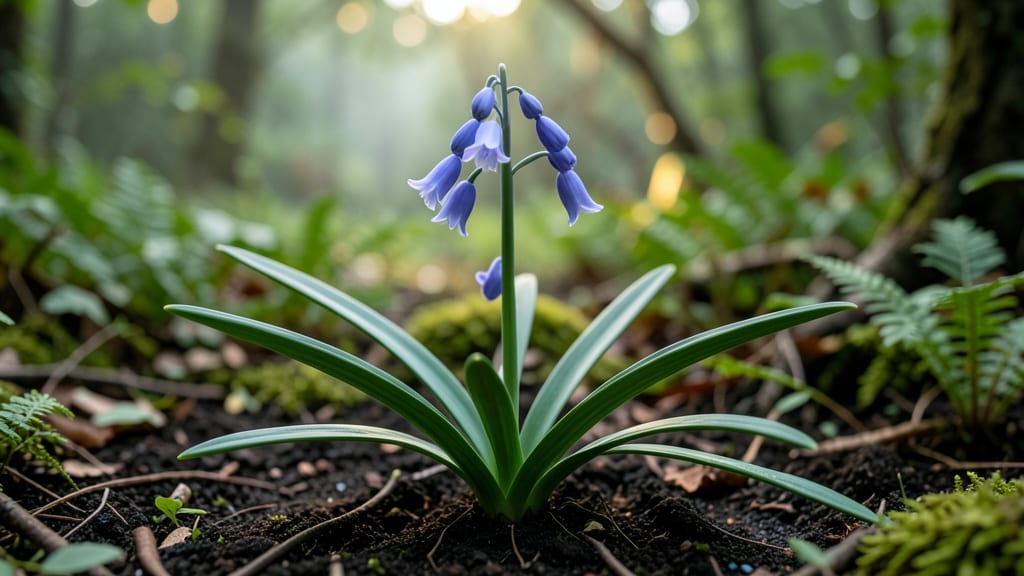
There's nothing quite like the whimsical woodland charm of wild bluebell flowers arching through spring gardens. 🌿 Their delicate, bell-shaped blooms in soft purples and whites create a magical carpet under trees or along shady borders, transforming even the simplest garden into a fairy-tale scene.
These native beauties thrive where other flowers struggle—dappled shade, moist soil, and that "forgotten corner" of your yard. They pair perfectly with ferns, hostas, and bleeding hearts, or let them naturalize in a wildflower meadow for a drift of effortless color that lasts weeks.
The scent alone—light, sweet, and slightly honeyed—will have you reaching for your camera.
What makes them special isn't just their looks but how they make a garden feel. A single clump becomes a statement; a mass planting becomes a seasonal spectacle that pulls the eye deeper into your space.
They're the kind of plant that turns neighbors into admirers and makes you proud to call your garden "home."
Best of all, they're low-maintenance once established—just give them shade, patience, and a little mulch. Whether you're designing a woodland retreat or brightening a shady border, wild bluebells are the secret weapon for effortless elegance. Let's bring that magic to your garden.
📚 In This Guide
- What you need
- Instructions
- Tips and common mistakes
- Wrapping up and next steps
What you need
- ● Wild bluebell bulbs or seeds: Choose certified organic or locally sourced bulbs (10–20 per square foot for dense clusters) or seeds (sow directly in fall for best results).
- ● Well-draining soil: A mix of 60% topsoil, 30% compost, and 10% perlite or sand (pH 6.0–7.0).
- ● Mulch: 2–3 inches of shredded bark or leaf mold to retain moisture and suppress weeds.
- ○ Shade cloth (optional):strong> Lightweight 30–50% shade fabric for areas with harsh afternoon sun.
- ● Garden trowel or bulb planter: For digging holes (3–4 inches deep for bulbs).
- ● Garden fork or spade: To loosen soil before planting.
- ● Watering can or hose with gentle nozzle: For deep, even watering (avoid overhead sprinklers).
- ● Gloves (recommended): To protect hands while handling soil or bulbs.
- ○ Pruning shears (optional): For trimming foliage after blooming to encourage bulb health.
- ● Slow-release fertilizer: 5-10-10 ratio (sprinkle lightly around bulbs in early spring).
- ● Bluebell companion plants: Ferns, hellebores, or lungwort to mimic their woodland habitat.
- ● Drip irrigation kit: For automated moisture control in dry climates.
- ● Wildlife-friendly deterrents: Slug bait (iron phosphate-based) if pests are a concern.
Step-by-step guide to cultivating wild bluebells in shade gardens
Here's how to coax these woodland darlings into your garden—naturally.
🌱 Step 1: Choose the Perfect Shade Location
Wild bluebells thrive where dappled light filters through canopy leaves. Look for spots with 4-6 hours of indirect sunlight daily—think beneath deciduous trees or along north-facing walls. I always test a location first by observing how long morning sun lingers; if the ground stays damp beyond midday, it's ideal.
Soil should be moist but well-draining, rich in organic matter but never waterlogged. If your garden has heavy clay, amend with 2-3 inches of compost mixed into the top 6 inches of soil. The key is mimicking their native woodland floor—cool, humus-rich, and consistently moist without soggy pockets.
🌿 Step 2: Plant Bulbs at the Right Depth and Spacing
Plant bulbs in early fall (4-6 weeks before your first frost) for natural root establishment. Using a trowel, dig holes 3-4 inches deep—just enough to place the bulb with its base 1 inch below soil level. Any deeper, and they'll rot; too shallow, and they'll dry out.
Space bulbs 3-4 inches apart in clusters of 5-7 for that signature drift effect. I like to sketch a rough grid first to maintain even spacing. Once planted, water deeply to settle the soil around the bulbs, then mulch with 1-2 inches of shredded leaves to protect them through winter.
☀️ Step 3: Create Ideal Growing Conditions for Spring Blooms
In late winter, as new shoots emerge, reduce mulch to ½ inch to allow light penetration. Bluebells need cool temperatures (50-60°F) to bloom properly—hotter springs delay or reduce flowering. If your climate warms early, provide afternoon shade with a lightweight shade cloth (30%) until blooms appear.
Water consistently to keep soil evenly moist but never soggy. You'll know moisture is right when the soil surface feels damp to touch but doesn't glisten. Avoid overhead watering once shoots appear—wet foliage invites fungal diseases that can blacken leaves overnight.
✂️ Step 4: Maintain and Encourage Natural Spread
After flowering, allow seed pods to mature and dry on the plant. Once brown and brittle, gently crush them to release seeds—this mimics natural woodland dispersal. Over time, new plants will emerge nearby, creating those magical bluebell carpets. I never remove foliage until it yellows completely; this ensures energy returns to the bulb for next year's blooms.
Divide congested clumps in early fall every 3-4 years by lifting bulbs and separating offsets. Replant immediately in fresh soil, watering well to reduce transplant shock. This prevents overcrowding and maintains vigorous flowering.
Tips & tricks for cultivating wild bluebell flowers
Real talk: these woodland beauties are finicky, but these tricks will help you coax them into thriving like they do in the forest.
Lighting Secret: The 4-6 hours of indirect sunlight is non-negotiable—bluebell bulbs won't tolerate harsh afternoon sun. I've found that planting along the north side of evergreen shrubs creates perfect dappled light conditions. Test your spot by placing a white plate on the ground: if it stays mostly shaded by midday, it's ideal. Too much direct sun will scorch the delicate foliage.
Soil Science: That moist-but-well-draining soil is the real magic. If your garden has heavy clay, don't just add compost—mix it thoroughly into the top 6 inches of soil. I've seen bluebells fail spectacularly in amended surface soil that still had compacted clay underneath. Think of it like making a woodland forest floor: loose, organic, and able to hold moisture without becoming waterlogged.
Planting Precision: When you're digging those 3-4 inch holes, pay attention to the bulb's base. It needs to sit exactly 1 inch below soil level—any deeper risks rot, while too shallow means they'll dry out. I use a small ruler to mark the depth before planting. Also, that 1-2 inch layer of shredded leaves isn't just decoration—it mimics natural leaf litter and protects bulbs from winter temperature swings.
Spring Care Strategy: The 50-60°F temperature range is critical for blooming. If your spring warms quickly, don't panic—just drape that lightweight shade cloth (30% density) over the area until blooms appear. I've used it successfully to extend the cool period by 2-3 weeks. And remember: when watering, aim for the soil base rather than overhead—wet foliage is bluebell kryptonite for fungal diseases.
Pro Tips for Wild Bluebell Flower
- Real talk: these woodland beauties are finicky, but these tricks will help you coax them into thriving like they do in the forest.
- Lighting Secret: The 4-6 hours of indirect sunlight is non-negotiable—bluebell bulbs won't tolerate harsh afternoon sun.
- Soil Science: That moist-but-well-draining soil is the real magic.
Frequently asked questions
When is the best time to plant wild bluebell bulbs?
Plant wild bluebell bulbs in early fall (September–October) for optimal results. This mimics their natural woodland cycle, allowing roots to establish before winter. Avoid spring planting—they’ll struggle to adapt and may not bloom. Pro tip: Mimic their shady forest home by planting in well-draining soil under trees or shrubs.
Can wild bluebells grow in full sun?
While they tolerate partial sun, wild bluebells thrive in dappled shade or full shade (4+ hours of shade daily). Full sun can scorch their delicate foliage and reduce flowering. If your garden lacks shade, opt for shade-loving alternatives like Hepatica or Trillium.
Why aren’t my wild bluebells blooming this year?
Common culprits include too much sun, poor soil drainage, or overcrowded bulbs. Check for yellowing leaves (sign of rot) or no foliage (bulbs may need division). Give them 3–5 years to mature—patience pays off! Fix it: Amend soil with compost and ensure consistent moisture.
Are wild bluebells toxic to pets or children?
Yes! All parts of the plant contain alkaloids, which can cause mild stomach upset if ingested. Keep them out of reach of curious pets or kids. If poisoning is suspected, contact your vet or ASPCA immediately. Safe swap: Try non-toxic English bluebells (Hyacinthoides non-scripta) for a similar look.
How do I propagate wild bluebell bulbs?
Dig up mature clumps after foliage dies back (late summer). Gently separate bulbs and replant 2–3 inches deep, spacing them 3–4 inches apart. Bonus: Offsets (small bulbs) form naturally—transplant these in fall for free plants! Avoid over-handling to prevent bulb damage.
What’s the difference between wild bluebells and Spanish bluebells?
Wild bluebells (Hyacinthoides non-scripta)
have drooping, bell-shaped flowers in soft purple hues and grow in woodland settings. Spanish bluebells (Hyacinthoides hispanica) are taller, upright, and brighter blue, often planted in gardens. Wild types are protected in some regions—always check local laws before harvesting!
Wrapping up and next steps
From their delicate nodding blooms to their ability to thrive in shady corners, wild bluebells bring a touch of woodland magic to any garden. 🌿 Whether you're drawn to their fragrant charm or their low-maintenance nature, these flowers are a dream for gardeners seeking effortless beauty.
Ready to transform your shady spots into a fairy-tale-like retreat?
Start by sketching your design—mark where you’ll tuck these blooms into your garden. Then, gather your supplies and dive in! With a little patience, you’ll soon be rewarded with a carpet of bluebells swaying gently in the breeze. Happy gardening!