
Flowers
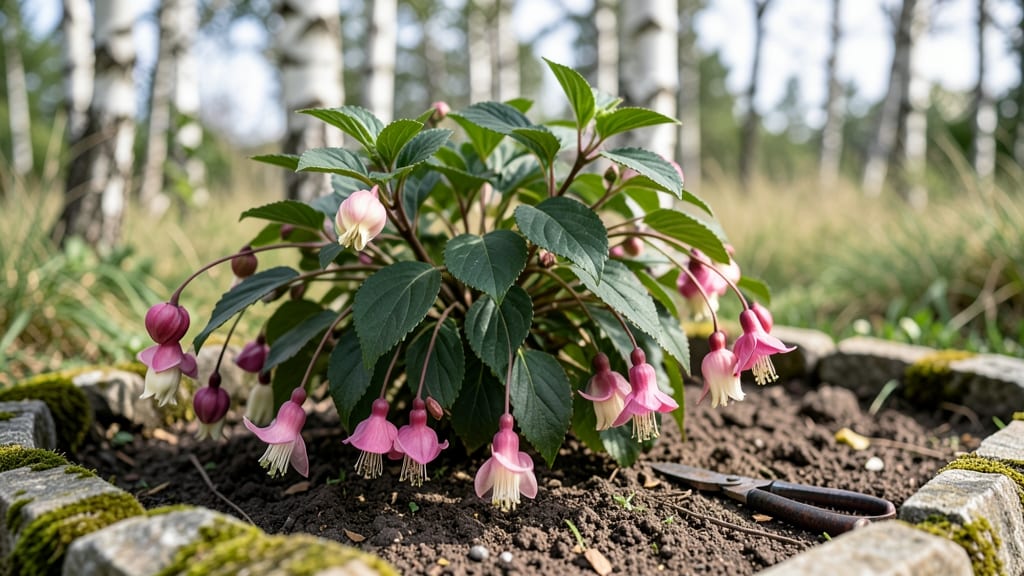
Growing white fuchsia flowers like Fuchsia magellanica feels like bringing a touch of alpine charm to your garden—even in cooler climates. 🌿 These cold-resistant beauties thrive in containers, making them perfect for patios, balconies, or windowsills where temperatures dip below 20°F. The key lies in mimicking their natural habitat: moist, well-draining soil and partial shade that protects their delicate blooms from harsh afternoon sun.
You’ll need just a few supplies to get started: a 10-12 inch pot with drainage holes, a mix of peat moss and perlite for aeration, and a spot that gets morning sunlight and afternoon shade.
Watering is the trickiest part—keep the soil consistently moist but never soggy, as fuchsias hate wet feet. A light misting in the morning keeps those bell-shaped flowers looking fresh all season long.
By late summer, you’ll be rewarded with clusters of white, drooping blooms that hummingbirds adore. Prune back leggy stems in early spring to encourage bushier growth, and pinch off spent flowers to keep the plant producing new ones.
With the right care, your white fuchsias will bloom from early summer through fall, adding a whimsical touch to any space.
These plants adapt well to containers, so you can easily move them indoors during winter if frost threatens. Just reduce watering slightly and keep them in bright, indirect light until spring. Whether you’re a beginner or a seasoned gardener, white fuchsias bring effortless elegance to any garden style.
📚 In This Guide
- What you need
- Instructions
- Tips and common mistakes
- Wrapping up and next steps
What you need
- ● White fuchsia seeds or cuttings: Choose cold-resistant varieties like Fuchsia magellanica or Fuchsia ‘Giant Lady’ (2–5 plants for optimal display).
- ● Well-draining potting mix: 5–10 gallons (depending on container size). Use a blend of peat moss, perlite, and compost (ratio: 40% peat, 30% perlite, 30% compost).
- ● Containers: 12–16" diameter pots with drainage holes (terracotta or fabric pots work best).
- ● Slow-release fertilizer: 10–10–10 NPK blend (1 tbsp per gallon of soil).
- ● Mulch: 1–2 inches of shredded bark or pine needles to retain moisture and insulate roots.
- ● Gloves and pruning shears: For handling plants and trimming (sterilize shears with rubbing alcohol).
- ● Watering can with a fine rose nozzle: For gentle hydration (avoid soggy soil!).
- ○ pH testing kit (optional): Ideal soil pH: 5.5–6.5 (acidic).
- ● Cold frame or frost cloth (for winter): Protects plants in zones 5–8 (❄️).
- ○ Sunlight monitor (optional): Fuchsias thrive in partial shade (4–6 hours of indirect light daily).
Step-by-step instructions for growing hardy white fuchsias in pots
Here's how I grow these cold-tolerant beauties—no greenhouse needed.
🪴 Step 1: Choose the Right Containers and Soil Mix
White fuchsias need well-draining pots with 6-8 inch depth and drainage holes. I use unglazed terra cotta because it breathes and prevents root rot. Fill each pot with a mix of 50% peat moss and 50% perlite—this keeps roots aerated while holding enough moisture. Tap the pot gently after filling to settle the mix without compacting it.
Real talk: If you skip the perlite, the soil will stay too wet, and those delicate roots will rot. I've learned this the hard way with soggy fuchsias that wilted overnight. Add a slow-release fertilizer (like 1 tablespoon per pot) to the mix to give your plants a steady nutrient boost without overfeeding.
🌱 Step 2: Plant Cuttings or Transplants Correctly
Take 4-inch cuttings from healthy stems just below a leaf node, then dip the cut end in rooting hormone. Plant each cutting at a 2-inch depth, pressing the soil lightly around the stem to remove air pockets. You'll see new growth emerging from the node within 3-4 weeks—that's your signal the roots have taken hold.
If using transplants, dig a hole the same depth as the root ball and place the plant in the center. Fill gaps with soil, then water gently until moisture reaches 1 inch deep. Don't bury the stem too deep—white fuchsias hate having their stems smothered, and it causes rot.
☀️ Step 3: Position for Bright, Indirect Light
White fuchsias love morning sun but need afternoon shade, especially in hot climates. A south-facing window with sheer curtains works well, or place pots on a patio where they get 4-6 hours of filtered light daily. You'll notice leaves turning pale or stretching toward the light? That's a sign your plants need more brightness.
In cooler months, move pots closer to the window or under grow lights for 12-14 hours daily. These cold-resistant varieties won't bolt like tropical fuchsias, but they still need consistent light to produce those stunning white blooms. A simple trick: Rotate pots a quarter turn weekly so plants grow evenly instead of leaning.
💧 Step 4: Water and Feed for Continuous Blooms
Water when the top inch of soil feels dry—stick your finger in to check. White fuchsias hate soggy roots but also can't handle drying out completely. I water deeply in the morning, letting excess drain through the holes. In winter, reduce watering to every 7-10 days unless your home stays very dry.
Feed every 4-6 weeks with a balanced liquid fertilizer (like 10-10-10) diluted to half strength. You'll see new buds forming within 2-3 weeks of fertilizing—keep this up, and your plants will reward you with nonstop blooms. Deadhead spent flowers regularly to encourage more blooms, but don't overdo it—let a few seed pods form if you want to save seeds for next year.
✂️ Step 5: Prune and Overwinter for Next Year
After the first frost, cut back stems by half their height to encourage bushier growth in spring. Prune again in early spring to remove any dead or weak stems. You'll notice new shoots emerging from the base within 2-3 weeks—this is your plant's way of saying it's ready for another season.
Move pots to a cool, bright spot (like a garage or shed) where temperatures stay between 40-50°F. Water sparingly—just enough to keep soil from drying out completely. In early spring, bring pots back into light and resume regular care. Your white fuchsias will bounce back stronger than ever, ready to bloom again.
Tips & tricks for growing hardy white fuchsias
Here's what I've learned from years of growing these stunning cold-resistant beauties—simple tricks that make all the difference.
Soil Mix Secret: The 50/50 peat moss and perlite mix is non-negotiable for white fuchsias. I've tried adding compost, but it retains too much moisture—those delicate roots need excellent drainage. After mixing, give the soil a gentle tap on your work surface to eliminate air pockets without compacting it. This ensures even moisture distribution right from planting.
Light Positioning: When placing your pots, remember the morning sun rule: face them east or southeast for optimal light exposure. If you notice leaves stretching toward the light (a condition called etiolation), it's time to move them closer to the window or supplement with grow lights for those 12-14 hours daily in cooler months. I rotate my pots a quarter turn weekly to prevent lopsided growth—it takes just 30 seconds but makes a huge difference in plant symmetry.
Watering Wisdom: The "top inch dry" rule works perfectly, but I've found a better way to check: stick your finger about 1 inch deep into the soil. If it feels dry at that depth, it's time to water. In winter, I reduce to every 7-10 days unless my home stays particularly dry. The key is consistency—white fuchsias hate both soggy roots and bone-dry soil, so check daily during hot weather.
Pruning Payoff: After that first frost, cutting back stems by half their height might seem drastic, but trust me—it's worth it. You'll see new shoots emerging from the base within 2-3 weeks, creating a bushier, more productive plant for next season. I always prune just above a leaf node where new growth will emerge, and I never cut back more than half to avoid shocking the plant.
Pro Tips for White Fuchsia Flower
- Here's what I've learned from years of growing these stunning cold-resistant beauties—simple tricks that make all the difference.
- Soil Mix Secret: The 50/50 peat moss and perlite mix is non-negotiable for white fuchsias.
- Light Positioning: When placing your pots, remember the morning sun rule: face them east or southeast for optimal light exposure.
Frequently asked questions
Got questions about growing white fuchsia flowers? You’re not alone! Here are some of the most common queries—plus quick answers to help you cultivate stunning blooms with confidence.
How cold-hardy is the white fuchsia?
The white fuchsia (Fuchsia magellanica) is one of the hardiest varieties, surviving light frosts down to 15°F (-9°C). However, prolonged exposure to freezing temps may damage foliage. For extra protection, mulch the base or move potted plants to a sheltered spot. Learn more about winter care to keep your fuchsias thriving year-round!
When is the best time to plant white fuchsias?
For outdoor planting, aim for early spring (after the last frost) or early fall to allow roots to establish before winter. If growing in containers, you can plant anytime the soil is workable. Pro tip: White fuchsias bloom best with 6+ hours of sunlight daily, so choose a spot with partial shade in hot climates to prevent wilting.
Can I grow white fuchsias in containers?
White fuchsias thrive in containers, making them perfect for patios, balconies, or small gardens. Use a well-draining pot (12+ inches deep) with a mix of peat moss, perlite, and compost. Ensure the container has drainage holes to prevent root rot. Check out our container-growing tips for lush, long-lasting blooms!
Why aren’t my white fuchsias blooming?
If your fuchsias are leafy but not flowering, it’s often due to over-fertilization (too much nitrogen) or lack of sunlight. Switch to a balanced, phosphorus-rich fertilizer (like 10-10-10) and ensure they get 4–6 hours of morning sun. Deadheading spent blooms also encourages more flowers!
What are some white fuchsia alternatives if I want similar flowers?
If you love the look of white fuchsias but want variety, try these low-maintenance, cold-tolerant alternatives:
- Lilac (Syringa vulgaris) – Fragrant, hardy, and drought-tolerant.
- Japanese Anemone (Anemone × hybrida) – Delicate white blooms that thrive in partial shade.
- Heather (Calluna vulgaris) – Evergreen with bell-shaped flowers, great for containers.
- Dianthus (Sweet William) – Hardy, fragrant, and comes in white varieties.
Wrapping up and next steps
The white fuchsia flower is a stunning, cold-resistant beauty that thrives in containers—perfect for gardeners who love low-maintenance yet striking blooms! 🌸 With the right soil, sunlight, and care, you’ll enjoy vibrant flowers from spring to frost.
Whether you're a beginner or a seasoned plant parent, this resilient variety rewards patience with breathtaking results.
Ready to grow your own? Start with a healthy cutting or seed, and soon you’ll be sharing your lush, fragrant blooms with neighbors (and maybe even winning a gardening contest!). Happy planting—your white fuchsia paradise awaits! 🌿✨