
Watering
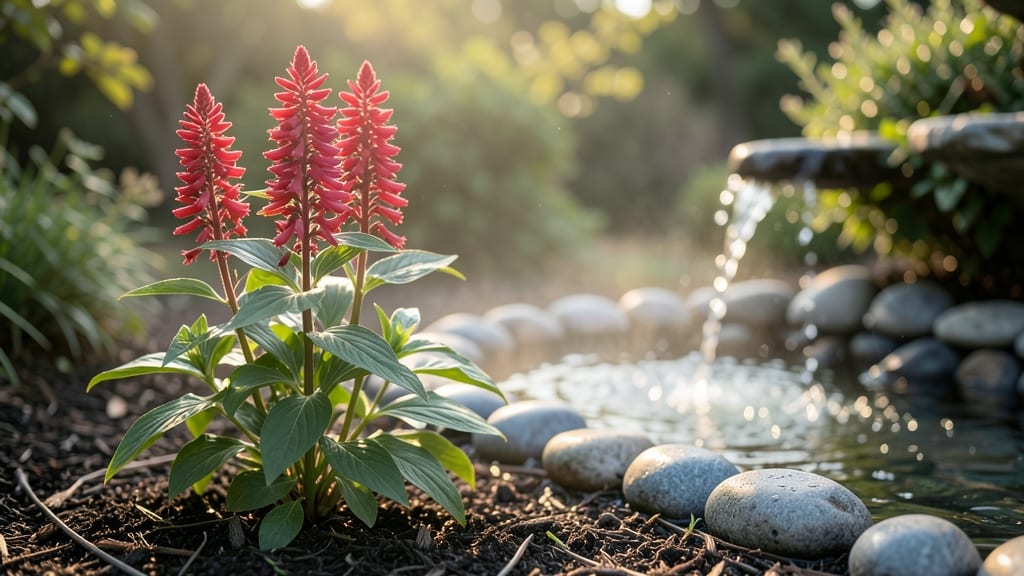
Water fountain flowers turn your garden into a serene oasis without demanding constant pruning. 🌿 The right plants thrive in moist conditions, their petals dancing in the breeze while their roots stay happily submerged.
I learned this the hard way after my first fountain—some flowers wilted, others took over, and the whole thing looked more like a swamp than a sanctuary. But once I discovered the perfect moisture-loving varieties, the transformation was stunning.
The secret lies in matching plants to water depth and sunlight. Marginal plants like canna lilies and water hyacinths love shallow edges, while deep-water beauties like water lilies and blue flag irises anchor the center.
These picks stay lush with minimal trimming, their blooms reflecting in the water like living jewelry. Even in winter, their evergreen foliage keeps the scene vibrant.
Imagine stepping into a garden where the fountain’s gentle hum blends with the rustle of petals. Your space becomes a tranquil retreat where flowers do most of the work—blooming reliably, repelling pests naturally, and requiring only occasional deadheading.
The best part? You’ll spend less time fussing and more time enjoying the view.
Whether you’re working with a small tabletop fountain or a sprawling pond, the same principles apply. Start with the right plants, and your water feature will shine year-round with almost no effort. Let’s get those flowers thriving in their aquatic haven!
📚 In This Guide
- What you need
- Instructions
- Tips and common mistakes
- Wrapping up and next steps
What you need
- ● Water fountain (solar or electric) – Choose a low-flow model (1-3 GPH) with a basin depth of at least 4-6 inches to support aquatic plants.
- ● Water-resistant liner – 12-24 inches wide, depending on fountain size (PVC or EPDM rubber recommended).
- ● Gravel or pebbles – 1-2 inches of smooth, rounded stones (e.g., river rocks) for drainage and aesthetics.
- ● Water fountain flowers – Opt for hardy aquatic plants like: Water lilies (Nymphaea spp.) – Tropical or hardy varieties (e.g., 'Helvola' or 'Alba').
- ● Water hyacinth (Eichhornia crassipes) – Floating option (check local regulations—may be invasive).
- ● Pickerelweed (Pontederia cordata) – Native, low-maintenance perennial.
- ● Lotus (Nelumbo spp.) – Dramatic blooms (needs deeper water, 12+ inches).
- ● Slow-release fertilizer tablets – 1-2 tablets (e.g., Aquascape or Miracle-Gro Shake 'n Feed) for nutrient-rich water.
- ● Floating plant baskets – 2-4 lightweight baskets (for hyacinths or smaller lilies).
- ● Garden trowel – For planting and adjusting gravel.
- ● Measuring tape – To ensure proper fountain placement and water depth.
- ● Water pump (if not included) – 12V or solar-powered (100-500 GPH) for circulation.
- ○ pH test kit – Optional but helpful to monitor water quality (ideal pH: 6.5-7.5).
- ○ Barrier netting – Optional (if using invasive plants like water hyacinth).
- ● Sunlight access – 6+ hours of direct/partial sun for most aquatic flowers.
- ● Local regulations check – Verify if water lilies or hyacinths are permitted in your area.
How to create a low-maintenance water fountain flower display
Here’s how to build a stunning, self-sustaining water feature that thrives year-round with minimal effort.
🪴 Step 1: Select the Right Containers and Water Flow System
Choose a wide, shallow basin (at least 18 inches in diameter) with a built-in water pump and recirculating system—this prevents stagnation and keeps roots aerated. I recommend a prefab water fountain kit with a submersible pump rated for 1-2 gallons per hour to ensure gentle, consistent flow without overwhelming delicate blooms.
Place the basin in partial shade (3-6 hours of morning sun) to protect water from excessive evaporation and algae growth. A north- or east-facing spot works best—too much midday sun turns water into a breeding ground for green slime. If your space only offers full sun, opt for shade-tolerant varieties like water hyacinth or water lettuce to avoid maintenance headaches.
☀️ Step 2: Choose the Perfect Flowering Plants
For year-round blooms, pair hardy aquatic perennials with seasonal accents. Start with water lilies (like Nymphaea 'Helvola' for deep yellow flowers) as your anchor—their broad leaves shade the water, deterring algae. Add pink or white water forget-me-nots (Myosotis scorpioides) for delicate, self-seeding blooms that cascade over the edges.
In cooler months, water hyacinth (Eichhornia crassipes) adds vibrant purple spires, while water lettuce (Pistia stratiotes) provides lush greenery. Avoid overcrowding—leave 4-6 inches between plants so roots don’t compete for oxygen. If leaves start yellowing, it’s a sign the water’s too nutrient-rich; reduce fish or fertilizer input immediately.
💧 Step 3: Set Up the Water Circulation and Maintenance Routine
Fill the basin with dechlorinated water (let tap water sit for 24 hours or use a water conditioner) to protect plant roots. Install the pump so the outflow nozzle creates a soft, rippling cascade—this oxygenates the water naturally and discourages mosquito larvae. Run the pump for 6-8 hours daily to keep the ecosystem balanced without wasting energy.
Here’s the thing—weekly maintenance is non-negotiable. Skim off floating debris (leaves, pollen) with a fine-mesh net, and top off evaporated water with rainwater or dechlorinated tap water. Every 4-6 weeks, drain 20% of the water and refill with fresh to prevent mineral buildup. I also add a small handful of barley straw (natural algae inhibitor) to the water monthly—it’s a game-changer for clarity.
✂️ Step 4: Prune Strategically for Year-Round Beauty
Minimal pruning is the key to this display’s effortless elegance. Deadhead spent blooms (like water lilies or forget-me-nots) by snipping stems at the base with clean, sharp shears—this encourages new growth without stressing the plant. For water hyacinth, trim back one-third of the oldest leaves in early spring to promote fresh, vibrant foliage.
In late fall, reduce pump runtime to 4 hours daily and cover the basin with floating pond netting to catch falling leaves. This prevents debris from clogging the pump or clouding the water. If your climate dips below 32°F, move tropical varieties (like water lettuce) indoors to a bright, cool window—they’ll bounce back in spring with minimal care.
🌿 Step 5: Extend the Season With Seasonal Swaps
Rotate plants twice yearly to keep color and texture dynamic. In spring, add blue pickeralweed (Pontederia cordata) for striking blue spikes, and in fall, introduce water snowflake (Nymphaea 'Aurora') for delicate white blooms. I keep a small notebook to track which combos thrive—last year, water forget-me-nots + pink water lilies created a dreamy, cottage-core vibe that lasted from May to October.
For winter interest, floating ferns (Salvinia natans) add texture without needing sun. If your fountain freezes, drain the pump and basin (except for hardy water lilies, which can handle light ice if covered with bubble wrap). Resume circulation in early spring once temperatures stabilize above 40°F—your plants will thank you with vibrant, pest-free blooms all season long.
Tips & tricks for perfect water fountain flower displays
Creating a thriving aquatic garden takes more than just dropping plants in water—here’s how to elevate your fountain from basic to breathtaking with minimal effort.
Location Strategy: The 3-6 hours of morning sun recommendation in Step 1 is non-negotiable for most varieties, but here's the thing—north-facing spots often get overlooked. If your only option is full sun, prioritize shade-tolerant plants like water hyacinth and monitor water temperature. If it exceeds 85°F, the pump's 6-8 hour daily runtime may need adjustment to 4-6 hours to prevent stress on delicate blooms.
Plant Spacing Secret: Those 4-6 inches between plants in Step 2 might seem generous, but trust me on this—crowding leads to competition for oxygen and nutrients, causing yellowing leaves faster than you'd expect. For maximum impact, arrange water lilies in the center (their broad leaves create natural shade) and cascade forget-me-nots along the edges where they'll spill dramatically over the basin's sides.
Water Chemistry Hack: The 24-hour dechlorination period for tap water is crucial, but here's what nobody tells you—add a pinch of Epsom salt (1 tablespoon per gallon) when you first fill the basin. This magnesium boost prevents yellowing leaves in water lilies, especially in hard water areas. I've seen dramatic improvements in foliage vibrancy within weeks of this simple addition.
Winter Prep: When reducing pump runtime to 4 hours daily in late fall, don't forget to check your pump's manufacturer guidelines. Some submersible pumps rated for 1-2 gallons per hour can develop algae buildup even with reduced operation. I've found that adding a floating solar-powered fountain (optional) during winter months creates just enough circulation to prevent stagnation without running the main pump continuously.
Pro Tips for Water Fountain Flowers
- Creating a thriving aquatic garden takes more than just dropping plants in water—here’s how to elevate your fountain from basic to breathtaking with minimal effort.
- Location Strategy: The 3-6 hours of morning sun recommendation in Step 1 is non-negotiable for most varieties, but here's the thing—north-facing spots often get overlooked.
- Plant Spacing Secret: Those 4-6 inches between plants in Step 2 might seem generous, but trust me on this—crowding leads to competition for oxygen and nutrients, causing yellowing leaves faster than you'd expect.
Frequently asked questions
Got questions about keeping your water fountain flowers thriving with minimal fuss? Here are some of the most common ones—and their easy answers!
What are the best low-maintenance flowers for water fountains?
Opt for water-tolerant blooms like water lilies, lotus flowers, or canna lilies. These thrive in moist conditions, require little pruning, and add stunning visuals. Avoid delicate petals (e.g., roses) that wilt quickly in splashing water.
How often should I clean the fountain to keep flowers healthy?
Clean your fountain every 2–4 weeks to prevent algae and debris buildup. Use a soft brush and mild soap—never harsh chemicals. Trim dead leaves monthly to maintain airflow and reduce stagnation.
Can I plant flowers in a fountain year-round, or do I need seasonal swaps?
Yes! Hardy perennials like iris or cattails survive winter, but tropicals (e.g., hibiscus) need removal in cold climates. For year-round beauty, layer winter-hardy and seasonal blooms in separate zones.
Why are my fountain flowers wilting or dying?
Check these fixes:
- Overcrowding: Thin plants for better circulation.
- Poor drainage: Ensure the fountain isn’t waterlogged.
- Pests: Snails or insects? Use organic sprays.
- Sunlight: Too much? Add shade; too little? Relocate.
Are there alternatives to real flowers for a low-maintenance fountain?
Try:
- Artificial blooms: Silicone or fiberglass (durable, pest-free).
- Floating plants: Duckweed or water hyacinth (adds greenery without pruning).
- Decorative rocks: Mimic "flowers" with painted stones or driftwood.
Wrapping up and next steps
Transforming your outdoor space with water fountain flowers isn’t just about aesthetics—it’s about creating a serene, low-maintenance oasis that thrives year-round! 🌸 From drought-resistant picks like Lantana to the delicate charm of Lobelia, these blooms bring life, movement, and tranquility to any garden with minimal effort.
The key? Choosing the right plants for your climate and giving them a little love (like regular watering and seasonal feeding) to keep them flourishing.
Ready to dive in? Start small—pick one or two water-loving varieties and experiment with placement near your fountain. Before you know it, you’ll have a lush, vibrant retreat that’s the envy of the neighborhood! 🌿✨