
Flowers
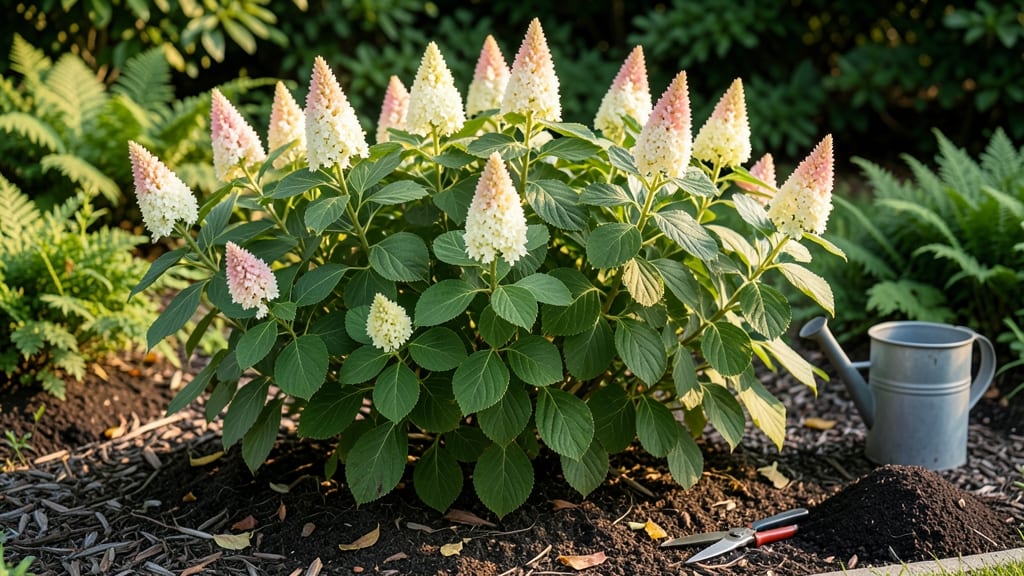
White panicle flowers transform any garden into a pollinator paradise with minimal effort. 🌿 I’ve planted these trees in my own yard, and they’ve become the stars of the show—easy to grow, stunning all season, and buzzing with bees and butterflies from spring through fall.
The key is choosing the right varieties and placing them where their airy blooms catch the light.
Think of them as nature’s chandeliers—Hydrangea paniculata, Deutzia, and Weigela all deliver those signature white panicles, but each has its own personality. Hydrangea paniculata grows tall and dramatic, perfect for focal points, while Deutzia stays compact, ideal for borders or mixed plantings.
Their light, feathery flowers contrast beautifully with deep greens, purples, or even bold reds in nearby shrubs.
You’ll love how these trees bring structure and movement to your garden. Plant them near seating areas to enjoy the fragrance up close, or line a path where their cascading blooms frame your walkway.
Pair them with purple coneflowers or salvias for a color contrast that pops, and watch how pollinators flock to the scene all season long.
The best part? They’re low-maintenance stars. Once established, they thrive with basic care—just prune lightly after flowering to keep them tidy. Whether you’re designing a new garden or refreshing an old one, these trees deliver effortless elegance with every bloom.
📚 In This Guide
- What you need
- Instructions
- Tips and common mistakes
- Wrapping up and next steps
What you need
- ● Tree with white panicle flowers (e.g., Hydrangea paniculata, Abelia grandiflora, or Weigela florida): 1–3 saplings (mature size: 3–6 ft tall, depending on variety)
- ● OR seeds (if starting from scratch—germination can take 4–8 weeks)
- ● Well-draining soil mix (pH 5.5–6.5): 50% garden soil
- ● 30% compost
- ● 20% perlite or sand (for aeration)
- ● Planting hole: 2–3x wider than the root ball
- ● Same depth as the container
- ● Organic mulch (e.g., wood chips or shredded bark): 2–3 inches
- ● Watering can or hose with gentle nozzle
- ○ Fertilizer (optional but recommended for first year): Balanced 10-10-10 or slow-release granular fertilizer (1 lb per tree)
- ● Garden trowel or spade (for digging)
- ● Gloves (to protect your hands)
- ● Pruning shears (for shaping or removing dead branches)
- ● Sunlight assessment: Full sun (6+ hours/day) or partial shade (4–6 hours/day), depending on variety
- ● Weather check: Aim for spring or early fall planting (avoid frost or extreme heat)
- ● Tree stakes (if planting in windy areas)
- ● Epsom salt (for magnesium-rich soil, 1 tbsp per gallon of water)
- ● Pollinator-friendly companion plants (e.g., lavender, bee balm)
- ● Drip irrigation system (for consistent moisture)
Step-by-Step guide to planting and caring for white panicle flower trees
Here's how to cultivate these stunning pollinator magnets with minimal fuss.
🌱 Step 1: Choose the Right Variety and Planting Location
White panicle flowers belong to several stunning tree species like the Hortensia paniculata (panicle hydrangea) or Abelia x grandiflora, both of which thrive in well-drained soil and partial shade to full sun. I always check the mature height—some varieties like 'Limelight' grow 10-15 feet tall, while 'Little Quick' stays compact at 3-5 feet. Plant in early spring when soil warms to 60°F, giving roots time to establish before summer heat.
Select a spot with morning sun and afternoon shade for best results. These trees handle urban pollution well, making them perfect for city gardens. Dig a hole twice as wide as the root ball but only as deep—burying the trunk too deep suffocates the plant. Loosen the roots gently if they're circling in the pot before placing in the hole.
🪴 Step 2: Prepare Soil and Plant with Proper Spacing
Amend your native soil with 2-3 inches of compost mixed into the top 12 inches of the planting hole. White panicle trees tolerate a range of soil types but perform best in slightly acidic to neutral pH (6.0-7.0). For heavy clay soil, add 1 part perlite to 3 parts native soil to improve drainage.
Space trees 8-12 feet apart for mature size, though dwarf varieties can go 4-6 feet apart. Backfill the hole with native soil mixed with compost, tamping down gently to remove air pockets. Water deeply to settle the soil—you'll see water pooling at the surface until it absorbs. Mulch with 2-3 inches of shredded bark, keeping it 6 inches away from the trunk to prevent rot.
☀️ Step 3: Water and Fertilize for Strong Establishment
Water deeply once weekly for the first two months, ensuring moisture reaches 12 inches down. You'll know it's enough when water drains through the root zone. Overwatering causes root rot, so let the top 2 inches of soil dry between waterings after the initial phase. Drip irrigation or soaker hoses work best to deliver water slowly at the base.
Apply a balanced 10-10-10 fertilizer in early spring and again in mid-summer—avoid high-nitrogen fertilizers, which promote leafy growth at the expense of flowers. I use 1 tablespoon per year of tree age (up to 10 years, then level off). Prune back any dead or crossing branches in late winter before buds swell, cutting just above a leaf node at a 45-degree angle for clean growth.
✂️ Step 4: Prune and Maintain for Continuous Blooms
White panicle flowers bloom on new wood, so prune in late winter or early spring before buds break. Remove 1/3 of the oldest stems each year to encourage fresh growth. I look for stems thicker than my thumb—these are the ones to cut back to 6-12 inches from the ground. This rejuvenation pruning keeps the tree bushy and flowering abundantly.
Watch for aphids or spider mites on new growth—spray with neem oil if you see sticky residue on leaves. Deadhead spent blooms in early fall to redirect energy to next year's flowers. In colder climates, mulch heavily in late fall with 4-6 inches of shredded leaves to protect roots from freeze-thaw cycles. These trees are remarkably low-maintenance once established.
Tips & tricks for perfect white panicle flower trees
These simple strategies will help you cultivate thriving white panicle trees that attract pollinators and elevate your garden's beauty.
Variety Selection: When choosing between Hortensia paniculata and Abelia x grandiflora, consider your space and climate. The 'Little Quick' variety stays compact at 3-5 feet, perfect for smaller gardens or container planting, while 'Limelight' reaches 10-15 feet, ideal for creating dramatic focal points. Both varieties handle urban conditions well, but Abelia tolerates slightly drier soil once established.
Soil Preparation Insight: For heavy clay soil, mix 1 part perlite with 3 parts native soil in the planting hole to improve drainage dramatically. I've found that adding a handful of worm castings to the compost mix boosts microbial activity, which helps roots establish faster. This is especially important in Step 2 when amending the top 12 inches of soil.
Pruning Technique: During your late winter pruning in Step 4, focus on removing stems thicker than your thumb. Cut just above a leaf node at a 45-degree angle to promote healthy regrowth. This technique encourages bushier growth and more abundant blooms on new wood. I always prune after the first hard frost when the tree is dormant but before buds swell.
Watering Wisdom: When watering deeply once weekly for the first two months, use the "finger test" to check moisture. Insert your finger 2 inches down—if it feels dry, water again. This prevents overwatering while ensuring roots develop properly. Drip irrigation delivers water slowly at the base, mimicking natural rainfall patterns.
Pro Tips for Tree With White Panicle Flowers
- These simple strategies will help you cultivate thriving white panicle trees that attract pollinators and elevate your garden's beauty.
- Variety Selection: When choosing between Hortensia paniculata and Abelia x grandiflora, consider your space and climate.
- Soil Preparation Insight: For heavy clay soil, mix 1 part perlite with 3 parts native soil in the planting hole to improve drainage dramatically.
Frequently asked questions
Got questions about growing or caring for trees with stunning white panicle flowers? You’re not alone! Here are some of the most common queries—and their answers—to help you cultivate beauty effortlessly.
What’s the easiest tree with white panicle flowers for beginners?
Start with the Amelanchier (serviceberry) or Hydrangea paniculata (panicle hydrangea). Both are low-maintenance, adaptable to various climates, and thrive in partial sun. Their delicate blooms attract pollinators while requiring minimal pruning—perfect for new gardeners!
When do white panicle flowers bloom, and how long do they last?
Blooming times vary by species, but most (like Abelia × grandiflora or Weigela florida) flower in late spring to early summer, lasting 4–6 weeks. Some varieties, such as Hydrangea paniculata ‘Limelight,’ even rebloom in fall with proper care. Check your zone’s last frost date for timing tips!
Are these trees truly pollinator-friendly? What insects do they attract?
White panicle flowers are a magnet for bees, butterflies, and hummingbirds. Trees like Cercis canadensis ‘Alba’ (white redbud) and Fothergilla gardenii provide nectar and pollen, supporting local ecosystems. For maximum impact, plant them near native shrubs to create a pollinator “highway.”
Why aren’t my white panicle flowers opening, or they’re sparse?
Sparse or closed blooms often signal over-pruning, poor nutrition, or stress. Check these fixes:
- Prune in late winter/early spring (avoid cutting back after blooming).
- Add balanced fertilizer (10-10-10) in early spring.
- Ensure 6+ hours of sunlight (some varieties need full sun).
- Water deeply 1–2x weekly during dry spells.
Can I grow white panicle flowers in containers? Any small-tree alternatives?
Yes! Dwarf varieties like Hydrangea paniculata ‘Little Lime’ (3–4 ft tall) or Abelia ‘Kaleidoscope’ thrive in 15–20 gallon pots with well-draining soil. For larger containers, opt for Weigela florida ‘Wine & Roses’—just ensure pots have drainage holes and winter protection in cold zones.
Pro Tip:
For longer blooms, deadhead spent flowers (gently pinch off faded panicles) to encourage reblooming. And if you love the look, panicle hydrangeas change color from white to pink as they age—adding seasonal drama to your garden!
Wrapping up and next steps
Transforming your garden into a haven for pollinators with white panicle flower trees isn’t just beautiful—it’s a rewarding way to support local ecosystems! 🌿 From their low-maintenance care to their stunning blooms, these trees bring effortless elegance and ecological benefits.
Whether you’re a seasoned gardener or just starting, planting one today is a simple yet powerful step toward a greener tomorrow.
Ready to get started? Research your local climate and pick the perfect tree—then watch your garden (and the bees!) thrive! 🐝✨