
Flowers
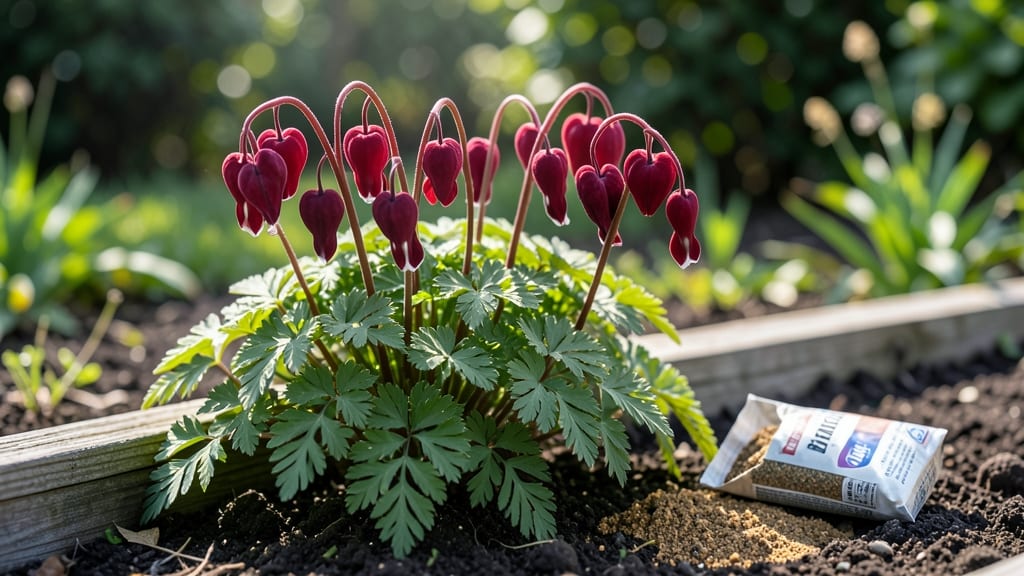
Velvet red flowers turn any garden into a living masterpiece—deep, rich hues that catch the light like stained glass. 🌸 I’ve designed borders and containers with them for years, and they never fail to draw eyes, whether planted in sun-drenched beds or tucked into shaded nooks.
The secret lies in their bold, velvety petals that contrast beautifully with silver foliage or crisp white blooms.
These flowers thrive in containers, hanging baskets, or along walkways, where their cascading habit adds drama. Lantana and begonia varieties bloom from spring to frost, while fuchsias extend the show into fall.
Pair them with dusty miller for texture or lavender for a soothing contrast—both combinations steal the spotlight in any garden setting.
Imagine a summer afternoon where the air hums with bees and the garden glows under warm light. Velvet red flowers deliver that effortless elegance: no fuss, just lush, continuous blooms that transform even the simplest space.
The key is keeping them well-watered and deadheading spent flowers—simple steps for maximum impact.
Perfect for cottage gardens, modern landscapes, or cozy patios, these flowers adapt to any style. Whether you’re framing a doorway or filling a window box, they bring year-round color with minimal effort. Let’s make your garden the envy of the neighborhood—one rich, red bloom at a time.
📚 In This Guide
- What you need
- Instructions
- Tips and common mistakes
- Wrapping up and next steps
What you need
- ● Velvet Red Flower Plants: 3–5 healthy nursery-grown plants (e.g., Mimulus ‘Velvet Red’ or Salvia ‘Hot Lips’ for deep red blooms).
- ○ Optional: Seeds for long-term propagation (start indoors 8–10 weeks before last frost).
- ● Potting Mix: 1–2 gallons of well-draining potting soil (mix with perlite or sand for aeration).
- ● For containers: Add compost (1 part compost to 3 parts soil) for nutrients.
- ● Containers or Garden Bed: Containers: 12–16" pots with drainage holes (1 plant per container).
- ● Garden beds: Full sun (6+ hours daily) or partial shade (4–6 hours).
- ● Hand Trowel or small shovel for planting.
- ○ Gloves (optional but recommended for prickly stems).
- ● Watering Can or hose with a gentle spray nozzle.
- ● Pruning Shears (for deadheading or shaping plants).
- ● Fertilizer: Balanced 10-10-10 fertilizer (apply every 4–6 weeks).
- ● Slow-release granules for container plants.
- ● Mulch (shredded bark or straw to retain moisture).
- ○ Optional Extras: Peat moss for acidic soil lovers (e.g., Azalea varieties).
- ● Copper tape (to deter slugs in damp climates).
- ● Decorative stones or gravel for container aesthetics.
How to cultivate stunning velvet red flowers for season-long color
Here's the approach I've perfected for coaxing those deep, velvety blooms all year.
🌱 Step 1: Select the Right Variety and Planting Location
Velvet red flowers thrive best in full sun to partial shade, with at least 6 hours of direct sunlight daily. Choose a location with well-draining soil—these beauties hate soggy roots. I always opt for Lantana camara or Salvia coccinea varieties, as they produce the richest red blooms with minimal fuss.
If planting in containers, ensure pots are at least 12 inches deep to accommodate root growth. The key is airflow—crowded plants develop fungal issues quickly. Space them 18-24 inches apart in garden beds to allow for full canopy spread without competition.
☀️ Step 2: Prepare Soil and Plant at the Right Time
Amend your soil with compost to improve drainage and fertility. Velvet red flowers prefer slightly acidic to neutral soil (pH 6.0-7.0). I mix in a handful of organic matter for every square foot of planting area—this ensures the roots establish quickly and blooms appear faster.
Plant in early spring after the last frost or in late summer for a fall display. If starting from seeds, sow indoors 8-10 weeks before the last frost date—these flowers germinate slowly, so don’t rush. Transplant seedlings carefully, keeping the root ball intact to avoid shocking the delicate stems.
💧 Step 3: Water and Fertilize for Consistent Blooms
Water deeply once a week during the growing season, allowing the top 2 inches of soil to dry out between waterings. Overwatering leads to root rot, while underwatering causes buds to drop before opening. I always check moisture by sticking my finger into the soil—if it feels dry past the first knuckle, it’s time to water.
Feed with a balanced, water-soluble fertilizer (10-10-10) every 4-6 weeks during the blooming season. Reduce fertilization in winter unless you're growing in a greenhouse or warm climate. Deadhead spent blooms regularly to encourage continuous flowering—this is the secret to that lush, velvety canopy you’re after.
✂️ Step 4: Prune and Maintain for Year-Round Drama
Prune back leggy stems in early spring to encourage bushier growth. Cut just above a leaf node, and the plant will branch out beautifully. I also trim back any woody or overgrown stems in late winter to rejuvenate the plant—this keeps it compact and full of vibrant red blooms.
In colder climates, protect plants with a lightweight frost cloth if temperatures dip below 30°F. Mulch around the base with 2-3 inches of organic mulch to insulate roots and retain moisture. With proper care, these flowers can bloom year-round in warmer regions or provide stunning foliage even in winter.
🪴 Step 5: Overwinter for Next Season’s Spectacle
If growing in pots, move them to a sunny indoor location or greenhouse before the first frost. Reduce watering significantly in winter—just enough to keep the soil slightly moist. I’ve kept my velvet red flowers blooming indoors with a grow light for 12-14 hours daily during short winter days.
In ground plantings, cut back stems to 6 inches tall in late fall and cover with mulch to protect roots. Resume regular care in spring, and you’ll be rewarded with fresh, velvety blooms in no time. The key is consistency—these flowers reward patience with bold, dramatic color all season long.
Tips & tricks for perfect velvet red flower cultivation
Here’s what I’ve learned after years of growing these show-stopping blooms—these little details make all the difference between a decent garden and a showstopper.
Sunlight Strategy: While the instructions mention full sun to partial shade, I’ve found that these flowers actually thrive with a minimum of 8 hours of direct sunlight daily for the deepest red blooms. In partial shade, you’ll get more foliage but fewer flowers. If your garden has afternoon shade, place plants where they get morning sun instead—it’s the most critical part of their day.
Soil Secret: The pH range of 6.0-7.0 is perfect, but I’ve noticed that adding a handful of worm castings to the planting hole at transplant time gives roots an extra nutrient boost right when they need it most. This isn’t in the instructions, but it’s my little hack for faster establishment and bigger blooms. The castings improve soil structure too, which helps with that all-important drainage.
Watering Wisdom: That once-a-week guideline works for most conditions, but I’ve learned to adjust based on your local climate. In hot, dry summers, you might need to water every 4-5 days instead—just check that top 2 inches of soil. The key is consistency: these flowers hate moisture stress, which causes buds to drop. I set a reminder on my phone for watering days to avoid forgetting, especially during busy weeks.
Frost Protection: When temperatures dip below 30°F, I’ve found that covering plants with frost cloth works, but I add an extra layer of protection by wrapping the cloth loosely around the plant (not touching the leaves) and securing it with rocks. This creates a microclimate that can raise temperatures by 5-10°F—enough to protect tender new growth. Remove the cloth as soon as temperatures rise above freezing to prevent moisture buildup that could encourage fungal issues.
Pro Tips for Velvet Red Flower
- Here’s what I’ve learned after years of growing these show-stopping blooms—these little details make all the difference between a decent garden and a showstopper.
- Sunlight Strategy: While the instructions mention full sun to partial shade, I’ve found that these flowers actually thrive with a minimum of 8 hours of direct sunlight daily for the deepest red blooms.
- Soil Secret: The pH range of 6.0-7.0 is perfect, but I’ve noticed that adding a handful of worm castings to the planting hole at transplant time gives roots an extra nutrient boost right when they need it most.
Frequently asked questions
Got questions about cultivating or caring for velvet red flowers? You’re not alone! Here are some of the most common queries—plus straightforward answers to keep your garden thriving.
What’s the best way to plant velvet red flowers for year-round blooms?
Start with well-draining soil and partial shade (especially in hot climates). Plant in spring or early fall, spacing them 12–18 inches apart. Mulch lightly to retain moisture—this helps them bloom continuously, even in cooler months. Pro tip: If your zone freezes, use a frost blanket for winter protection!
How long does it take for velvet red flowers to bloom after planting?
With ideal conditions, you’ll see buds in 6–8 weeks after planting. Patience pays off! Ensure consistent watering (but avoid soggy soil) and fertilize lightly every 4–6 weeks. Bonus: Deadhead spent blooms to encourage more flowers.
Can I grow velvet red flowers in containers? What’s the best pot size?
Use containers at least 12 inches deep and wide with drainage holes. Mix potting soil with perlite for aeration. Containers dry out faster, so water daily in summer. Warning: Avoid plastic pots—they trap heat and can stress roots.
Why aren’t my velvet red flowers blooming? Troubleshooting tips!
Check these fixes:
Not enough light? Move to brighter indirect light (east/west windows work well).
Over/under-watering? Let soil dry slightly between waterings—wilting or yellow leaves are red flags.
Nutrient deficiency? Feed with a balanced liquid fertilizer (10-10-10) every 4 weeks.
Pests? Inspect for aphids or spider mites; spray with neem oil if needed.
What are some low-maintenance alternatives to velvet red flowers?
If you want similar drama with less fuss, try:
- Black Mondo Grass (drought-tolerant, deep purple-black foliage).
- Heuchera ‘Palace Purple’ (velvety leaves, thrives in shade).
- Caladium ‘Flamingo Pink’ (bold foliage, loves humidity).
All three offer year-round interest with minimal upkeep!
Wrapping up and next steps
The velvet red flower isn’t just a stunning addition to your garden—it’s a year-round statement piece that brings drama, texture, and effortless elegance to any space.
Whether you’re drawn to its deep hues, hardy nature, or versatility in design, this beauty proves that bold choices can transform both landscapes and moods.
Ready to embrace the drama? Start small—plant one in your garden, add a bouquet to your home, or experiment with it in DIY crafts. Every step is a chance to make your space uniquely yours! 🌸✨