
Flowers
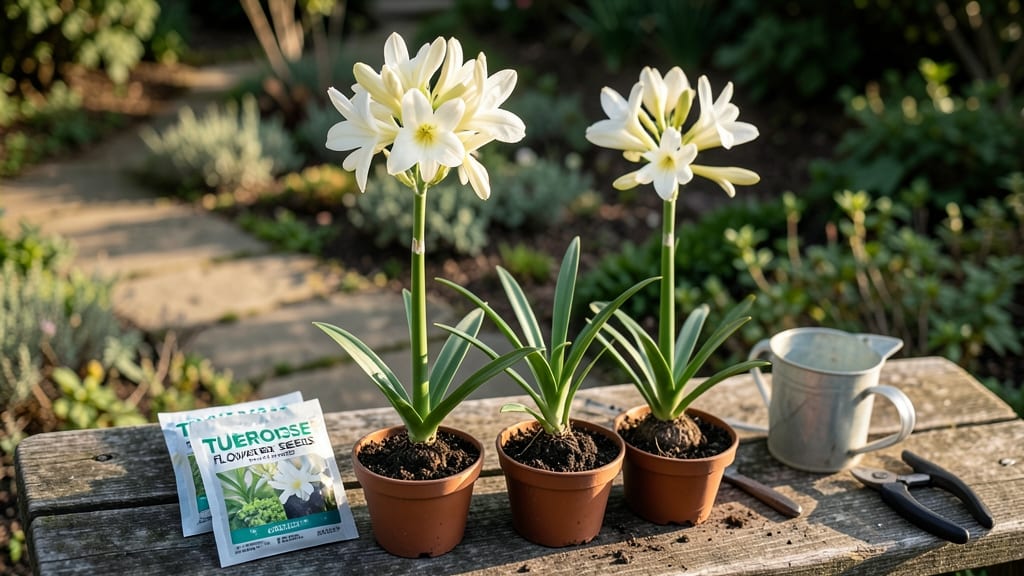
Growing tuberose flowers from seeds transforms your garden into a moonlit perfume factory. 🌙 Their intoxicating scent—often compared to jasmine and gardenia—starts with tiny, delicate seeds that demand patience but reward with dramatic spires of white blooms by midsummer.
The secret lies in mimicking their tropical origins: warm soil, bright indirect light, and consistent moisture during those first critical weeks. Most gardeners give up after two weeks of nothing—until suddenly, those first green shoots appear like magic.
I’ve learned the best seeds come from reputable mail-order suppliers, and pre-soaking them for 24 hours doubles germination rates.
By late spring, you’ll have sturdy seedlings ready to transplant, their long, strappy leaves reaching skyward. With proper care, they’ll produce fragrant blooms that attract moths at dusk and fill your evenings with a scent so rich it lingers on your clothes.
The key? Avoid overwatering once established—they’re drought-tolerant once rooted.
Perfect for containers, borders, or even as a fragrant hedge. Just remember: tuberose plants thrive in USDA zones 8-11, so gardeners in cooler climates will need to treat them as annuals or overwinter them indoors. Let’s get those seeds sprouting!
📚 In This Guide
- What you need
- Instructions
- Tips and common mistakes
- Wrapping up and next steps
What you need
- ● Tuberose flower seeds: 10–20 seeds (non-GMO, fresh for best germination)
- ● Seed-starting mix: 1–2 gallons of well-draining, sterile potting soil (or coconut coir)
- ● Containers: 2–4 small pots (3–4 inches deep) with drainage holes
- ● Watering can or spray bottle: With a fine mist nozzle
- ○ Plastic wrap or humidity dome: To retain moisture (optional but helpful for germination)
- ● Grow lights or sunny windowsill: South-facing or 12–16 hours of artificial light daily
- ○ Gloves (optional): To protect hands from soil
- ● Small hand trowel: For gentle soil handling
- ● Fertilizer (balanced 10-10-10 or organic): Diluted to half-strength for seedlings
- ○ Thermometer (optional): Ideal soil temp: 70–80°F (21–27°C) for germination
- ● Patience & warmth: Tuberose seeds love cozy, humid conditions!
- ● 🌡️ Pre-soak seeds in warm water for 24 hours to speed up germination.
- ○ ✨ Use a heat mat (optional) to maintain consistent warmth.
- ● 💧 Keep soil moist but not soggy—tuberose seeds hate drought!
Step-by-Step instructions for growing tuberose flowers from seeds
Here's my foolproof method for coaxing fragrant blooms from delicate tuberose seedlings.
🌱 Step 1: Prepare the Seedling Trays and Warmth Base
Tuberose seeds need consistent warmth to germinate, so I start with a clean 4-inch seedling tray filled with sterile seed-starting mix. Press the mix down lightly—just firm enough to hold the seeds but loose enough for roots to push through. The key here is warmth: place the tray on a seedling heat mat set to 75-80°F.
Moisten the mix with a spray bottle until it's damp but not soggy. Too much water drowns seeds; too little prevents germination. I like to work in the evening so the seeds can soak up moisture overnight without drying out. Cover the tray with a clear plastic dome to maintain humidity—this mimics the tropical conditions tuberoses love.
🌱 Step 2: Sow Seeds at the Right Depth and Spacing
Tuberose seeds are tiny, so I use a toothpick to place 2-3 seeds per cell at a depth of just 1/8 inch. Sowing too deep delays germination because the seedling struggles to reach light. Cover them with a fine mist of water—never a heavy pour, or you'll bury them deeper than intended.
Here's the thing—tuberose seedlings are sensitive to cold drafts. Keep the tray on the heat mat until 50% of seeds sprout, which typically takes 14-21 days. Once you see the first green shoots, remove the dome immediately. Trapped humidity after germination invites damping-off, a fungal disease that collapses seedlings overnight.
☀️ Step 3: Provide Bright, Indirect Light and Gradual Acclimation
Tuberose seedlings crave light but hate direct sun at first. Place them under a grow light positioned 4-6 inches above the tray, providing 12-14 hours of light daily. You'll notice leggy growth if the light is too far away—thin, pale stems reaching upward like they're starving. Adjust the height until seedlings grow compact with deep green leaves.
After 4-6 weeks, when seedlings have 2-3 true leaves, it's time to harden them off. Start by moving them to a shaded outdoor spot for 1 hour daily, gradually increasing exposure over 10 days. This toughens their stems so they don't snap when transplanted. Watch for wilting—if leaves droop, they're not ready for more sun yet.
🪴 Step 4: Transplant to Individual Pots with Care
Use 4-inch pots filled with a mix of 50% potting soil and 50% perlite to improve drainage. Gently remove seedlings from the tray, keeping the root ball intact. Plant them 1 inch deeper than they grew in the tray—this stabilizes the stem and encourages stronger growth.
Water deeply after transplanting, but don't drown them. The soil should feel moist 1 inch below the surface but not soggy. Place the pots in a spot with bright, indirect light for the first week. You'll see new growth within 7-10 days—that's your signal everything is working. Avoid fertilizing for 4 weeks to prevent root burn.
✂️ Step 5: Maintain Through Blooming and Beyond
Tuberose plants need full sun once established, so move them outdoors after the last frost. Space them 12 inches apart in well-draining soil. Water at the base every 2-3 days until the top inch of soil feels dry—overwatering causes root rot, which is a silent killer for tuberoses.
Here's where it gets fun—watch for the first buds to form in 6-8 months. The flowers open at night, releasing their intoxicating fragrance. Deadhead spent blooms to encourage more flowers, but leave the seed pods if you want to collect seeds for next season. Real talk: tuberoses are slow growers, but the patience pays off with a fragrant canopy that draws pollinators all night.
Tips & tricks for perfect tuberose flower seedlings
Here's what nobody tells you about nurturing these delicate tropical plants from seed.
Warmth Consistency: That 75-80°F heat mat range is non-negotiable for germination. I've tried using regular room temperature (around 70°F) and germination took nearly double the time. Place your tray on a thermometer to monitor—any drop below 72°F slows things down dramatically. For extra insurance, wrap the heat mat in a towel to prevent temperature fluctuations from drafts.
Lighting Strategy: The 12-14 hours of light in Step 3 is crucial, but quality matters more than quantity. I use a full-spectrum LED grow light because regular white bulbs can cause seedlings to stretch toward the light source. Position the light so it's just touching the top leaves—if you see seedlings growing toward one side, rotate the tray daily for even growth. This prevents the "leggy" syndrome where stems become weak and spindly.
Transplanting Technique: When you plant those delicate seedlings 1 inch deeper than their original height in Step 4, don't just shove them in—create a small trench first. This prevents stem damage and encourages stronger root development. I like to water the soil before transplanting, then let the excess drain completely before placing the pots in their new location. This gives the roots a chance to establish without immediate shock from waterlogged conditions.
Long-Term Care: Those 6-8 months to first bloom seem daunting, but you can actually speed up the process slightly by providing consistent care. After the initial 4 weeks without fertilizer, switch to a balanced liquid fertilizer diluted to half-strength every 4 weeks. The key is patience—tuberoses develop deep root systems that need time to establish before they'll produce those fragrant blooms. Think of it like raising a child: you can't rush the milestones, but you can create the perfect environment for them to thrive.
Pro Tips for Tuberose Flower Seeds
- Here's what nobody tells you about nurturing these delicate tropical plants from seed.
- Warmth Consistency: That 75-80°F heat mat range is non-negotiable for germination.
- Lighting Strategy: The 12-14 hours of light in Step 3 is crucial, but quality matters more than quantity.
Frequently asked questions
Got questions about growing tuberose flowers from seeds? You’re not alone—these fragrant beauties can be tricky for beginners! Here are answers to the most common queries to help you cultivate a lush, aromatic garden with confidence.
How long does it take for tuberose flower seeds to germinate?
Tuberose seeds typically take 2 to 4 weeks to germinate, depending on temperature and soil moisture. Keep the soil consistently warm (around 70–75°F) and humid, and avoid overwatering. Patience is key—some seeds may take longer, especially in cooler conditions.
What’s the best time of year to plant tuberose seeds?
Start seeds indoors 8–10 weeks before your last frost (usually late winter to early spring). If you’re in a warm climate, you can plant directly in spring or early summer. Tuberoses thrive in heat, so avoid planting when nighttime temps drop below 50°F.
Why aren’t my tuberose seeds sprouting?
Seeds may fail to sprout due to cold soil, poor moisture control, or old seeds. Try these fixes:
- Use a seedling heat mat to maintain warmth.
- Mist the soil daily (not soaking it).
- Test seed viability—if they’re over 1 year old, they may have lost potency.
Can I grow tuberose flowers from seeds in containers?
Tuberoses adapt well to large pots (at least 12 inches deep) with drainage holes. Use a well-draining potting mix and place them in a sunny spot. Just ensure the container stays warm, as tuberoses dislike cold roots. Pro tip: Move pots indoors if nighttime temps dip below 55°F.
Do tuberose flowers come back every year from seeds?
No—tuberose plants grown from seeds are annuals and won’t regrow year after year. For perennial growth, you’ll need to dig up and divide tubers every 2–3 years or propagate from cuttings. Save seeds only if you’re happy to replant fresh each season!
Wrapping up and next steps
Growing tuberose flower seeds is a rewarding journey that transforms tiny seeds into a fragrant, dreamy canopy—perfect for adding elegance to gardens or bouquets! 🌸 With the right care, patience, and a dash of creativity, you’ll soon enjoy their intoxicating scent and stunning blooms.
Ready to take the next step? Start by selecting your seeds, preparing your soil, and nurturing them with love—your fragrant garden awaits!
💡 Pro Tip: Share your progress with fellow gardening enthusiasts or join online communities for tips and inspiration—your tuberose adventure is just beginning!