
Trees
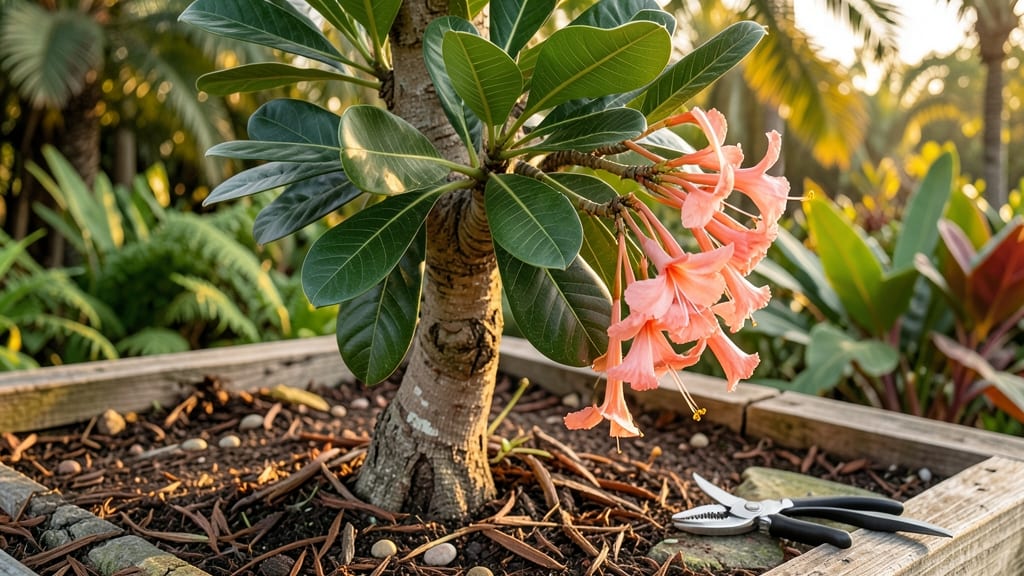
The intoxicating allure of a tropical tree with its pink flowers first drew me in—especially that frangipani in my neighbor’s courtyard, its waxy petals releasing a scent that lingered in the evening air. 🌺 like a secret.
These trees aren’t just beautiful—they’re the stars of container gardens, patios, and even small balconies, bringing a taste of the tropics without needing a backyard.
The right varieties—like bougainvillea, hibiscus, or plumbago—thrive in pots with just a few hours of sunlight daily. Their vibrant pink blooms cascade over edges, creating living curtains that frame doorways or soften fences.
The key is choosing a container with drainage and a well-draining mix, so roots stay happy while the flowers keep coming. Even in small spaces, these trees make a statement.
Imagine stepping outside to find your patio draped in pink blossoms, their sweet fragrance mixing with morning coffee. These trees attract hummingbirds and butterflies, turning your garden into a lively ecosystem.
With the right pruning and occasional feeding, they’ll reward you with blooms from spring through fall—even in containers. Let’s bring that tropical vibe to your space.
Perfect for urban gardens, coastal homes, or anyone craving a touch of the tropics. Whether you’re styling a balcony or a courtyard, these pink-flowered trees add drama and charm with minimal effort. Ready to create your own fragrant canopy?
📚 In This Guide
- What you need
- Instructions
- Tips and common mistakes
- Wrapping up and next steps
What you need
- ● Tropical Tree Variety: 1 Plumeria (Frangipani) – Pink-flowering cultivar (e.g., 'Ice Cream,' 'Pink Ice Cream,' or 'Red & White').
- ○ Optional alternative: 1 Tabebuia (Pink Trumpet Tree) or Erythrina (Coral Tree) (ensure it’s container-friendly).
- ● Container: 1 5-gallon or larger pot (minimum 12" diameter) with drainage holes.
- ● Material: Terracotta (for heat-loving species) or plastic (for moisture retention).
- ● Soil: 1 bag well-draining potting mix (e.g., cactus/succulent blend or orchid mix with perlite/vermiculite).
- ● Additives: 1 cup orchid bark or coarse sand per 5 gallons of soil for aeration.
- ● Fertilizer: 1 balanced liquid fertilizer (10-10-10 or 20-20-20) or 1 slow-release granular fertilizer (e.g., Osmocote).
- ● Tools: 1 pair pruning shears (sterilized).
- ● 1 trowel or grafting knife for repotting.
- ● 1 spray bottle (for misting young plants).
- ● Drainage Layer: 1–2 inches of gravel or pumice at the pot’s base to prevent root rot.
- ● Support: 1 bamboo stake or tree collar for young, top-heavy trees.
- ● Mulch: Orchid bark mulch on top soil to retain moisture.
- ● Humidity Aid: 1 pebble tray or humidifier for tropical species.
- ● Fragrance Booster: 1 citrus peel or coffee grounds (lightly mixed into soil to enhance blooms).
Step-by-step instructions for growing tropical trees with stunning pink blooms
Here's how to create a fragrant, flowering tropical canopy that thrives in containers.
🪴 Step 1: Choose the Right Container and Soil Mix
Select a large container (at least 18 inches wide and deep) with drainage holes—these trees need room for roots to spread. I like glazed ceramic or fiberglass because they retain moisture while preventing root rot. Avoid plastic if your climate gets very hot, as it can bake roots.
Fill the bottom 3 inches with orchid bark or perlite for drainage. Then add a high-quality tropical potting mix that blends peat moss, pine bark, and perlite in equal parts. This lightweight mix prevents compaction while holding moisture for thirsty tropical roots. Tap the container gently to settle the soil without compacting it.
🌱 Step 2: Plant Your Tropical Tree with Proper Spacing
Dig a hole twice as wide as the root ball but no deeper than the container's base. Gently remove the tree from its nursery pot and loosen any circling roots with your fingers—this encourages outward growth. Place the tree in the center, ensuring the top of the root ball sits just below the container rim for stability.
Backfill with the remaining tropical potting mix, pressing lightly around the edges to eliminate air pockets. Water deeply until it drains from the bottom holes. Here's the thing—don't bury the trunk too deep, or you'll smother the plant and invite rot. The soil line should match the nursery pot's level.
☀️ Step 3: Position for Bright, Indirect Light
Tropical trees with pink blooms need bright, indirect light—think morning sun and afternoon shade. A south- or east-facing patio works best, but avoid harsh afternoon rays that scorch leaves. If you're indoors, place near a large, south-facing window or supplement with a grow light for 12-14 hours daily.
Watch for signs of stress: yellowing leaves mean too much direct sun, while pale, leggy growth signals insufficient light. Rotate the container a quarter turn weekly so the tree grows evenly. Real talk: If leaves develop brown edges, you're either overwatering or exposing it to cold drafts—adjust accordingly.
💧 Step 4: Water and Fertilize for Continuous Blooms
Water when the top 2 inches of soil feel dry—stick your finger in to check. Tropical trees hate soggy roots but also wilting, so aim for consistent moisture. Use room-temperature water and water at the base, avoiding leaves to prevent fungal issues. Empty the saucer 30 minutes after watering to prevent root rot.
Feed every 4-6 weeks during spring and summer with a balanced, water-soluble fertilizer (like 10-10-10) diluted to half strength. This keeps blooms vibrant without burning roots. Reduce feeding in fall and winter—your tree will thank you with fewer yellow leaves and more energy for next year’s flowers.
✂️ Step 5: Prune and Maintain for a Lush Canopy
Prune after flowering to encourage bushier growth. Use clean, sharp pruners to trim back 1/3 of the longest stems to a leaf node. This redirects energy to new branches and keeps the shape compact. Remove any dead, diseased, or crossing branches first—they’ll steal nutrients from your blooms.
Dust leaves monthly with a damp cloth to help them absorb light. In winter, if your tree drops leaves, reduce watering but keep the soil lightly moist. Here’s where it gets fun—watch for new growth in spring as your tree prepares for another season of fragrant pink blooms. You’ve got this!
Tips & tricks for perfect tropical tree pink flowers
Transforming your space into a fragrant tropical oasis takes more than just planting—here’s how to ensure your pink-blooming trees thrive.
Container Selection: While glazed ceramic or fiberglass containers are ideal, you can also use terracotta pots if your climate stays consistently warm. Just be prepared to water more frequently—terracotta dries out faster. The key is ensuring the container is at least 18 inches wide and deep; smaller containers will restrict root growth and limit blooming potential.
Soil Layering: The 3-inch drainage layer of orchid bark or perlite isn’t just about drainage—it’s about preventing compaction that can suffocate roots. I’ve seen many gardeners skip this step, only to deal with root rot later. Pro tip: Mix in a handful of worm castings (optional) into the tropical potting mix to boost nutrient availability without overfeeding.
Light Management: The 12-14 hours of daily grow light is non-negotiable for indoor setups. If you notice your tree stretching toward the light (a sign of insufficient light), move it closer to the window or adjust the grow light timer. For outdoor setups, a lightweight shade cloth during peak afternoon sun can prevent leaf scorch without sacrificing the bright light these trees need.
Pruning Precision: When trimming back 1/3 of the longest stems after flowering, always cut just above a leaf node—this is where new growth will emerge. I’ve made the mistake of cutting too close to the trunk, which can leave ugly scars. Use clean pruners and sterilize them with rubbing alcohol between cuts to prevent spreading disease.
Pro Tips for Tropical Tree Pink Flowers
- Transforming your space into a fragrant tropical oasis takes more than just planting—here’s how to ensure your pink-blooming trees thrive.
- Container Selection: While glazed ceramic or fiberglass containers are ideal, you can also use terracotta pots if your climate stays consistently warm.
- Soil Layering: The 3-inch drainage layer of orchid bark or perlite isn’t just about drainage—it’s about preventing compaction that can suffocate roots.
Frequently asked questions
Got questions about tropical trees with stunning pink flowers? You’re not alone!
Whether you're curious about care, placement, or troubleshooting, we’ve got the answers to help your fragrant canopy thrive.
What’s the easiest tropical tree with pink flowers to grow in containers?
The Bougainvillea is a top pick for beginners! Its vibrant pink blooms thrive in containers with well-draining soil and plenty of sunlight. For a more compact option, try the Plumeria (Frangipani), which also loves warmth and partial shade. Both are low-maintenance and perfect for adding tropical flair to patios or balconies.
When is the best time to plant a tropical tree with pink flowers?
Spring or early summer is ideal for planting tropical trees like Bougainvillea or Allamanda. These seasons provide warm soil and longer daylight hours, helping roots establish quickly. Avoid planting in fall or winter, as cooler temperatures can stunt growth or damage delicate roots.
How often should I water a tropical tree with pink flowers in a container?
Watering depends on your climate, but most tropical trees with pink flowers prefer consistent moisture without soggy soil. Check the top inch of soil daily—if it’s dry, water thoroughly. In hot weather, you may need to water every 2-3 days. Reduce watering in cooler months, but never let the soil dry out completely.
Can tropical pink-flowering trees survive winter indoors?
Many tropical trees, like Plumeria or Ixora, need a cool, dry rest period in winter (50–60°F). Move them indoors near a bright window and reduce watering. Avoid drafts or heating vents, which can stress the plant. With proper care, they’ll rebound beautifully in spring!
Why are my pink tropical flowers wilting or dropping leaves?
Wilting or leaf drop often signals overwatering, underwatering, or stress. Check the soil moisture and adjust your watering routine. Yellow leaves may indicate overwatering, while crispy edges suggest underwatering or low humidity. Ensure your container has drainage holes and consider misting leaves or using a humidity tray for tropical varieties.
Wrapping up and next steps
Transforming your space with tropical tree pink flowers isn’t just about adding beauty—it’s about creating a fragrant, vibrant oasis that thrives even in containers! 🌺 From selecting the right varieties like the Plumeria or Bougainvillea to mastering care tips, you now have the tools to cultivate a stunning, low-maintenance centerpiece.
Whether you’re a seasoned gardener or just starting out, these resilient blooms bring joy and color to any setting.
Ready to bring your tropical vision to life? Start by picking your favorite pink-flowered tree, gathering your supplies, and giving it the love it deserves. Your fragrant canopy is just a pot away! 🌿