
Flowers
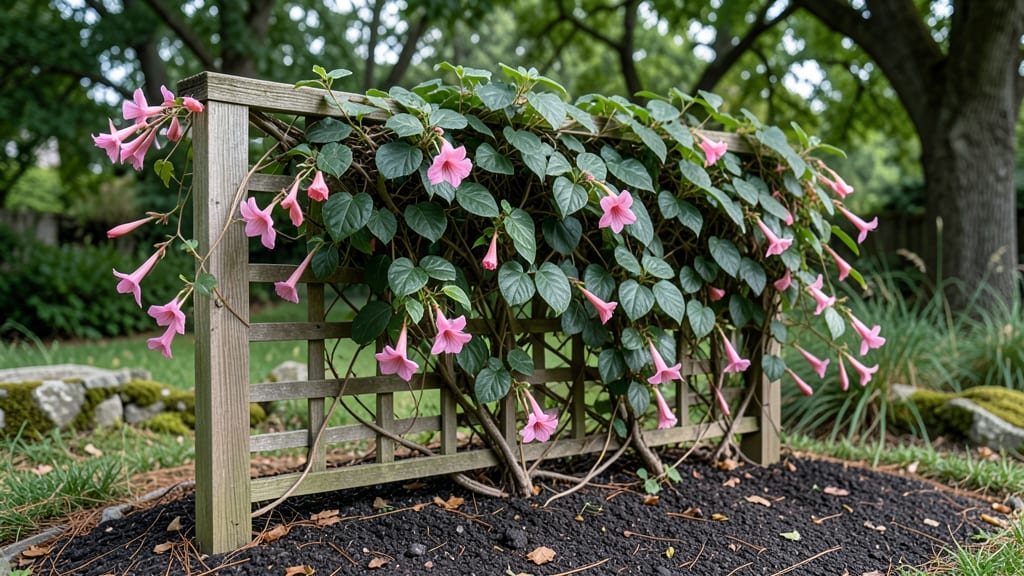
Growing a pink trumpet flower vine transforms any dull fence or trellis into a showstopper. 🌸 These sun-loving climbers burst into vibrant blooms from late spring through fall, their trumpet-shaped flowers humming with pollinators.
I planted mine against a chain-link fence last year, and by summer, it was covered in blossoms that lasted until the first frost.
The secret to their success is simple: full sun, well-draining soil, and a sturdy support structure. Most people overwater, but these vines thrive with once-weekly watering once established. They’re tough enough to handle occasional drought but reward consistent care with foot-long flower spikes that keep coming back all season.
My neighbors kept asking what plant it was—turns out, it’s one of the most eye-catching vines around.
By late summer, you’ll be snipping back leggy growth to encourage bushier blooms, and in winter, the bare stems add unexpected texture to the garden. The vines are semi-deciduous, so they’ll lose leaves in cold climates but bounce back with fresh foliage in spring.
Even in small spaces, this climber delivers big impact with minimal effort.
Perfect for cottage gardens, urban balconies, or as a dramatic focal point in landscape beds. Once you plant one, you’ll wonder why you didn’t add it years ago. Let’s get yours thriving!
📚 In This Guide
- What you need
- Instructions
- Tips and common mistakes
- Wrapping up and next steps
What you need
- ● Pink trumpet flower vine: 1-3 nursery-grown plants (3-4 feet tall, established roots preferred) or
- ● Seeds (collect from mature vines in fall or purchase from a reputable supplier).
- ● Growing location: Full sun (6+ hours of direct sunlight daily).
- ● A sturdy trellis, fence, or arbor (6-10 feet tall for optimal climbing).
- ● Soil: Well-draining, slightly acidic to neutral soil (pH 6.0-7.0).
- ● Amended with compost or aged manure (1-2 gallons per planting hole).
- ● Tools: Garden trowel or shovel.
- ● Pruning shears (sterilized with rubbing alcohol).
- ○ Gloves (optional but recommended for seed handling).
- ● Mulch (2-3 inches of shredded bark or pine needles to retain moisture).
- ● Slow-release fertilizer (10-10-10 or organic options like bone meal).
- ● Epsom salt (1 tablespoon per gallon of water for magnesium boosts).
- ● Drip irrigation system (for consistent moisture in dry climates).
- ● Support ties (soft plant ties or Velcro straps for young vines).
Step-by-step instructions for cultivating a thriving pink trumpet flower vine
This sun-loving climber rewards patience with bold blooms—here’s how to coax its best performance.
🌱 Step 1: Select the Perfect Planting Site and Prepare the Soil
Pink trumpet vines (Campsis radicans) crave full sun—at least 6-8 hours daily—and a sturdy trellis or arbor to climb. I always choose a south- or west-facing wall or fence where the vine can sprawl without competition. The soil should drain well but retain moisture; amend heavy clay with 2-3 inches of compost or sand to improve aeration.
Dig a hole twice as wide as the root ball but only as deep as the container’s base. Loosen the roots gently if they’re circling—this prevents girdling as the plant matures. Here’s the thing: these vines have aggressive roots, so give them 10-15 feet of clear space to spread unobstructed. Mulch the base with 2-3 inches of organic mulch (like shredded bark) to conserve moisture and suppress weeds.
🪴 Step 2: Plant and Stake for Support
Position the vine near its trellis or support structure before backfilling the hole. I like to bury a 4-foot wooden stake next to the plant and loosely tie the main stem with soft garden twine—this gives the vine something to cling to while it establishes roots. Fill the hole with native soil mixed with 1 cup of balanced fertilizer (10-10-10) to kickstart growth.
Water deeply until the soil settles, then add a 1-inch layer of mulch around the base (but keep it 2 inches away from the stem to prevent rot). The first year is all about root development, so avoid heavy pruning. You’ll see new shoots emerging from the base within 4-6 weeks—that’s your cue the plant is thriving. If your climate is hot and dry, water once a week until the vine shows signs of vigorous growth.
☀️ Step 3: Provide Season-Long Care for Maximum Blooms
Pink trumpet vines bloom from mid-summer to fall, but they need consistent care to perform. Fertilize twice a year: once in early spring with a slow-release granular fertilizer and again in early summer with a low-nitrogen, high-phosphorus formula (like 5-10-10) to encourage flowering. I also add a handful of Epsom salt (magnesium sulfate) to the soil in spring—it boosts chlorophyll production and keeps leaves vibrant.
Prune lightly in late winter or early spring before new growth begins. Remove dead or crossing branches and trim back any leggy growth by one-third to encourage bushier, more productive vines. Here’s where it gets fun: the more you prune in early spring, the more exuberant the summer blooms will be. Just avoid heavy pruning after June—you’ll sacrifice that season’s flowers.
✂️ Step 4: Train and Maintain for Longevity
As the vine matures, train it to climb by tying new shoots to the trellis with soft twine or Velcro plant ties. Avoid metal ties—they can cut into the bark as the vine thickens. I also remove suckers (shoots growing from the base) unless you want a thicker ground cover. These vines can live 30+ years, so proper training now prevents structural issues later.
Watch for aphids or spider mites on new growth—these pests thrive in hot, dry conditions. Spray infested areas with neem oil or insecticidal soap at the first sign of webbing or sticky residue. In fall, cut back dead or damaged stems but leave healthy ones to provide winter interest. The vine’s bright orange seed pods add winter charm, and they’ll sprout fresh growth in spring.
⏰ Step 5: Overwintering for Next Year’s Blooms
Pink trumpet vines are semi-hardy and tolerate USDA zones 6-9. In colder climates, protect young plants with a thick layer of mulch (up to 4 inches) around the base. I also wrap the main trunk with burlap in extreme cold snaps to prevent sunscald. The vine’s woody stems can handle frost, but new growth may die back—prune it back in early spring once new shoots appear.
Real talk: these vines are low-maintenance once established, but they repay effort with season-long drama. The key is sun, support, and occasional feeding—skip the neglect, and you’ll have a vibrant, climbing masterpiece for decades. Your neighbors will ask how you did it; now you know the secret.
Tips & tricks for perfect pink trumpet flower vine cultivation
Here's what nobody tells you about making these dramatic vines thrive—and how to avoid the rookie mistakes that stifle their potential.
Sunlight Strategy: The 6-8 hours of daily sun requirement is non-negotiable, but here's the secret: position your vine to catch morning sun on the east side and afternoon sun on the west side. This prevents leaf scorch that can occur when vines get direct midday sun in hot climates. I've seen vines near south-facing walls develop crispy edges when they get too much intense afternoon heat—watch for that and consider a light shade cloth during peak summer hours if needed.
Root Development Hack: Those first 4-6 weeks after planting are critical for root establishment, but most gardeners don't realize how much water the roots actually need during this period. Water deeply every 5-7 days rather than daily shallow watering—this encourages deep root growth that will support the vine's dramatic vertical growth later. The key is keeping the soil consistently moist but not waterlogged during this foundational period.
Pruning Paradox: The instructions mention trimming back leggy growth by one-third in early spring, but here's what I learned after pruning too aggressively: if you remove more than one-third of the vine's growth in any single pruning session, you'll sacrifice that season's blooms completely. Think of it like haircuts—you can take off a little each time, but drastic cuts mean a longer recovery period. I now do light maintenance pruning in early spring and save any major shaping for late winter when the vine is dormant.
Fertilizer Timing: The twice-yearly fertilization schedule is perfect, but timing matters more than most realize. For the early spring feeding, I apply fertilizer when I see the first signs of new growth emerging from the base—usually around mid-March in my zone 7 garden. The early summer feeding should happen right when you notice the first flower buds forming, not just because it's June. This precise timing ensures the vine puts energy into blooms rather than foliage growth.
Pro Tips for Pink Trumpet Flower Vine
- Here's what nobody tells you about making these dramatic vines thrive—and how to avoid the rookie mistakes that stifle their potential.
- Sunlight Strategy: The 6-8 hours of daily sun requirement is non-negotiable, but here's the secret: position your vine to catch morning sun on the east side and afternoon sun on the west side.
- Root Development Hack: Those first 4-6 weeks after planting are critical for root establishment, but most gardeners don't realize how much water the roots actually need during this period.
Frequently asked questions
Got questions about growing and caring for your pink trumpet flower vine? Here are some of the most common ones—plus quick answers to keep your climbing beauty thriving!
How fast does the pink trumpet flower vine grow?
The pink trumpet vine (Bignonia radicans) is a fast grower, often climbing 6–10 feet per year with proper care. In ideal conditions (full sun, well-draining soil, and regular watering), you might see dramatic growth in just one season! Prune in late winter to manage its vigor and shape.
Can pink trumpet flower vine grow in containers?
Yes, but with limitations. This vine thrives when climbing, so a large, 5-gallon+ container with a sturdy trellis or obelisk works best. Use a well-draining potting mix and fertilize regularly. Expect slower growth than in the ground—repot every 2–3 years to refresh nutrients.
What pests or diseases commonly affect pink trumpet flower vines?
Watch for aphids, spider mites, and whiteflies, which love the vine’s tender new growth. Treat early with neem oil or insecticidal soap. Powdery mildew can occur in humid conditions—improve airflow and avoid overhead watering. Root rot is rare but possible in soggy soil.
Does pink trumpet flower vine bloom all summer, or is it seasonal?
With consistent care, this vine produces vibrant pink trumpet-shaped blooms from late spring through fall (and sometimes into winter in mild climates). Deadhead spent flowers to encourage more blooms, and fertilize lightly every 4–6 weeks during the growing season.
What’s a good alternative if I don’t have full sun?
If your space lacks full sun, try crossvine (Bignonia capreolata) or coral honeysuckle (Lonicera sempervirens), both of which tolerate partial shade (though blooms may be less abundant). For full-shade climbers, consider clematis or star jasmine.
Wrapping up and next steps
The pink trumpet flower vine is a stunning, low-maintenance addition that brings vibrant color and life to any garden or patio.
With its sun-loving nature and easy-care requirements, this climber is perfect for both beginners and seasoned gardeners alike—just give it the right support, well-draining soil, and a little patience to thrive.
Ready to transform your space? Start by choosing your spot, gathering supplies, and planting this beauty today! Watch as it flourishes and fills your garden with cheerful blooms all season long. 🌸✨