
Shrubs
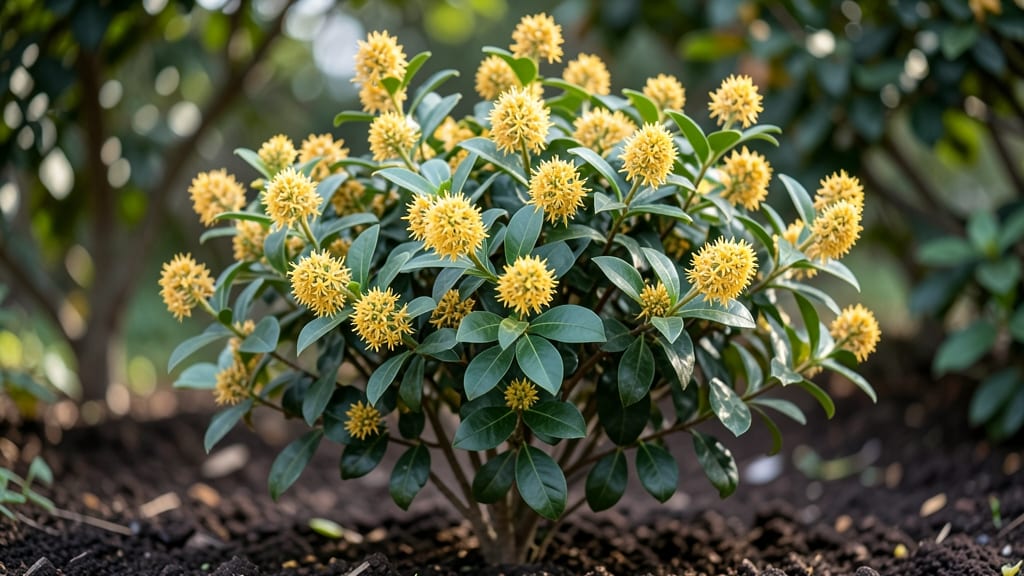
Your tea olive flowering this year could be the most fragrant showstopper in your garden. 🌿 I’ve watched my dwarf variety transform from a modest shrub into a scented canopy after just one season of intentional care—and the secret isn’t complicated.
It’s about light, timing, and a little strategic pruning that most gardeners overlook.
The key starts with morning sun and afternoon shade, which mimics its native woodland habitat. Too much direct sun scorches the delicate blooms, while too little delays flowering.
My dwarf variety thrives in a 10-gallon container with well-draining soil, and I’ve found that watering deeply once a week (less in winter) keeps the roots happy without drowning them.
The real magic happens in late winter when you prune back about a third of the old growth—this triggers fresh, fragrant blooms by spring.
By summer, you’ll be rewarded with clusters of tiny, star-shaped flowers that perfume the air like a tea-scented breeze on warm evenings. The dwarf variety stays compact enough for patios or small gardens, yet still packs a punch with its intoxicating fragrance.
The best part? These blooms last for weeks, and with proper care, your tea olive will reward you with this display year after year.
Whether you’re growing it outdoors in a container or indoors near a sunny window, the principles stay the same. The only difference is adjusting watering frequency in winter—indoor plants dry out faster, so check the soil before watering. Let’s get those blooms going!
📚 In This Guide
- What you need
- Instructions
- Tips and common mistakes
- Wrapping up and next steps
What you need
- ● Tea Olive Plant: A dwarf Osmanthus fragrans (e.g., 'Gulftide' or 'Variegatus')—ensure it’s healthy with no signs of pests or disease.
- ● Container (if potted): Minimum 12-inch diameter (15+ inches for mature growth).
- ● Drainage holes required—use a pot with at least 4–6 holes.
- ● Material: Terracotta (breathable) or plastic (lightweight).
- ● Well-Draining Soil Mix: 60% potting soil (e.g., Miracle-Gro or FoxFarm).
- ● 30% perlite or pumice (for aeration).
- ● 10% compost or worm castings (for nutrients).
- ● Mulch: 2–3 inches of organic mulch (e.g., pine bark or shredded leaves) to retain moisture.
- ● Gloves (gardening or nitrile) to protect your hands.
- ● Trowel or small shovel for planting.
- ● Watering can or hose with a gentle spray nozzle (avoid overwatering!).
- ● Pruning shears (sterilized with rubbing alcohol) for shaping.
- ○ pH Test Kit (optional)—ideal soil pH: 5.0–6.5.
- ○ Slow-Release Fertilizer (optional)—look for a balanced 10-10-10 or acid-loving plant formula.
How to encourage tea olive flowering in containers
Here's how to coax those signature white blooms from your dwarf tea olive—it's easier than you think.
🌱 Step 1: Choose the Right Container and Soil Mix
Tea olives thrive in well-draining pots with at least 12 inches of depth—shallow containers stunt root growth and delay flowering. I use unglazed terra cotta because it breathes and prevents root rot, but any pot with drainage holes works. Fill the bottom third with coarse perlite or gravel to create a drainage layer that prevents soggy roots.
Use a light, airy potting mix (avoid garden soil—it compacts and suffocates roots). I blend 2 parts potting mix with 1 part perlite to keep it loose. Tea olives hate wet feet, so this mix ensures excess moisture drains quickly. Press the soil gently around the roots when planting—just enough to eliminate air pockets but not so firm it restricts growth.
☀️ Step 2: Position for Maximum Sunlight and Airflow
Tea olives need full sun (6+ hours daily) to flower, but they also appreciate afternoon shade in hot climates. Place your container where it gets morning sun and gentle afternoon light—this prevents leaf scorch while ensuring enough energy for blooms. If you're using a balcony or patio, rotate the pot quarter-turn weekly so the plant grows evenly.
Good airflow is just as important as sunlight. Crowded conditions lead to fungal diseases that kill blooms before they open. Space plants at least 3 feet apart if growing multiple tea olives, or place a small fan nearby on warm days. You'll notice new growth and buds forming more quickly when the plant isn't struggling for circulation.
💧 Step 3: Water Deeply and Strategically
Tea olives are drought-tolerant once established, but inconsistent watering stresses the plant and delays flowering. Water deeply every 7-10 days until water runs freely from the drainage holes—this encourages roots to grow downward where they'll find moisture naturally. Let the top 2 inches of soil dry out between waterings; sticking your finger in is the easiest way to check.
Here's the thing—tea olives hate soggy soil. Overwatering causes root rot, which kills the plant before it can flower. If you notice yellowing leaves or a musty smell, cut back immediately. In winter, reduce watering to every 2-3 weeks unless your home stays very warm. The key is consistency: keep the soil evenly moist but never waterlogged.
✂️ Step 4: Prune for Shape and Encourage Blooms
Light pruning in early spring stimulates bushier growth and more flowers. Use clean, sharp pruners to trim back one-third of the previous year's growth—focus on leggy stems and inward-growing branches. Make cuts just above a leaf node or bud to encourage new growth. This isn't about shaping (though it helps), it's about telling the plant to focus energy on flowering.
After the first flush of blooms fades, give the plant a second light pruning in mid-summer. Remove only the oldest, woodiest stems—this keeps the plant vigorous for fall blooms. Tea olives flower on new wood, so pruning too late in the season (after August) reduces next year's blooms. You'll see fresh green growth within weeks of pruning, and those new shoots will produce the most fragrant flowers.
🌿 Step 5: Feed for Fragrant Blooms
Tea olives aren't heavy feeders, but a balanced fertilizer in spring kickstarts flowering. Use a 10-10-10 or 20-20-20 fertilizer (equal parts nitrogen, phosphorus, potassium) diluted to half-strength. Apply it once in early spring and again after the first flush of blooms. Too much nitrogen makes the plant grow leaves instead of flowers—so skip heavy feeding once buds form.
For organic gardeners, a fish emulsion or compost tea works just as well. I mix 1 tablespoon of fish emulsion into a gallon of water and apply it every 4-6 weeks during the growing season. Stop fertilizing 8 weeks before your first frost—the plant needs time to harden off and prepare for dormancy. You'll notice stronger stems, more buds, and longer-lasting blooms with consistent (but not excessive) feeding.
Tips & tricks for perfect tea olive flowering
Here's what nobody tells you about coaxing those signature blooms from your dwarf tea olive—these tricks make all the difference.
Container Depth Matters: That 12-inch minimum depth isn't arbitrary—it gives roots room to establish before flowering. I've seen shallow pots (under 10 inches) where plants just sit there, putting out leaves but no blooms. If you're limited on space, go for a slightly wider pot with 10-11 inches depth—roots spread horizontally when they can't go deep, which actually helps with container stability. Just make sure those drainage holes are still present!
Sunlight Strategy for Small Spaces: When you can't get 6+ hours of sun, split the exposure. Place your tea olive in morning sun (3-4 hours) and move it to afternoon shade (2-3 hours) using a balcony or window sill. The key is avoiding that brutal midday sun that scorches leaves while still giving enough light for energy production. I've had plants bloom beautifully with this split exposure when full sun wasn't possible.
Pruning Timing Secret: The early spring pruning (Step 4) should happen when you see fresh green growth after dormancy—usually when nights stay above freezing consistently. This tells the plant it's time to focus on flowering. For the mid-summer pruning, wait until after the first blooms fade completely. I've seen plants that were pruned too early in summer put out weak second blooms, while those pruned after the first flush produced stronger fall flowers.
Fertilizer Application Hack: When you apply that half-strength 10-10-10 or 20-20-20 fertilizer, water the soil first until it's moist. This prevents fertilizer burn on dry soil. I also like to apply it in the evening—it gives the plant time to absorb nutrients overnight without the stress of daytime heat. For organic options, compost tea works beautifully when applied in the morning so it has time to dry before evening moisture sets in.
Pro Tips for Tea Olive Flowering
- Here's what nobody tells you about coaxing those signature blooms from your dwarf tea olive—these tricks make all the difference.
- Container Depth Matters: That 12-inch minimum depth isn't arbitrary—it gives roots room to establish before flowering.
- Sunlight Strategy for Small Spaces: When you can't get 6+ hours of sun, split the exposure.
Frequently asked questions
When do tea olive plants typically flower?
Tea olive (Osmanthus fragrans) usually blooms in late spring to early summer, with some varieties producing a second flush in fall. Dwarf varieties like 'Gulftide' or 'Minigold' follow a similar schedule but may be slightly earlier. Fragrant white or yellow blossoms appear on mature plants (3+ years old), often after new growth emerges.
Why isn’t my tea olive flowering?
If your tea olive skips flowering, check these common culprits: young age (they need 2–4 years to mature), poor sunlight (they crave 6+ hours of sun daily), or over-fertilizing (too much nitrogen = leafy growth, no flowers). Prune lightly in late winter to encourage blooms, and ensure well-draining soil. Patience helps—some dwarf varieties bloom sporadically!
Can I force tea olive to flower indoors?
Tea olive thrives outdoors but struggles indoors due to low light and humidity. However, if you have a bright south-facing window and a grow light, you can try keeping it alive—though flowering is rare. For best results, grow it in a container outdoors and bring it inside during harsh winters. A humidifier and regular pruning can help maintain health.
How long does tea olive flowering last?
Each bloom cluster lasts 1–3 weeks, but the plant may produce multiple cycles in a season. Fragrance peaks at night and early morning. To extend the display, deadhead spent flowers (gently pinch them off) and avoid heavy pruning during bloom time. Some varieties, like 'Variegatus', offer year-round interest with variegated foliage even when not in bloom.
Are there non-flowering tea olive alternatives?
If you love tea olive’s look but want low-maintenance options, try these dwarf shrubs with similar textures:
- Dwarf Boxwood ('Green Mound') – Evergreen, compact, and thrives in containers.
- Dwarf Gardenia ('Kleim’s Hardy') – Fragrant blooms (though less hardy).
- Japanese Holly ('Sky Pencil') – Narrow, upright growth with glossy leaves.
Wrapping up and next steps
Watching your tea olive bloom with its fragrant canopy is a rewarding experience—one that’s well within reach with the right care! 🌿 From selecting the perfect dwarf variety to mastering container gardening, this guide has equipped you with everything you need to nurture a thriving, fragrant shrub.
Whether you’re a seasoned gardener or just starting out, your tea olive’s beautiful blooms will soon become the star of your outdoor space.
Ready to take the next step? Plant your tea olive today and enjoy the journey of growth, fragrance, and beauty it brings. Happy gardening! 🌸