
Flowers
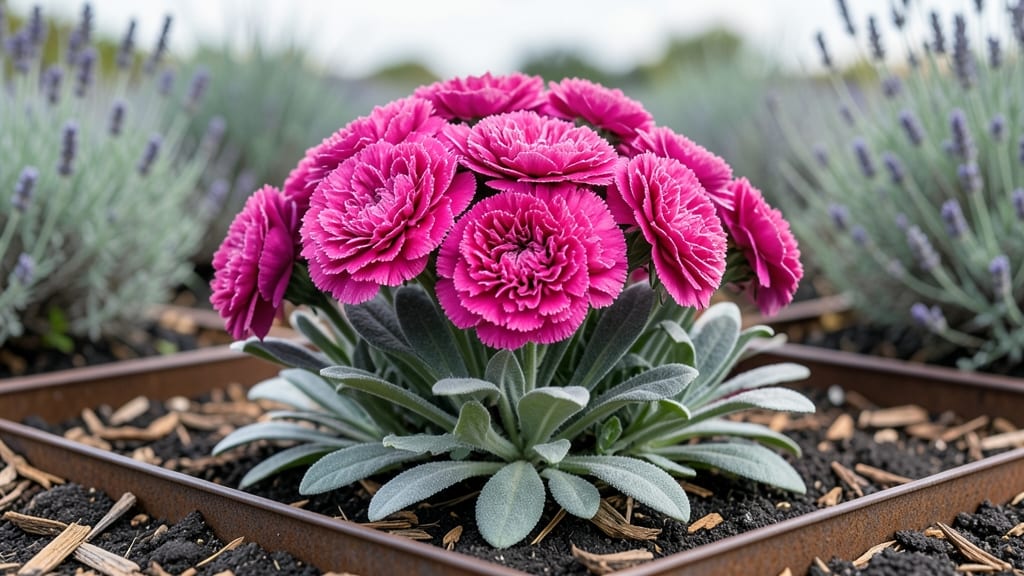
Double-flowered sweet williams transform containers into fragrant, textured masterpieces that last from spring through fall. 🌸 I’ve used them to turn plain patio pots into eye-catching displays—just a few stems create a lush, cottage-core vibe that neighbors notice instantly.
The secret lies in their layered petals and intoxicating scent, which pairs perfectly with trailing plants like sweet potato vine or dusty miller for height contrast.
These flowers thrive in partial sun to dappled shade, making them ideal for shady patios or under trees where other annuals struggle. Their compact clusters (about 3-4 inches wide) fit snugly in 8-12 inch pots, and they rebloom all season if you deadhead spent blooms.
Mix colors like pink, lavender, and white for a romantic bouquet effect, or go monochromatic for a bold statement—either way, they outshine single-flowered varieties.
What you’ll love most is how they elevate simple arrangements: toss them into a mason jar with eucalyptus for a rustic centerpiece, or let them spill over container edges for a whimsical, fairy-tale garden feel.
Their velvety petals catch light beautifully at dusk, too, adding magic to evening gatherings. The best part? They last 1-2 weeks in bouquets, so you can enjoy their charm indoors after cutting.
Works equally well in window boxes, hanging baskets, or large planters—just group 3-5 stems per container for maximum impact. For extra drama, pair them with calibrachoa or lobelia for cascading texture. Let’s make your outdoor spaces smell as good as they look!
📚 In This Guide
- What you need
- Instructions
- Tips and common mistakes
- Wrapping up and next steps
What you need
- ● Sweet William seeds or seedlings: Choose Dianthus barbatus varieties labeled as "double flowered" (e.g., 'Black Magic,' 'Pink Beauty,' or 'Rainbow Mix'). Start with 10–20 seeds or 3–5 seedlings for a small container.
- ● Well-draining potting mix: A 5-gallon bag of high-quality seed-starting mix or cactus/succulent blend (Sweet William hates soggy roots!).
- ● Containers: For seeds: 4–6 small pots (3–4 inches wide) or a seed tray with cells.
- ● For seedlings/plants: 1–2 gallon containers (10–12 inches deep) or a large window box (if planting outdoors).
- ● Planting tools: Small hand trowel or spoon (for seed planting).
- ● Garden gloves (to protect from prickly stems!).
- ● Watering can or spray bottle: With a fine rose nozzle (to avoid disturbing seeds).
- ● Fertilizer: Balanced liquid fertilizer (10-10-10) or slow-release granules (follow package rates).
- ○ Pruning shears: For deadheading spent blooms (optional but helpful!).
- ● Sunlight: Full sun (6+ hours/day) or partial shade (especially in hot climates).
- ● Temperature: Seeds germinate best at 60–70°F (15–21°C). Avoid frost if planting outdoors.
- ● Patience: Seeds take 10–21 days to sprout; seedlings bloom in 8–12 weeks!
- ● Grow lights (if starting indoors in low-light areas).
- ● Mulch (to retain moisture and suppress weeds).
- ● Epsom salt (1 tsp per gallon of water monthly for extra pink blooms! 💡).
- ● Decorative stones or pebbles (for a polished container look).
Step-by-step guide for planting and caring for double flowered Sweet William
Here's how to coax those lush, fragrant clusters into thriving container stars.
🪴 Step 1: Choose Containers and Prepare the Growing Medium
Select containers with drainage holes that are at least 6 inches deep and wide enough to accommodate 4 plants (about 10-12 inches in diameter for a 4-pack). Double flowered varieties need room for their bushy growth habit. I like to use terra cotta pots because they breathe and help prevent root rot.
Fill the bottom 2 inches with a well-draining mix—I combine 2 parts potting soil with 1 part perlite for air circulation. This prevents soggy roots while holding enough moisture for Sweet William's delicate roots. Press the mix down lightly to remove air pockets, but don't compact it too tightly.
🌱 Step 2: Plant with Proper Spacing and Depth
Remove young plants from their nursery pots and gently loosen the roots if they're circling. Plant each 1-2 inches deeper than they grew in the nursery—this encourages stronger root establishment. Space plants 8-10 inches apart in the container to allow air circulation and prevent fungal issues.
Fill the gaps with the prepared soil mix, pressing lightly around each stem to eliminate air pockets. Water deeply right after planting until water runs freely from the drainage holes. This settles the soil and ensures good root-to-medium contact. Avoid overwatering immediately after planting—wait until the top ½ inch of soil feels dry before watering again.
☀️ Step 3: Position for Optimal Light and Temperature
Double flowered Sweet William thrives in full sun to partial shade (at least 4-6 hours of direct sunlight daily). Place containers where they'll receive morning sun and afternoon shade in hot climates—this prevents leaf scorch while ensuring strong blooms. I often move my containers slightly each week to encourage even growth.
These plants prefer cool temperatures (ideal range: 60-75°F). If your summer heat exceeds 80°F, provide afternoon shade to protect the delicate petals. Watch for drooping leaves—this is a sign of heat stress or thirst. Water consistently to maintain even moisture, but never let them sit in soggy soil.
💧 Step 4: Water and Fertilize for Continuous Blooms
Water when the top inch of soil feels dry—typically every 2-3 days in summer, less frequently in cooler months. Double flowered varieties are thirsty but hate soggy roots. I water deeply in the morning to reduce fungal risks, and always water at the base to keep foliage dry.
Feed with a balanced liquid fertilizer (10-10-10) every 2-3 weeks during the growing season. This encourages those lush, fragrant clusters. Reduce feeding in late summer to allow blooms to set for fall displays. Deadhead spent flowers regularly to prompt new blooms—this keeps your container looking vibrant all season.
✂️ Step 5: Prune and Maintain for Year-Round Beauty
After the first flush of blooms, cut back stems by ⅓ to encourage bushier growth. This prevents leggy stems and keeps the plant compact. I always use clean, sharp shears to make cuts just above a set of leaves. Prune lightly throughout the season to maintain shape and remove any diseased foliage immediately.
In fall, reduce watering as growth slows. Bring containers indoors before temperatures drop below 40°F—Sweet William is hardy to Zone 5, but container plants need winter protection. Store in a cool, bright spot and resume regular care in spring. With proper overwintering, these plants will reward you with years of fragrant blooms.
Tips & tricks for perfect Sweet William double flowered
These insider secrets will help you coax the most vibrant, fragrant blooms from your container-grown Sweet William.
Container Selection: While terra cotta is ideal, glazed ceramic containers work too—just ensure they have drainage holes. The 10-12 inch diameter recommendation is perfect for 4 plants, but if you're planting just 2, a 6-8 inch container will suffice. I've found that wider containers allow better air circulation between plants, which is crucial for preventing fungal issues in double flowered varieties.
Soil Mix Strategy: The 2-inch layer of well-draining mix at the bottom isn't just about drainage—it's about creating an air pocket that prevents root rot. For an extra boost, I add a handful of compost to that bottom layer. This gives roots an immediate nutrient source while still maintaining that critical drainage. Press the mix lightly but firmly when adding the top layer to eliminate air pockets around the roots.
Light Rotation Technique: Moving containers weekly might seem like extra work, but it pays off in even growth and more abundant blooms. I mark the direction each week with a small stake so I don't get confused. This rotation ensures all sides receive equal sunlight exposure, preventing lopsided growth that can occur when plants lean toward the light source.
Winter Protection Hack: Before bringing containers indoors below 40°F, I wrap them in horticultural bubble wrap. This adds an extra layer of insulation while still allowing light penetration. Place containers on a saucer filled with pebbles and water to maintain humidity—this mimics their natural growing conditions and prevents the soil from drying out completely during winter dormancy.
Pro Tips for Sweet William Double Flowered
- These insider secrets will help you coax the most vibrant, fragrant blooms from your container-grown Sweet William.
- Container Selection: While terra cotta is ideal, glazed ceramic containers work too—just ensure they have drainage holes.
- Soil Mix Strategy: The 2-inch layer of well-draining mix at the bottom isn't just about drainage—it's about creating an air pocket that prevents root rot.
Frequently asked questions
Got questions about growing and enjoying sweet william double flowered? You’re not alone! Here are some of the most common inquiries—and their answers—to help you cultivate these fragrant beauties with confidence.
When is the best time to plant sweet william double flowered?
For spring blooms, plant sweet william double flowered in early spring (March–April) after the last frost. If you want fall color, opt for late summer planting (August–September). These hardy perennials thrive in well-draining soil and partial shade, so timing isn’t critical—but early spring gives roots time to establish before summer heat.
How do I keep my double-flowered sweet william blooms looking full and lush?
Deadhead spent blooms regularly to encourage continuous flowering. Fertilize lightly with a balanced, water-soluble fertilizer every 4–6 weeks during the growing season. Mulch around the base to retain moisture and suppress weeds. Pro tip: Avoid overcrowding—space plants 12–18 inches apart for airflow and reduced disease risk.
Why aren’t my sweet william double flowered plants blooming this year?
Lack of blooms often stems from over-fertilizing (too much nitrogen = leafy growth, not flowers), poor light (they prefer partial shade but need some sun), or stress from drought. Check your soil pH (aim for 6.0–7.0) and ensure consistent moisture. If the problem persists, consider dividing mature clumps in early spring to rejuvenate growth.
Can I grow sweet william double flowered in containers?
These flowers thrive in containers with well-draining potting mix and a sizeable pot (at least 12 inches deep). Choose a container with drainage holes and place it where it gets morning sun and afternoon shade. Water regularly, as containers dry out faster. Bonus: Their fragrant clusters make stunning cut flowers for vases!
What are some great companion plants for double-flowered sweet william?
Pair them with foxgloves, columbines, or hostas for a woodland garden vibe. For bold contrast, try salvias or heucheras. Avoid planting near aggressive spreaders like mint or creeping charlie. Sweet william’s delicate blooms also complement ferns and astilbes beautifully in shady borders.
Wrapping up and next steps
Sweet William double flowered varieties are the perfect way to add romantic charm and year-round color to your garden or home decor.
Their fragrant clusters, easy care, and versatility make them a must-have for both novice and experienced gardeners—whether you're filling containers, brightening bouquets, or simply enjoying their sweet scent. 🌸
Ready to bring these delightful blooms into your space? Start by selecting your favorite double-flowered variety, gather your supplies, and give them the love they deserve. Your garden (or windowsill!) will thank you with bursts of joyful color.