
Container Gardens
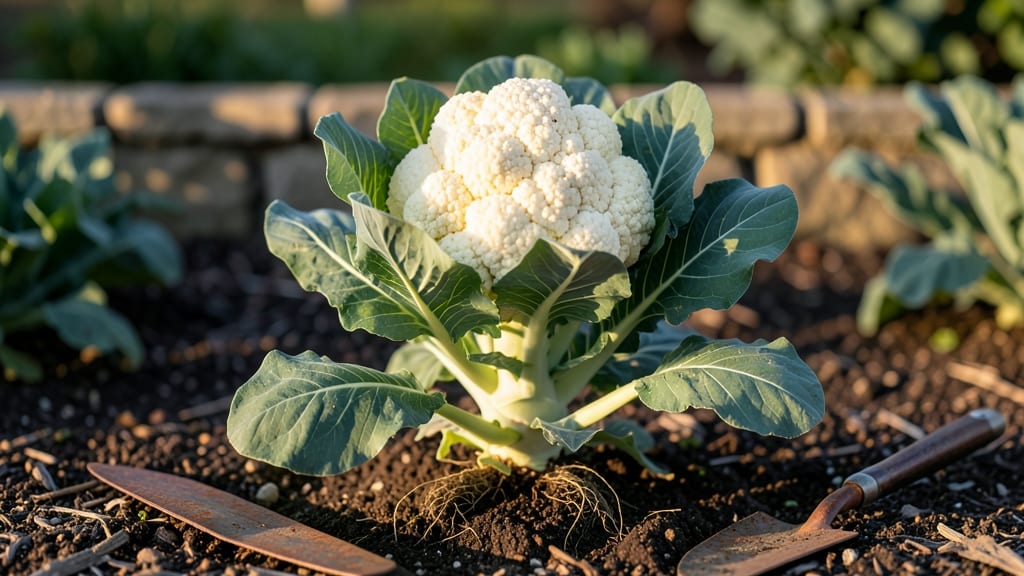
Master these cauliflower growing tips to turn your balcony into a cool-season harvest goldmine—just like the time I grew a 12-pound head last fall when my neighbor’s in-ground plants bolted.
The trick isn’t fancy equipment; it’s timing, soil, and a little patience to coax those perfect, tight curds instead of bitter stalks.
You’ll need a 5-gallon container per plant, well-draining soil mixed with compost, and a spot that gets 6-8 hours of sun daily. Cauliflower thrives in 50-70°F soil temps, so start seeds indoors 8-10 weeks before your last frost or buy sturdy transplants.
Water consistently—1-1.5 inches per week—but avoid soggy soil, which causes rot.
What you’ll end up with is snow-white, firm heads (or purple if you grow ‘Graffiti’) that stay crisp longer than store-bought. The secret? Blanching the curds by tying outer leaves together when they’re 3-4 inches wide—this blocks sunlight and keeps them tender.
Harvest before the buds open, or you’ll get tough, woody stems.
Works in zones 3-10 with seasonal adjustments: plant late summer for fall harvests or early spring for summer crops. Even urban gardeners with small patios can grow 3-4 plants in a sunny corner.
Here’s how to avoid the most common mistakes—like bolting or discolored curds—so your first try is your best.
📚 In This Guide
- What you need
- Instructions
- Tips and common mistakes
- Wrapping up and next steps
What you need
- ● Container: At least 5-gallon pot per plant (or larger for multiple heads). Ensure it has drainage holes and is made of lightweight material (e.g., fabric grow bags, plastic, or wood).
- ● High-quality potting mix: A well-draining, sterile blend (e.g., 60% peat moss/coir, 20% perlite, 20% compost). Avoid garden soil—it compacts and suffocates roots! (5+ gallons per container)
- ● Cauliflower seeds or transplants: Seeds: Choose container-friendly varieties like ‘Snowball Y Improved’ or ‘Purple of Sicily’ (start indoors 4–6 weeks before last frost).
- ● Transplants: Buy healthy 4–6 inch seedlings from a nursery (transplant after hardening off).
- ● Slow-release fertilizer: Look for a balanced formula (10-10-10 or 5-5-5) with micronutrients. Apply at planting and again after 6 weeks. (1–2 tbsp per container)
- ● Organic mulch: Straw or shredded leaves to retain moisture and regulate soil temperature. (1–2 inches)
- ● Watering can or drip irrigation: Containers dry out fast! Use a gentle spray nozzle or soaker hose to avoid disturbing soil.
- ○ Support (optional for large varieties): A small stake or cage if your cauliflower grows tall (e.g., ‘Romanesco’).
- ● Grow lights: If starting seeds indoors, use full-spectrum LEDs (12–16 hours/day) until seedlings are 2–3 inches tall.
- ● Epsom salt: A spoonful per gallon of water monthly boosts magnesium for lush growth.
- ● Row covers: Lightweight fabric to protect from pests or extend the growing season in cool climates.
- ● pH test kit: Cauliflower thrives in slightly acidic soil (6.0–6.8). Adjust with lime (to raise pH) or sulfur (to lower).
- ● Compost tea: A weekly foliar spray adds beneficial microbes and nutrients.
How to grow cauliflower successfully in containers
Mastering container-grown cauliflower means understanding its cool-season needs and patience for head formation.
Select the Right Variety and Container Setup
Choose compact varieties like 'Purple of Sicily' or 'Snowball Y'—they thrive in containers and produce smaller, more manageable heads. Cauliflower requires 12-14 hours of daylight for proper head development, so supplement with a grow light if growing indoors or in short-day climates. Use 5-gallon containers for each plant, as cauliflower develops deep root systems that need room to spread.
Ensure containers have drainage holes—cauliflower roots rot quickly in soggy soil. Place a 2-inch layer of gravel at the bottom before adding soil to improve drainage. I always fill containers with a well-draining potting mix (never garden soil) to prevent compaction and root suffocation. The mix should feel light and airy, like crumbled cake, when squeezed.
Plant Seeds or Transplants at the Right Time
Start seeds indoors 8-10 weeks before the last frost or transplant 4-6 week old seedlings after soil temperatures reach 40-50°F. Cauliflower is a cool-season crop, so avoid planting when temperatures exceed 80°F—it bolts (goes to seed) quickly in heat. If growing year-round in containers, plant successive batches every 2-3 weeks for continuous harvests.
Sow seeds ½ inch deep in the container, spacing them 18 inches apart. Thin seedlings to one per container once they develop 2-3 true leaves, as overcrowding leads to weak, underdeveloped heads. Water gently after planting to settle the soil around the roots, but avoid soaking—cauliflower dislikes waterlogged conditions from the start.
Provide Consistent Moisture and Fertility
Cauliflower needs consistent moisture—never let the soil dry out completely, but avoid soggy conditions. Water deeply every 2-3 days until the top 2 inches of soil feel dry to the touch. Use a drip irrigation system or water at the base of the plant to prevent fungal diseases like downy mildew, which thrives in wet foliage.
Feed plants with a balanced fertilizer (10-10-10) at half-strength every 2-3 weeks once seedlings develop. When the head begins to form, switch to a low-nitrogen, high-phosphorus fertilizer to encourage strong curd development. I always side-dress with compost midway through the growing season to boost organic matter and microbial activity in the container soil.
Manage Light and Temperature for Head Formation
Cauliflower heads form best in cool (55-75°F) temperatures and bright, indirect light. If growing in containers, rotate them weekly to ensure even light exposure—plants lean toward the light source otherwise. Supplement with a grow light if natural light falls below 6 hours daily, especially in late winter or early spring.
Here’s the trick: blanch the head when it reaches 3-4 inches in diameter by tying the outer leaves together with a rubber band or twine. This prevents the head from turning yellow in sunlight and ensures a tight, uniform shape. Check daily—if the head starts to yellow, it’s time to harvest immediately.
Harvest and Extend the Season
Harvest cauliflower when the head is firm and fully formed, usually 70-100 days after transplanting. Cut the head 1-2 inches below the base with a sharp knife, leaving the stem intact for potential side shoots. In containers, you can often get 2-3 smaller heads from the same plant after the main harvest—just keep the plant well-watered and fertilized.
To extend the season, succession-plant every 2-3 weeks in warm climates or use row covers to protect plants from late frosts. Cauliflower grows well in containers through fall and early spring, but avoid planting in summer heat—it bolts quickly and produces bitter, inedible heads. With the right care, you’ll enjoy fresh, homegrown cauliflower for months.
Tips & tricks for perfect container-grown cauliflower
Here's what nobody tells you about growing cauliflower in containers—these tricks make all the difference between a decent harvest and a bountiful one.
Container Size Matters: While 5-gallon containers are ideal, I've found that larger containers (7+ gallons) give plants more stability and reduce the risk of tipping over when the head forms. The deeper the container, the better the root system can develop, which translates to stronger plants that can handle the weight of mature heads. If you're using smaller containers, consider adding a support stake early in the plant's growth to prevent leaning.
Soil Temperature is Critical: Cauliflower roots are sensitive to cold, so always check soil temperature before transplanting—it should be consistently above 50°F. I use a soil thermometer to confirm this, especially in spring or fall when temperatures fluctuate. If your soil is too cold, delay planting until temperatures stabilize. For container growers in cooler climates, consider using black containers that absorb more heat from sunlight to maintain warmer soil temperatures.
Light Supplementation Strategy: The 12-14 hours of daylight requirement can be tricky in short-day climates. I recommend using a full-spectrum grow light for 4-6 hours in the evening to supplement natural light, especially during winter months. Position the light about 6-12 inches above the plants and adjust as they grow. This extra light period helps prevent bolting and encourages consistent head formation, even when natural daylight is limited.
Head Formation Troubleshooting: If your cauliflower heads start yellowing before reaching full size, it's often a sign of too much direct sunlight or insufficient blanch coverage. Double-check that the outer leaves are properly tied together, leaving only a small opening at the top. You can also provide afternoon shade during hotter months by placing containers in partial shade or using shade cloth. The goal is to keep the head white and firm—this is what makes it sweet and tender.
Pro Tips for Cauliflower Growing Tips
- Here's what nobody tells you about growing cauliflower in containers—these tricks make all the difference between a decent harvest and a bountiful one.
- Container Size Matters: While 5-gallon containers are ideal, I've found that larger containers (7+ gallons) give plants more stability and reduce the risk of tipping over when the head forms.
- Soil Temperature is Critical: Cauliflower roots are sensitive to cold, so always check soil temperature before transplanting—it should be consistently above 50°F.
Frequently asked questions
Got questions about growing cauliflower in containers? You’re not alone!
Here are answers to the most common concerns—from timing to troubleshooting—so you can grow perfect heads every season.
What’s the best temperature for growing cauliflower in containers?
Cauliflower thrives in cool weather—ideal daytime temps are 60–75°F (15–24°C), while nights should stay above 50°F (10°C). Avoid planting when temps exceed 80°F (27°C), as heat causes bolting (premature flowering). Use shade cloth in summer if needed!
How long does it take for cauliflower to mature in containers?
From seed to harvest, expect 70–100 days for most varieties, depending on the type (e.g., ‘Snowball’ takes ~90 days). Smaller container varieties (like ‘Purple of Sicily’) may mature faster (~60–75 days). Check seed packets for exact timelines—patience pays off with those luscious curds!
Why is my cauliflower turning yellow or sprouting leaves instead of forming a head?
Yellowing or leafy growth usually means nutrient deficiency, heat stress, or poor light. Boost nitrogen with compost tea, ensure 6+ hours of sunlight daily, and keep soil moist but not soggy. If heads split or bolt, try blanching (tying outer leaves around the head) or replant in cooler months.
Can I grow cauliflower year-round in containers, or do I need to wait for a specific season?
With the right setup, yes! Start seeds indoors 8–10 weeks before your last frost for spring, or sow in late summer for a fall/winter crop (use black plastic mulch to retain heat). In warm climates, opt for heat-tolerant varieties like ‘Cheddar’ or grow in partial shade. Just avoid extreme heat or frost!
What can I do with leftover cauliflower plants after harvest?
Don’t toss them! After cutting the main head, check for side shoots (smaller heads that may form). You can also regrow greens—trim the plant back, keep it watered, and harvest leaves like kale. Compost the rest or use as mulch. Waste not, want not!
Pro Tip: Struggling with pests?
Caterpillars and aphids love cauliflower! Handpick larger pests or spray with neem oil for organic control. Row covers also work wonders—just remove them during pollination if growing from seed.
Wrapping up and next steps
Growing cauliflower in containers is totally doable—whether you're a seasoned gardener or just starting out! 🌱 With the right soil, spacing, and care, you’ll enjoy a bountiful harvest year-round. Remember, consistency is key: watch for pests, keep the soil moist, and protect those tender heads from temperature swings.
Now that you’re armed with these cauliflower growing tips, why not take the next step? Start small with a single container, or experiment with different varieties like Romanesco or Purple for a fun twist. Happy planting—your future meals (and Instagram-worthy gardens) will thank you! 🥬✨