
Tools
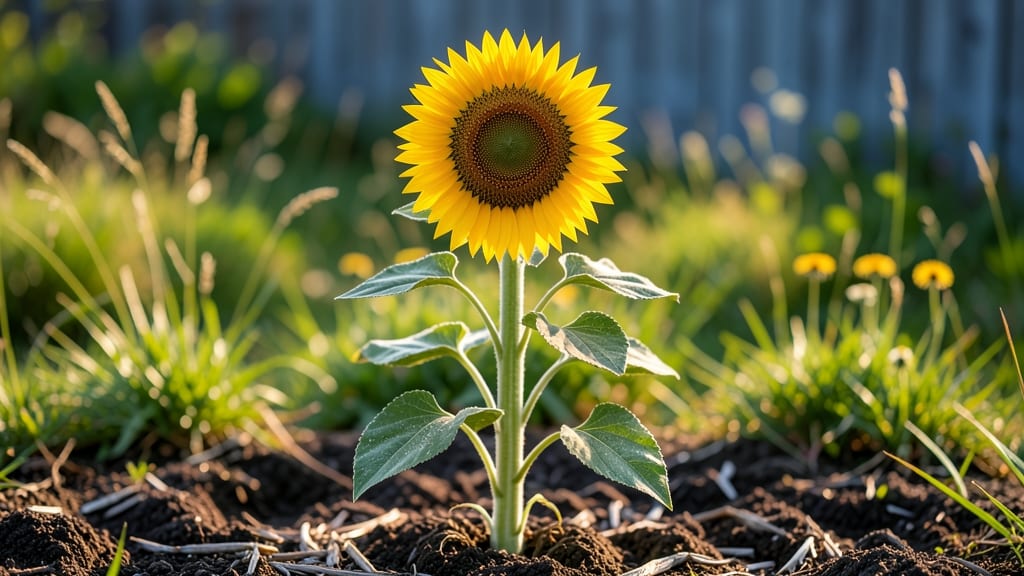
A sunflower garden transforms even the smallest yard into a sun-drenched masterpiece. 🌻 I learned this the hard way—trying to cram towering varieties into tight spaces only led to flopping stems and disappointed neighbors.
The secret? Choosing the right types for your layout and letting their natural structure do the work.
Start with dwarf varieties like 'Teddy Bear' for borders or 'Moulin Rouge' for vibrant color, and save the giants like 'Mammoth' for the back of the bed. Mix heights strategically: shorter sunflowers create a layered look, while taller ones add drama.
Even a 5-foot-wide strip along a fence becomes a statement piece with the right spacing.
You'll end up with a garden that feels lush and intentional, not crowded. The blooms attract pollinators all summer, and the seed heads provide winter interest. Plus, kids (and adults) love the instant gratification of watching them grow from tiny sprouts to sun-soaked giants in just 8-10 weeks.
Works for urban balconies, rural borders, or anything in between. The key is working with their natural shape—not against it. Let's design something that thrives without taking over.
📚 In This Guide
- What you need
- Instructions
- Tips and common mistakes
- Wrapping up and next steps
What you need
- ● Sunflower seeds: Choose compact varieties (e.g., 'Teddy Bear,' 'Moulin Rouge') for small spaces—5–10 seeds per plant (or pre-started seedlings).
- ● For taller varieties (e.g., 'Russian Giant'), plant 3–5 seeds per hill (thin to 1–2 strongest stems).
- ● Growing containers or garden bed: Containers: 5–10 gallon pots (minimum 12" deep for tall varieties) with drainage holes. Use 1 pot per plant.
- ● Garden bed: Well-draining soil in a sunny spot (6+ hours of direct light daily). Raised beds work great for urban gardens!
- ● Soil: High-quality potting mix (for containers) or loamy garden soil amended with compost (for beds). Add 1–2 cups of perlite or sand per 5 gallons to improve drainage.
- ● Fertilizer: Balanced 10-10-10 fertilizer (1 tbsp per plant at planting) or compost (1 cup per plant).
- ○ Optional: Slow-release granules (follow package instructions).
- ● Watering tools: Watering can with a rose attachment (for gentle watering).
- ● Hose with a soaker nozzle (for larger beds).
- ○ Support structures (optional but helpful): Sturdy bamboo stakes or tomato cages (for tall varieties).
- ● Decorative obelisks or trellises (for vertical gardens).
- ● Mulch: Straw or shredded leaves (1–2 inches) to retain moisture and suppress weeds.
- ● Companion plants: Marigolds (pest-repellent) or nasturtiums (edible and colorful).
- ● Decorative elements: Painted rocks, solar-powered garden lights, or a small bird feeder (sunflowers attract pollinators!).
- ● Garden journal: Notebook to track planting dates, watering schedules, and growth progress.
How to design a striking sunflower garden in small spaces
Here’s how I create sunflower displays that feel dramatic yet fit easily into any yard.
🌱 Step 1: Choose Sunflower Varieties for Height and Space
Start with a mix of dwarf, mid-height, and towering varieties to create visual layers without overwhelming your space. I like planting ‘Teddy Bear’ (3-4 feet) for the front row, ‘Moulin Rouge’ (5-6 feet) in the middle, and ‘Russian Giant’ (12-15 feet) as the back anchor. This arrangement lets smaller blooms peek through while the giants dominate the skyline.
For a 4-plant display, stick to one tall variety (like ‘Russian Giant’) and three mid-height types (like ‘Autumn Beauty’). This keeps the design balanced without requiring excessive space. If your garden is truly tight, opt for ‘Sunspot’ (2-3 feet)—it’s compact but still makes a bold statement.
🪴 Step 2: Prepare Soil and Planting Locations
Sunflowers thrive in well-draining soil with full sun (6+ hours daily). Before planting, loosen the top 12 inches of soil to encourage root spread. Amend with compost if your soil is heavy or sandy—this improves moisture retention without suffocating roots. I avoid fertilizers at planting; sunflowers grow best with minimal nutrients and focus their energy on height instead of foliage.
Space tall varieties 2-3 feet apart and dwarf types 1-2 feet apart. If planting in rows, stagger them so no two giants compete for sunlight. For a 4-plant cluster, arrange them in a square formation with 3-foot spacing between each. This creates a natural focal point without overcrowding.
☀️ Step 3: Plant Seeds at the Right Depth and Time
Sow seeds ½ inch deep, pressing them lightly into the soil but not burying them too deep. Sunflower seeds germinate best in soil temperatures above 55°F, so wait until after the last frost in your area. I plant mine 2-3 weeks before the average last frost date—this gives roots time to establish before rapid growth begins.
Water deeply after planting (about 1 inch of water) to settle the soil around seeds. Keep the area moist but not soggy until germination, which typically takes 7-14 days. Once sprouts appear, reduce watering to 1 inch per week—sunflowers are drought-tolerant once established, but young plants need consistent moisture.
✂️ Step 4: Support Tall Varieties and Prune Strategically
Tall sunflowers like ‘Russian Giant’ often need staking to prevent toppling in wind or rain. Install bamboo stakes (5-6 feet tall) at planting and tie stems loosely with soft garden twine as they grow. Avoid tight bindings—they restrict growth and can damage stems as plants thicken.
To encourage bushier growth, pinch off the main bud when it’s about 12 inches tall. This forces the plant to produce secondary buds, resulting in more blooms per stem. If you want single, dramatic flowers, skip this step and let the plant focus its energy on one showstopper bloom.
💧 Step 5: Maintain Through Bloom and Beyond
Sunflowers are low-maintenance, but consistent watering is key during bud formation. Water at the base in the morning to prevent fungal diseases like powdery mildew, which thrives in damp foliage. Once blooms open, reduce watering slightly—overwatering can cause premature drooping of heavy flower heads.
Deadhead spent blooms by snipping stems 6 inches below the flower head. This redirects energy to lower buds and encourages a second flush of blooms in some varieties. Leave a few dried flowers on the stalks for winter interest and seed collection—birds will thank you!
Tips & tricks for stunning sunflower garden designs
Creating a sunflower garden that thrives in small spaces takes a few strategic moves—here's how to maximize every inch.
Variety Layering: The key to visual impact in tight spaces is strategic height placement. I've found that positioning 'Teddy Bear' varieties (3-4 feet) at the front creates an inviting frame, while allowing 'Russian Giant' (12-15 feet) to anchor the back without overwhelming. This tiered approach lets sunlight reach all plants while maintaining that dramatic vertical effect we all love. Think of it as a living sculpture where each plant has its own stage.
Soil Preparation Secret: That 12-inch soil loosening in Step 2 isn't just about roots—it's about creating an oxygen-rich environment that prevents compaction. I like adding a thin layer of compost only to the planting holes rather than amending the entire bed. This targeted approach gives roots exactly what they need without altering the soil's natural structure. The result? Plants that establish quickly and grow vigorously without the risk of over-fertilization.
Timing is Everything: Planting 2-3 weeks before your last frost date (when soil reaches 55°F) gives roots a head start before the rapid growth phase begins. I've learned this the hard way—planting too early in cold soil leads to weak stems that can't support those heavy blooms later. For northern climates, consider using black plastic mulch to warm the soil faster and extend your planting window.
Pruning Strategy: That 12-inch height for pinching the main bud might seem arbitrary, but it's actually the perfect compromise. Below 12 inches and you risk stunting growth; above and you lose the bushier effect. I recommend using clean, sharp scissors to make clean cuts just above a leaf node. This not only encourages secondary buds but also prevents disease entry points that can occur with rough cuts.
Pro Tips for Sunflower In Garden
- Creating a sunflower garden that thrives in small spaces takes a few strategic moves—here's how to maximize every inch.
- Variety Layering: The key to visual impact in tight spaces is strategic height placement.
- Soil Preparation Secret: That 12-inch soil loosening in Step 2 isn't just about roots—it's about creating an oxygen-rich environment that prevents compaction.
Frequently asked questions
Got questions about growing sunflowers in your garden? You’re not alone! Here are some of the most common queries—plus quick, practical answers to help you cultivate a stunning sunflower display with ease.
How much space do sunflowers really need?
Sunflowers are space-efficient! Most varieties thrive in 6–12 inches of space between plants. Dwarf varieties (like ‘Teddy Bear’) can even grow in containers with just 4–6 inches of clearance. For tall varieties (like ‘Mammoth’), space them 18–24 inches apart to prevent overcrowding and ensure strong stems.
When is the best time to plant sunflowers?
Sunflowers are hardy and fast-growing, so plant them after the last frost when soil temperatures reach at least 50°F (10°C). For a longer bloom season, stagger plantings every 2–3 weeks. In warmer climates, you can even plant them in early spring or late summer for fall blooms!
Do sunflowers need full sun?
Sunflowers crave sunlight—plant them in a spot with at least 6–8 hours of direct sun daily. While they can tolerate partial shade, fewer blooms and shorter stems may result. If your garden is shady, opt for shorter varieties or supplement with a sunny windowsill or balcony.
How do I prevent sunflowers from falling over?
Floppy stems are common, but you can reinforce them! Stake tall varieties (like ‘Russian Giant’) with bamboo stakes or plant them near a fence. For added support, prune lower leaves to reduce wind resistance. Dwarf varieties rarely need staking, but a light mulch around the base can improve stability.
Can I grow sunflowers in containers?
Yes! Sunflowers adapt well to containers if given enough room. Choose a 5-gallon pot or larger for dwarf varieties and at least 10 gallons for tall types. Ensure pots have drainage holes and use a balanced fertilizer every 2–3 weeks. Place containers in full sun and rotate them occasionally for even growth.
Why aren’t my sunflowers blooming?
Sunflowers may skip blooming due to overcrowding, poor sunlight, or nutrient deficiencies. Check these fixes:
- Thin plants to improve airflow.
- Move to a sunnier spot (minimum 6 hours of sun).
- Fertilize with phosphorus-rich food (like bone meal) to encourage blooms.
- Ensure consistent watering—drought stress can delay flowers.
Wrapping up and next steps
Adding sunflowers to your garden isn’t just about beauty—it’s about effortless elegance and sustainable joy. With minimal space, these cheerful giants bring color, pollinators, and even edible rewards to your outdoor haven.
Whether you’re a seasoned gardener or just starting, sunflowers prove that big dreams grow in small spaces!
Ready to plant your vision? Start small—pick a sunny spot, grab a few seeds, and let nature do the rest. Grab your tools and turn your garden into a sunflower sanctuary today!