
Flowers
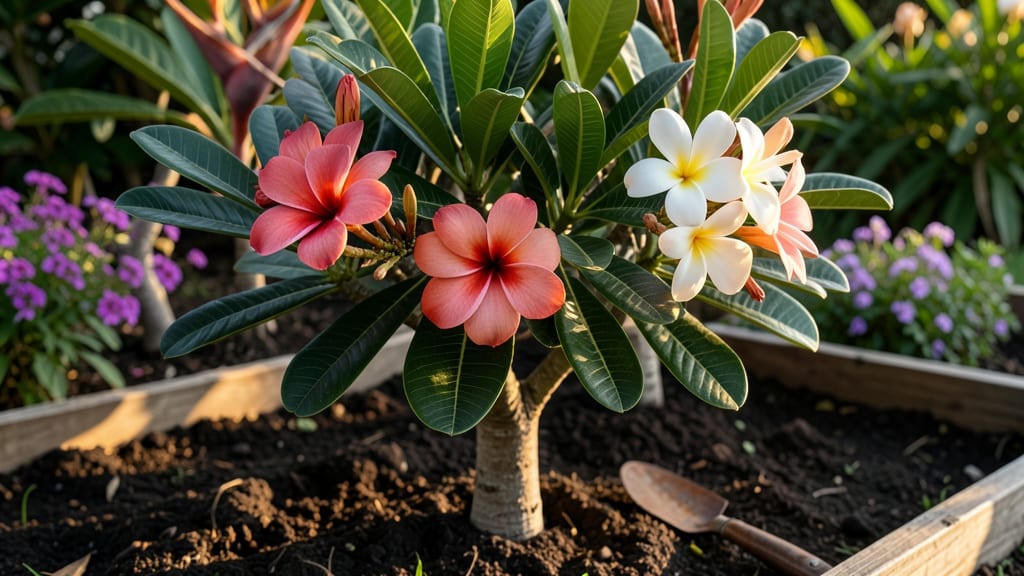
Transform your garden into a fragrant tropical escape with these scented tropical flowers—plumeria, frangipani, and gardenia—that will make scent matter as much as sight. 🌺 The moment you walk through a garden bursting with their intoxicating blooms, you’ll understand why they’re the difference between a pretty garden and one that truly enchants your senses.
These flowers don't just look stunning; they fill the air with heady, natural perfumes that linger long after the blooms fade.
My first attempt at a fragrant garden flopped because I focused only on looks, not the right conditions. Tropical flowers thrive in warm climates but can also shine in containers where you control the environment.
Pair them with shade-loving companions like hibiscus or sweet alyssum to create layers of scent that change with the breeze. The secret? Morning sun and afternoon shade—just like their native habitats.
Imagine strolling past a garden path where every step releases a new wave of fragrance—jasmine at dawn, plumeria in the afternoon, and gardenia as evening falls. These plants reward patience with year-round blooms if you maintain consistent moisture and occasional feeding.
The payoff? A garden that feels like a vacation, no passport required.
Whether you're working with a full backyard or just a sunny patio, these tropical beauties adapt beautifully. Start small with a single fragrant tree or a container trio, then expand as your confidence grows. The best part? Their scents attract pollinators while keeping pests at bay—nature's own perfume.
📚 In This Guide
- What you need
- Instructions
- Tips and common mistakes
- Wrapping up and next steps
What you need
- ● Scented tropical flower plants: 3–5 plants per variety (e.g., Plumeria, Frangipani, Jasmine, Gardenia, or Tuberose)
- ● Size: 1–3 gallon pots (for mature plants) or seeds/cuttings (if starting from scratch)
- ● Well-draining potting mix: 5–10 gallons (blend tropical soil with perlite/vermiculite for aeration)
- ● Containers or garden beds: Containers: 12–18" diameter pots (with drainage holes) for 1–2 plants each
- ● Garden beds: Sunlit, sheltered spots with 6+ hours of sunlight daily
- ● Gardening tools: Trowel or hand shovel
- ● Pruning shears (sterilized)
- ○ Gloves (optional but recommended)
- ● Fertilizer: Balanced 10-10-10 or slow-release tropical plant food (follow package rates)
- ● Mulch: 2–3 inches of organic mulch (e.g., pine bark or coconut coir) to retain moisture
- ● Watering can or hose with gentle spray nozzle
- ○ pH test kit (optional): To check soil acidity (ideal range: 5.5–6.5)
- ● Humidity tray or indoor grow lights (for indoor setups)
- ● Slow-release fertilizer spikes for long-term nourishment
- ● Decorative stakes or trellises (for climbing varieties like Jasmine)
- ● Fragrance-enhancing companion plants (e.g., Lantana or Sweet Alyssum)
Step-by-step guide to creating a fragrant tropical flower display
Here's how to craft a lush, aromatic garden that brings the tropics home.
🌿 Step 1: Select Complementary Scented Varieties
Choose plants with overlapping bloom times for continuous fragrance. My go-to tropicals include plumeria (sweet, creamy scent), gardenia (jasmine-like perfume), and ylang-ylang (exotic floral aroma). Group them by sunlight needs—most tropicals crave 6+ hours of bright, indirect light daily.
Here's the thing—avoid mixing heavy feeders with light ones. Plumerias thrive in well-draining soil, while gardenias prefer slightly acidic mixes. I always plant them in separate containers or sections to prevent competition. Watch for new growth after planting—that's your signal they're settling in.
☀️ Step 2: Position for Optimal Sun and Airflow
Place your fragrant display where it gets morning sun and afternoon shade. Most tropical flowers wilt in harsh afternoon rays, especially in hot climates. A partially shaded patio or east-facing window works perfectly. I like to angle containers slightly so water drains away from stems—this prevents root rot and keeps blooms fresh longer.
Airflow matters just as much as light. Space plants 18-24 inches apart to allow circulation, which reduces fungal diseases that can smother sweet scents. You'll notice stronger fragrance when plants aren't struggling—healthy foliage means better perfume production.
💧 Step 3: Water with Precision for Maximum Fragrance
Water deeply but infrequently—once weekly until the top 2 inches of soil feel dry. Tropical flowers hate soggy roots, which dull their scent and invite pests. I use room-temperature water to avoid shocking the plants, and always water at the base rather than overhead. Wet leaves attract fungal spores that can ruin your fragrant canopy.
Mist the foliage lightly in dry climates, especially during bloom season. The extra humidity mimics tropical conditions and intensifies fragrance. You'll know you're doing it right when you can smell the flowers from across the room—no need for strong perfumes when your garden does the job.
✂️ Step 4: Prune and Encourage Continuous Blooming
Deadhead spent blooms immediately to redirect energy into new flowers. I snip just above the next leaf node with clean, sharp scissors—this prevents disease and encourages bushier growth. For plumeria, I trim leggy stems back by one-third after flowering to maintain shape and stimulate new branches.
Fertilize lightly every 6 weeks with a balanced, water-soluble fertilizer diluted to half-strength. Too much nitrogen makes plants leafy but scentless. I've found that a monthly dose of fish emulsion boosts fragrance intensity—just follow the instructions on the bottle for best results.
🌱 Step 5: Extend the Season with Simple Care
Bring containers indoors before 50°F temperatures to protect heat-loving tropicals. A bright, cool room (like a sunroom) keeps them dormant but alive. Reduce watering to every 2-3 weeks during dormancy, and avoid fertilizing entirely until spring.
In early spring, repot if roots are crowded and resume regular care. You'll see new growth within 3-4 weeks—that's your cue to start fertilizing again. The key to year-round fragrance is consistency: maintain light, water, and pruning routines, and your tropical display will reward you with continuous perfume.
Tips & tricks for perfect scented tropical flowers
Here's what nobody tells you about keeping your fragrant tropical display thriving all year.
Soil Selection Tip: The right soil makes all the difference for tropical flowers. Plumerias need well-draining mixes with perlite or sand, while gardenias thrive in slightly acidic, peat-based blends. I always add a handful of orchid bark to any tropical potting mix—it improves aeration and prevents that dreaded soggy root syndrome that kills fragrance. For ylang-ylang, a chunky mix with coconut coir works best to mimic its native forest habitat.
Light Strategy: When positioning your tropical display, remember that morning sun is your friend while harsh afternoon rays are the enemy. If you notice leaves turning yellow or crisping at the edges, it's a sign they're getting too much direct sun. I've found that placing containers on a wheeled cart lets me easily rotate them throughout the day to balance light exposure—this keeps foliage lush and blooms abundant.
Fragrance Booster: Want that signature tropical perfume to hit harder? Try this trick: lightly brush the blooms with a cotton swab dipped in diluted vodka (1 part vodka to 4 parts water) right after deadheading. The alcohol helps release essential oils, intensifying the scent for hours. It's like giving your flowers a natural perfume boost without any chemical additives. Just do this in the evening so the alcohol has time to evaporate completely before morning.
Seasonal Transition: When bringing tropicals indoors before the 50°F threshold, don't just move them to a dark corner. Place them near a south-facing window where they'll still get plenty of bright, indirect light. I also recommend using a small grow light for 12 hours a day during winter months—this prevents that sad, leggy growth that happens when plants don't get enough light. The extra light keeps their metabolism active, so they'll bounce back stronger in spring.
Pro Tips for Scented Tropical Flowers
- Here's what nobody tells you about keeping your fragrant tropical display thriving all year.
- Soil Selection Tip: The right soil makes all the difference for tropical flowers.
- Light Strategy: When positioning your tropical display, remember that morning sun is your friend while harsh afternoon rays are the enemy.
Frequently asked questions
Got questions about bringing fragrant tropical blooms into your garden?
Here are some of the most common queries—and their answers—to help you create a lush, aromatic paradise with ease.
Which scented tropical flowers are easiest for beginners?
Start with hardy, low-maintenance varieties like plumeria (frangipani), hibiscus, or jasmine. These thrive in warm climates and reward you with intoxicating fragrances with minimal fuss. Bird of paradise is another great pick—its citrusy scent and striking blooms are beginner-friendly!
How do I keep scented tropical flowers smelling their best?
Fragrance fades when flowers are stressed. Water deeply but infrequently (let soil dry slightly between waterings), prune spent blooms regularly, and fertilize monthly with a balanced tropical plant food. Avoid overcrowding—good airflow prevents mold, which can dull scents.
When is the best time to plant scented tropical flowers?
For outdoor gardens, plant after the last frost in spring (when soil is warm) or in early fall (to establish roots before winter). If growing in containers, you can plant year-round in warm zones. Pro tip: Acclimate potted plants gradually to outdoor conditions to avoid shock!
Can I grow scented tropical flowers indoors?
Opt for compact varieties like stephanotis (bridal wreath) or orchids (e.g., Dendrobium), which thrive in bright, indirect light near east- or west-facing windows. Use well-draining pots and a humidity tray to mimic tropical conditions. Just avoid drafts!
Why aren’t my scented tropical flowers smelling as strong as expected?
Weak fragrance often signals stress. Check for pests (like spider mites), overwatering (root rot kills scent glands), or nutrient deficiencies. Deadhead blooms promptly—some tropical flowers, like gardenia, release more scent when fresh. If growing in shade, move them to brighter light (but avoid harsh afternoon sun).
Are there fragrant tropical flowers that attract pollinators?
Yes! Plant tuberose (sweet, night-blooming), ylang-ylang (vanilla-like, bee-loved), or plumeria to draw bees, butterflies, and hummingbirds. Bonus: Their strong scents repel some pests naturally. Pair them with native pollinator plants for a thriving ecosystem!
Wrapping up and next steps
Transforming your garden into a fragrant paradise with scented tropical flowers is simpler—and more rewarding—than you think! 🌺 From fragrant frangipani to sweet plumeria, these blooms bring year-round magic with minimal effort.
Whether you’re a seasoned gardener or just starting, the key is choosing the right varieties for your climate and giving them the love they deserve.
Ready to dive in? Start small—pick one or two fragrant favorites, gather your supplies, and let nature do the rest. Before you know it, your garden will be a scent-sational escape. Happy planting! 🌿✨